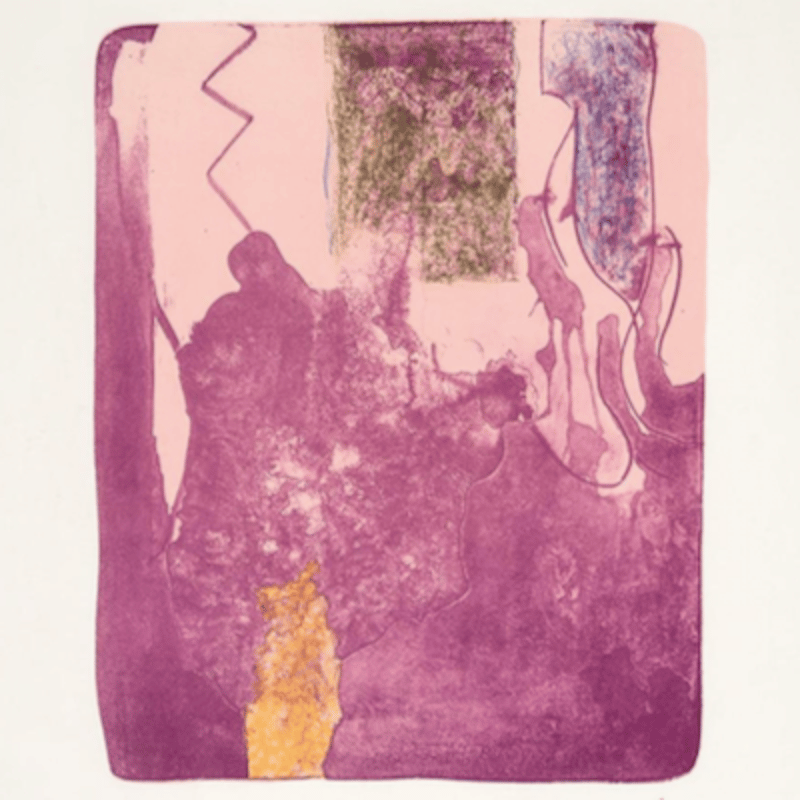
What is abstract expressionism?
- Show All
- Established
- Discoveries
- Show All
Artworks Related to Abstract expressionism
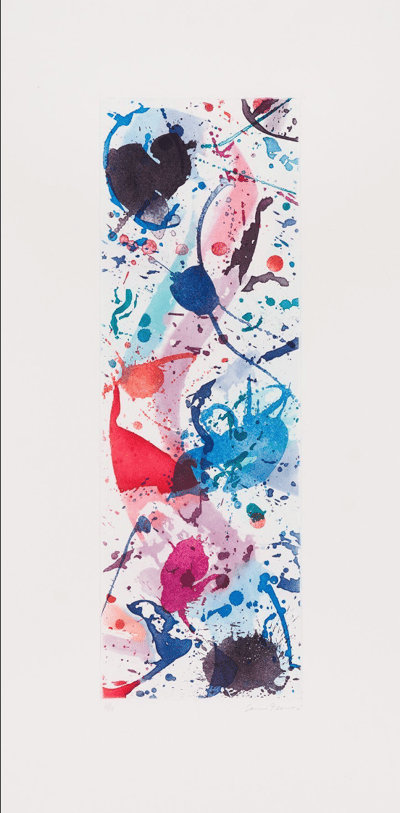
Sam Francis
Untitled (SFE-013), 1984
Limited Edition Print
Aquatint
USD 7,400
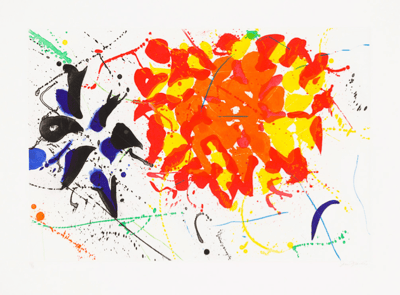
Sam Francis
Untitled Red (American Foundation), 1992
Limited Edition Print
Etching
USD 11,600
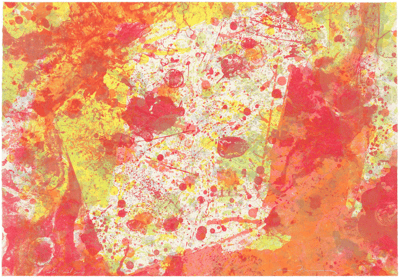
Sam Francis
And Pink (SF-143), 1973
Limited Edition Print
Lithograph
USD 11,600
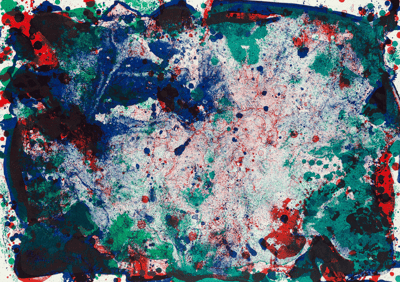
Sam Francis
Another Footprint, 1971
Limited Edition Print
Lithograph
USD 11,600
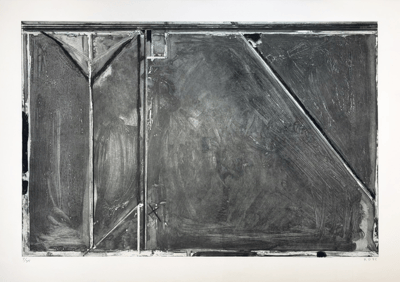
Richard Diebenkorn
Folsom Street Variations II (Grey), 1986
Limited Edition Print
Mixed Media
USD 10,800
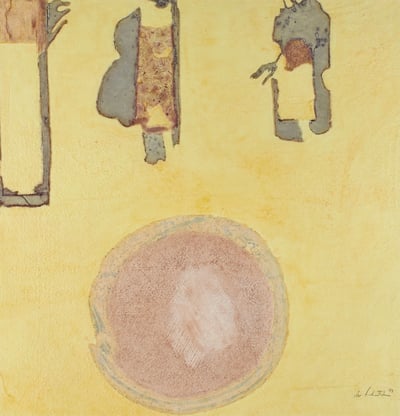
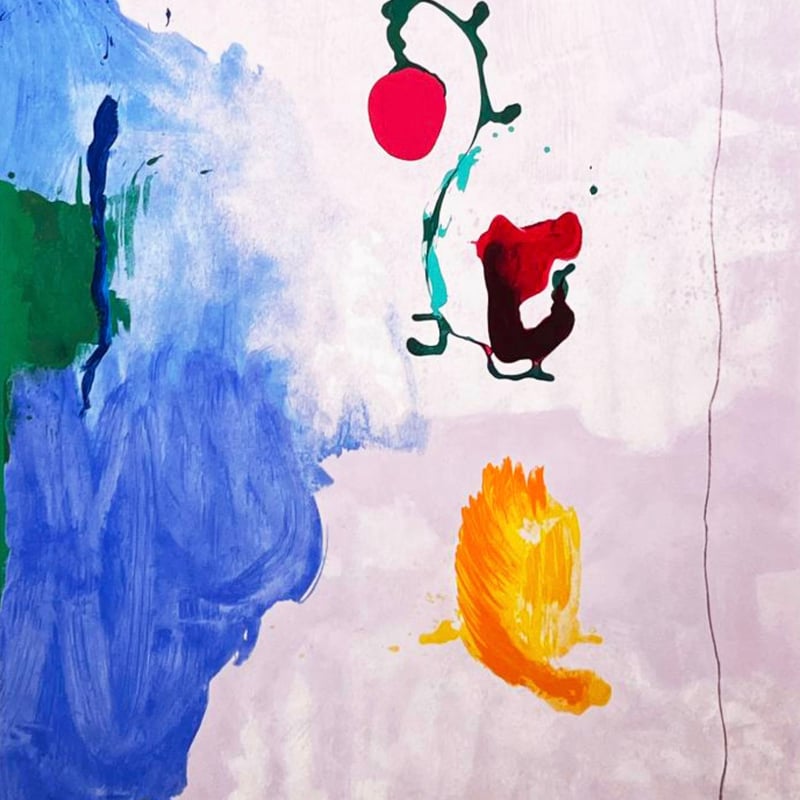
Helen Frankenthaler
Sirocco, 1989
Limited Edition Print
Mixed Media
GBP 13,000

Zao Wou-Ki
Untitled (A. 246A), 1974
Limited Edition Print
Etching and Aquatint
EUR 4,500 - 6,000
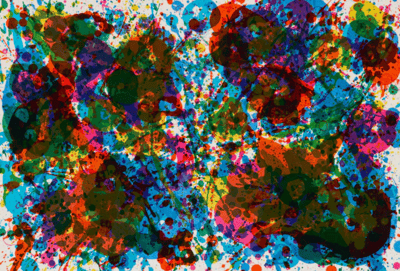
Sam Francis
Untitled (from the Fresh Air School portfolio), 1972
Limited Edition Print
Lithograph
EUR 1,850
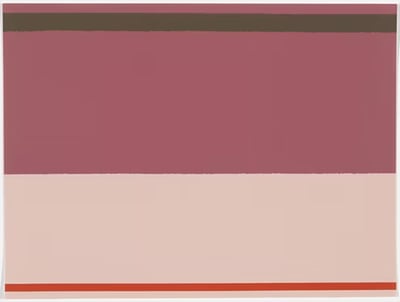
Kenneth Noland
Untitled from The New York Collection for Stockholm, 1973
Limited Edition Print
Screen-print
GBP 1,800
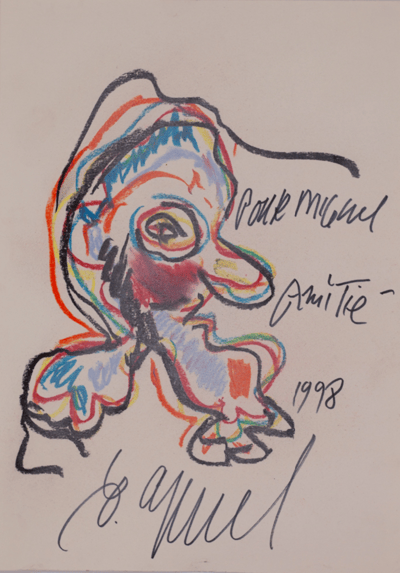
Karel Appel
Untitled (Colorful Figure), 1998
Drawing / Watercolor
Pastel
EUR 7,500

Zao Wou-Ki
sonnets de Shakespeare II, 1994
Limited Edition Print
Etching
EUR 2,800

Zao Wou-Ki
Sonnets de Shakespeare I, 1994
Limited Edition Print
Etching
EUR 2,800
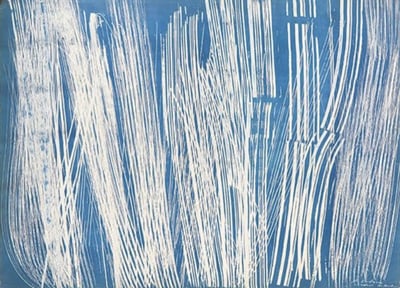
Hans Hartung
G 1970-21, 1970
Limited Edition Print
Etching
EUR 6,500

Idris Khan
I Thought We Had More Time, 2022
Limited Edition Print
Archival Print
GBP 1,850
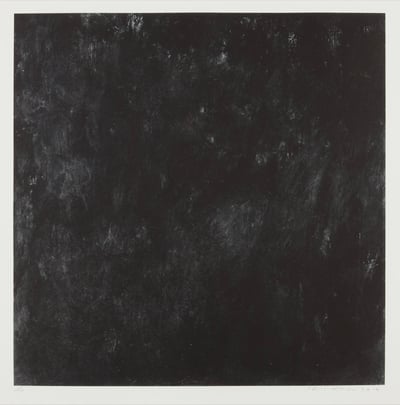
Idris Khan
Death of Painting, 2014
Limited Edition Print
Lithograph
GBP 3,000
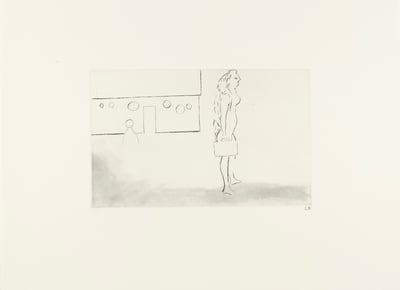
Louise Bourgeois
Autobiographical Series 13, 1994
Limited Edition Print
Etching
EUR 6,750
Related Articles
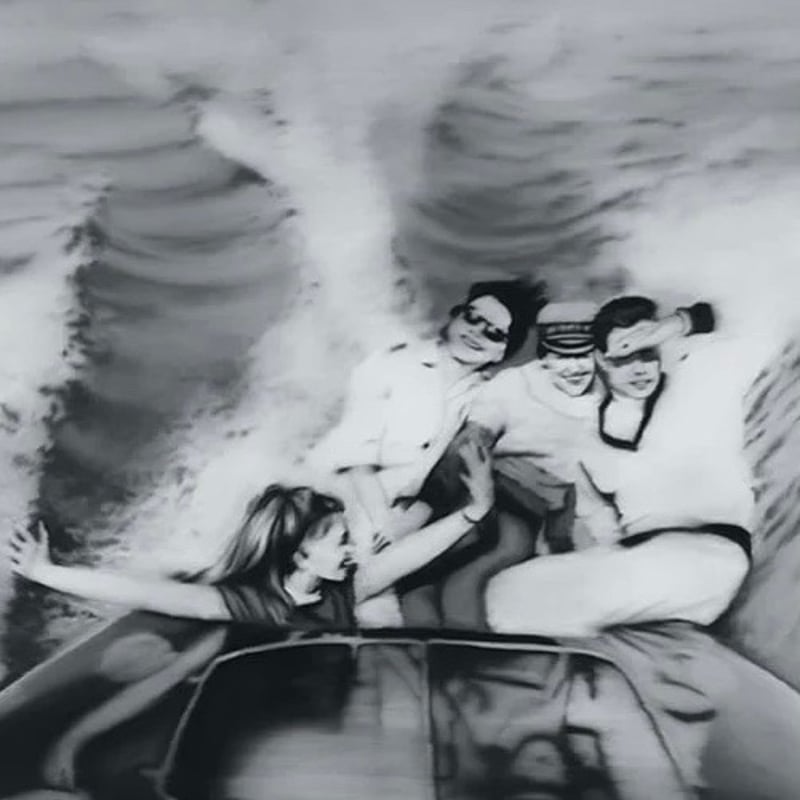
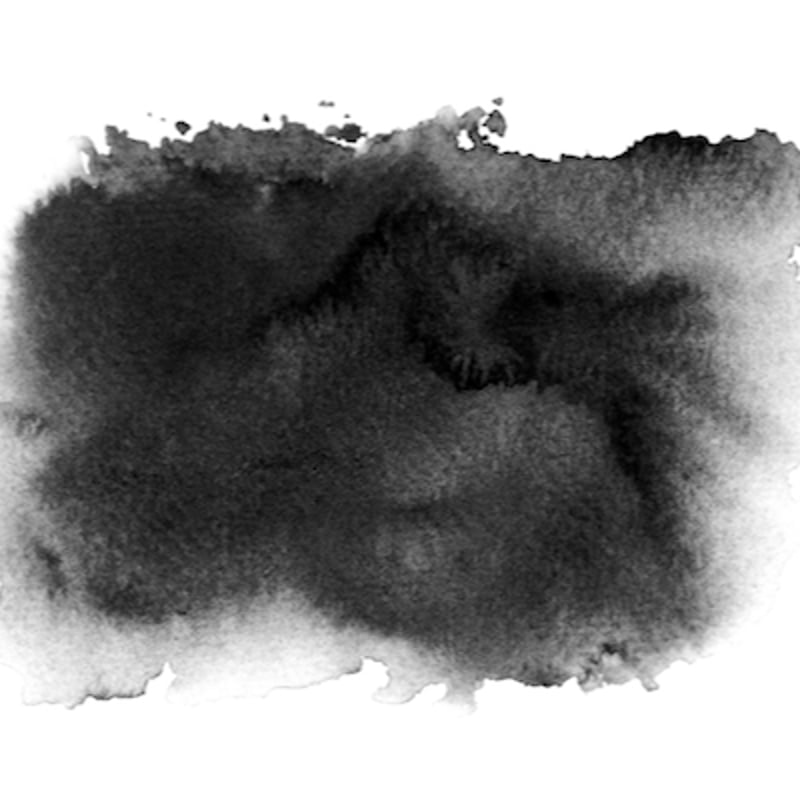
Ink is a colored liquid or paste used for writing, drawing, painting, and printing. The term also refers to the process of applying ink to mark, cover, stain, draw, or trace over pencil lines. Ink can be applied using various tools, such as pens, brushes, and quills.
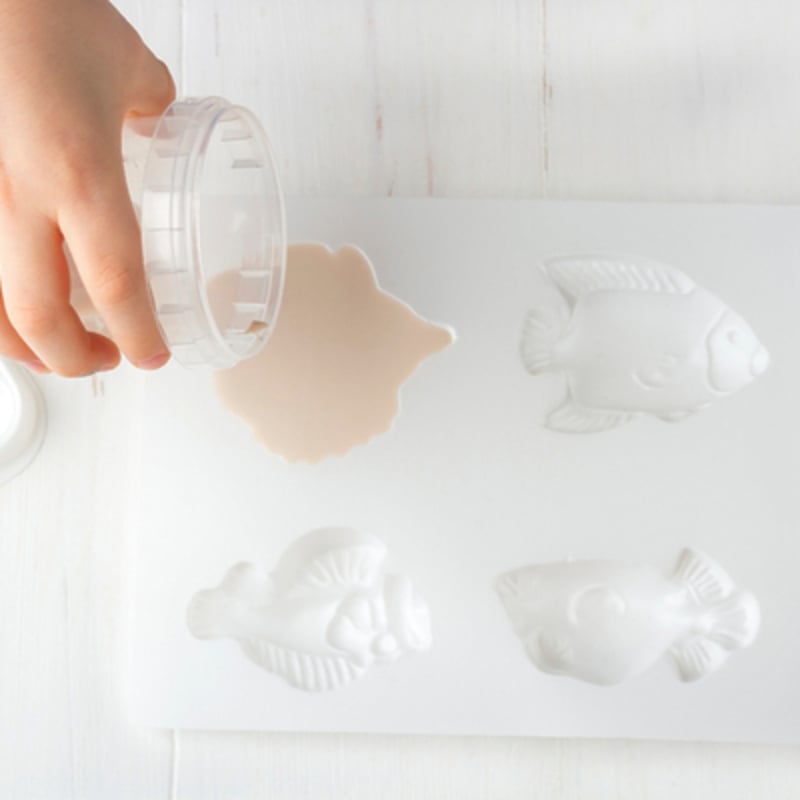
A cast is a form created by pouring a liquid material, such as plastic, plaster, acrylic, concrete, or mixed media, into a mold. Once the liquid cools and fully solidifies, the cast is removed from the mold, revealing the final shape. This process is widely used in sculpture, manufacturing, and various forms of art to replicate intricate designs and shapes.
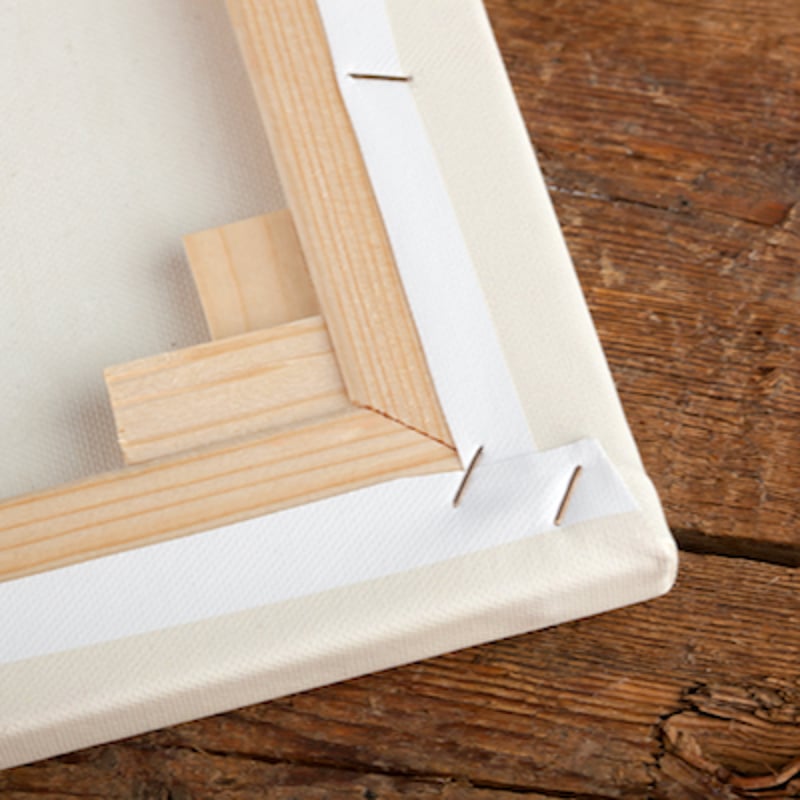
Recto and verso are terms used to describe the right and left pages of an open book, or the front and back of a sheet of paper. In both cases, recto refers to the right-hand page or the front of the paper, while verso refers to the left-hand page or the back of the paper. These terms are commonly used in bookbinding, printmaking, and art to distinguish between the two sides of a sheet.
Can't find your Answer?
Thank you! Your question has been sent — we'll get back to you shortly.
