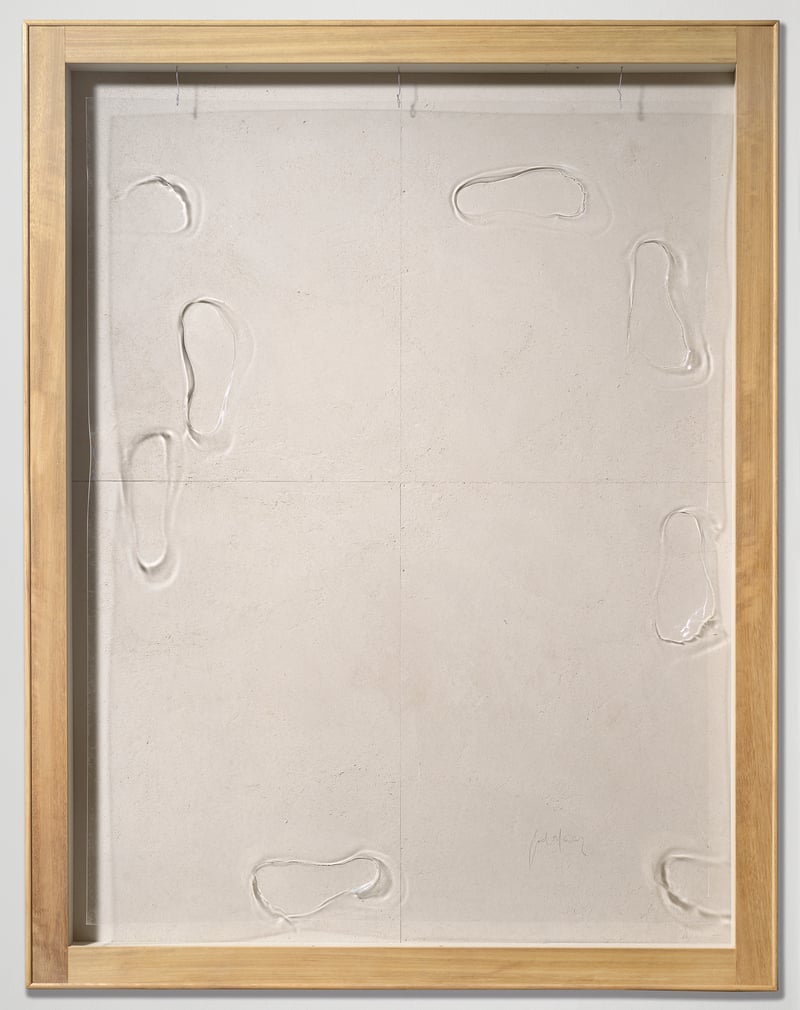
Autoretrat caminant, 2026
Form
Medium
Size
- Inches
- Centimeters
Edition
Price
- USD
- EUR
- GBP
- CHF
- Authenticity Guaranteed
- Insured Shipping
- Online Since 2005
- Recently Added
- Price (Low-High)
- Price (High-Low)
- Year (Low-High)
- Year (High-Low)
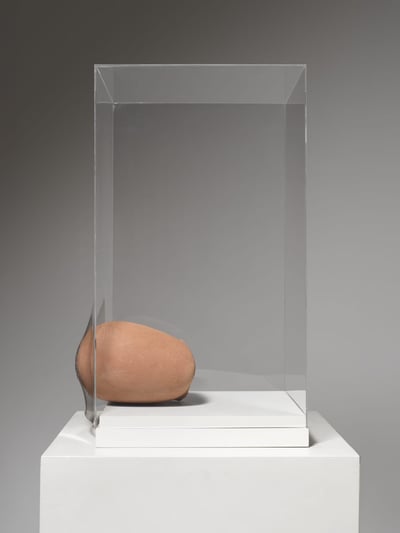
Jordi Alcaraz
Autoretrat somiant, 2026
Sculpture / Object
Mixed Media
EUR 6,500
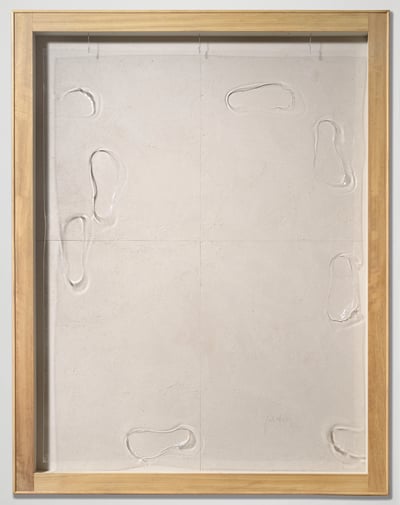
Jordi Alcaraz
Autoretrat caminant, 2026
Sculpture / Object
Mixed Media
EUR 10,000
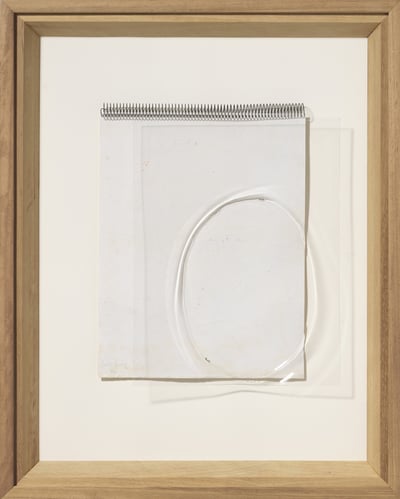
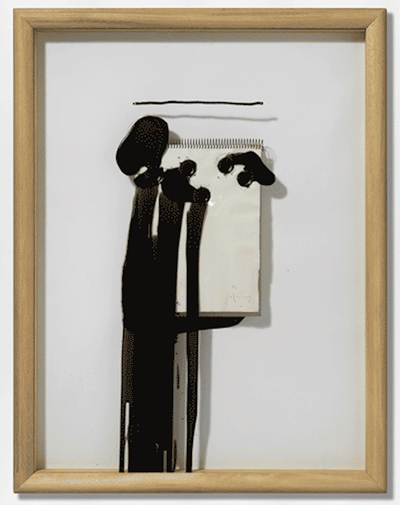
Jordi Alcaraz
Sense títol I, 2024
Limited Edition Print
Mixed Media
Currently Not Available
Jordi Alcaraz
Formes d’escriure (I), 2022
Limited Edition Print
Mixed Media
Currently Not Available
Related Artists
Related Articles
Popular, Art Movements - November 20, 2024
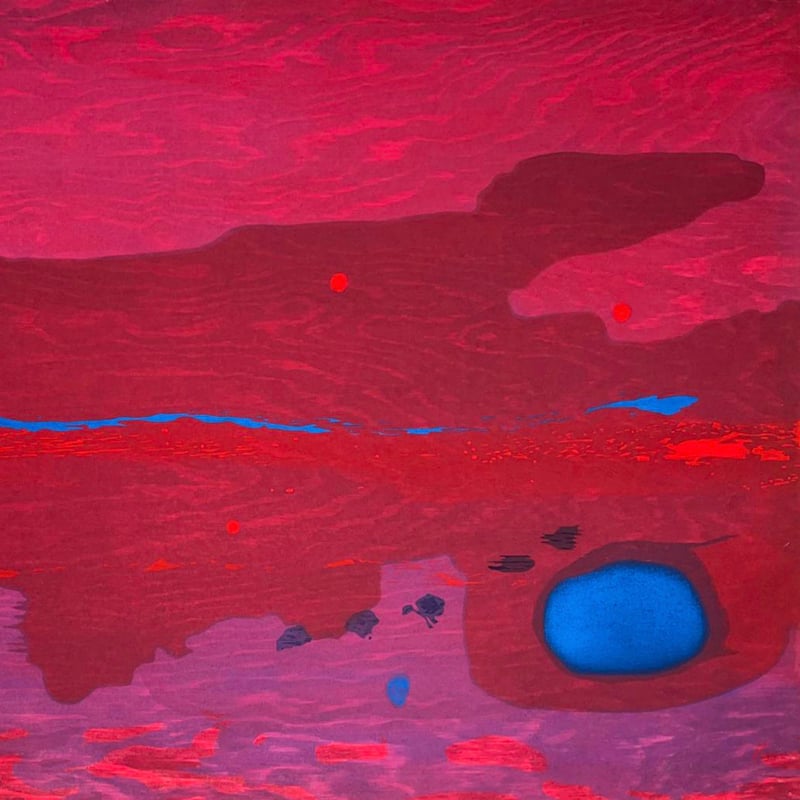
Understanding Abstract Expressionism: Emotion and Gesture
Explore the emotional depth of Abstract Expressionism! Discover how artists like Pollock and Rothko used gesture and color to convey human complexity.Read More
What is Spatialism?
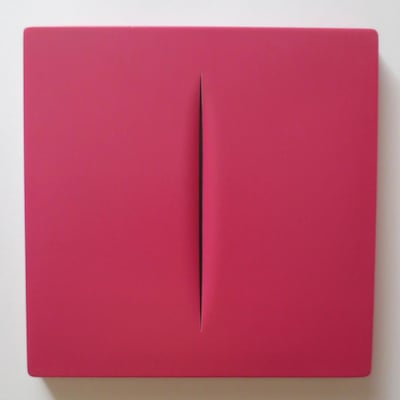
Spatialism is an art movement that originated in Italy in 1947, founded by Lucio Fontana with the intention of synthesizing sound, color, movement, and space into a new form of art. The movement's central ideas were outlined in Fontana's first manifesto, published in 1947, where he introduced the concept of spatial art to capture the spirit of the post-war era. His ideas were further developed in five subsequent manifestos. Although Fontana's ideas were sometimes considered vague, his influence was significant, as he was one of the first European artists to emphasize art as a performance and gesture.

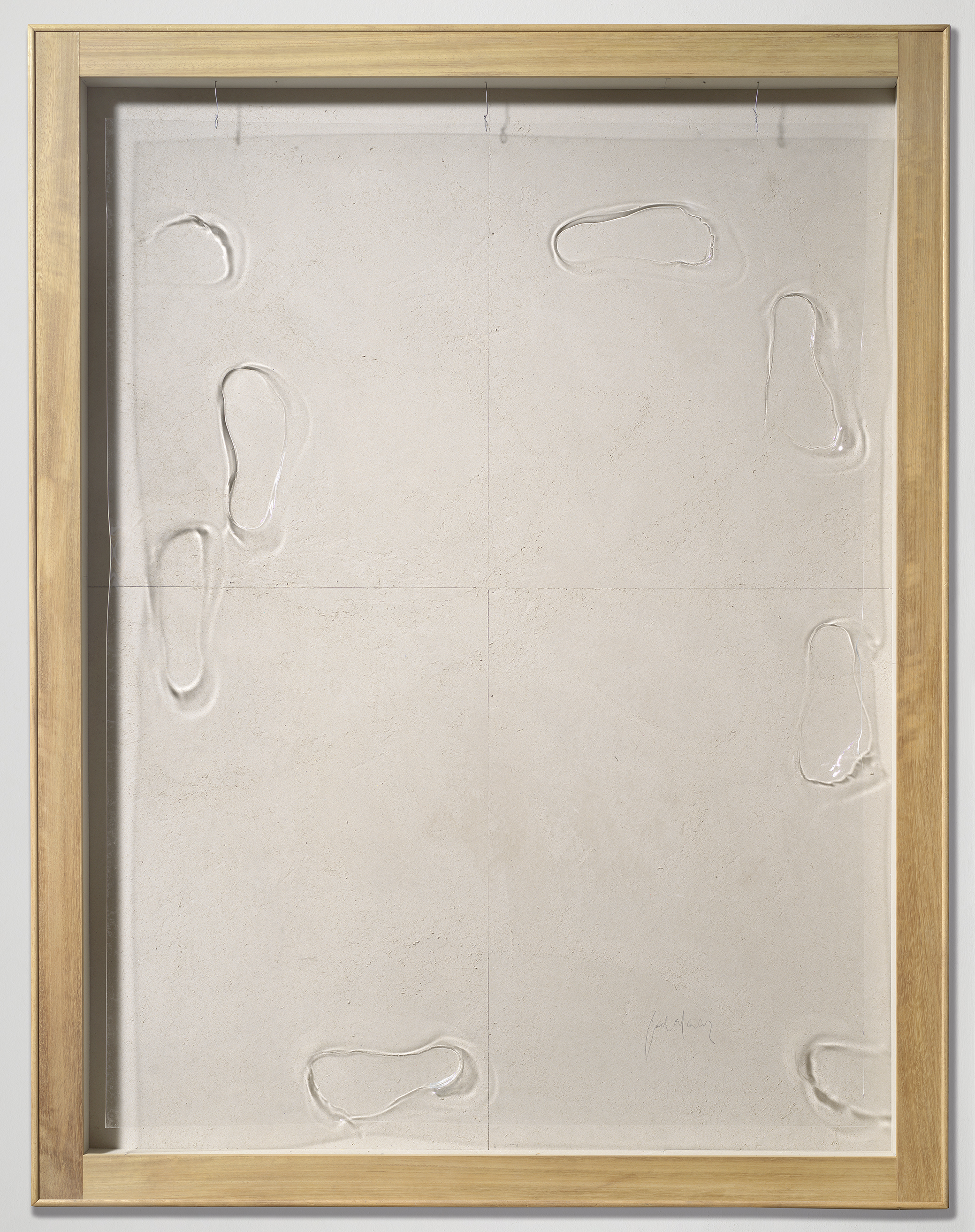
Jordi Alcaraz
Autoretrat caminant, 2026
180.5 x 140.5 cm


