What is an object?
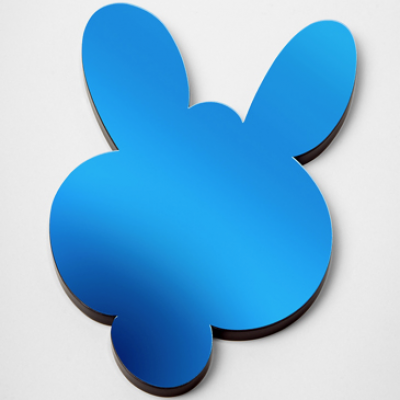
An object in art refers to any tangible thing that exists and can be depicted in a work of art. Sometimes, the object becomes the focal point of a painting, drawing, or sculpture, meaning it is the most important element in the composition. An object can be anything that can be seen or touched, and it is often used to convey meaning or emphasize certain aspects of the artwork.
Show All
- Show All
- Established
- Discoveries
Show All
ARTWORKS RELATED TO OBJECT

Richard Prince
Pure Thoughts - Live Free or Die, 2007
Sculpture / Object
Object
GBP 7,750

Anthony Caro
House Pitch, 2011
Sculpture / Object
Object
Inquire For Price

Rafael Jesus Soto
Dos Cuadraditos, 1972
Sculpture / Object
Object
Currently Not Available

Anthony Caro
Table Piece Y-30, 1984
Sculpture / Object
Object
Inquire For Price

Anthony Caro
Table Piece Z-39, 1981
Sculpture / Object
Object
Inquire For Price

Anthony Caro
Table piece S-13, 1994
Sculpture / Object
Object
Inquire For Price

Anthony Caro
Low Table Piece CCCCXXXI, 1977
Sculpture / Object
Object
Inquire For Price

William Sweetlove
Cloned Chihuahua with shoes, 2008
Sculpture / Object
Object
EUR 1,750

Julio Le Parc
Tulles – lumières, 2019
Sculpture / Object
Object
EUR 5,000

Carlos Cruz-Diez
Couleur à l’espace nova, 2012
Sculpture / Object
Object
EUR 9,000

Carlos Cruz-Diez
Cromointerferencia manipulable feria estampa, 2011
Limited Edition Print
Object
EUR 5,000

Ludwig Wilding
SBST 2827, 1993
Sculpture / Object
Object
EUR 1,500

Ludwig Wilding
SBST 2838, 2000
Sculpture / Object
Object
EUR 1,500

Ludwig Wilding
SBST 2823, 1993
Sculpture / Object
Object
EUR 1,500

Ludwig Wilding
SB II, 1986
Sculpture / Object
Object
EUR 1,500

Ludwig Wilding
SBST 2818, 1986
Sculpture / Object
Object
EUR 1,500
Related Articles

Collecting - March 25, 2025
Understanding Editioned Sculptures: What Collectors Need to Know
Explore the value of editioned sculptures, from bronze to electric art. Learn how edition size, material, and artist impact collectability. Read More
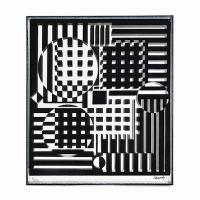
Op Art is a visual art style that uses optical illusions to create the impression of movement, vibrating patterns, flashing, or hidden images. The works are typically abstract, with many well-known pieces in black and white. The roots of Op Art can be traced back to earlier movements like Futurism, Constructivism, Dada, and Neo-Impressionism, particularly in their use of color effects and graphic design.
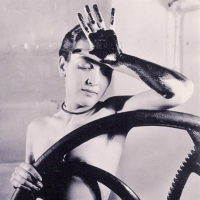
Avant-garde refers to innovative and experimental ideas in the arts that challenge established norms and conventions. Originating from the French term for advance guard, it describes both the movement and the artists who push the boundaries of creativity, often exploring new techniques, forms, and concepts. The avant-garde has been a driving force in various art movements throughout history, such as Dadaism, Surrealism, and Abstract Expressionism, continually reshaping the landscape of art and culture.