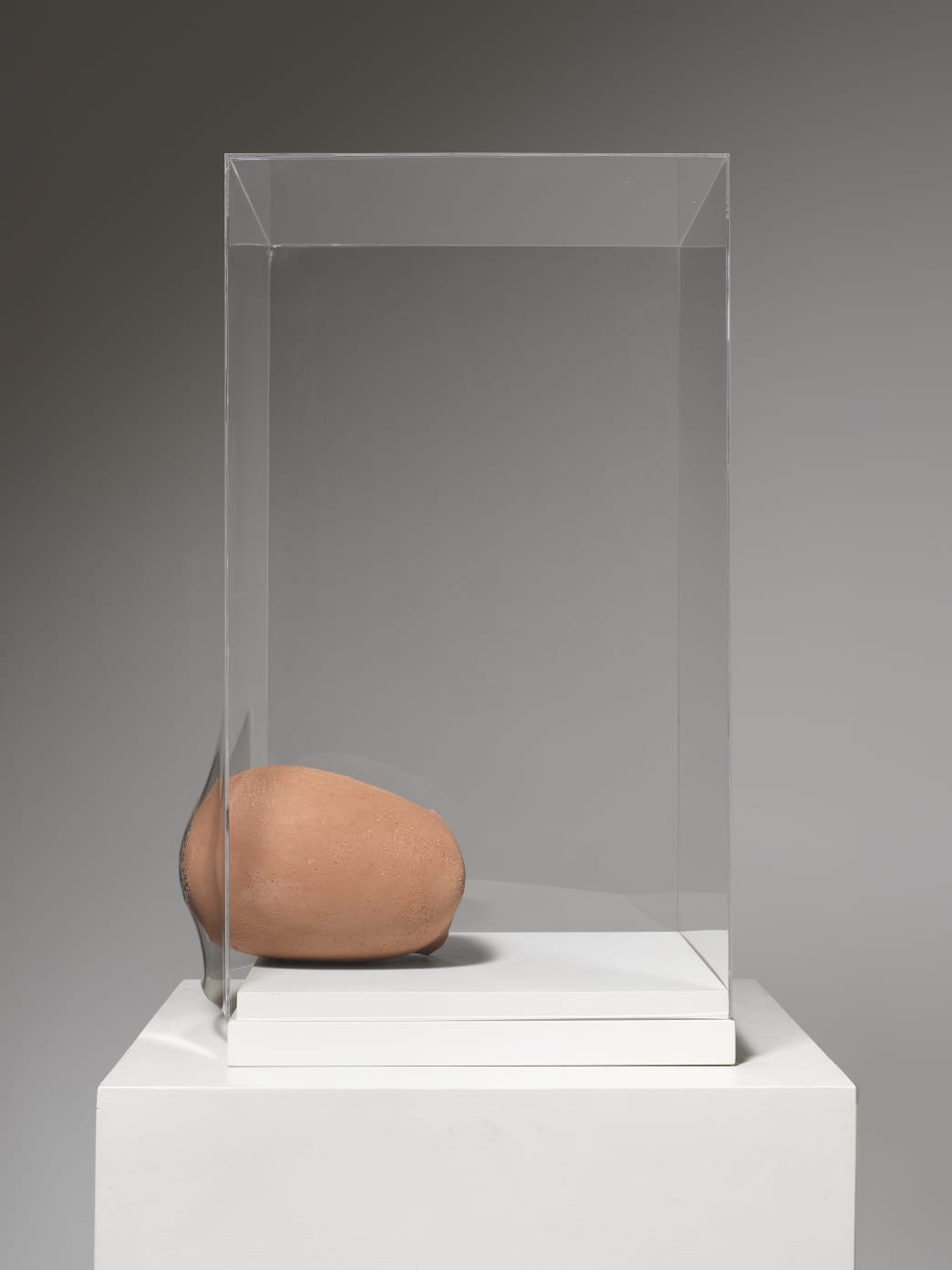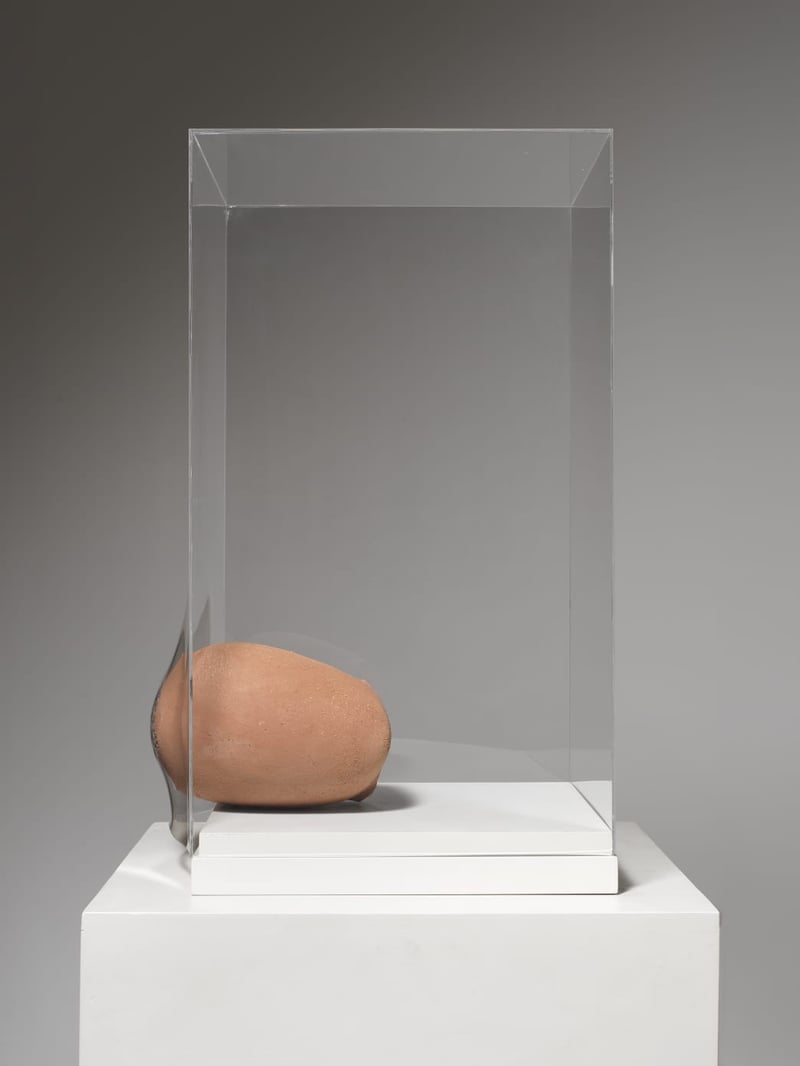
Jordi Alcaraz’s Autoretrat somiant (2026) is a mixed media work that exemplifies the artist’s ongoing investigation into material tension, absence, and spatial paradox. Produced in an edition of five and measuring 64 x 40 x 35 cm, the piece presents an organic, flesh-toned form confined within a transparent acrylic vitrine. The amorphous mass appears compressed against the inner wall, subtly deforming the rigid geometry of its enclosure. This interplay between fragile, malleable matter and the precise, minimalist box creates a visual dialogue about containment and resistance. Alcaraz often explores the boundaries between object and void, solidity and illusion; here, the sculpture suggests a body caught between presence and erasure, emphasizing the poetic friction between confinement and expansion.
Artwork Copyright © Jordi AlcarazJordi Alcaraz (Spain, 1963) is a Catalan artist blending painting, sculpture, and drawing into poetic, conceptual works. Using materials like glass, mirrors, and books, he explores themes of time, space, and language, often distorting surfaces to challenge perception. Alcaraz's art has been exhibited internationally, reflecting his unique approach to abstraction and materiality.
Artwork Copyright © Jordi AlcarazAutoretrat somiant, 2026
Form
Medium
Size
- Inches
- Centimeters
Edition
Price
- USD
- EUR
- GBP
- CHF
- Authenticity Guaranteed
- Insured Shipping
- Online Since 2005
●Inventory 16633
●Signed
●Comes with gallery invoice and certificate
●Sell Us a Similar Artwork. Learn more.
Jordi Alcaraz’s Autoretrat somiant (2026) is a mixed media work that exemplifies the artist’s ongoing investigation into material tension, absence, and spatial paradox. Produced in an edition of five and measuring 64 x 40 x 35 cm, the piece presents an organic, flesh-toned form confined within a transparent acrylic vitrine. The amorphous mass appears compressed against the inner wall, subtly deforming the rigid geometry of its enclosure. This interplay between fragile, malleable matter and the precise, minimalist box creates a visual dialogue about containment and resistance. Alcaraz often explores the boundaries between object and void, solidity and illusion; here, the sculpture suggests a body caught between presence and erasure, emphasizing the poetic friction between confinement and expansion.
Artwork Copyright © Jordi AlcarazJordi Alcaraz (Spain, 1963) is a Catalan artist blending painting, sculpture, and drawing into poetic, conceptual works. Using materials like glass, mirrors, and books, he explores themes of time, space, and language, often distorting surfaces to challenge perception. Alcaraz's art has been exhibited internationally, reflecting his unique approach to abstraction and materiality.
Artwork Copyright © Jordi Alcaraz- Recently Added
- Price (Low-High)
- Price (High-Low)
- Year (Low-High)
- Year (High-Low)
Jordi Alcaraz
Autoretrat somiant, 2026
Sculpture / Object
Mixed Media
EUR 6,500
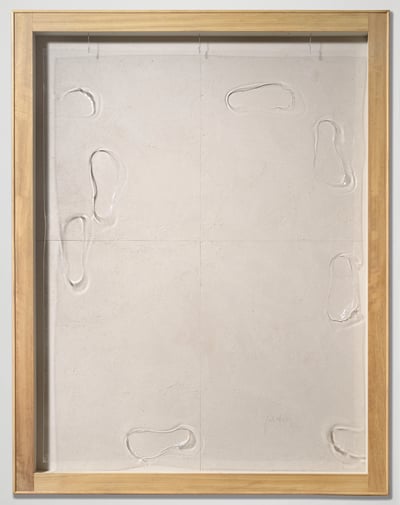
Jordi Alcaraz
Autoretrat caminant, 2026
Sculpture / Object
Mixed Media
EUR 10,000
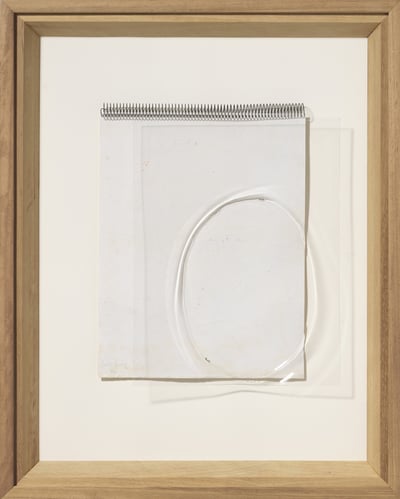
Jordi Alcaraz
Sense títol I, 2024
Limited Edition Print
Mixed Media
Currently Not Available
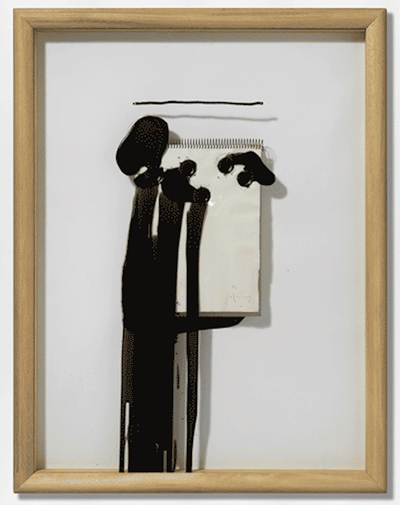
Jordi Alcaraz
Formes d’escriure (I), 2022
Limited Edition Print
Mixed Media
Currently Not Available
Related Artists
Related Articles
Popular, Art Movements - November 20, 2024
Understanding Abstract Expressionism: Emotion and Gesture
Explore the emotional depth of Abstract Expressionism! Discover how artists like Pollock and Rothko used gesture and color to convey human complexity.Read More
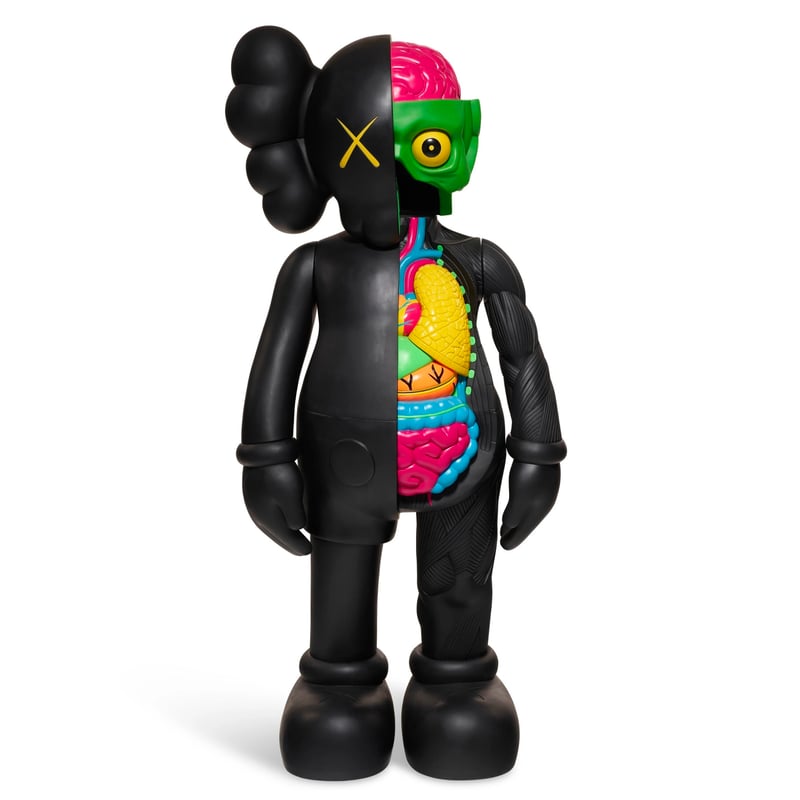
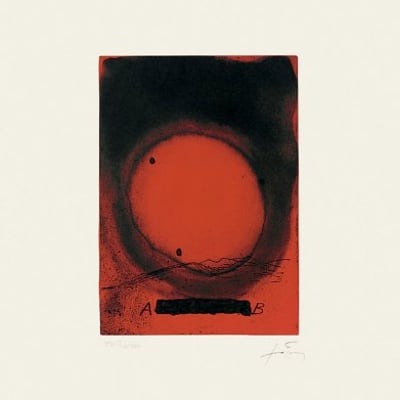
Artwork by Antoni Tapies
What is Arte Povera?
A movement and style in art that originated in Italy during the 1960s. It integrates elements of minimalism, performance art, and conceptual art by using everyday or seemingly worthless materials, such as newspapers, stones, or rags. The goal was to challenge and subvert the commercialization of art.