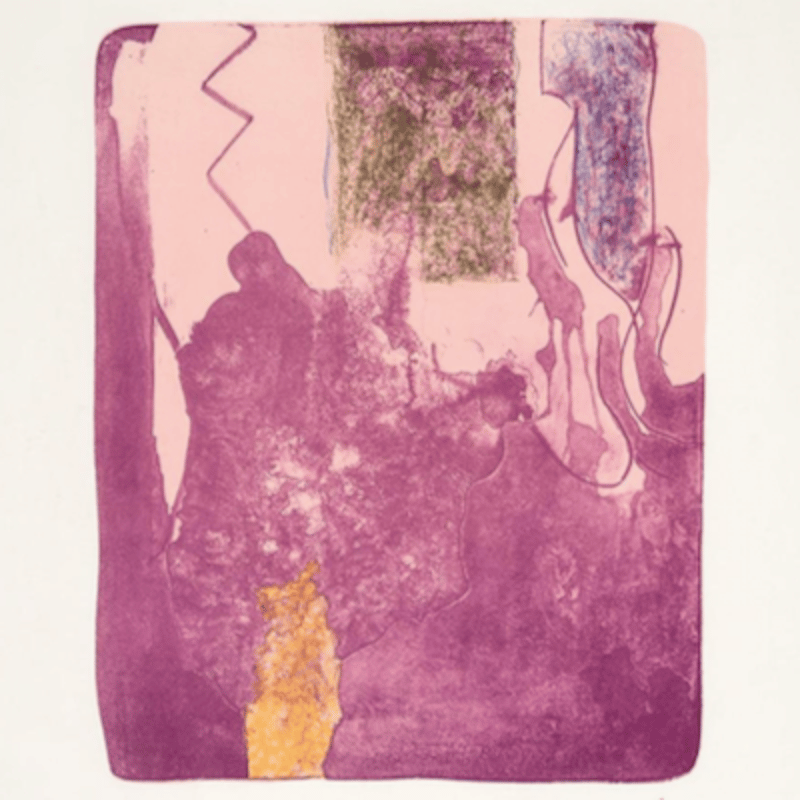
What is abstract expressionism?
- Show All
- Established
- Discoveries
- Show All
Artworks Related to Abstract expressionism
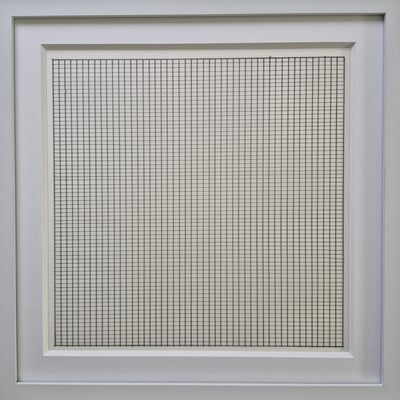
Agnes Martin
Untitled 2 (from Paintings and Drawings: 1974-1990), 1991
Limited Edition Print
Lithograph
EUR 2,000
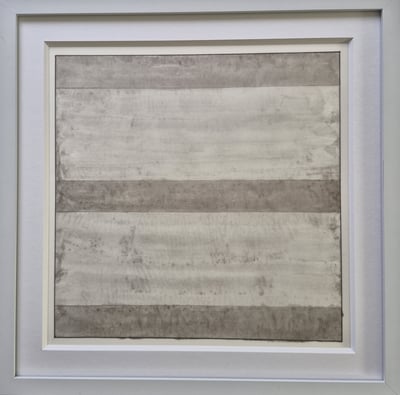
Agnes Martin
Untitled 1 (from Paintings and Drawings: 1974-1990), 1991
Limited Edition Print
Lithograph
EUR 2,000
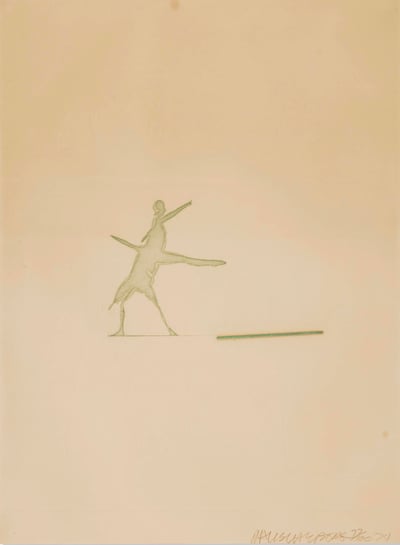
Robert Rauschenberg
Cunningham Relief (from the Merce Cunningham portfolio), 1974-75
Limited Edition Print
Embossing
Inquire For Price
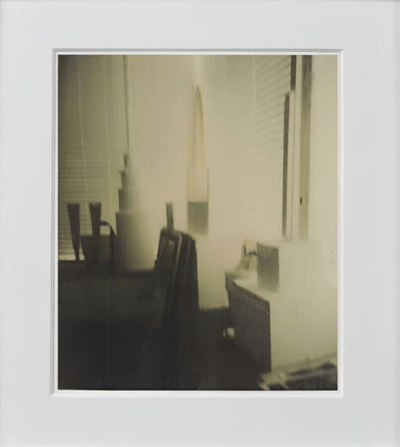
Cy Twombly
Studio Lexington, 2008
Limited Edition Print
Drypoint
EUR 4,800
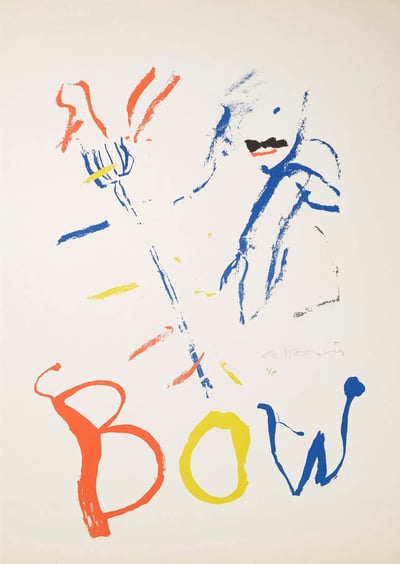
Willem de Kooning
Rainbow: Thelonious Monk Devil at the Keyboard, 1972/76
Limited Edition Print
Lithograph
Currently Not Available
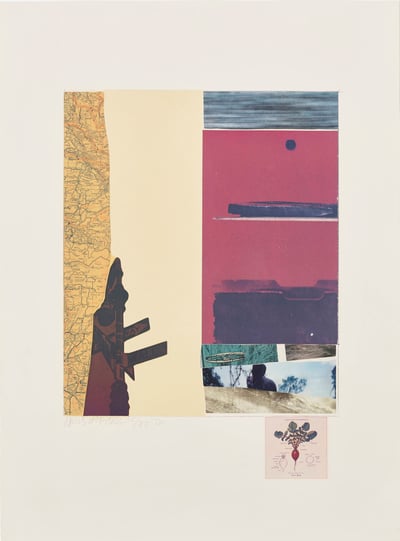
Robert Rauschenberg
XI (from Horsefeathers Thirteen), 1972
Limited Edition Print
Mixed Media
Inquire For Price
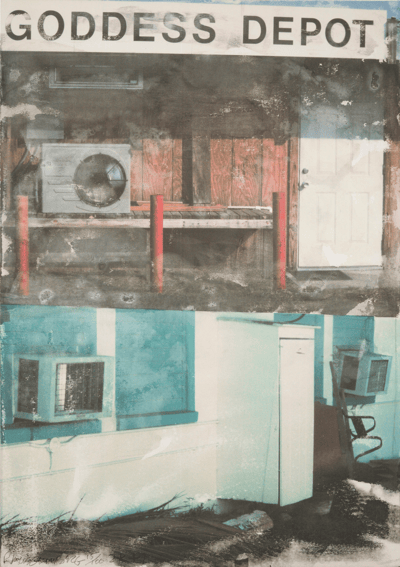
Robert Rauschenberg
In Transit (Goddess Depot), 2001
Limited Edition Print
Lithograph
USD 6,600
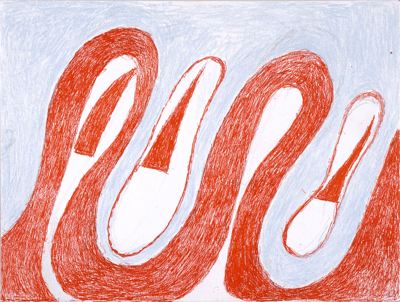
Louise Bourgeois
Untitled (Undulating Ribbon), 1997
Drawing / Watercolor
Mixed Media
Inquire For Price
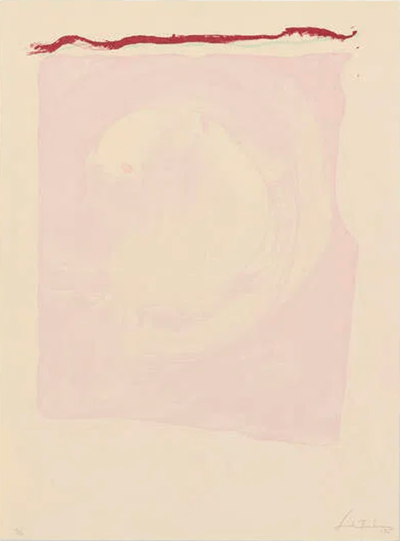
Helen Frankenthaler
Reflections IX, 1995
Limited Edition Print
Lithograph
USD 7,150
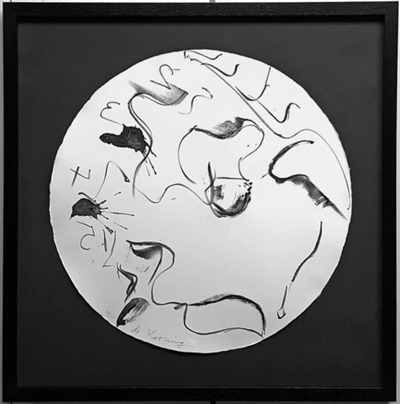
Willem de Kooning
Untitled from Self Portrait in a Convex Mirror, 1984
Limited Edition Print
Lithograph
Inquire For Price
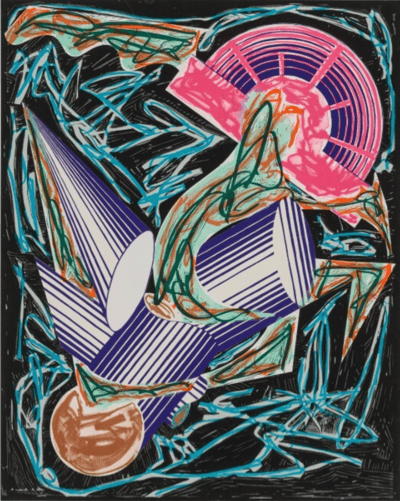
Frank Stella
Had Gadya: Front Cover, from Illustrations after El Lissitzky's Had Gadya, 1984
Limited Edition Print
Collage
USD 19,850
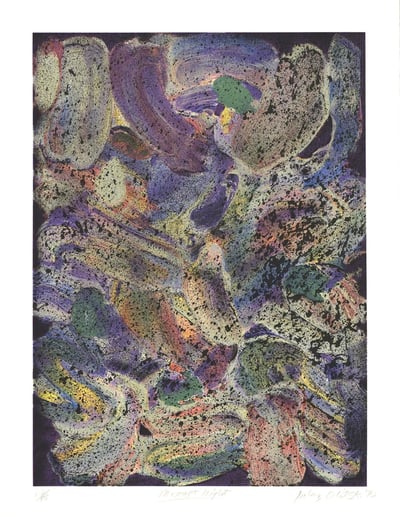
Jules Olitski
Mozart Night, 1992
Limited Edition Print
Silkscreen
USD 3,960

Jasper Johns
The Season, 1990
Limited Edition Print
Etching
USD 14,000 - 17,000

Allen Jones
Shoe Box, 1968
Sculpture / Object
Metal
GBP 7,000 - 10,000
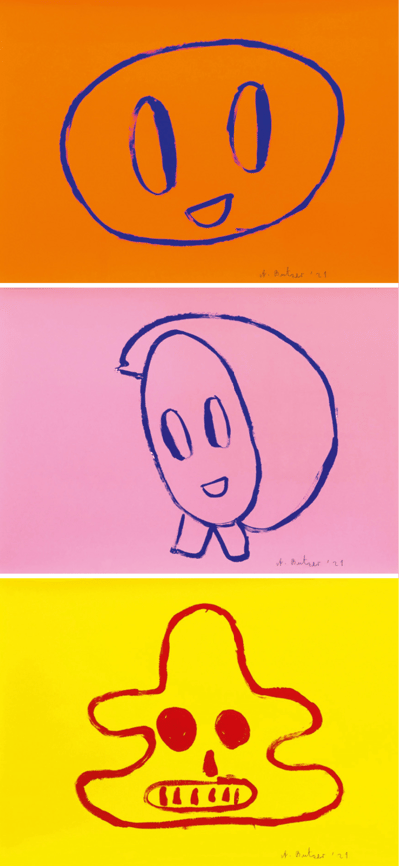
André Butzer
Untitled 1–3 (Suite of 3), 2021
Limited Edition Print
Screen-print
USD 10,800
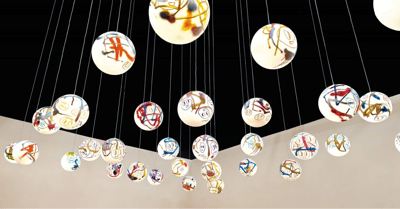
André Butzer
Pendant Light, 2021
Sculpture / Object
Mixed Media
USD 10,000 - 12,000
Related Articles
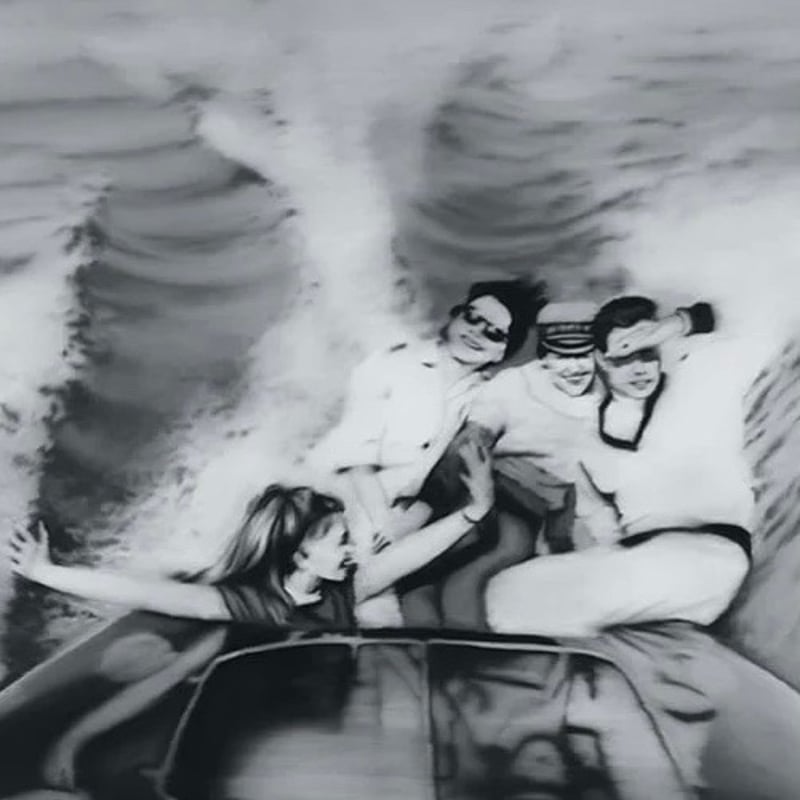
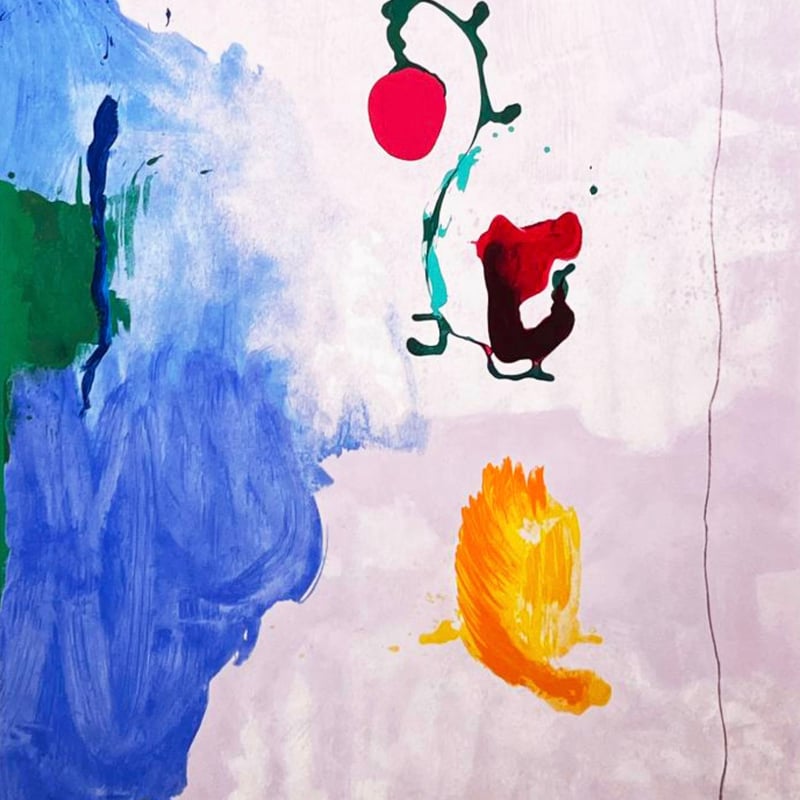
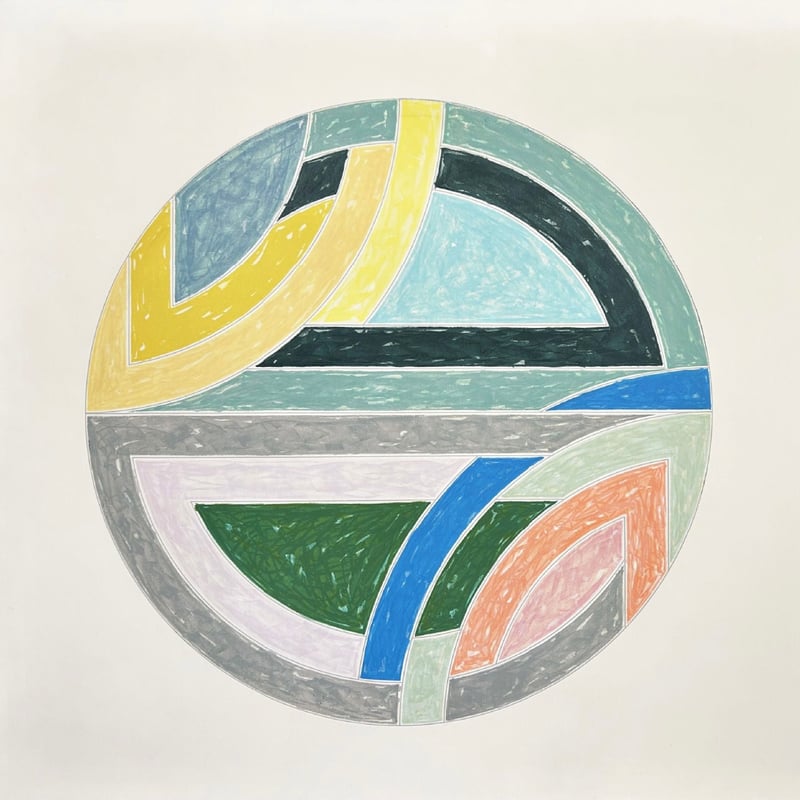

Wood is one of the most ancient and versatile materials used in creating art. It has served as a base for paintings, brush handles, pens, and pencils, as well as for easels, wood engraving, woodcut, woodblock printing, and sculpting. Various types of wood, such as oak, maple, and pine, are commonly used in these artistic applications.
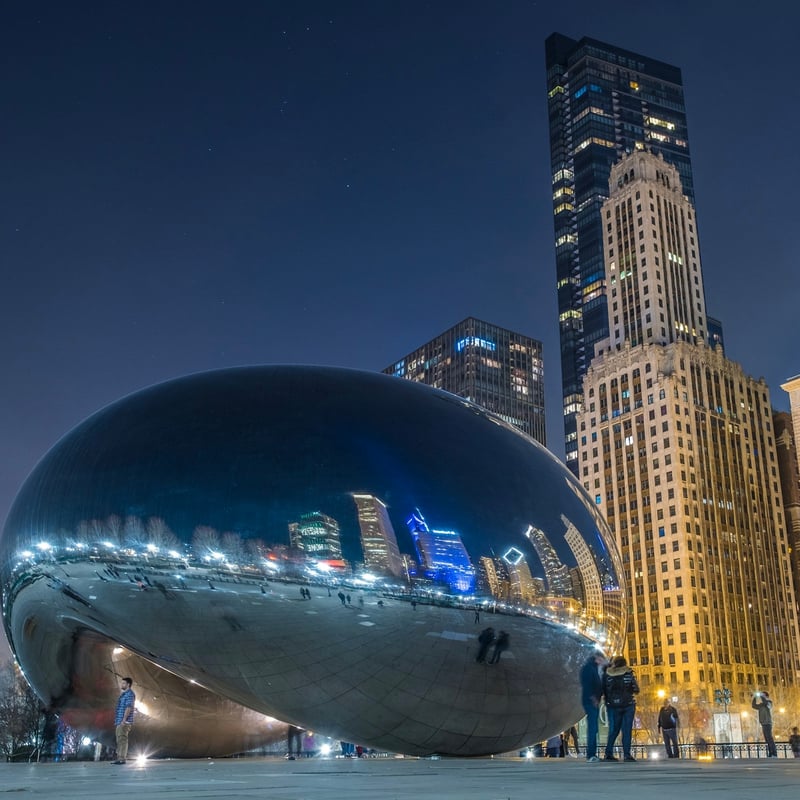
New British Sculpture is the name referring to the work produced by a group of sculptors, installation artists, and other creators who exhibited together in London during the 1980s. This group included artists like Richard Deacon, Richard Wentworth, and Tony Cragg. Tim Woods helped define this movement by identifying four major themes: the blending of kitsch and pop culture, the use of UK urban waste in a bricolage style, the assignment of new meanings to everyday objects, and a playful approach using wit and humor.
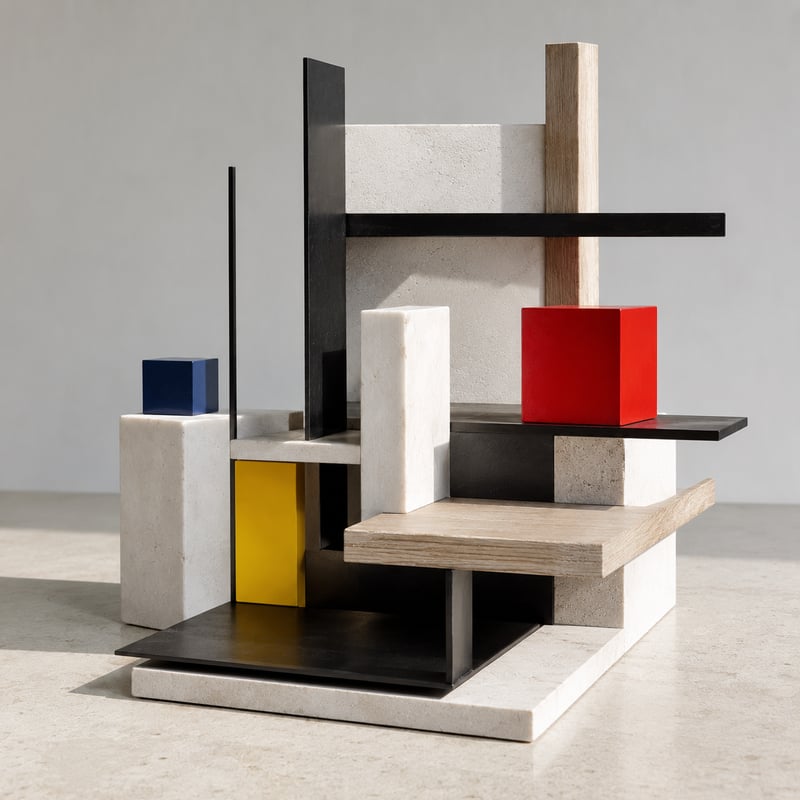
De Stijl, meaning The Style, was a group of Dutch artists who created abstract art based on strict adherence to vertical and horizontal geometry. The group was founded by Piet Mondrian and Theo van Doesburg in 1917. Mondrian eventually left De Stijl when Van Doesburg began incorporating diagonal geometry into his work, which Mondrian felt deviated from the group's principles.
Can't find your Answer?
Thank you! Your question has been sent — we'll get back to you shortly.
