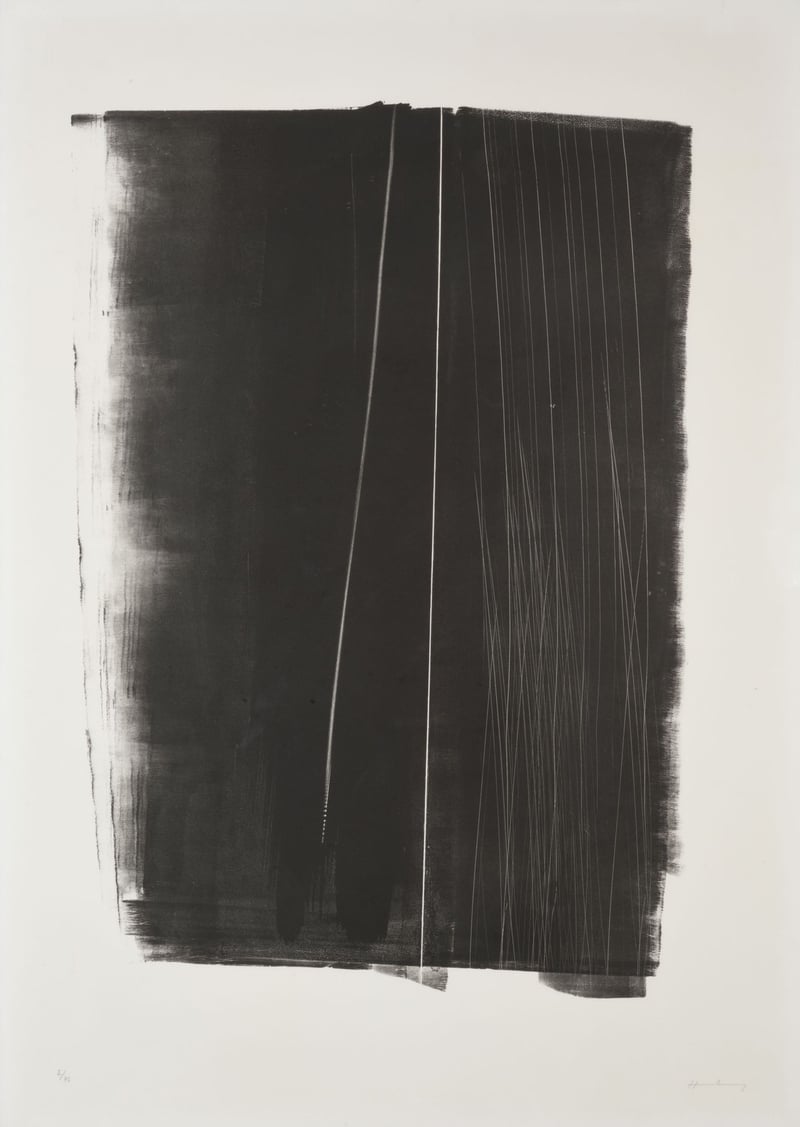
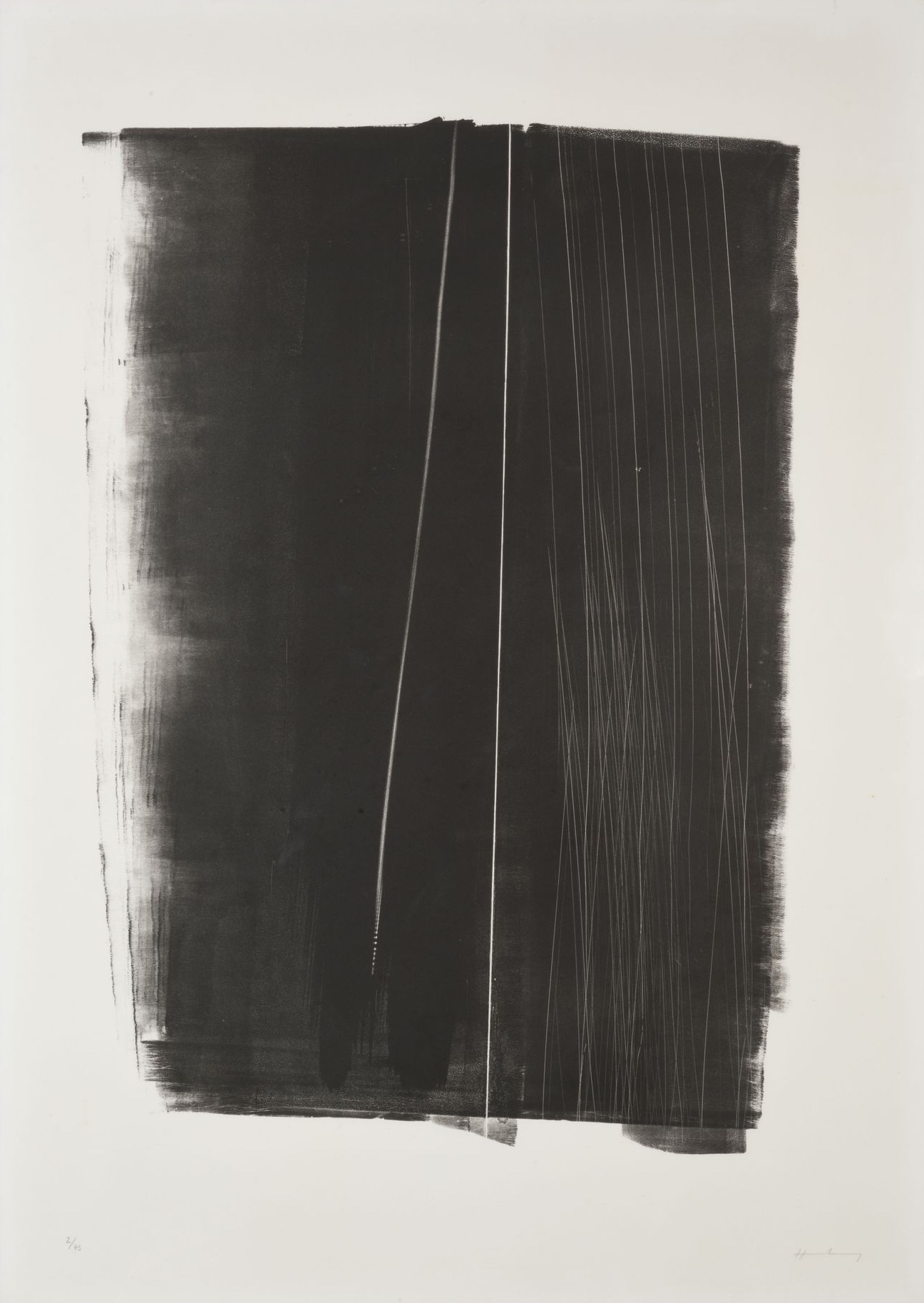
L 1973-46, 1973
Form
Medium
Size
- Inches
- Centimeters
Edition
Price
- USD
- EUR
- GBP
- CHF
- Authenticity Guaranteed
- Insured Shipping
- Online Since 2005
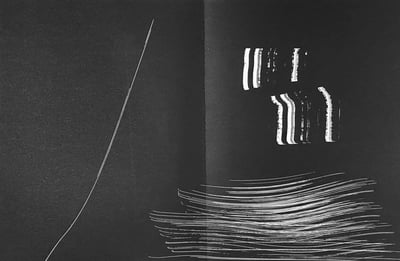
Hans Hartung
Lithograph X from Farandole, 1971
Limited Edition Print
Lithograph
USD 1,280
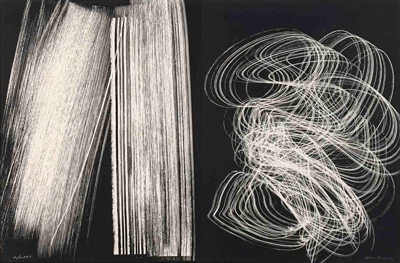
Hans Hartung
Farandole V, L-1970-5, 1970
Limited Edition Print
Lithograph
EUR 1,700
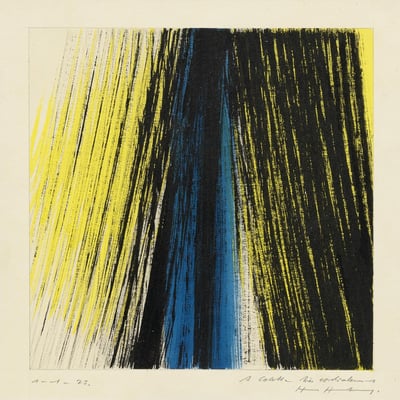
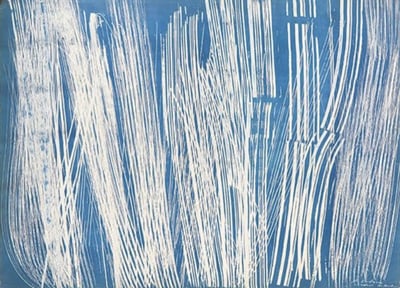
Hans Hartung
KP1972-3, 1972
Painting
Acrylic on paper
Inquire For Price
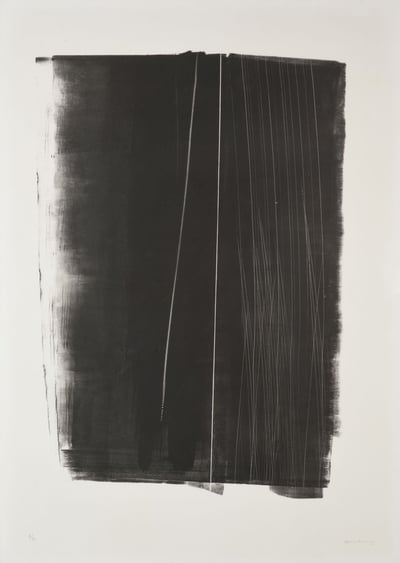
Hans Hartung
G 1970-21, 1970
Limited Edition Print
Etching
EUR 6,500
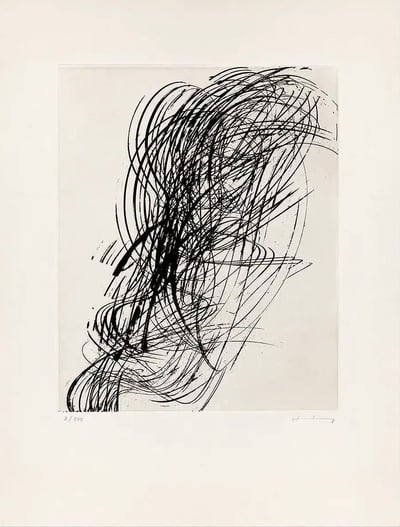
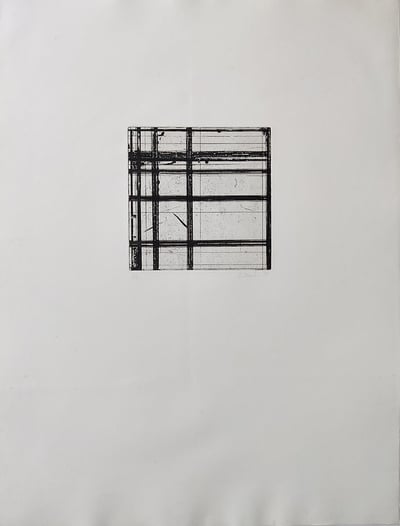
Hans Hartung
L 1973-46, 1973
Limited Edition Print
Lithograph
EUR 1,850
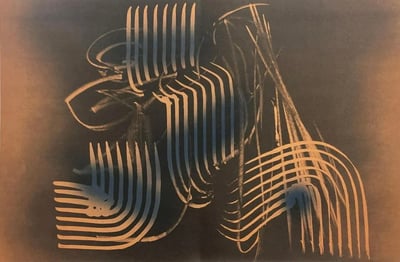
Hans Hartung
G 1973-2, 1973
Limited Edition Print
Etching
EUR 2,250
Hans Hartung
Lithograph V from Farandole, 1971
Limited Edition Print
Lithograph
USD 1,280
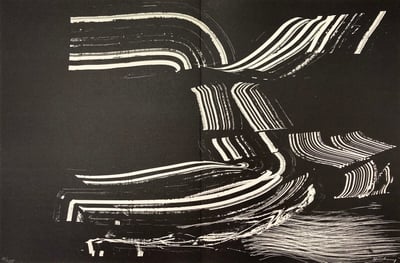
Hans Hartung
Lithograph XII from Farandole, 1971
Limited Edition Print
Lithograph
USD 1,280

Hans Hartung
Las Estampas de la Cometa 5, 1971
Limited Edition Print
Etching
EUR 1,550
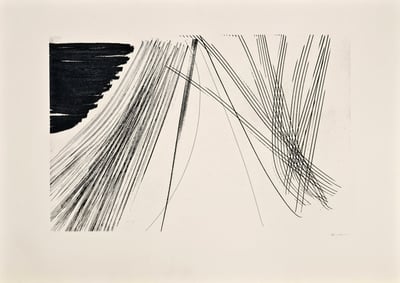
Hans Hartung
Las Estampas de la Cometa 4, 1971
Limited Edition Print
Etching
EUR 1,550

Hans Hartung
Las Estampas de la Cometa 1, 1971
Limited Edition Print
Etching
EUR 1,550
Related Artists

Related Articles
Popular, Art Movements - November 20, 2024
Understanding Abstract Expressionism: Emotion and Gesture
Explore the emotional depth of Abstract Expressionism! Discover how artists like Pollock and Rothko used gesture and color to convey human complexity.Read More
Popular, News, Artists, Collecting - August 12, 2026
In Minor Keys: Finding Intimacy and Identity at the 61st Venice Biennale — and in Your Collection
Explore how Koyo Kouoh’s 61st Venice Biennale vision, In Minor Keys, is shifting contemporary collecting toward quiet introspection, memory, and personal identity.Read More
What is abstract expressionism?
Abstract Expressionism is an art movement that emerged in the United States during the 1940s and 1950s. Characterized by large, abstract canvases, the movement emphasized spontaneous, expressive brushwork and the use of color and form to convey emotion rather than represent reality. Artists like Jackson Pollock, Mark Rothko, and Willem de Kooning are key figures in this movement. Abstract Expressionism marked a shift in the art world, making New York City a center of the international art scene.
Hans Hartung
L 1973-46, 1973
105 x 75 cm


