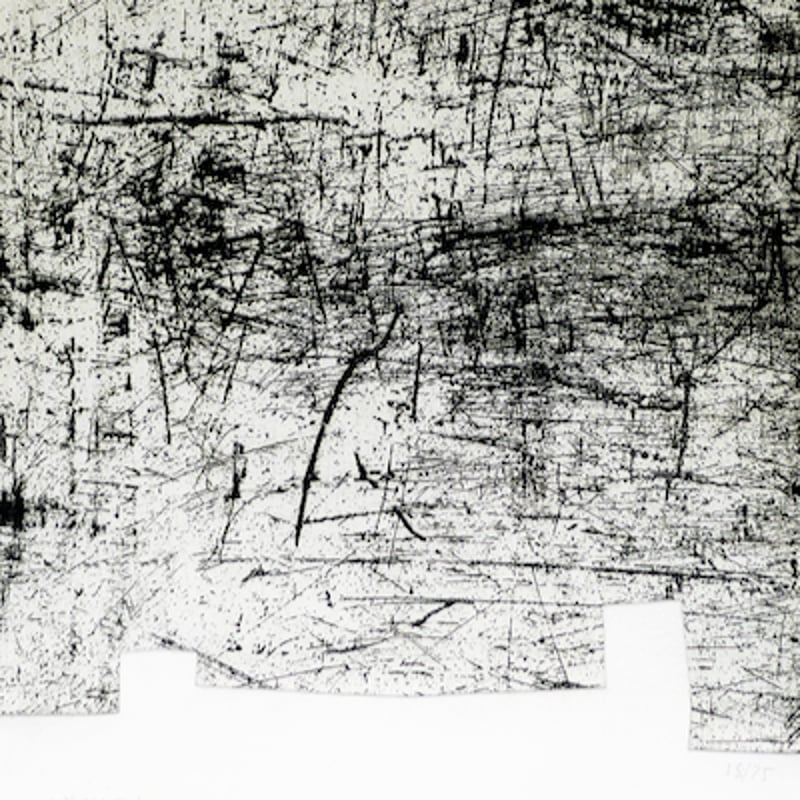
What is abstract art?
- Show All
- Established
- Discoveries
- Show All
Artworks Related to Abstract art
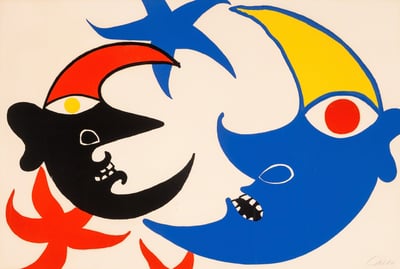
Alexander Calder
Les Deux Lues, 1974
Limited Edition Print
Lithograph
USD 7,500
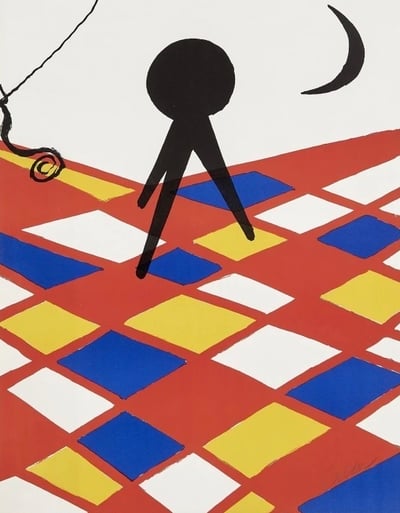
Alexander Calder
Tabouret Et Trois Pieds, 1969
Limited Edition Print
Lithograph
USD 6,250
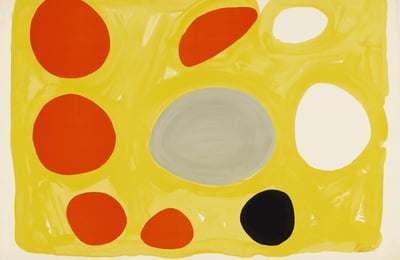
Alexander Calder
Grey Oval (Flat Mobile), 1974/1975
Limited Edition Print
Lithograph
USD 7,300
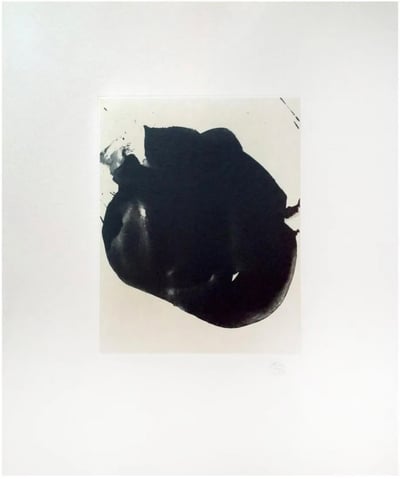
Robert Motherwell
Nocturne II (from Octavio Paz suit), 1988
Limited Edition Print
Lithograph
USD 2,990
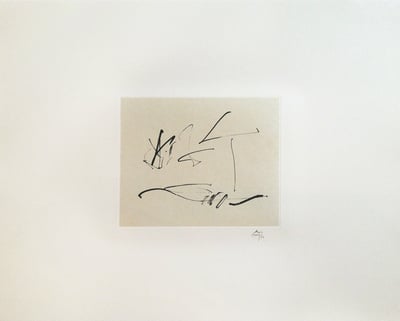
Robert Motherwell
Wind (from Octavio Paz suite), 1988
Limited Edition Print
Lithograph
Currently Not Available
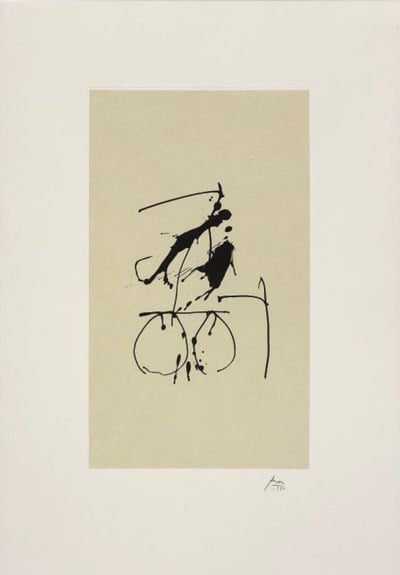
Robert Motherwell
Untitled B423 (from Octavio Paz suit), 1988
Limited Edition Print
Lithograph
USD 2,990
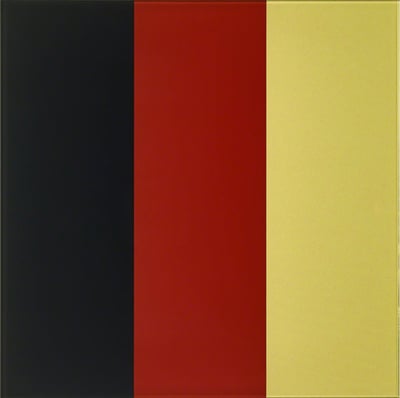
Gerhard Richter
Schwarz-Rot-Gold IV, 2015
Limited Edition Print
Silkscreen
Currently Not Available
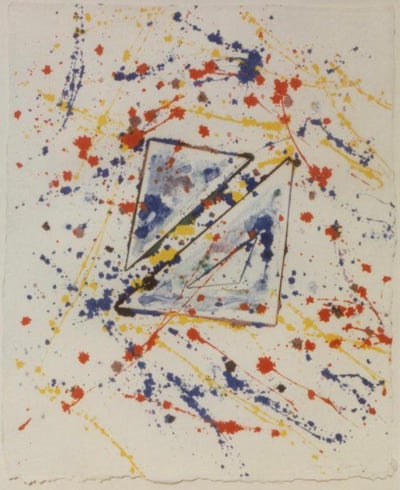
Sam Francis
In, On and Of paper, #1, 1977
Drawing / Watercolor
Mixed Media
USD 32,000 - 36,000

Frank Stella
Double grey scramble (AXSOM 93), 1973
Limited Edition Print
Screen-print
Currently Not Available
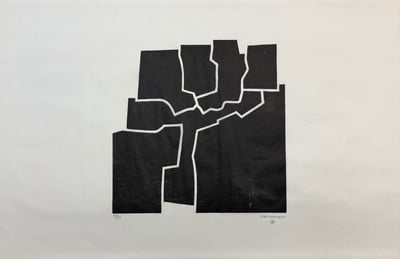
Eduardo Chillida
Beltza V, 1969
Limited Edition Print
Woodcut
EUR 6,250

Eduardo Chillida
Beltza IV, 1969
Limited Edition Print
Woodcut
EUR 6,250
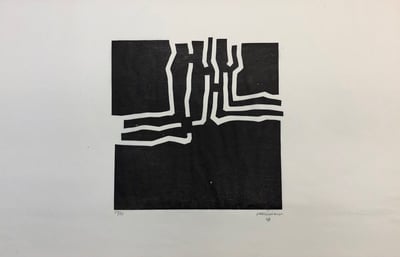
Eduardo Chillida
Beltza III, 1969
Limited Edition Print
Woodcut
EUR 6,250

Eduardo Chillida
Beltza II, 1969
Limited Edition Print
Woodcut
EUR 6,250
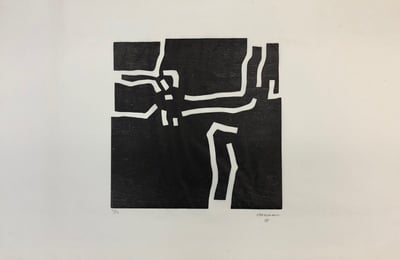
Eduardo Chillida
Beltza I, 1969
Limited Edition Print
Woodcut
EUR 6,250
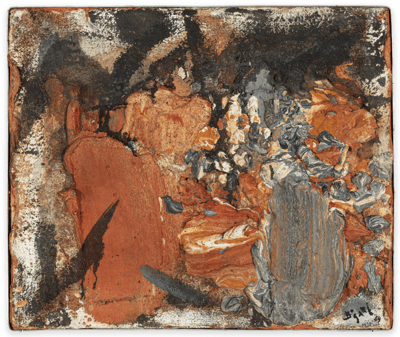
Bram Bogart
Extase, 1958 - 59
Painting
Mixed Media
Make Your Offer
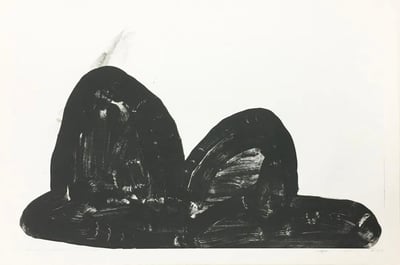
Joel Shapiro
Untitled 1980-1982 II, 1982
Limited Edition Print
Etching and Aquatint
USD 1,650
Related Articles
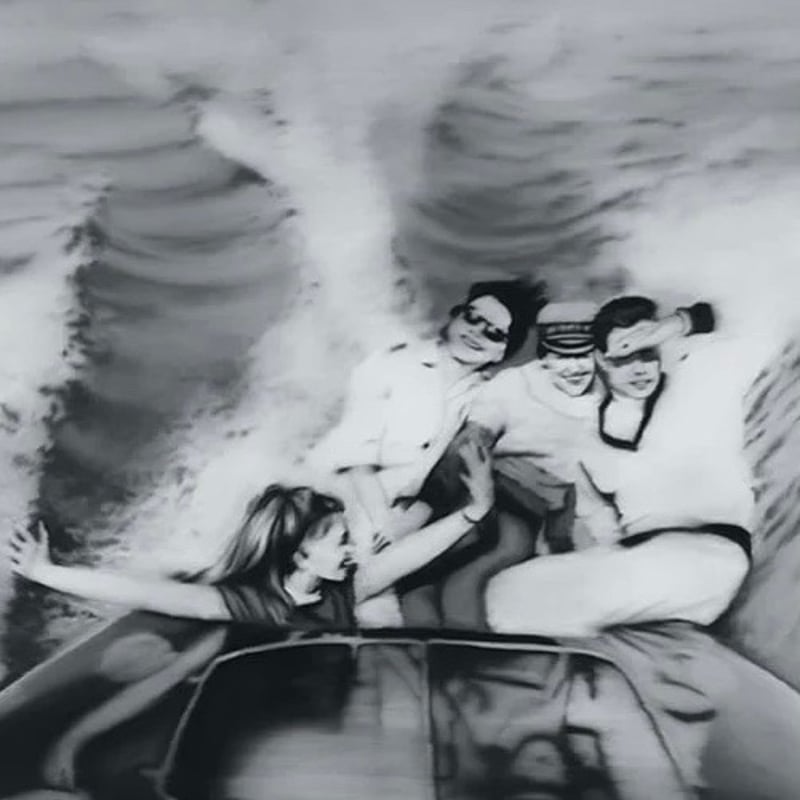
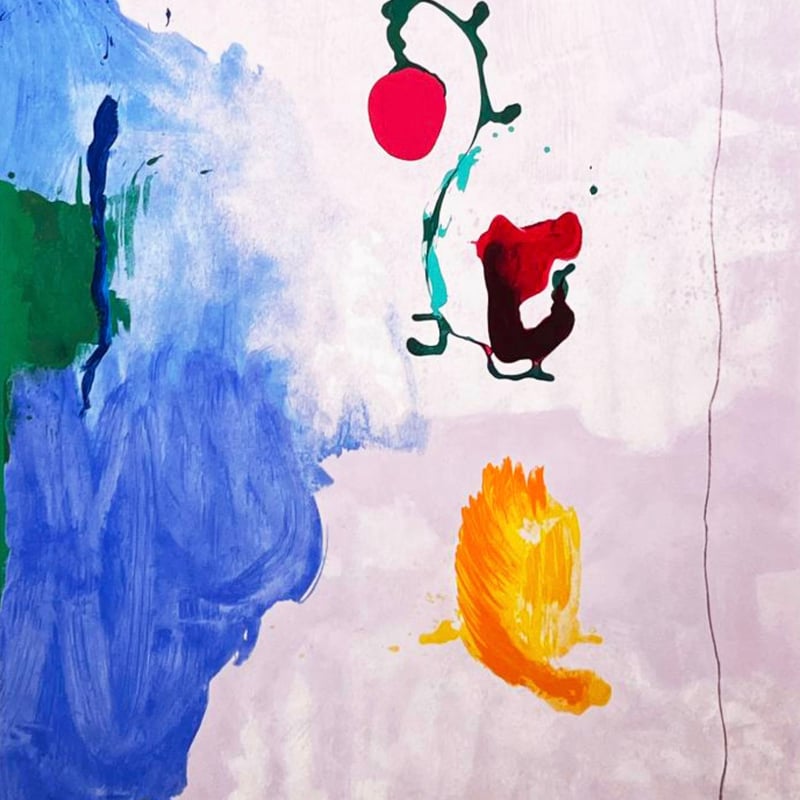
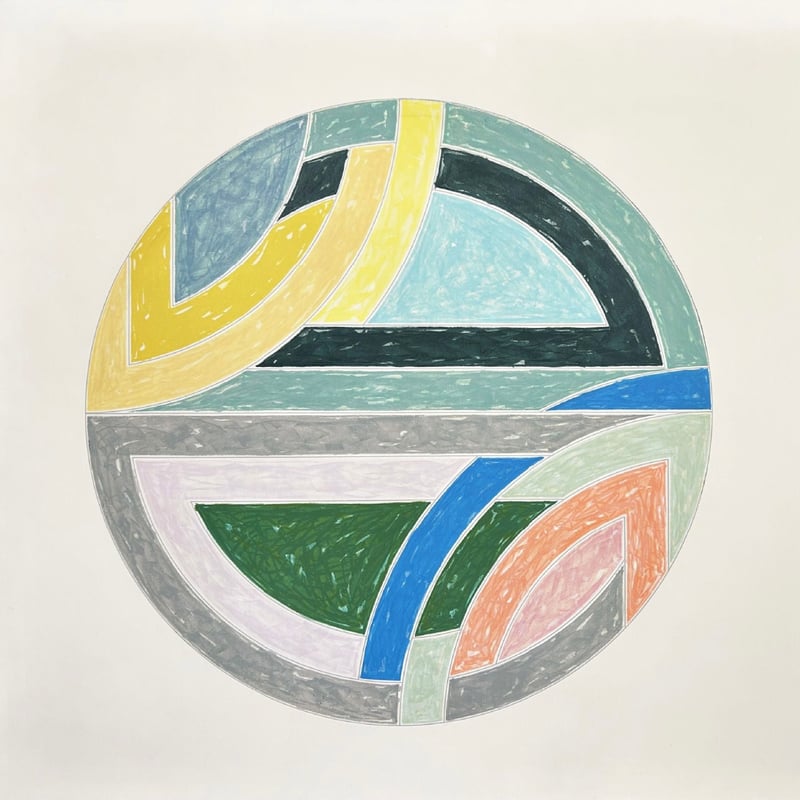
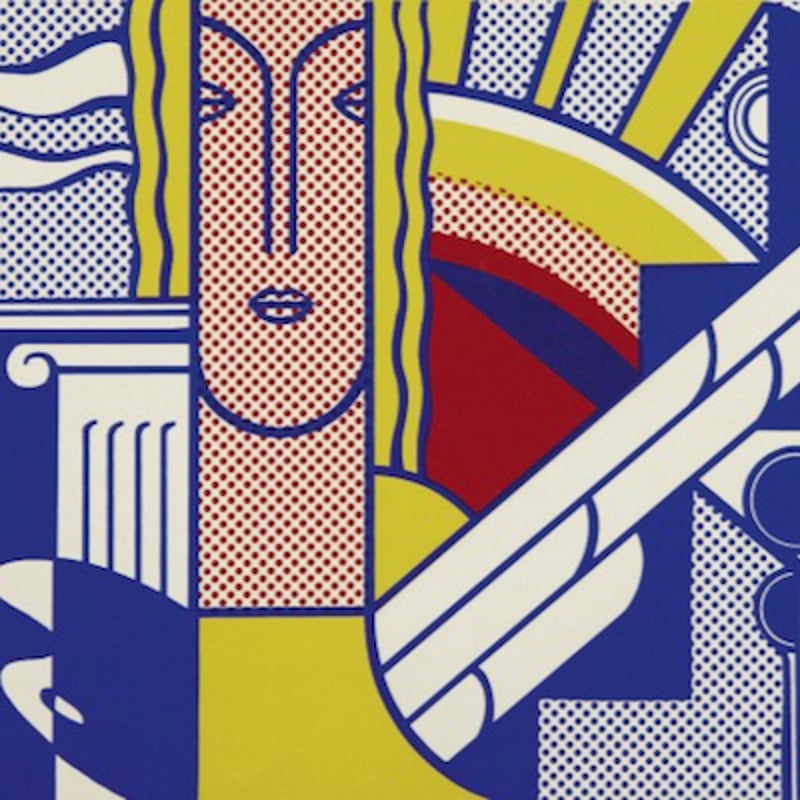
Late Modernism refers to the continuation and evolution of Modernist principles in art, architecture, and literature from the mid-20th century into the late 20th century. This movement maintains a focus on form, abstraction, and the rejection of traditional styles, but it often incorporates more complexity and ambiguity compared to early Modernism. Late Modernism explores themes such as alienation, identity, and the fragmentation of reality, reflecting the social and cultural shifts of the post-war period. It is seen in the works of architects like Louis Kahn and artists like Francis Bacon, who pushed the boundaries of Modernism while responding to the changing world around them.

Acrylic on canvas is a technique where acrylic paint is applied to a canvas surface using tools like brushes and palette knives. Acrylic paint is a synthetic medium made from liquid plastic, which can be thinned with water and dries quickly when exposed to air. This fast-drying quality makes it versatile for layering and various painting techniques.
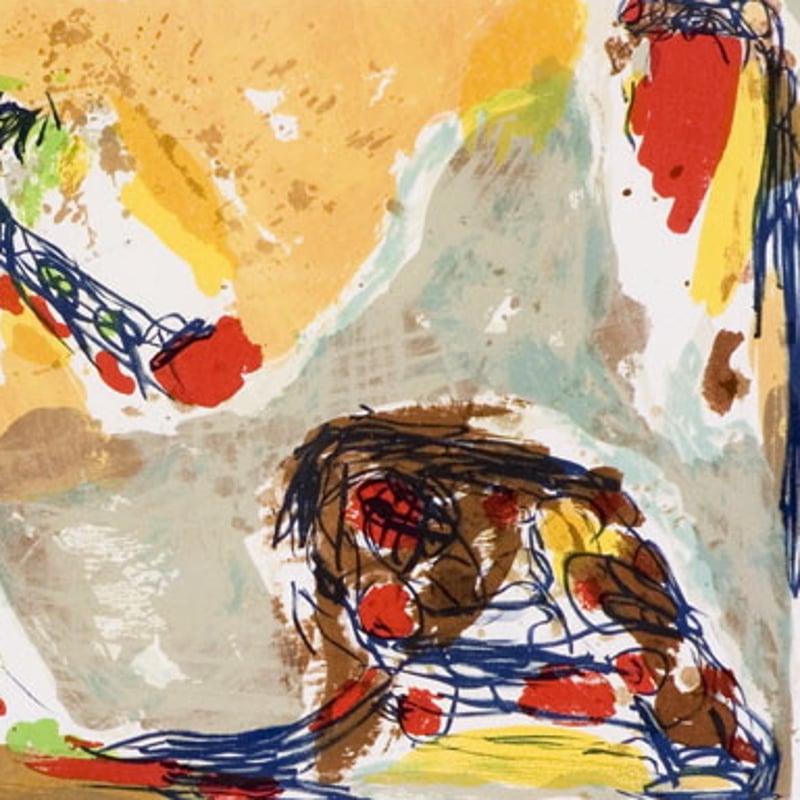
Situationism is a psychological theory that gained prominence in 1968, following the publication of a monograph by Walter Mischel that sparked the Person-situation debate. This theory argues that behavior is primarily influenced by external situational factors rather than internal traits or motivations, challenging the ideas of trait theorists like Raymond B. Cattell and Hans Eysenck, who emphasized stable personality traits. It is important not to confuse this with the Situationist International movement, an artistic and political movement founded by Asger Jorn, which focused on the critique of modern consumer society and the influence of environments on human behavior.
Can't find your Answer?
Thank you! Your question has been sent — we'll get back to you shortly.
