What is abstract art?
- Show All
- Established
- Discoveries
- Show All
Artworks Related to Abstract art
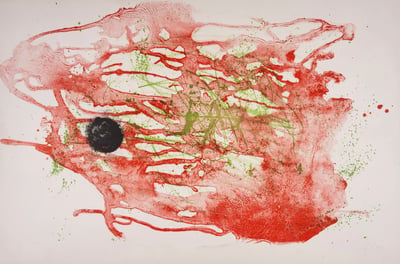
Joan Miró
Series I, red wash, 1961
Limited Edition Print
Lithograph
USD 5,310
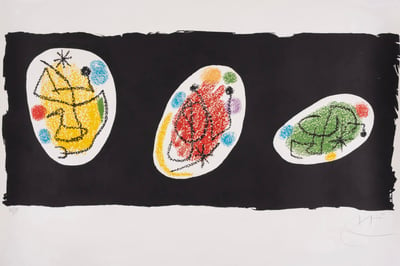
Joan Miró
For XXe siècle no.31, 1968
Limited Edition Print
Lithograph
USD 4,750
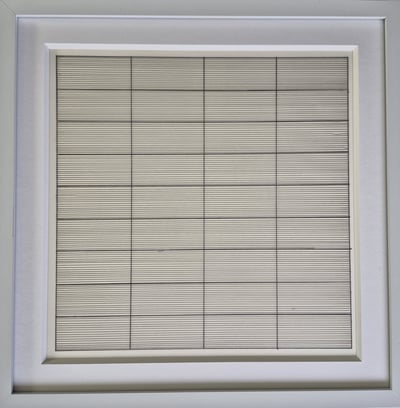
Agnes Martin
Untitled 10 (from Paintings and Drawings: 1974-1990), 1991
Limited Edition Print
Lithograph
EUR 2,000
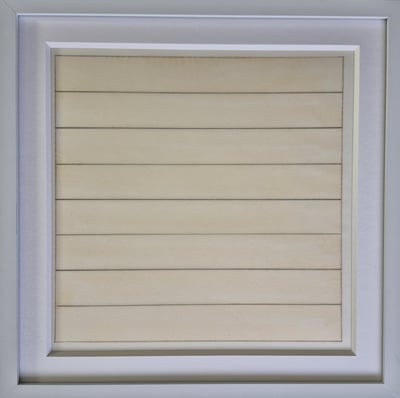
Agnes Martin
Untitled 9 (from Paintings and Drawings: 1974-1990), 1991
Limited Edition Print
Lithograph
EUR 2,000
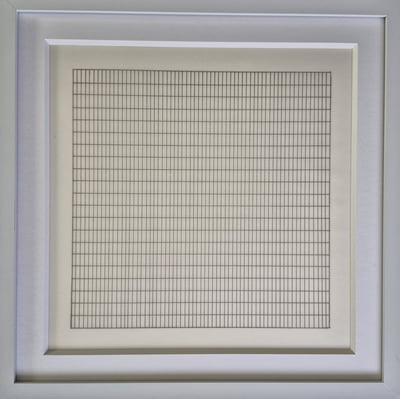
Agnes Martin
Untitled 8 (from Paintings and Drawings: 1974-1990), 1991
Limited Edition Print
Lithograph
EUR 2,000
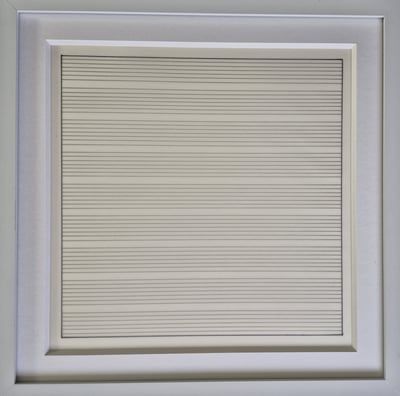
Agnes Martin
Untitled 7 (from Paintings and Drawings: 1974-1990), 1991
Limited Edition Print
Lithograph
EUR 2,000
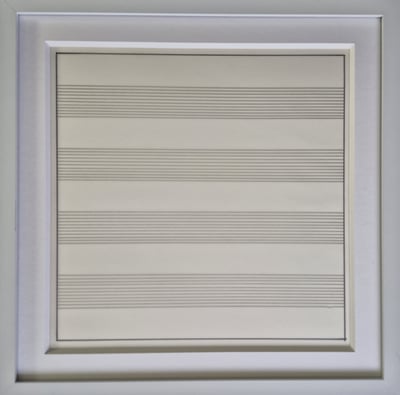
Agnes Martin
Untitled 6 (from Paintings and Drawings: 1974-1990), 1991
Limited Edition Print
Lithograph
EUR 2,000
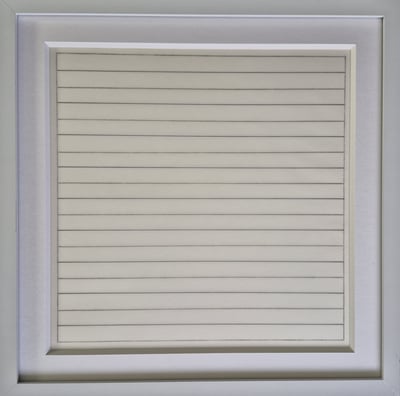
Agnes Martin
Untitled 5 (from Paintings and Drawings: 1974-1990), 1991
Limited Edition Print
Lithograph
EUR 2,000
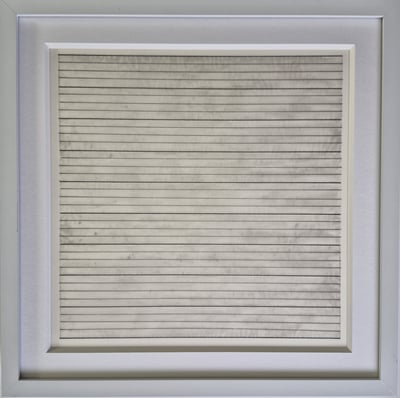
Agnes Martin
Untitled 4 (from Paintings and Drawings: 1974-1990), 1991
Limited Edition Print
Lithograph
EUR 2,000
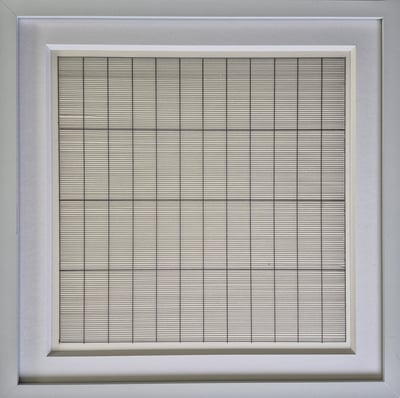
Agnes Martin
Untitled 3 (from Paintings and Drawings: 1974-1990), 1991
Limited Edition Print
Lithograph
EUR 2,000
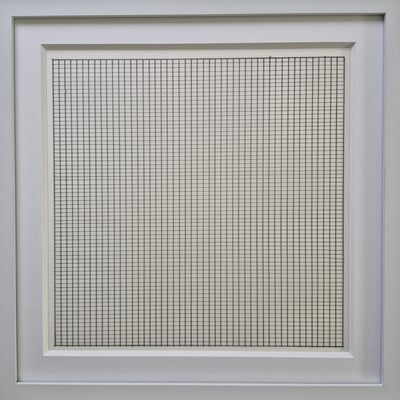
Agnes Martin
Untitled 2 (from Paintings and Drawings: 1974-1990), 1991
Limited Edition Print
Lithograph
EUR 2,000
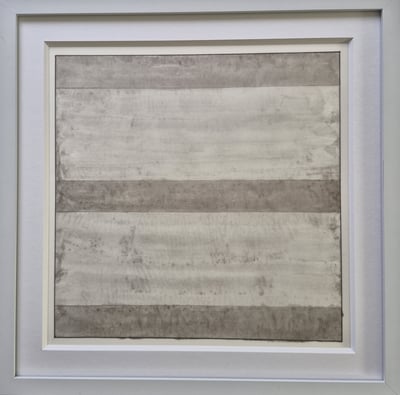
Agnes Martin
Untitled 1 (from Paintings and Drawings: 1974-1990), 1991
Limited Edition Print
Lithograph
EUR 2,000
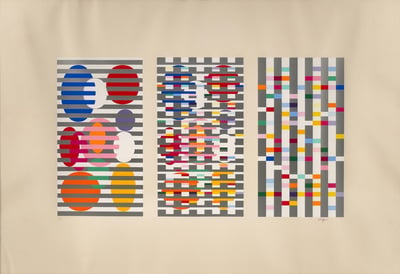
Yaacov Agam
Composition 2, c. 1970-80
Limited Edition Print
Screen-print
USD 890
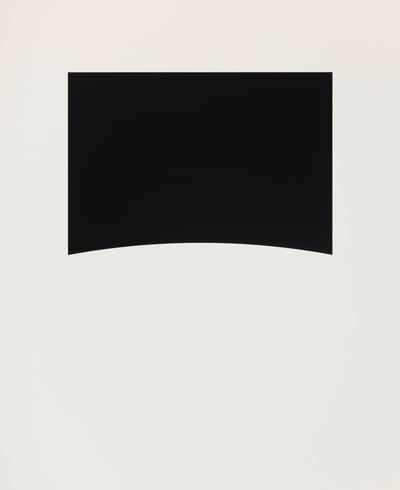
Ellsworth Kelly
Conques (from the Third Curve series), 1976
Limited Edition Print
Lithograph
USD 7,390
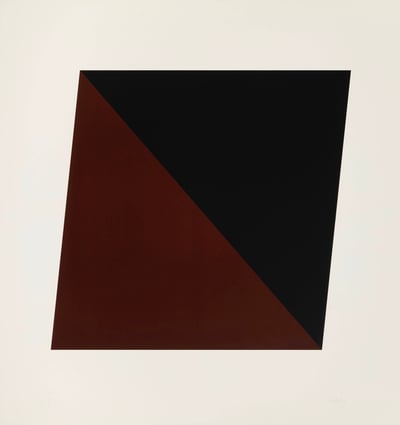
Ellsworth Kelly
Black/Brown, 1970–72
Limited Edition Print
Lithograph
USD 7,390
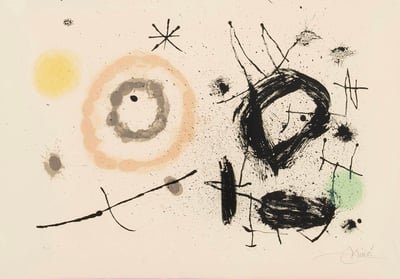
Joan Miró
Untitled (from the Bouquet de rêves pour Neila portfolio), 1967
Limited Edition Print
Lithograph
USD 3,060
Related Articles
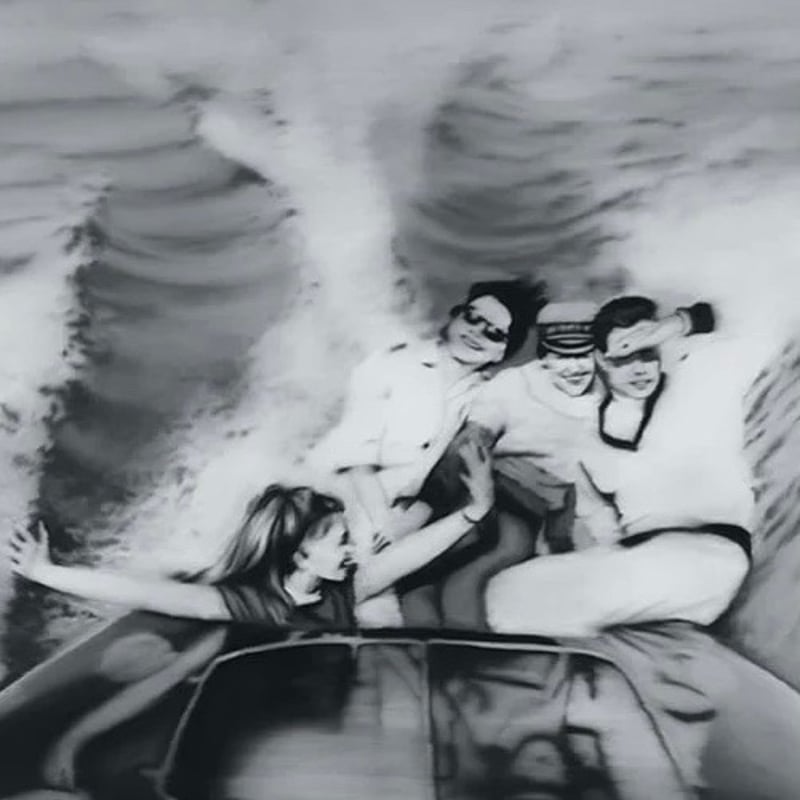

The Düsseldorf School of Photography refers to a group of photographers who studied under Bernd and Hilla Becher at the Kunstakademie Düsseldorf during the 1970s. This group was known for its devotion to the black-and-white industrial images characteristic of the German tradition known as New Objectivity. The photographers focused on precise, methodical documentation of industrial structures, often using a detached and objective approach.
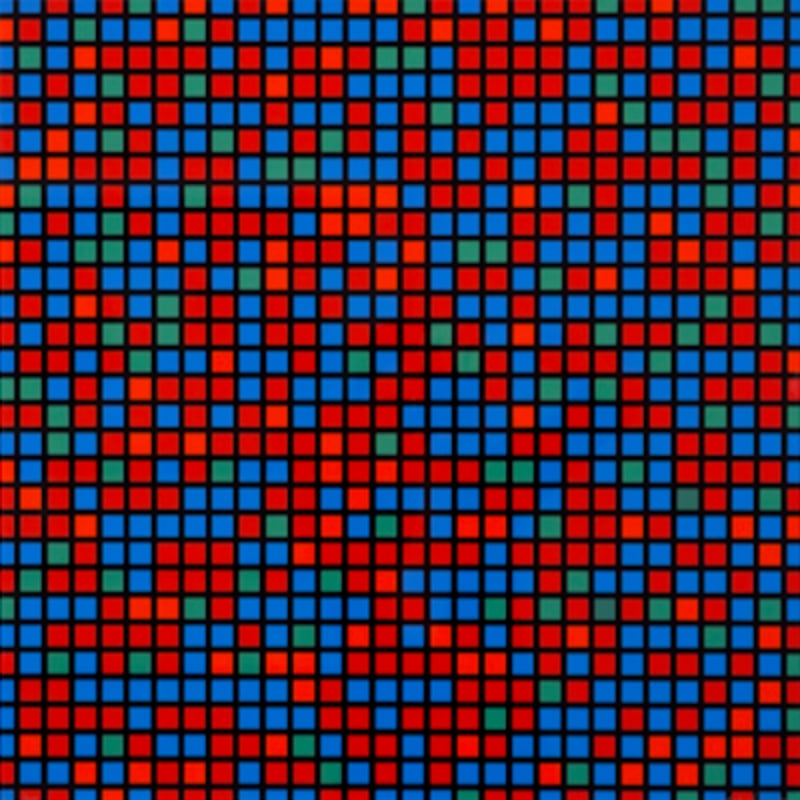
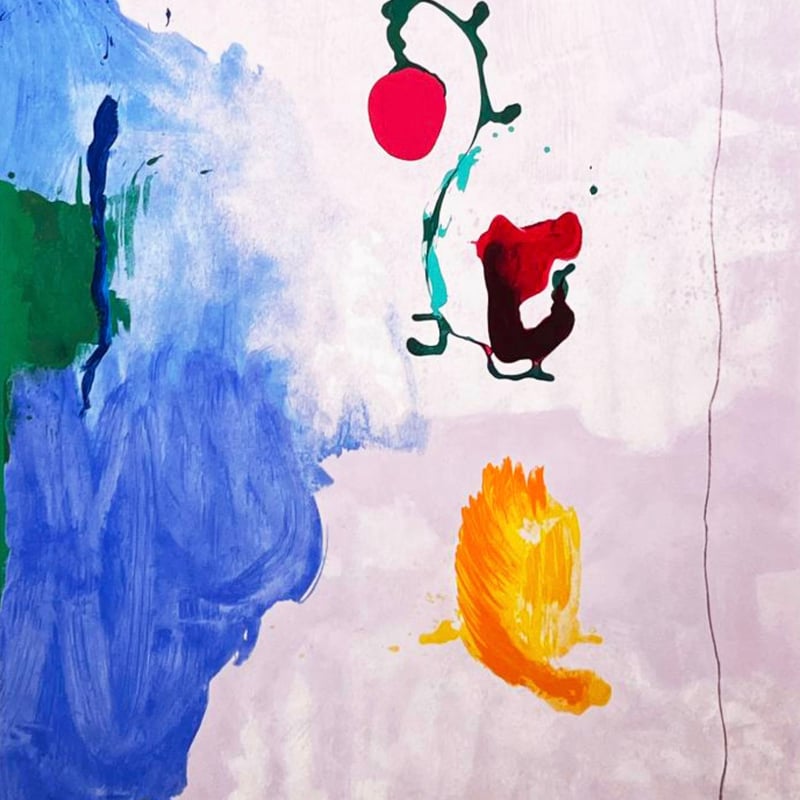
Geometric abstraction is a form of abstract art that uses geometric shapes arranged in a non-illusionistic space (though not always) and combined into non-representational (non-objective) compositions. Based on years of artistic research, some artists have proposed that geometric abstraction offers a solution to modern challenges by rejecting traditional illusionistic practices in favor of clarity and simplicity.
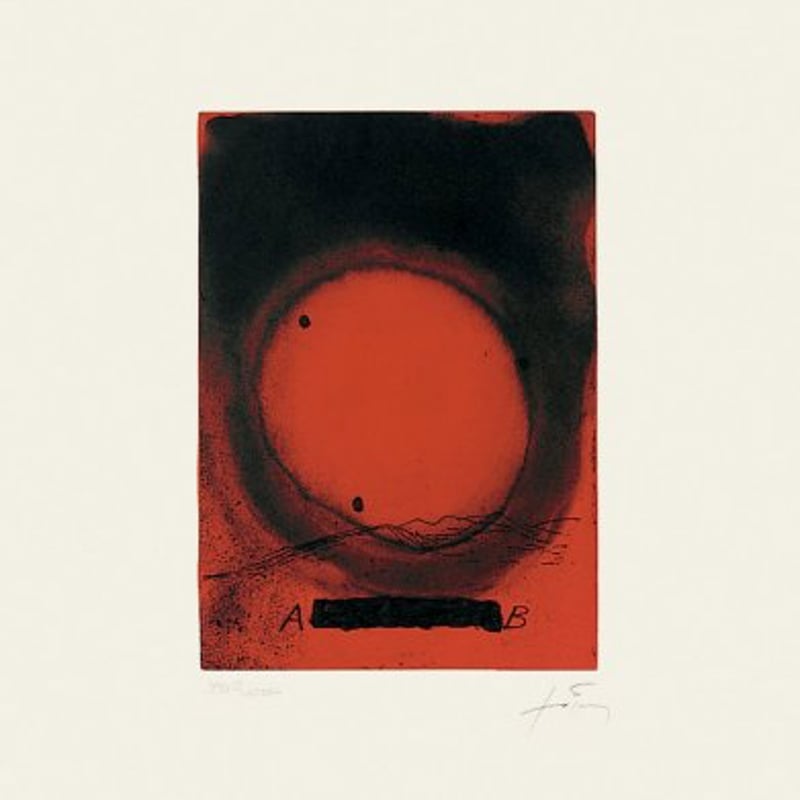
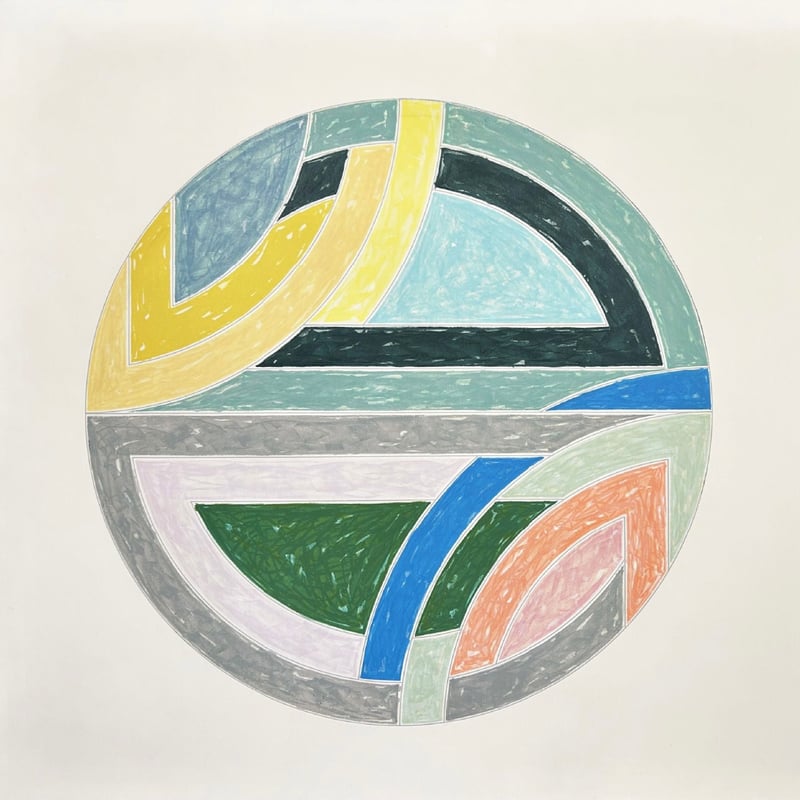
A movement and style in art that originated in Italy during the 1960s. It integrates elements of minimalism, performance art, and conceptual art by using everyday or seemingly worthless materials, such as newspapers, stones, or rags. The goal was to challenge and subvert the commercialization of art.
Can't find your Answer?
Thank you! Your question has been sent — we'll get back to you shortly.
