
Retrato de Felipe II, 1991
Form
Medium
Size
- Inches
- Centimeters
Edition
Price
- Authenticity Guaranteed
- Insured Shipping
- Online Since 2005
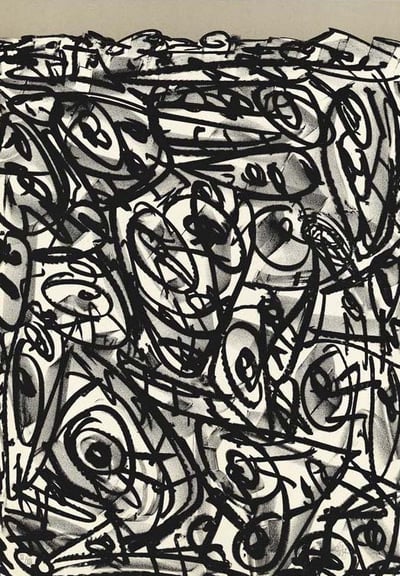
Antonio Saura
Toda persona tiene derecho a la libertad de reunion y de asociacion pacificas, 1984
Limited Edition Print
Lithograph
EUR 1,250
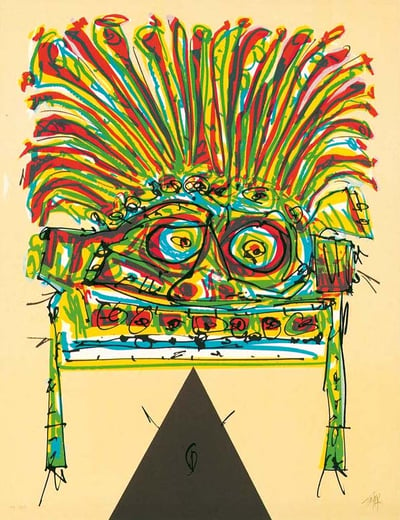
Antonio Saura
India, 1983
Limited Edition Print
Mixed Media
EUR 2,000
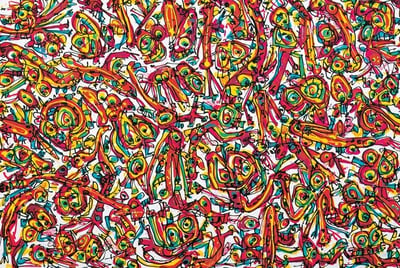
Antonio Saura
Cocktail party, 1982
Limited Edition Print
Mixed Media
EUR 2,000
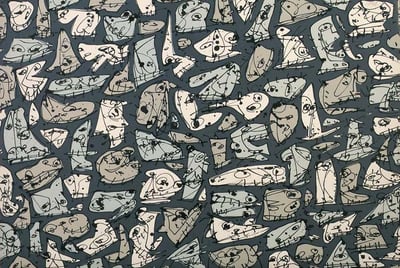
Antonio Saura
Diada I, 1977
Limited Edition Print
Mixed Media
EUR 2,000
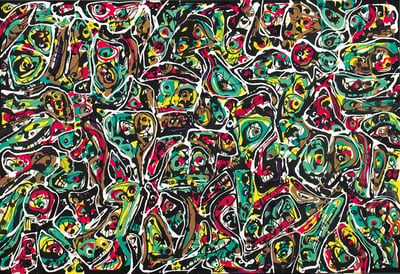
Antonio Saura
Les dangers de la liaison, 1984
Limited Edition Print
Mixed Media
EUR 3,390
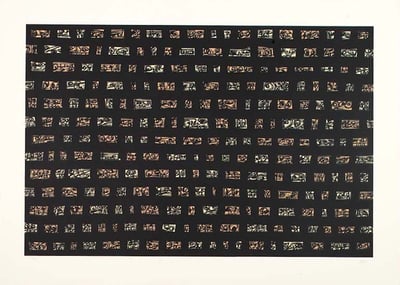
Antonio Saura
Serie abierta, 1989
Limited Edition Print
Mixed Media
EUR 2,000
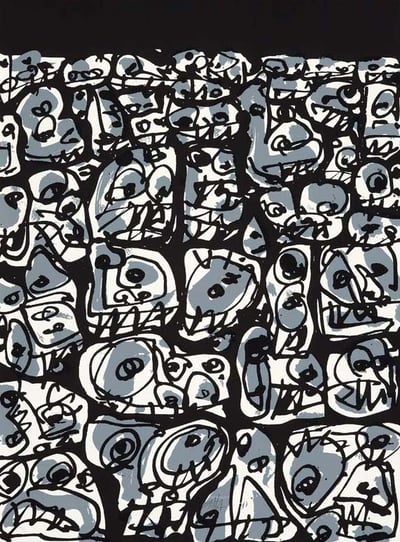
Antonio Saura
Multitud, 1993
Limited Edition Print
Screen-print
EUR 1,650
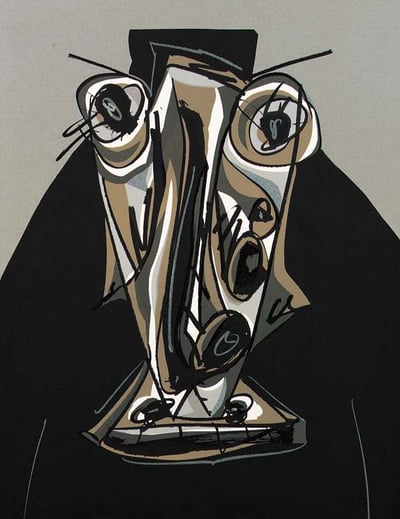
Antonio Saura
Melanchton III, 1988
Limited Edition Print
Lithograph
EUR 1,650
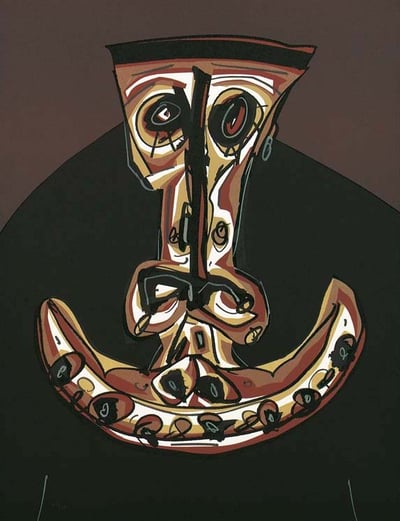
Antonio Saura
Melanchton II, 1988
Limited Edition Print
Lithograph
EUR 1,650
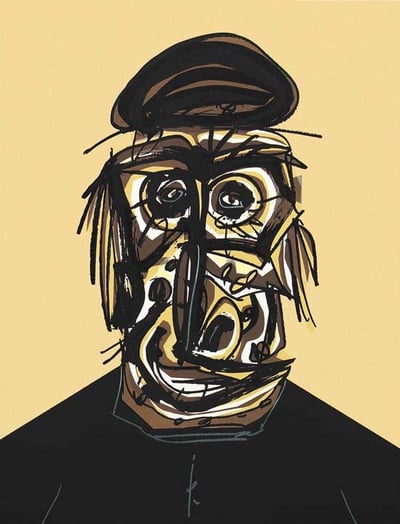
Antonio Saura
Don, 1988
Limited Edition Print
Lithograph
EUR 1,650
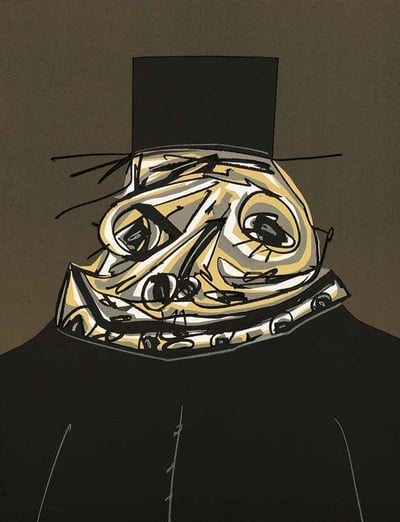
Antonio Saura
Philippe II, 1988
Limited Edition Print
Lithograph
EUR 1,650
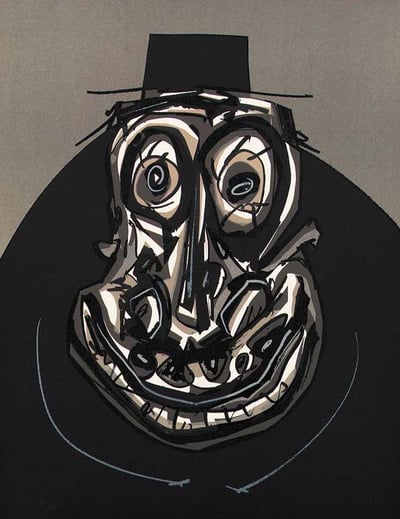
Antonio Saura
Melanchton I, 1988
Limited Edition Print
Lithograph
EUR 1,650
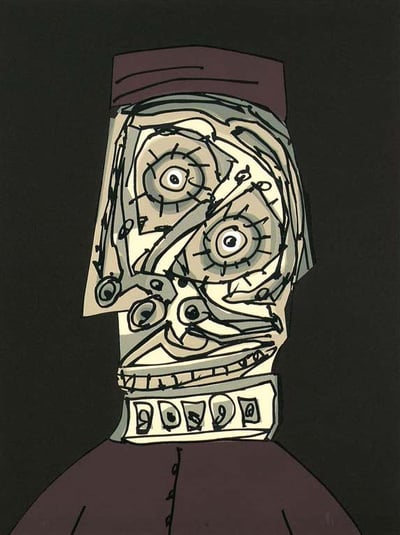
Antonio Saura
El caballero, 1996
Limited Edition Print
Mixed Media
EUR 1,750
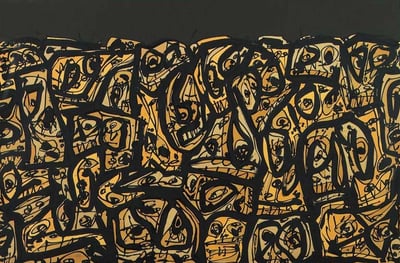
Antonio Saura
Foule, 1989
Limited Edition Print
Lithograph
EUR 2,200
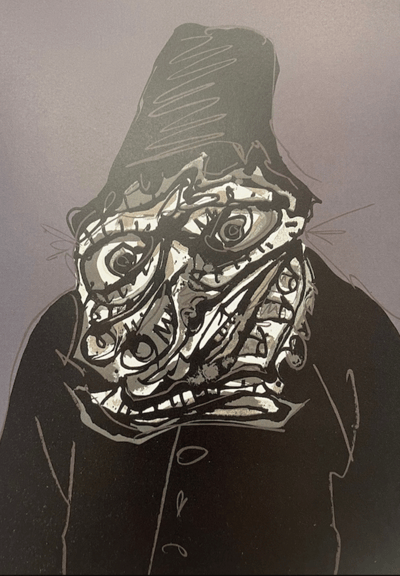
Antonio Saura
Felipe II, 1971
Limited Edition Print
Serigraph
EUR 3,000
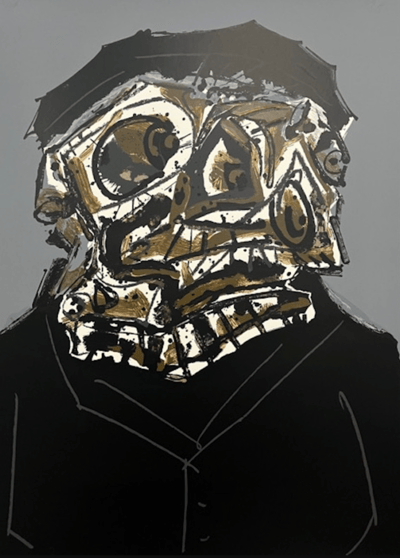
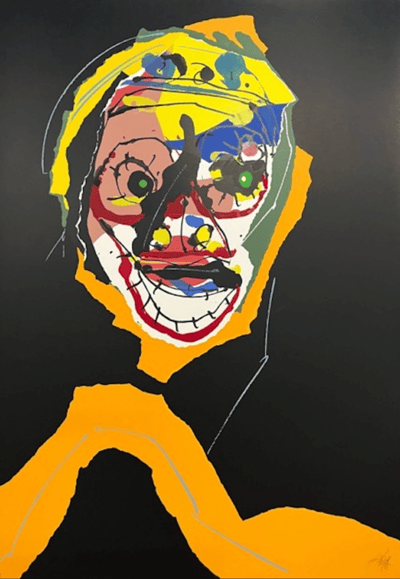
Antonio Saura
Remembrandt, 1973
Limited Edition Print
Serigraph
EUR 1,350
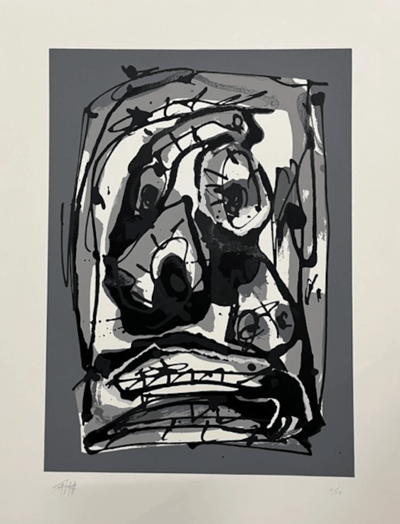
Antonio Saura
Aphorismen V, 1973
Limited Edition Print
Serigraph
EUR 1,350
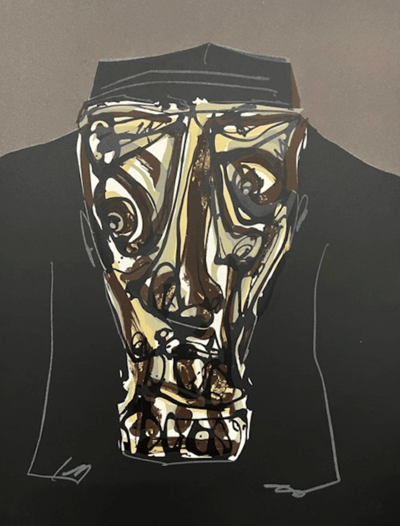
Antonio Saura
Emblemas 3, 1979
Limited Edition Print
Serigraph
EUR 1,350
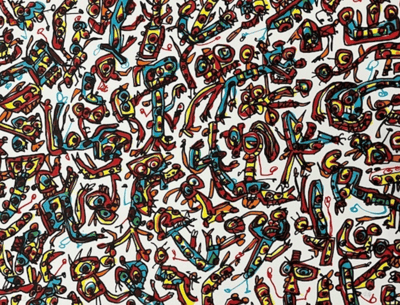
Antonio Saura
Obispo, 1983
Limited Edition Print
Mixed Media
EUR 1,350
Antonio Saura
Serie Abierta IV, 1989
Limited Edition Print
Lithograph
EUR 1,350
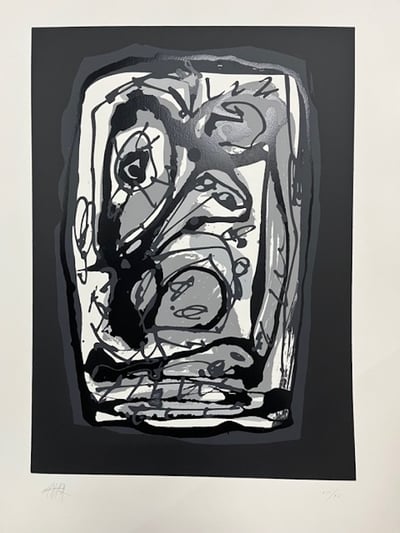
Antonio Saura
Emblemas 5, 1979
Limited Edition Print
Serigraph
EUR 1,350
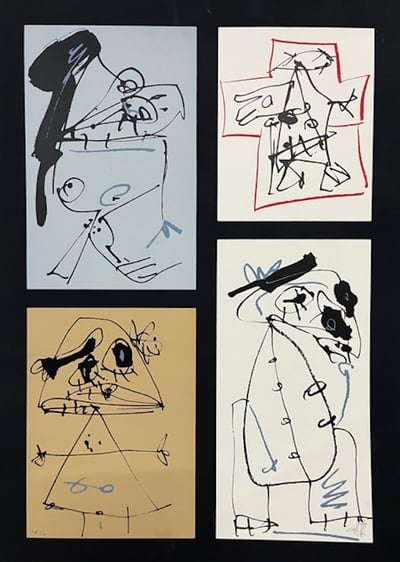
Antonio Saura
Triptico de Amsterdam 2, 1975
Limited Edition Print
Serigraph
EUR 1,350
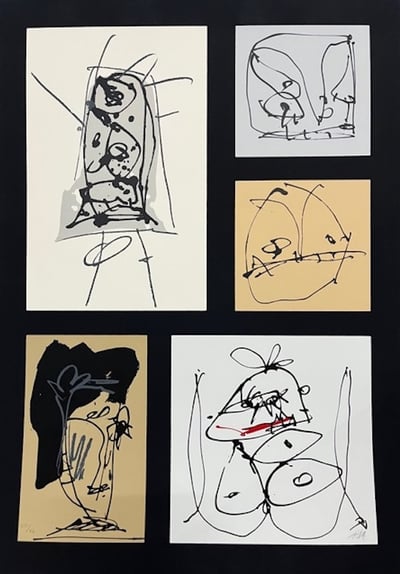
Antonio Saura
Triptico de Amsterdam 3, 1975
Limited Edition Print
Serigraph
EUR 1,350
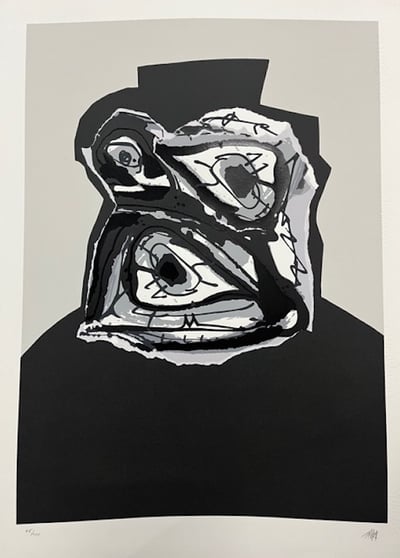
Antonio Saura
Don I, 1984
Limited Edition Print
Serigraph
EUR 1,875
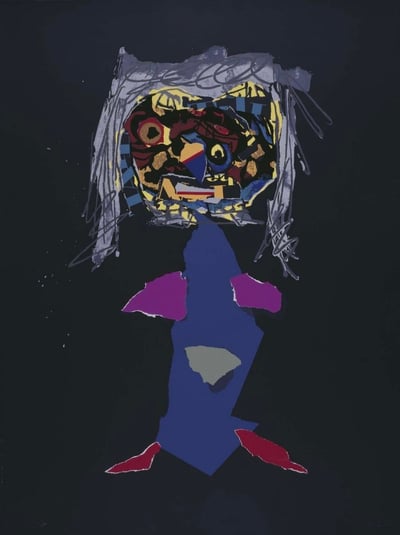
Antonio Saura
Dama en tecnicolor II, 1970
Limited Edition Print
Serigraph
EUR 2,125

Antonio Saura
El perro de Goya II, 1988
Drawing / Watercolor
Mixed Media
Inquire For Price

Antonio Saura
Crucifixión, 1981
Drawing / Watercolor
Mixed Media
EUR 22,500

Antonio Saura
Personaje, 1998
Drawing / Watercolor
Mixed Media
EUR 23,500
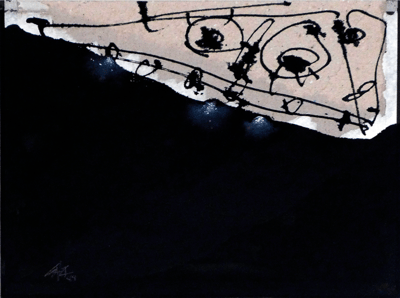
Antonio Saura
El perro de Goya I, 1988
Drawing / Watercolor
Mixed Media
Inquire For Price
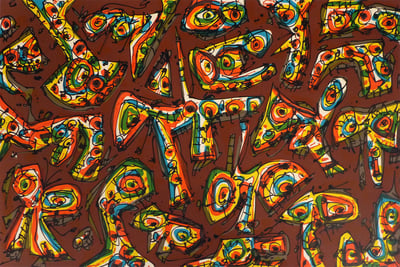
Antonio Saura
Serie Abierta (Vibrant Eyes and Abstract Shapes, 1989
Limited Edition Print
Lithograph
EUR 2,950
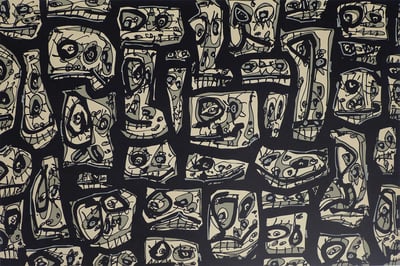
Antonio Saura
Serie Abierta (Crowded Faces), 1989
Limited Edition Print
Lithograph
EUR 2,950
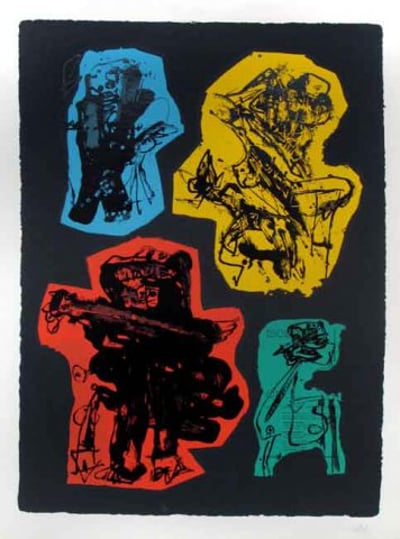
Antonio Saura
Tu Cabello Es Amarillo, 1962
Limited Edition Print
Serigraph
EUR 2,250
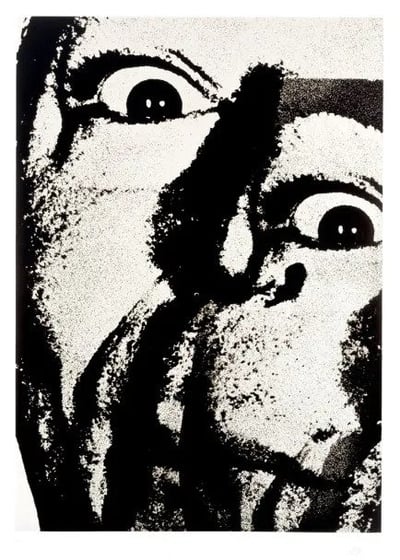
Antonio Saura
7, Moi, Planche 7, 1976
Limited Edition Print
Serigraph
EUR 1,875
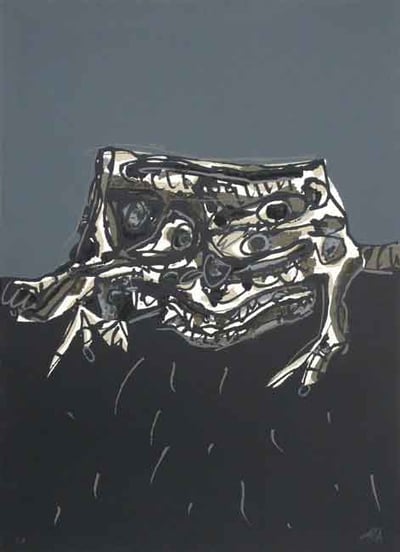
Antonio Saura
El Perro De Goya I, 1972
Limited Edition Print
Serigraph
EUR 1,875
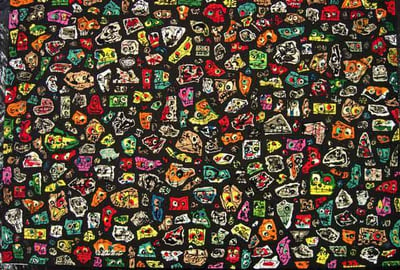
Antonio Saura
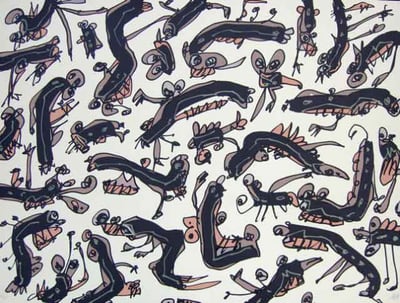
Rompecabezas, 1984
Limited Edition Print
Mixed Media
EUR 3,125
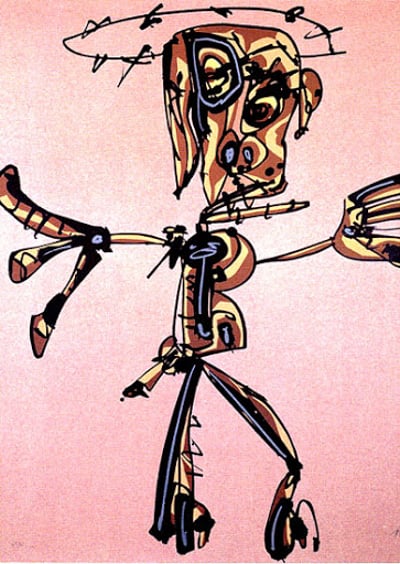
Antonio Saura
L'Envie, 1994
Limited Edition Print
Mixed Media
EUR 1,150
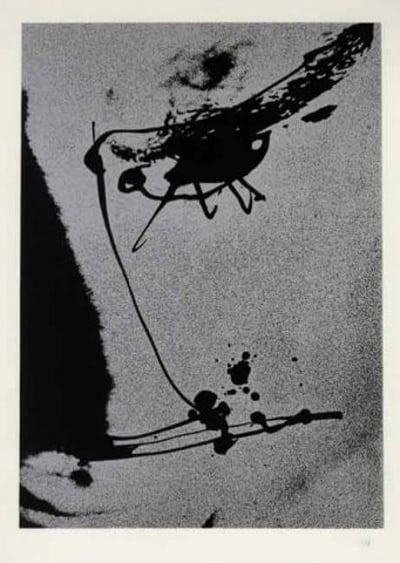
Antonio Saura
1. Crucifixion, 1991
Limited Edition Print
Mixed Media
EUR 1,875
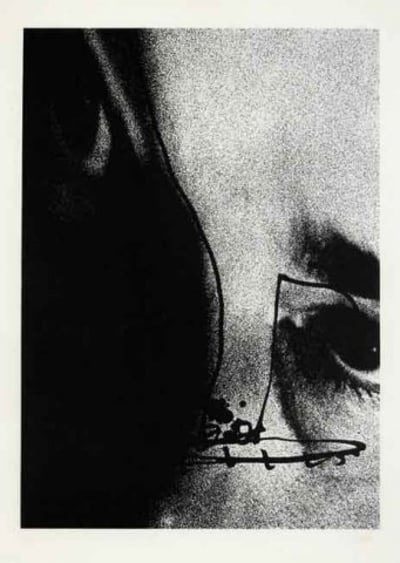
Antonio Saura
Moi, Planche 10, 1976
Limited Edition Print
Serigraph
EUR 1,880
Antonio Saura
Moi, Planche 13, 1976
Limited Edition Print
Serigraph
EUR 1,880
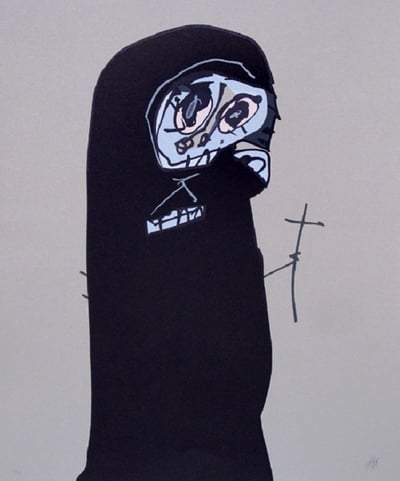
Antonio Saura
Doña Jerónima De La Fuente (Velázquez), 1991
Limited Edition Print
Lithograph
EUR 1,880
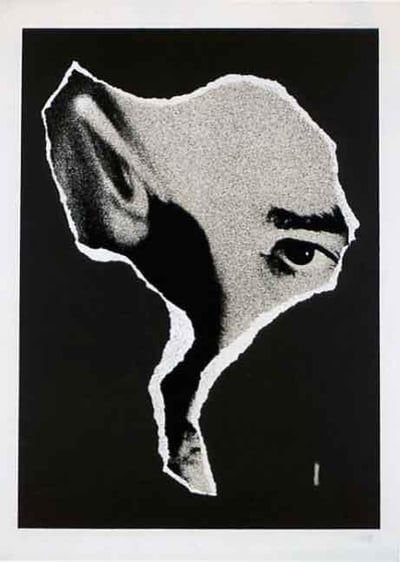
Antonio Saura
Moi, Planche 1, 1976
Limited Edition Print
Serigraph
EUR 1,880
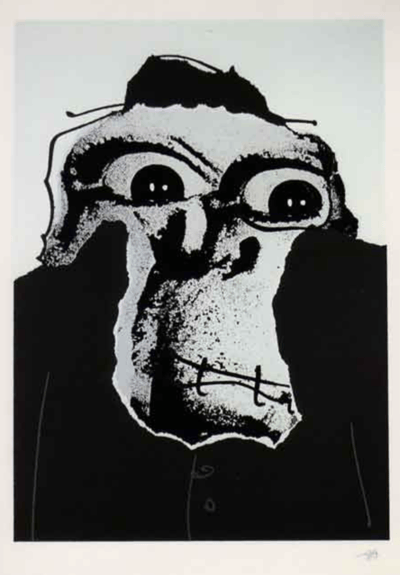
Antonio Saura
Moi, Planche 12, 1976
Limited Edition Print
Serigraph
EUR 1,880
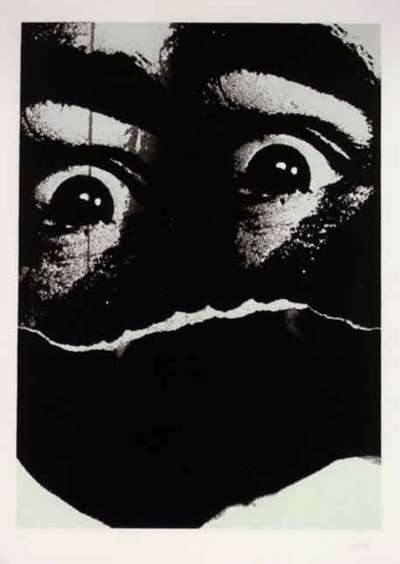
Antonio Saura
Moi, Planche 14, 1976
Limited Edition Print
Serigraph
EUR 2,650
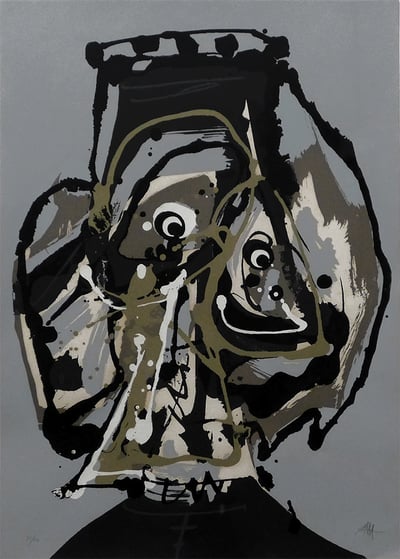
Antonio Saura
Atal, 1983
Limited Edition Print
Silkscreen
EUR 2,100
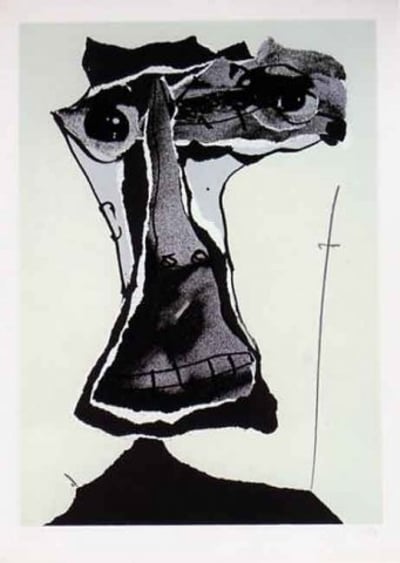
Antonio Saura
Moi, Planche 2, 1976
Limited Edition Print
Serigraph
EUR 1,880
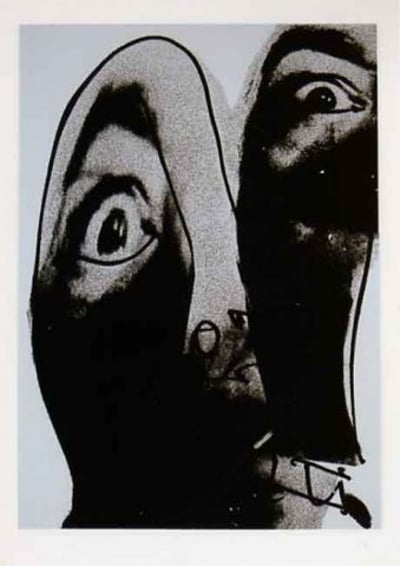
Antonio Saura
Moi, Planche 4, 1976
Limited Edition Print
Serigraph
EUR 1,875
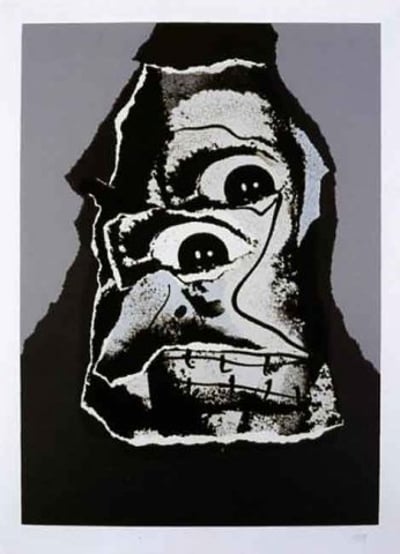
Antonio Saura
Moi, Planche 5, 1976
Limited Edition Print
Serigraph
EUR 2,650
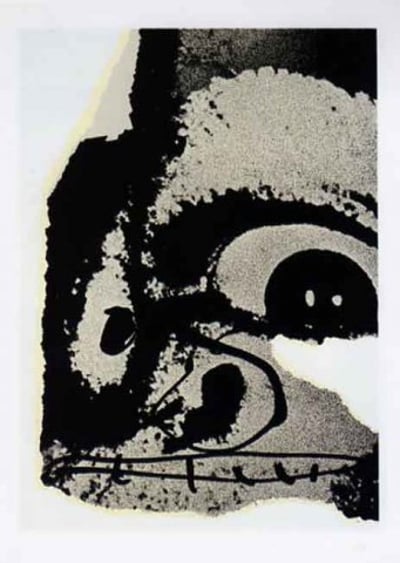
Antonio Saura
Moi, Planche 6, 1976
Limited Edition Print
Serigraph
EUR 1,875
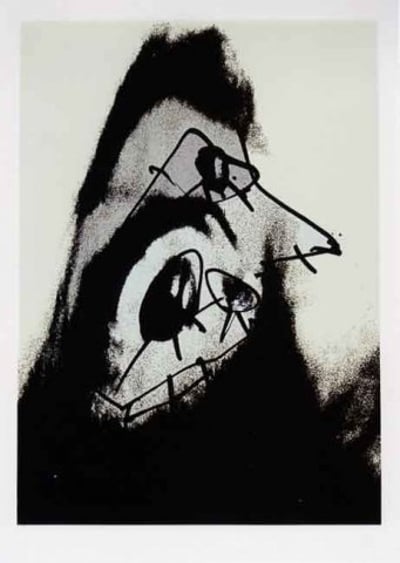
Antonio Saura
Moi, Planche 8, 1976
Limited Edition Print
Serigraph
EUR 2,650
Related Artists
Related Articles
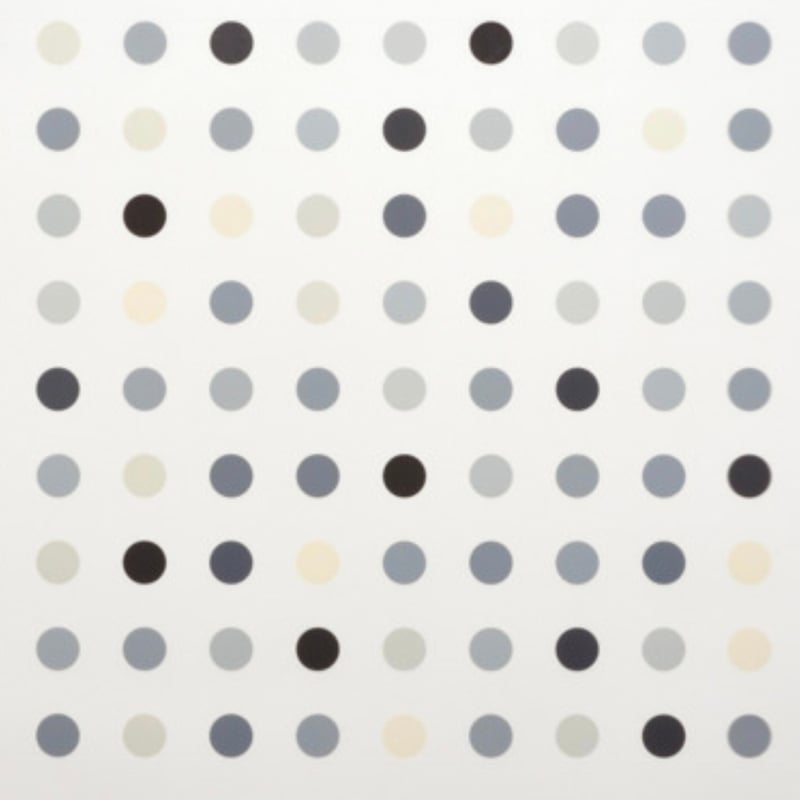
Popular, Artists, Collecting - September 8, 2026
Damien Hirst’s Spot Prints and the Language of Pharmaceuticals
Explore Damien Hirst Spot prints, from pharmaceutical etchings and woodcuts to later editions, with guidance on titles, edition sizes and signatures.Read More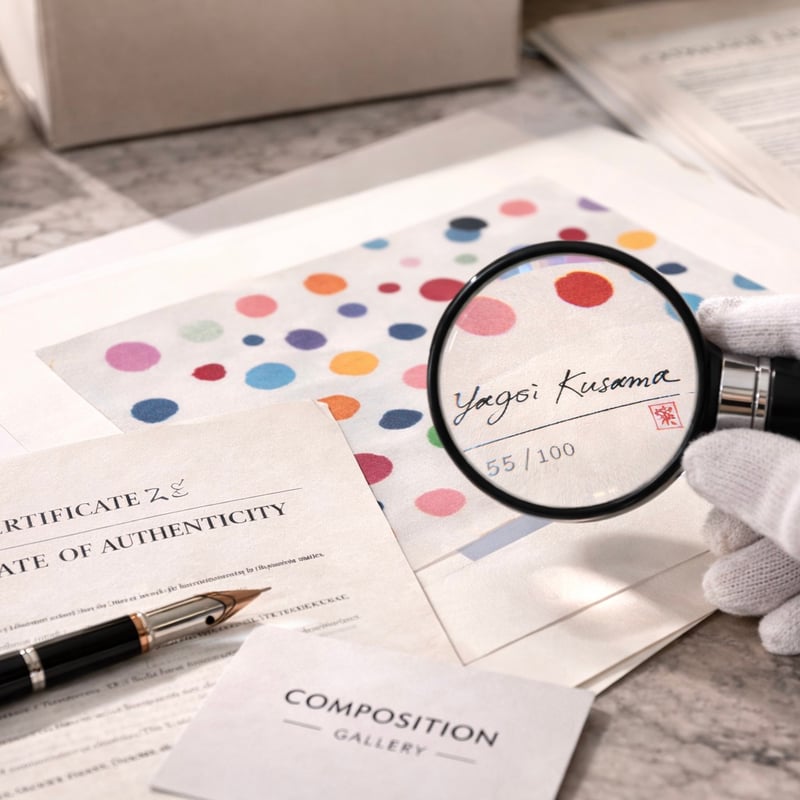
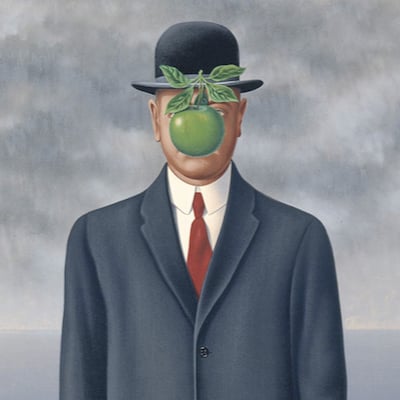
What is Surrealism?
Surrealism began in the 1920s as an art and literary movement with the goal of revealing the unconscious mind and unleashing the imagination by exploring unusual and dream-like imagery. Influenced by Sigmund Freud’s theories of psychoanalysis, Surrealist artists and writers sought to bring the unconscious into rational life, blurring the lines between reality and dreams. The movement aimed to challenge conventional perceptions and express the irrational aspects of the human experience.


