
What is Surrealism?
- Show All
- Established
- Discoveries
- Show All
Artworks Related to Surrealism
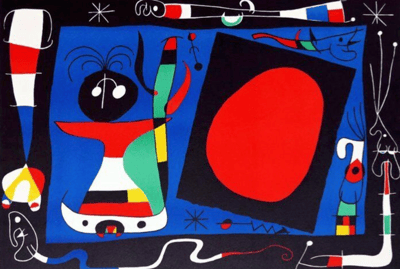
Joan Miró
Femme au Miroir / Woman at the Mirror, 1956
Limited Edition Print
Lithograph
EUR 3,950
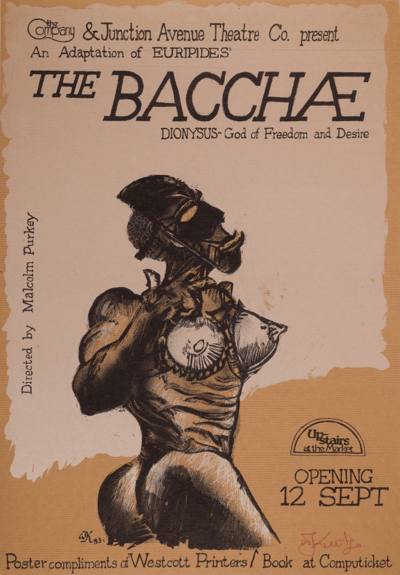
William Kentridge
The Bacchae, 1983
Limited Edition Print
Silkscreen
EUR 9,500
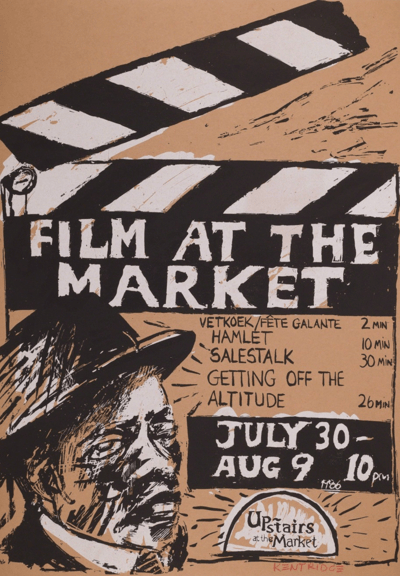
William Kentridge
Film at the Market, 1986
Limited Edition Print
Silkscreen
EUR 9,500
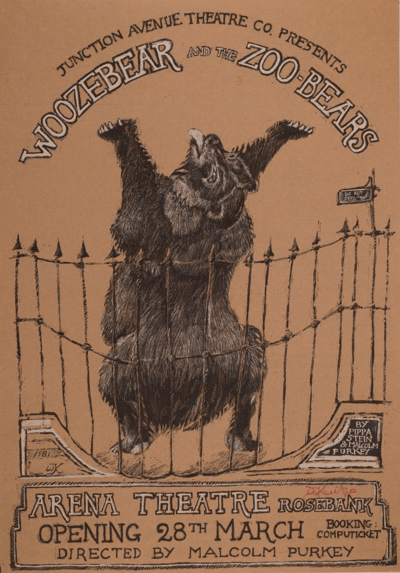
William Kentridge
Woozebear and the Zoo-Bears, 1981
Limited Edition Print
Offset Print
EUR 9,500
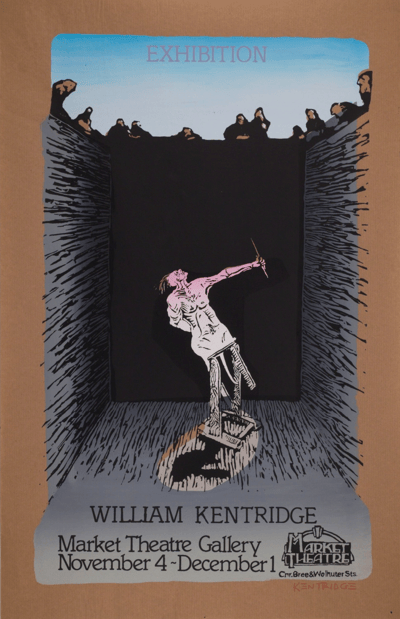
William Kentridge
Exhibition William Kentridge (Pit Monotypes), 1979
Limited Edition Print
Silkscreen
EUR 15,000
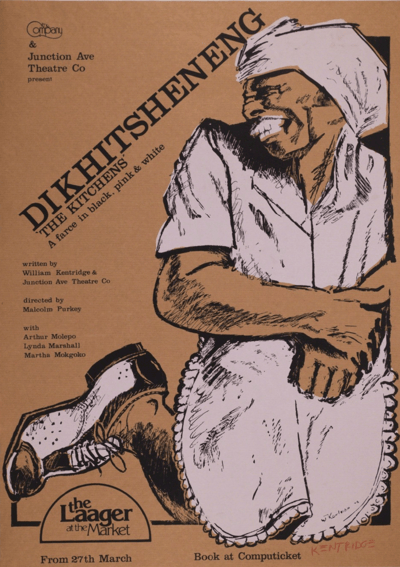
William Kentridge
Dikhitsheneng (The Kitchens), 1980
Limited Edition Print
Silkscreen
EUR 9,500
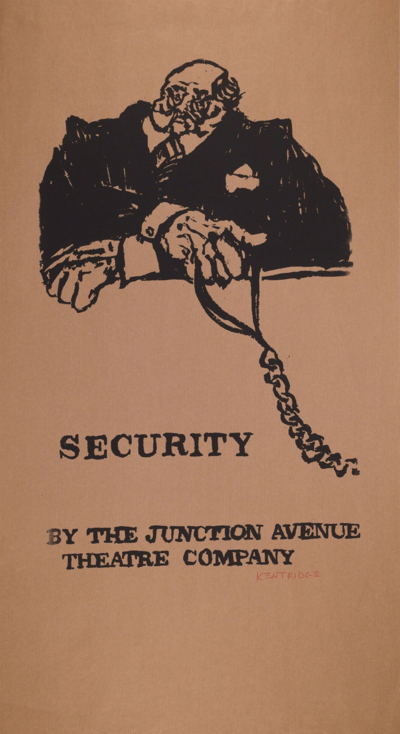
William Kentridge
Security, 1979
Limited Edition Print
Silkscreen
EUR 9,500
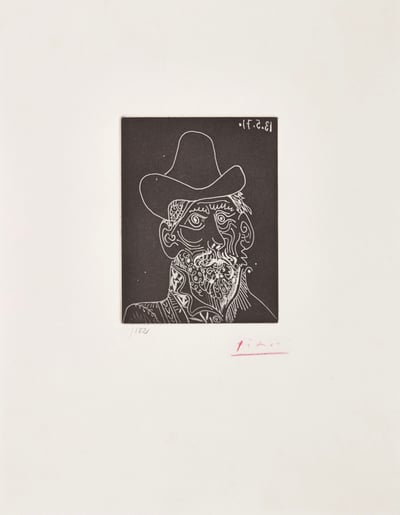
Pablo Picasso
Buste d'homme barbu au chapeau, 1971
Limited Edition Print
Aquatint
EUR 7,500
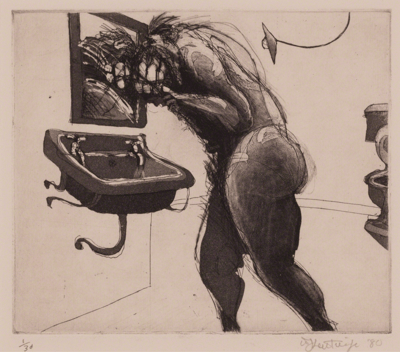
William Kentridge
Untitled, from Domestic Scenes, 1980
Limited Edition Print
Etching and Aquatint
EUR 15,000
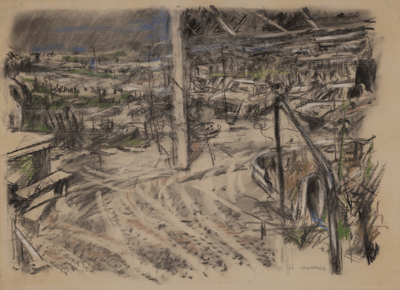
William Kentridge
Embarkation, 1986
Drawing / Watercolor
Mixed Media
Inquire For Price
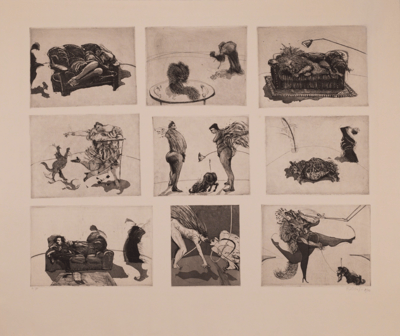
William Kentridge
A Wildlife Catalogue II, 1980
Limited Edition Print
Etching
EUR 25,000
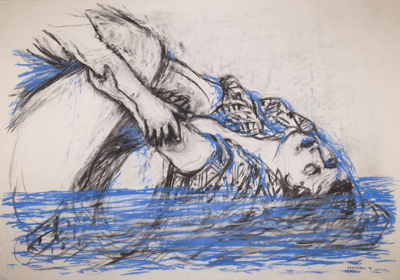
William Kentridge
The Passion of Mrs Eckstein, 1991
Drawing / Watercolor
Mixed Media
Inquire For Price
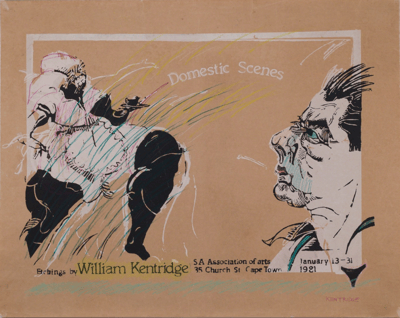
William Kentridge
Domestic Scenes, 1980
Limited Edition Print
Mixed Media
EUR 15,000
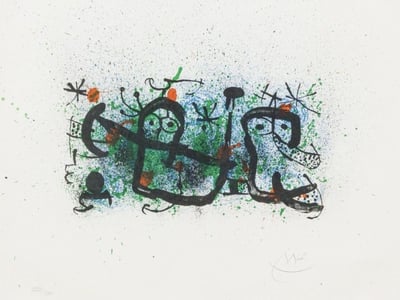
Joan Miró
Ma de proverbis - M. 673, 1970
Limited Edition Print
Lithograph
EUR 7,500

Lucian Freud
Girl with a Kitten, 1947
Limited Edition Print
Archival Print
GBP 5,000 - 6,500
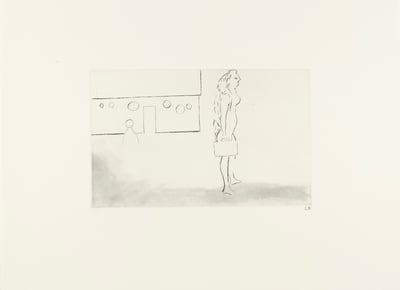
Louise Bourgeois
Autobiographical Series 13, 1994
Limited Edition Print
Etching
EUR 6,750
Related Articles
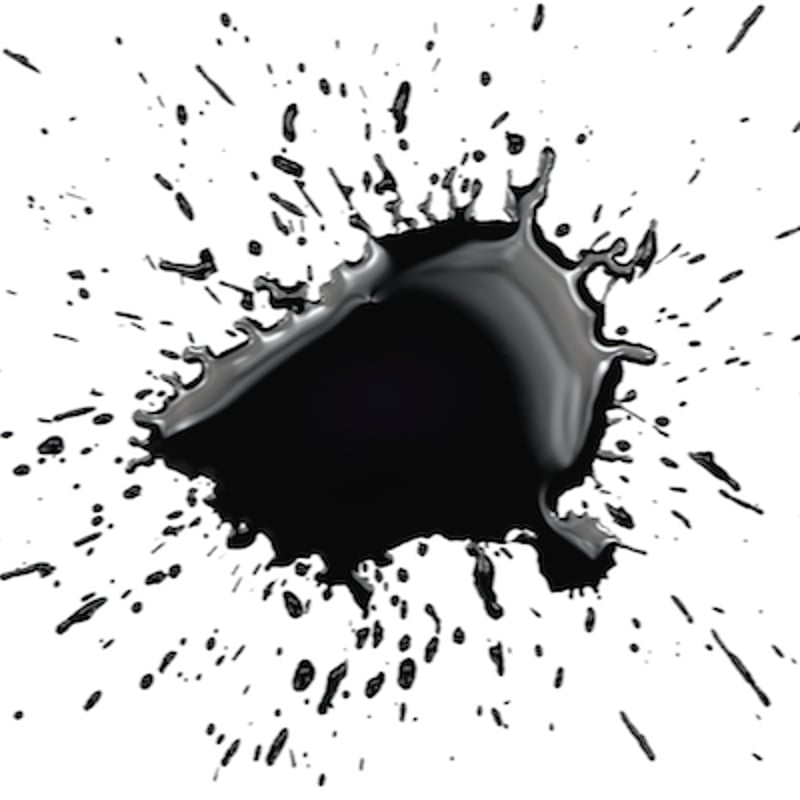
India ink is a medium made from fine soot, known as lampblack, combined with water and a binder, usually shellac, to create a black, waterproof ink. It has been used in India since the 4th century BC. Artists use India ink for writing, drawing, and painting due to its deep black color and permanence.

Oil on board is a painting technique where oil paint is applied to either wood panels that have been sanded and primed or high-density cardboard covered with canvas. These surfaces offer the advantage of being more compact for storage compared to traditional stretched canvas on frames, while still providing a stable surface for painting.

Colour Field Painting is an abstract style characterized by large areas of a single color or simple, solid colors. The term was first used in the 1950s to describe the work of three American Abstract Expressionist painters—Barnett Newman, Mark Rothko, and Clyfford Still. Their work emphasized the emotional power of color and the creation of vast, meditative spaces through expansive color fields.
Can't find your Answer?
Thank you! Your question has been sent — we'll get back to you shortly.
