
What is Surrealism?
- Show All
- Established
- Discoveries
- Show All
Artworks Related to Surrealism
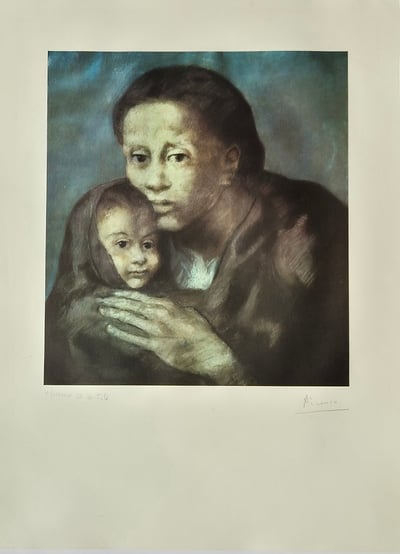
Pablo Picasso
Mother and Child with Shawl, from Barcelona Suite, 1966
Limited Edition Print
Offset Print
USD 9,800
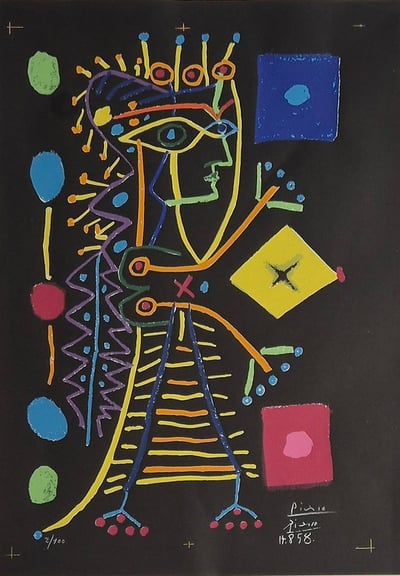
Pablo Picasso
Jacqueline (La Dame aux Des), 1958
Limited Edition Print
Lithograph
USD 15,200
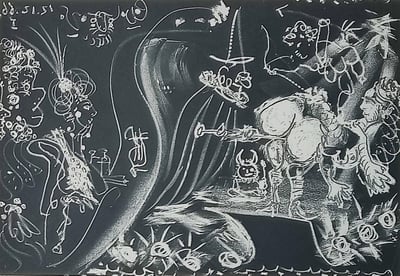
Pablo Picasso
Untitled from Le Cocu Magnifique, 1966
Limited Edition Print
Etching and Aquatint
USD 9,350
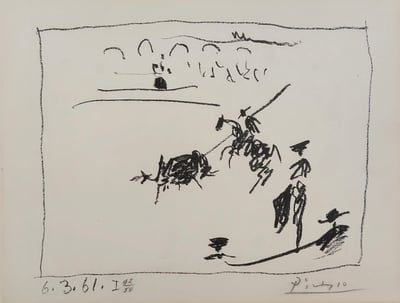
Pablo Picasso
La Pique, from A los toros avec Picasso, 1961
Limited Edition Print
Lithograph
USD 15,200
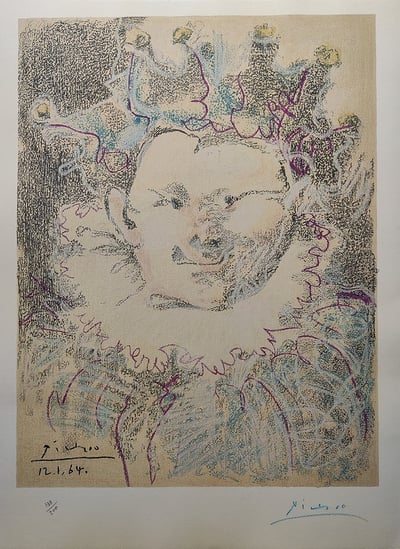
Pablo Picasso
Tête de Buffon (Arlequin), 1964
Limited Edition Print
Lithograph
USD 13,900
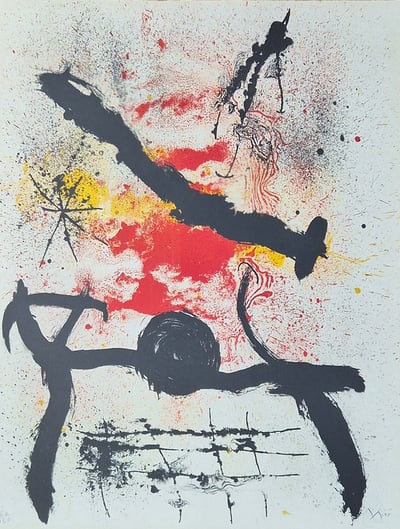
Joan Miró
Untitled from Graphikmappe Hochschule St. Gallen, 1964
Limited Edition Print
Lithograph
USD 6,800
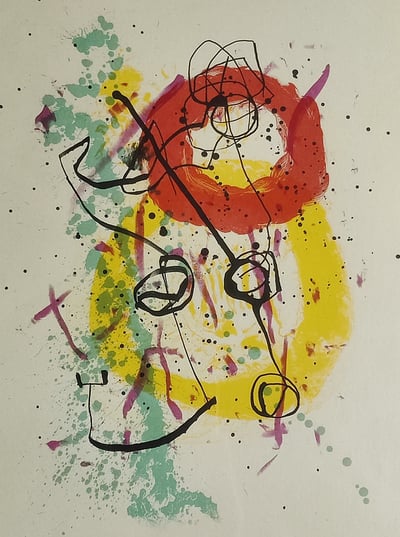
Joan Miró
Composition for from XXe Siecle, No. 16, 1961
Limited Edition Print
Lithograph
USD 7,500
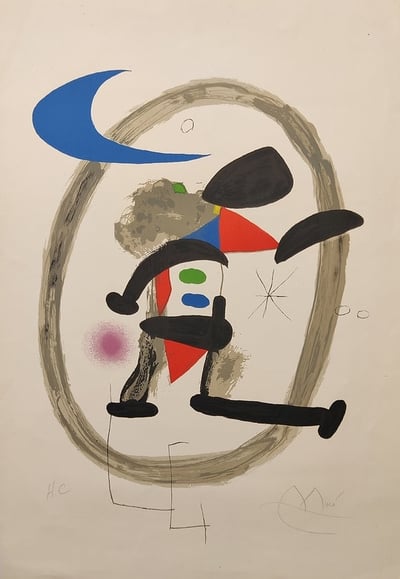
Joan Miró
Arlequin Circonscrit, 1973
Limited Edition Print
Lithograph
USD 8,450
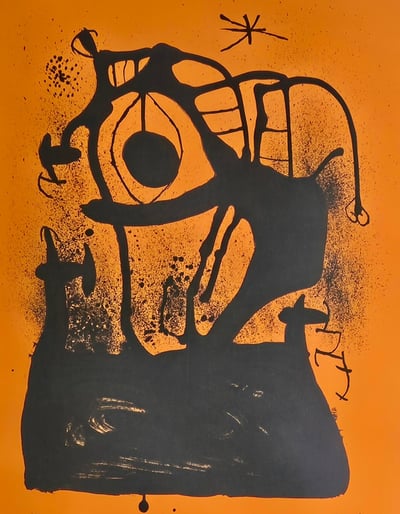
Joan Miró
L'Hypnotiseur (orange), 1969
Limited Edition Print
Lithograph
USD 8,800
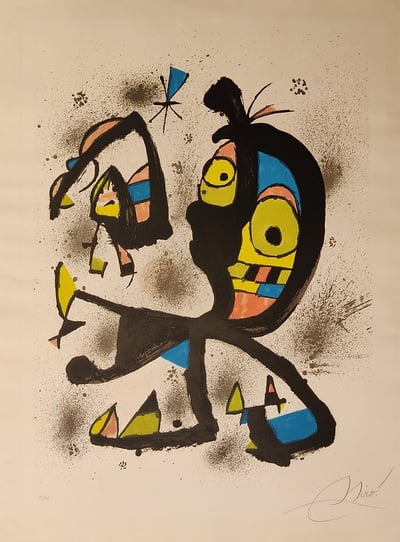
Joan Miró
Obra Gràfica, 1980
Limited Edition Print
Lithograph
USD 9,900
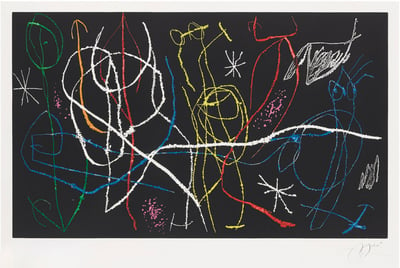
Joan Miró
Sunday Guest III (L'Invitée du Dimanche), 1969
Limited Edition Print
Etching
USD 10,900
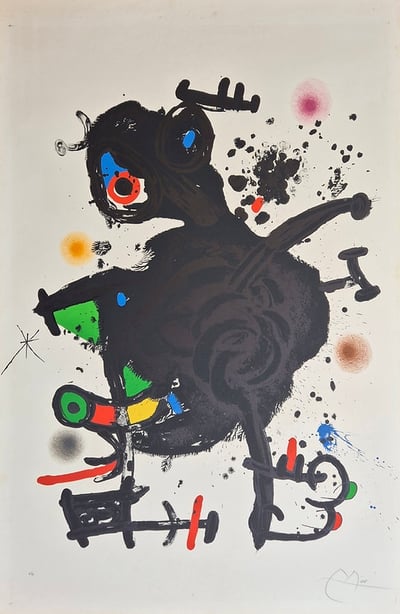
Joan Miró
Le gourou déployé, 1971
Limited Edition Print
Lithograph
USD 23,000
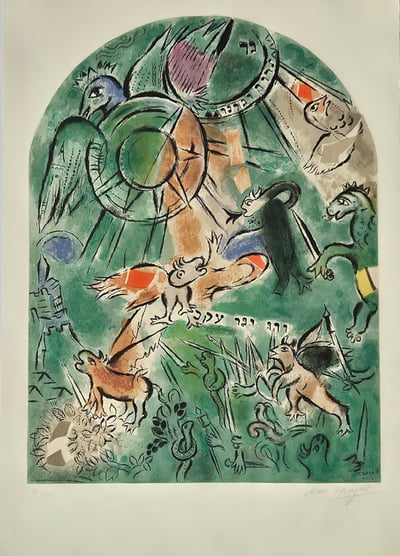
Marc Chagall
The Tribe of Gad CS19, 1964
Limited Edition Print
Lithograph
USD 10,700
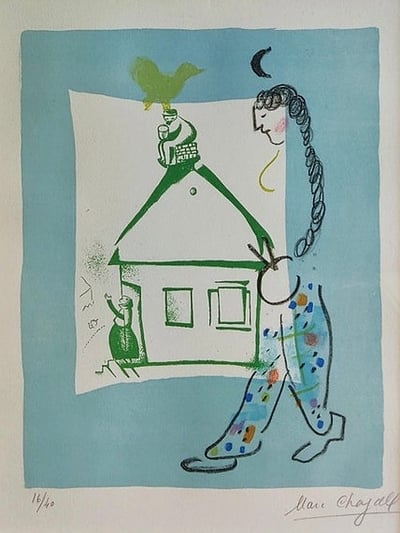
Marc Chagall
The House in My Village, 1960
Limited Edition Print
Lithograph
USD 10,300
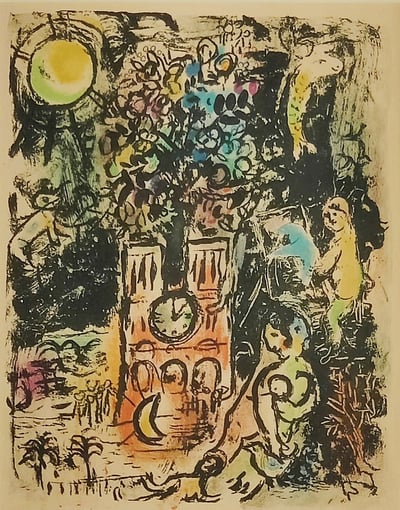
Marc Chagall
The Tree of Jesse (L'Arbre de Jessé), 1960
Limited Edition Print
Lithograph
USD 11,500
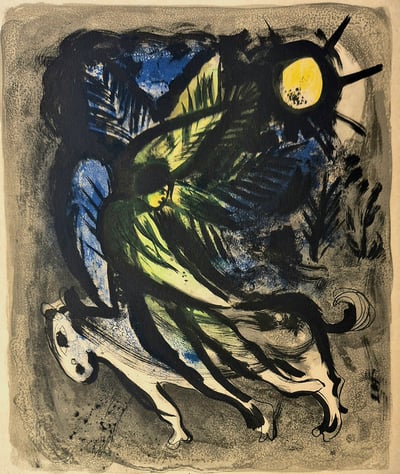
Marc Chagall
Der Engel (The Angel), 1960
Limited Edition Print
Lithograph
USD 11,500
Related Articles
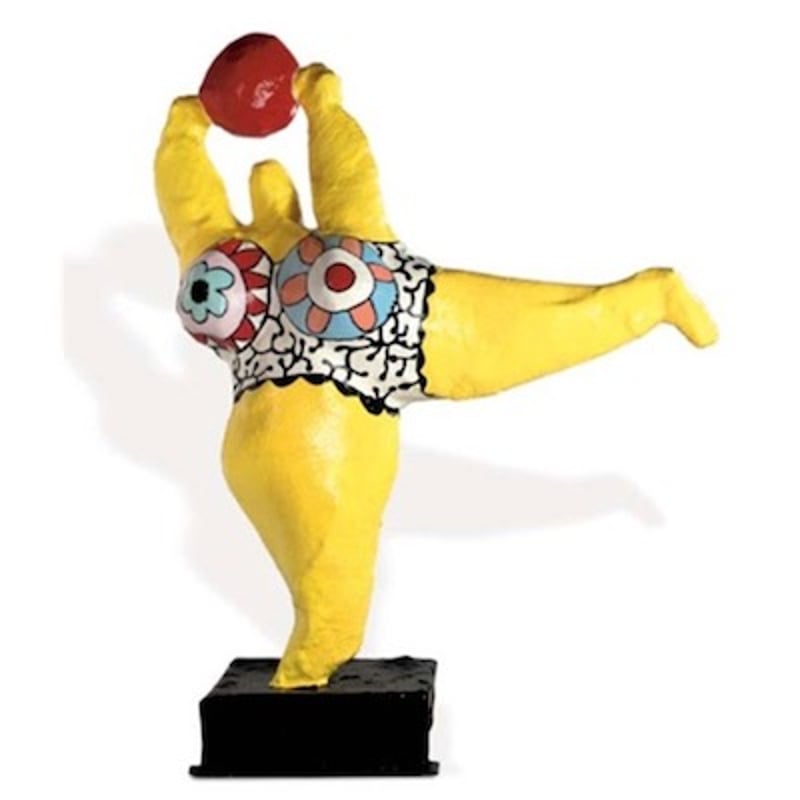
Papier-mâché is a composite material made from pieces of paper or pulp, reinforced with textiles and bound with adhesives like starch, wallpaper paste, or glue. There are two main methods to create papier-mâché: one involves layering strips of paper soaked in adhesive, while the other uses a pulp made by boiling or soaking paper and then adding glue. Though each method has a different process, both yield similar results.
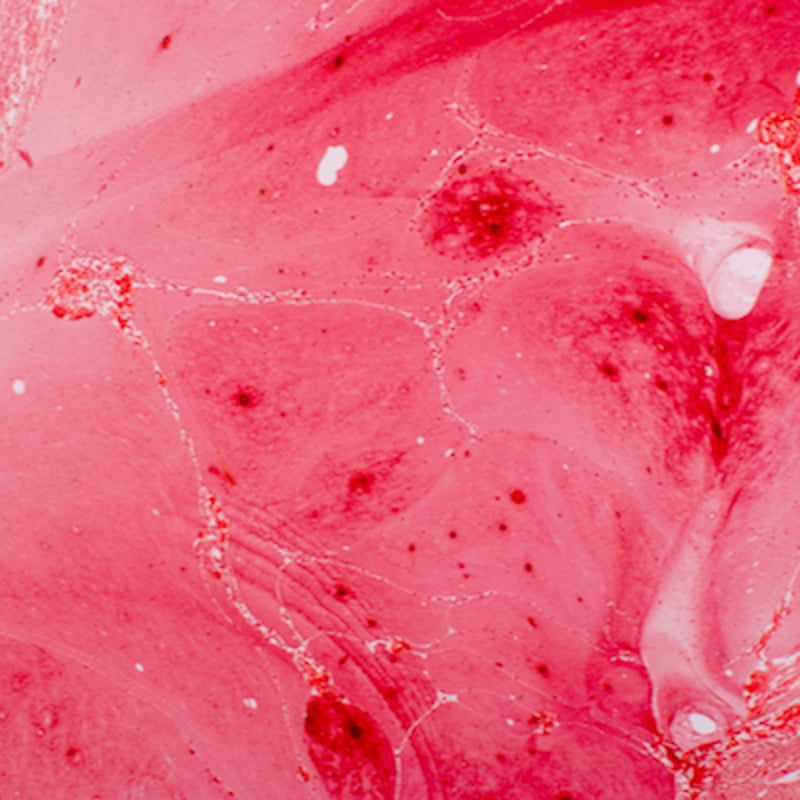
Monoprinting is a printmaking technique where a single impression is created from a re-printable surface, such as a lithographic stone, wood block, or metal plate. Unlike traditional printmaking, where multiple copies are produced, monoprinting results in a unique image. Techniques used in monoprinting include etching, lithography, and woodcut, but the key characteristic is that each print is one-of-a-kind.
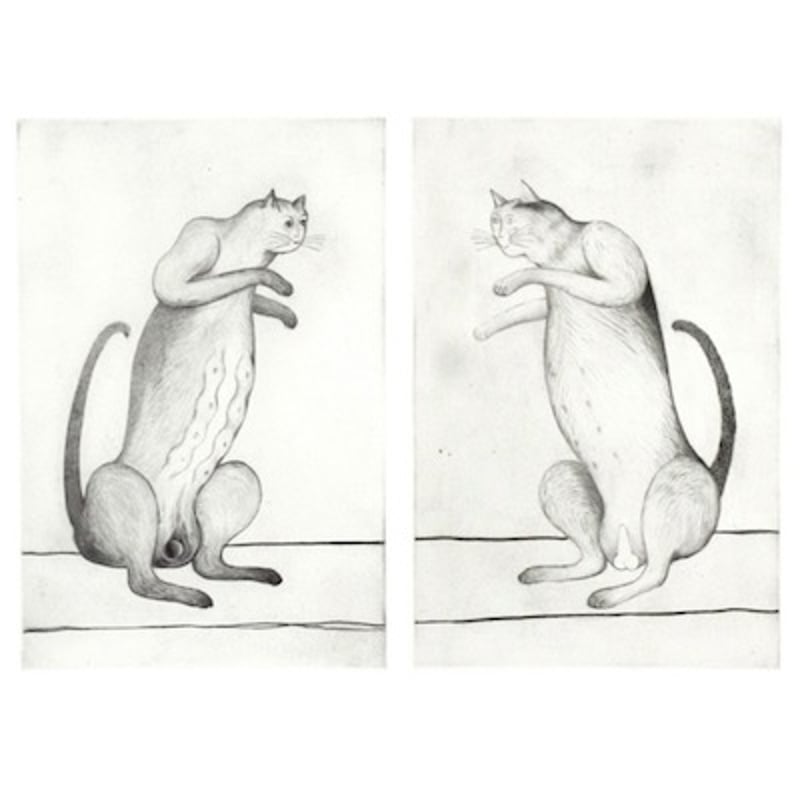
A diptych is an artwork composed of two panels. These panels can be painted, carved, or made using various mixed media techniques. They may be connected by hinges, allowing them to close for protection, or they can be displayed side by side. Historically, diptychs were often used in religious art.
Can't find your Answer?
Thank you! Your question has been sent — we'll get back to you shortly.
