
What is site specific art?
- Show All
- Established
- Discoveries
- Show All
Artworks Related to Site Specific Art
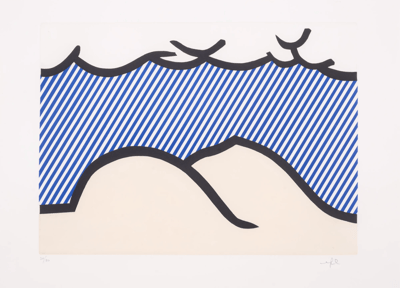
Roy Lichtenstein
Illustration for 'De Denver au Montana, Depart 27 Mai 1972' (I), 1992
Limited Edition Print
Etching and Aquatint
USD 12,500
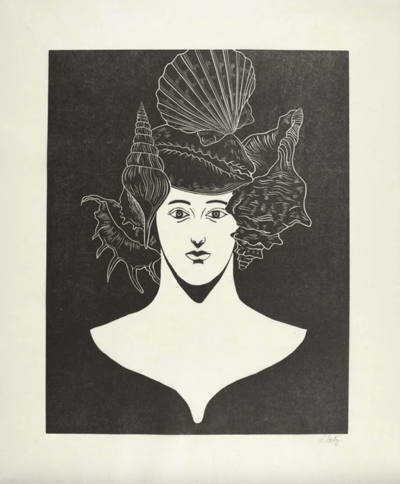
Nicolas Party
Portrait With Shells, 2021
Limited Edition Print
Woodcut
GBP 5,000 - 7,000
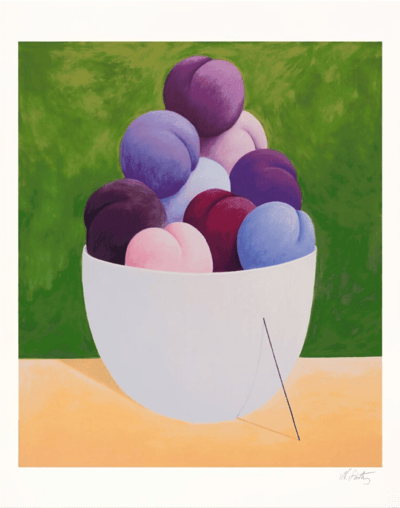
Nicolas Party
Purple Peaches, 2024
Limited Edition Print
Screen-print
GBP 6,000 - 10,000
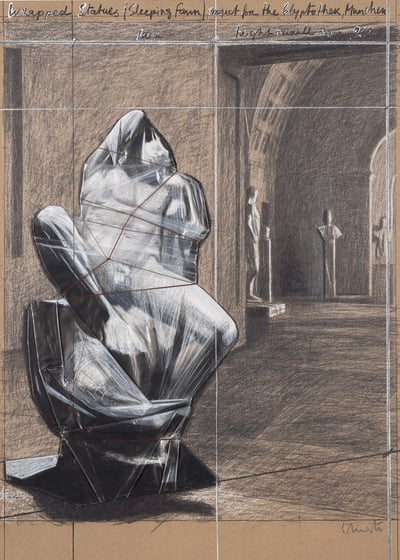
Javacheff Christo
Wrapped Statues, Sleeping Fawn, Project for the Glyptothek, 2001
Limited Edition Print
Mixed Media
EUR 9,000
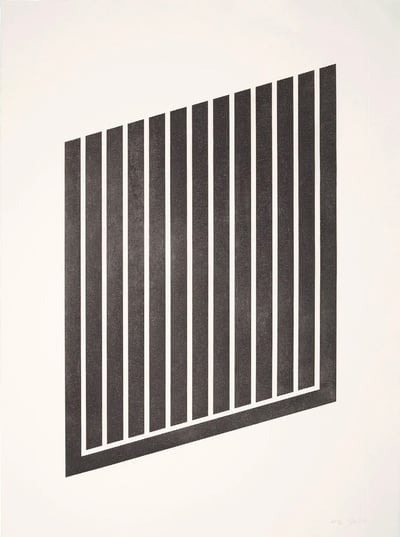
Donald Judd
A Group of 4 Aquatints 1, 1978-79
Limited Edition Print
Aquatint
Currently Not Available

Javacheff Christo
Puerta de Alcalá, Wrapped; Project for Madrid, 1981
Limited Edition Print
Lithograph
Currently Not Available

Roy Lichtenstein
Composition II, 1996
Limited Edition Print
Screen-print
USD 80,000 - 90,000
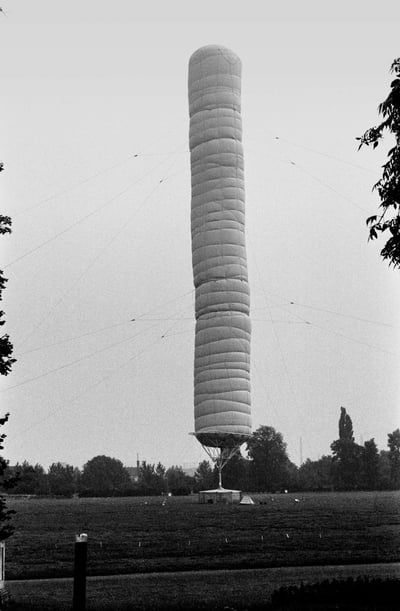
Javacheff Christo
Documenta Kassel KA-D68, 1968
Photography
Inkjet print
EUR 4,400
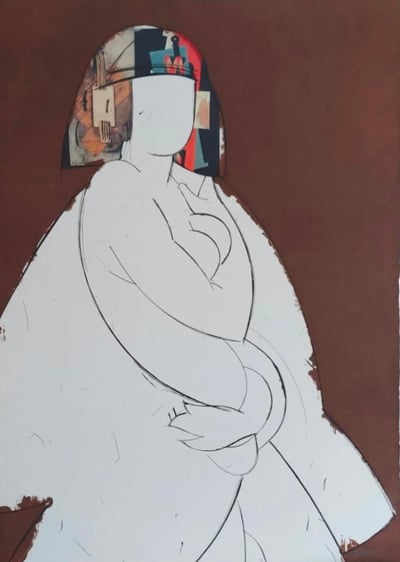
Manolo Valdés
Helene II, 2004
Limited Edition Print
Collage
EUR 9,600
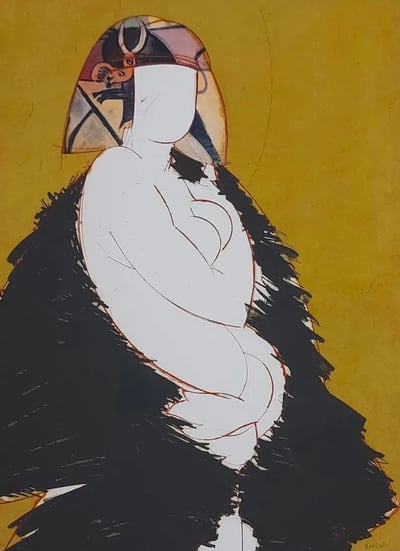
Manolo Valdés
Helene I, 2004
Limited Edition Print
Collage
EUR 9,600
Roy Lichtenstein
Private Listing
Limited Edition Print
Roy Lichtenstein
Private Listing
Limited Edition Print
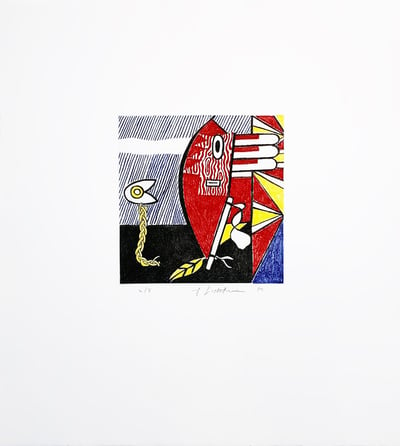
Roy Lichtenstein
Untitled I, 1980
Limited Edition Print
Etching and Aquatint
USD 20,650
Roy Lichtenstein
Private Listing
Sculpture / Object
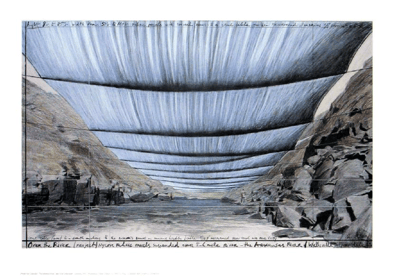
Javacheff Christo
Over The River Project V Under, 1992
Limited Edition Print
Offset Print
USD 1,450
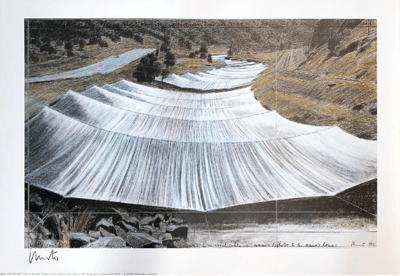
Javacheff Christo
Over The River Project V, 1992
Limited Edition Print
Offset Print
USD 1,400
Related Articles


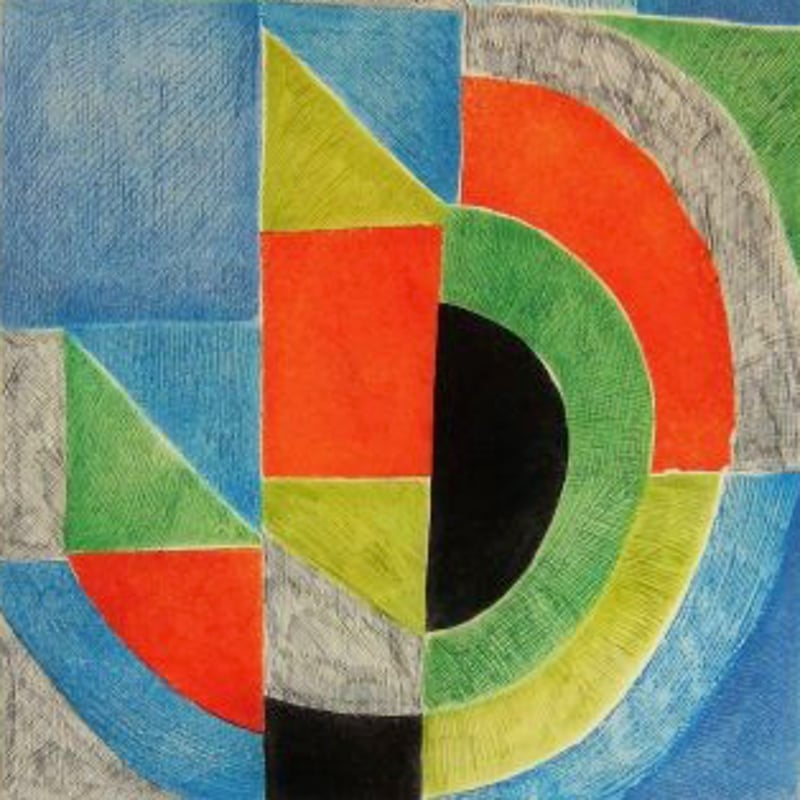
Réalités Nouvelles means new realities and refers to an exhibiting society founded in 1939 in Paris by Sonia Delaunay. The Salon des Réalités Nouvelles was dedicated to promoting abstract art, which it considered to be a new reality because it does not imitate the existing physical world. The movement emphasized that abstract art creates its own reality, independent of the external world, and played a significant role in the development and recognition of abstract art in the mid-20th century.

New Generation Sculpture was a movement started in the 1960s by a group of British artists. They experimented with unconventional forms, materials, and colors, creating sculptures that did not rely on traditional bases. Their work often featured plastic sheeting, fiberglass, and other industrial materials, which were fastened together and brightly painted.
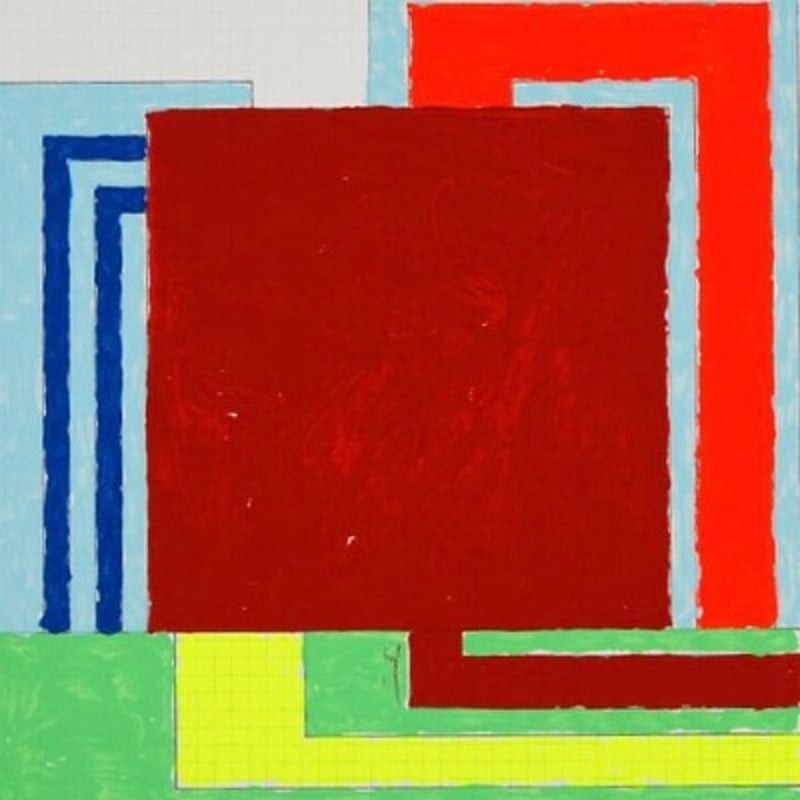
Known as Neo-Geo for short, this movement uses geometric objects and shapes to create abstract artwork as a metaphor for society. Inspired by various 20th-century art styles, including minimalism and pop art, Neo-Geo emerged in the 1980s as a response to the industrialization and commercialization of the modern world. The movement reflects on the impact of mass production, consumerism, and technology, often critiquing the superficiality of contemporary culture through its abstract, geometric compositions.
Can't find your Answer?
Thank you! Your question has been sent — we'll get back to you shortly.
