
Screenprint from a portfolio of seventeen screenprints, nine lithographs, two lithographs with screenprint, one photocopy, and one photograph.
Hand-signed and numbered by Flavin.
From The New York Collection for Stockholm.
Published by Experiments in Art and Technology, Inc., New York.
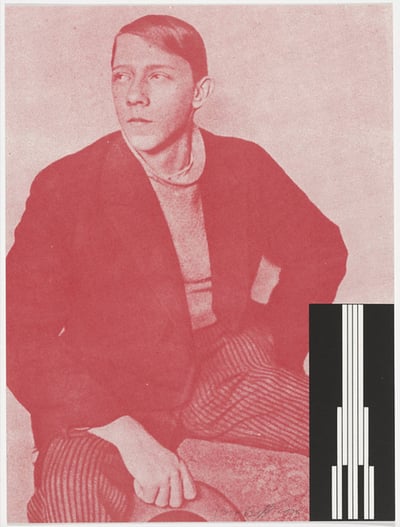
A screenprint by Dan Flavin from the historic New York Collection for Stockholm portfolio, published in 1973 by Experiments in Art and Technology (E.A.T.). Flavin's contribution translates his radical light installations — composed of commercial fluorescent tubes — into the flat medium of print, retaining the luminous purity and spatial awareness that define his practice. This landmark collaborative edition of 300, conceived by artists including Warhol, Rauschenberg and Oldenburg, bridged the New York and Stockholm art worlds at a pivotal moment in postwar art. Hand-signed and numbered by Flavin.
Artwork Copyright © Dan FlavinDan Flavin (USA, 1933–1996) was a pioneering Minimalist artist renowned for his use of fluorescent light. By arranging colored tubes in geometric forms, he transformed spaces with ambient light, exploring the interplay of color, shadow, and perception.
Artwork Copyright © Dan FlavinUntitled from The New York Collection for Stockholm, 1973
Form
Medium
Size
- Inches
- Centimeters
Edition
Price
- USD
- EUR
- GBP
- CHF
- Authenticity Guaranteed
- Insured Shipping
- Online Since 2005
●Inventory 16887
●Signed
●Comes with gallery invoice and certificate
●Sell Us a Similar Artwork. Learn more.
Screenprint from a portfolio of seventeen screenprints, nine lithographs, two lithographs with screenprint, one photocopy, and one photograph.
Hand-signed and numbered by Flavin.
From The New York Collection for Stockholm.
Published by Experiments in Art and Technology, Inc., New York.
A screenprint by Dan Flavin from the historic New York Collection for Stockholm portfolio, published in 1973 by Experiments in Art and Technology (E.A.T.). Flavin's contribution translates his radical light installations — composed of commercial fluorescent tubes — into the flat medium of print, retaining the luminous purity and spatial awareness that define his practice. This landmark collaborative edition of 300, conceived by artists including Warhol, Rauschenberg and Oldenburg, bridged the New York and Stockholm art worlds at a pivotal moment in postwar art. Hand-signed and numbered by Flavin.
Artwork Copyright © Dan FlavinDan Flavin (USA, 1933–1996) was a pioneering Minimalist artist renowned for his use of fluorescent light. By arranging colored tubes in geometric forms, he transformed spaces with ambient light, exploring the interplay of color, shadow, and perception.
Artwork Copyright © Dan Flavin- Recently Added
- Price (Low-High)
- Price (High-Low)
- Year (Low-High)
- Year (High-Low)
Dan Flavin
Untitled from The New York Collection for Stockholm, 1973
Limited Edition Print
Screen-print
GBP 2,340
Dan Flavin
Guggenheim Tondo, 1992
Sculpture / Object
Mixed Media
EUR 7,500
Related Artists

Related Articles
Popular, Artists, Art Movements - May 5, 2022
9 Essential Artists of the The Minimalist School
Discover 9 essential artists of the Minimalist movement, including Donald Judd and Agnes Martin. Explore their transformative impact on modern art and design.Read More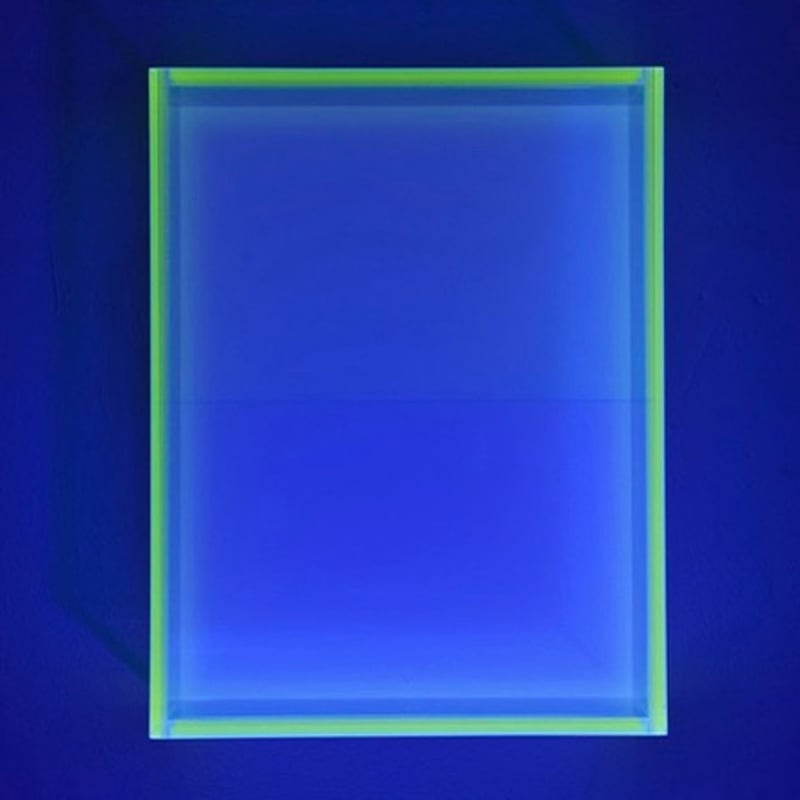

Artwork by John Baldessari
What is conceptual art?
Sometimes referred to as Conceptualism, this is an art form where the idea(s) or concept(s) behind the work take precedence over material concerns and traditional aesthetics. Many conceptual artworks can be created by anyone simply by following written instructions. The concept or idea is the most essential aspect of the artwork.


Dan Flavin
Untitled from The New York Collection for Stockholm, 1973
30.5 x 22.8 cm


