
What is site specific art?
- Show All
- Established
- Discoveries
- Show All
Artworks Related to Site Specific Art
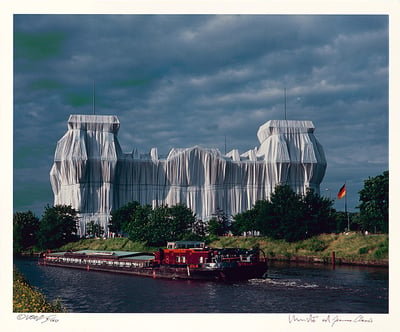
Javacheff Christo
Reichstag Mappe II, Nordfassade, 1995
Photography
Photograph
EUR 4,800
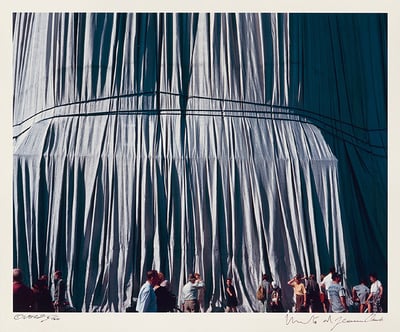
Javacheff Christo
Reichstag Mappe II, Faltenwurf, 1995
Photography
Photograph
EUR 4,800
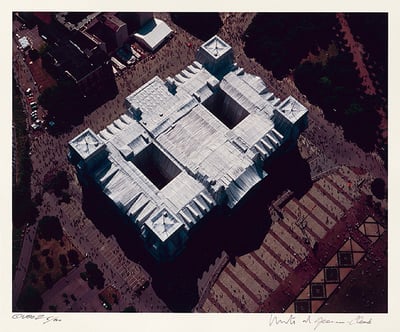
Javacheff Christo
Reichstag Mappe II, Dach, 1995
Photography
Photograph
EUR 4,800
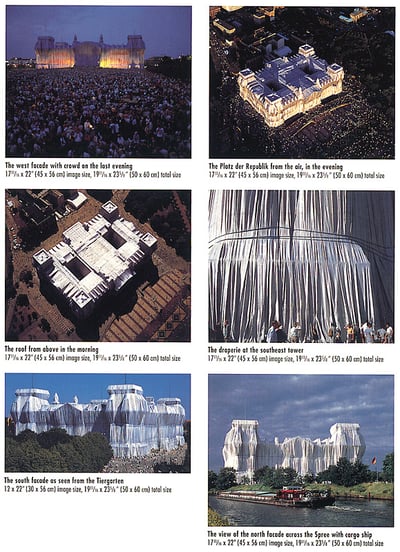
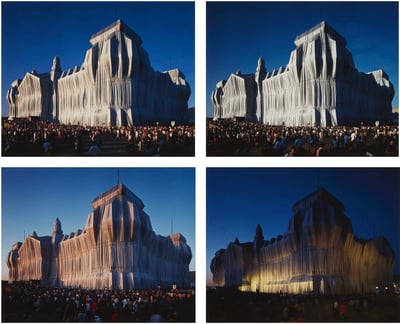
Javacheff Christo
Reichstag Mappe II, 6 Blatt, 1990–2000
Limited Edition Print
Photograph
EUR 24,000
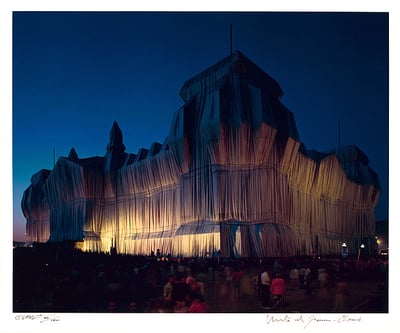
Javacheff Christo
Reichstag Mappe I, 4 Blatt + 2 Text, 1990–2000
Limited Edition Print
Photograph
EUR 17,000
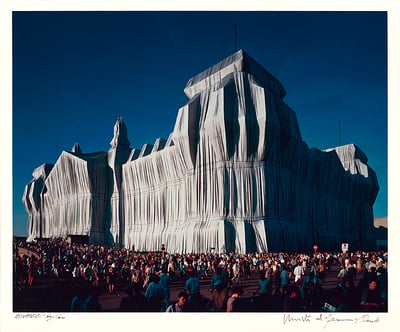
Javacheff Christo
Reichstag Mappe I, 22 Uhr, 1995
Limited Edition Print
Photograph
EUR 4,800
Javacheff Christo
Reichstag Mappe I, 16 Uhr, 1995
Limited Edition Print
Photograph
EUR 4,800
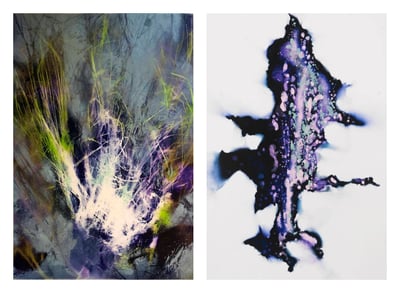
Katharina Grosse
Cokeypane (set of 2), 2011
Limited Edition Print
Lithograph
EUR 10,625
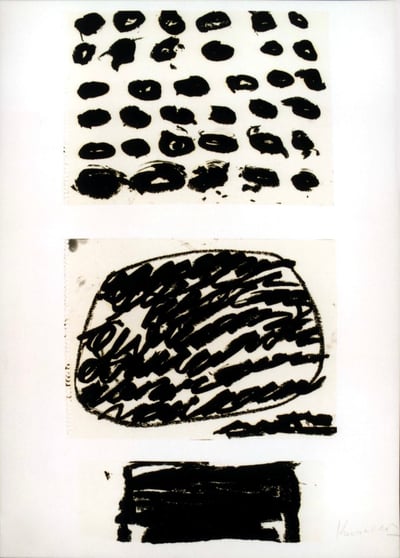
Jannis Kounellis
Homage to Federico Garcia Lorca, 2001
Limited Edition Print
Silkscreen
Currently Not Available
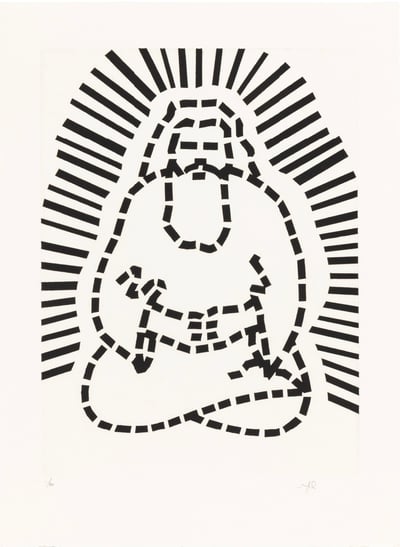
Roy Lichtenstein
Passage Du Nord-ouest, 1992
Limited Edition Print
Etching and Aquatint
USD 10,400

Anish Kapoor
Breathing Blue, 2020
Limited Edition Print
Digital Print on paper
GBP 5,300
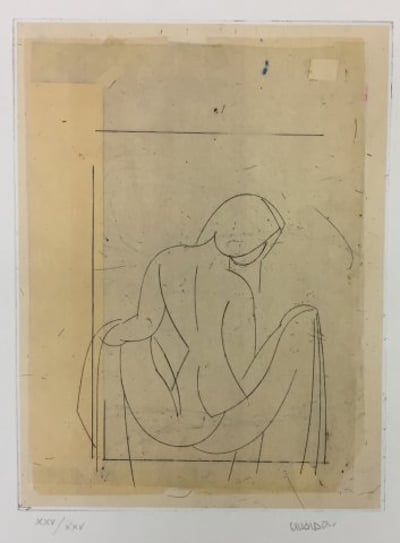
Manolo Valdés
Desnudo I, 2002
Limited Edition Print
Etching
EUR 1,875
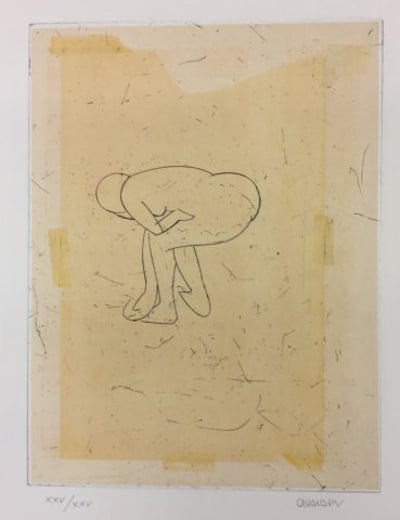
Manolo Valdés
Desnudo VI, 2002
Limited Edition Print
Etching
EUR 1,900
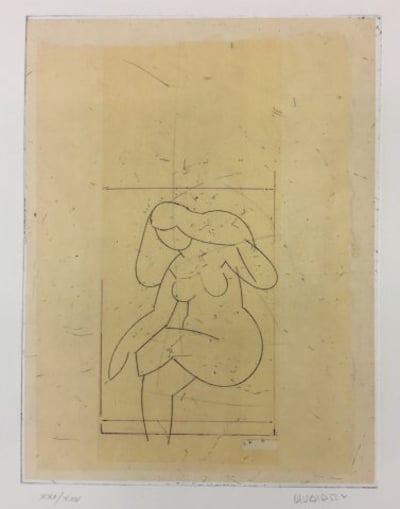
Manolo Valdés
Desnudo XIII, 2002
Limited Edition Print
Etching
EUR 1,875
Manolo Valdés
Condeduque, 1987
Limited Edition Print
Etching
Currently Not Available
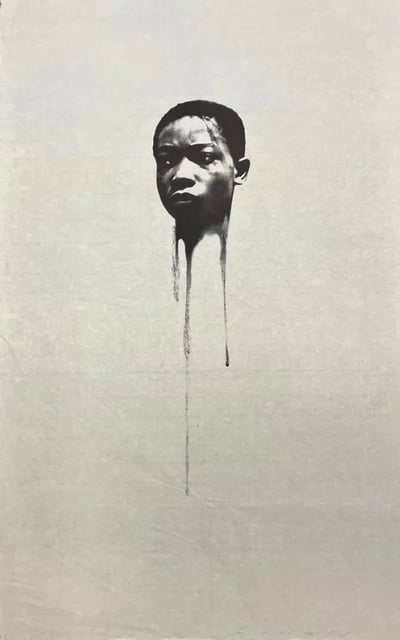
Jaume Plensa
Alban Berg, 2008
Limited Edition Print
Mixed Media
EUR 3,720
Related Articles
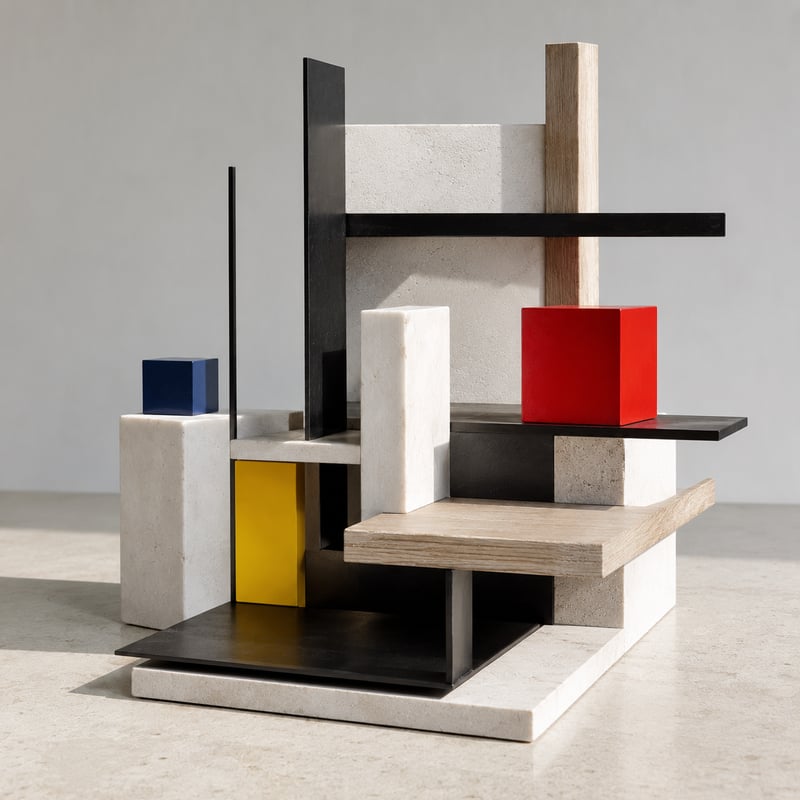
De Stijl, meaning The Style, was a group of Dutch artists who created abstract art based on strict adherence to vertical and horizontal geometry. The group was founded by Piet Mondrian and Theo van Doesburg in 1917. Mondrian eventually left De Stijl when Van Doesburg began incorporating diagonal geometry into his work, which Mondrian felt deviated from the group's principles.

The term medium in art refers both to the type of art being created and the materials used to make the artwork. For example, painting, printmaking, and sculpture are types of art that are referred to as mediums. The materials used in these mediums include oils, acrylics, inks, and clay.

Drypoint is an intaglio printmaking technique where an image is incised onto a plate using a sharp, pointed tool, typically a needle made of metal or diamond. Traditionally, copper plates were used, but today zinc, plexiglass, or acetate are also common. Drypoint is easier for drawing artists to master compared to engraving, as the needle technique resembles drawing with a pencil rather than the more complex burin used in engraving.
Can't find your Answer?
Thank you! Your question has been sent — we'll get back to you shortly.
