
What is site specific art?
- Show All
- Established
- Discoveries
- Show All
Artworks Related to Site Specific Art

Roni Horn
To Nest, Number 5, 1997 / 2001
Limited Edition Print
Mixed Media
Currently Not Available
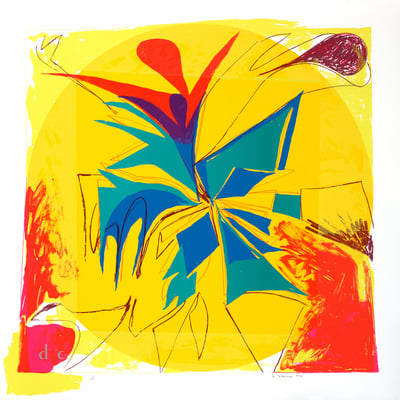
Jessica Stockholder
d c tree, 2011
Limited Edition Print
Monoprint
USD 4,260
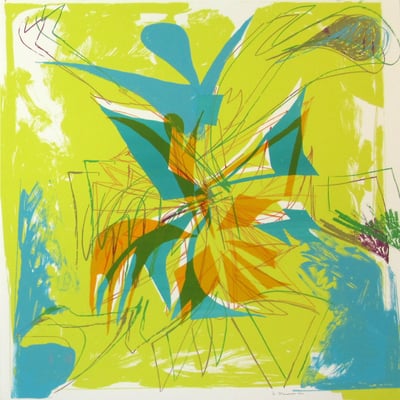
Jessica Stockholder
i a tree, 2011
Limited Edition Print
Monoprint
USD 4,260
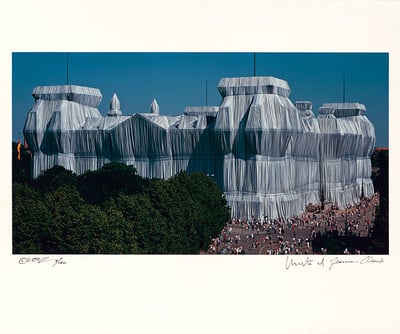
Javacheff Christo
Reichstag Mappe II, Südfassade, 1995
Photography
Photograph
EUR 4,800
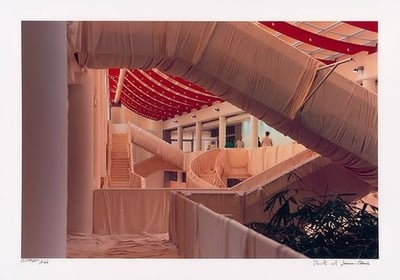
Javacheff Christo
Museum Würth Wrapped Stairs, 1995
Limited Edition Print
Photograph
EUR 6,900
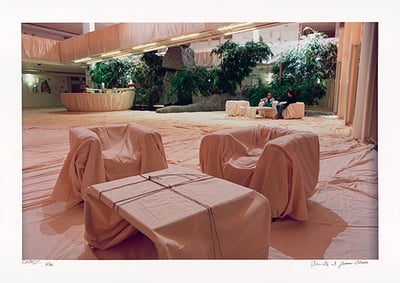
Javacheff Christo
Museum Würth Wrapped Chairs, 1995
Limited Edition Print
Photograph
EUR 6,900
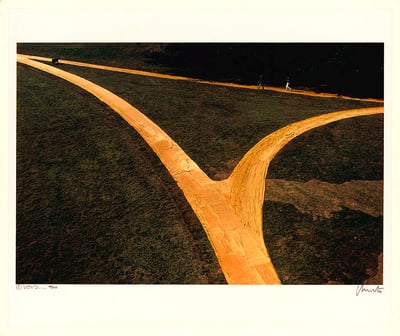
Javacheff Christo
Wrapped Walk Ways, 1978
Limited Edition Print
Photograph
EUR 5,900
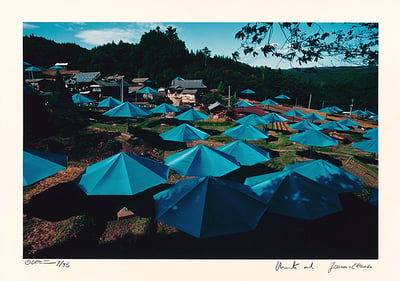
Javacheff Christo
Umbrellas Jinba Blue, 1991
Limited Edition Print
Photograph
EUR 6,900
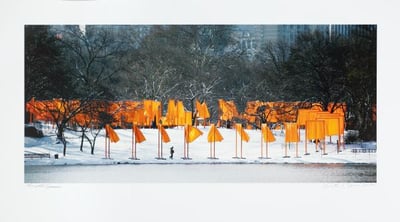
Javacheff Christo
The Gates Rondell, 2005
Photography
Photograph
EUR 19,000
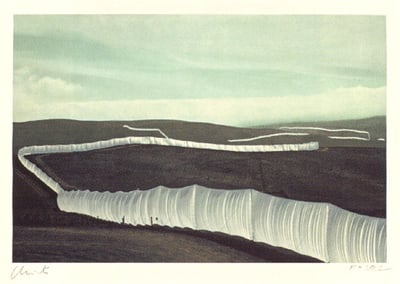
Javacheff Christo
Running Fence, California, 1976
Photography
Screen-print
EUR 3,900
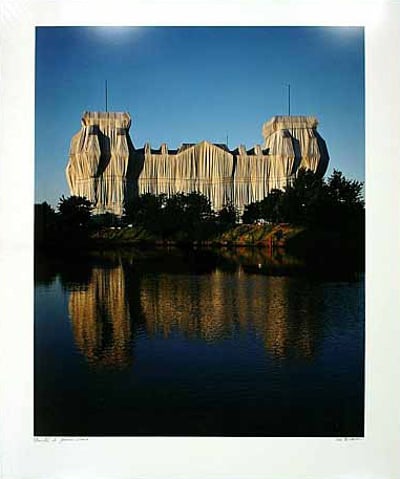
Javacheff Christo
Reichstag/Berlin II Wrapped, 1995
Limited Edition Print
Photograph
EUR 12,000
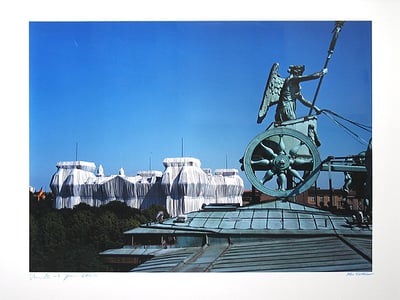
Javacheff Christo
Reichstag/Berlin I Wrapped, 1995
Limited Edition Print
Photograph
EUR 18,000
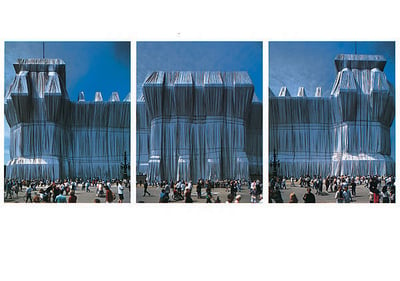
Javacheff Christo
Reichstag Westfassade Triptychon, 1995
Limited Edition Print
Photograph
EUR 28,000
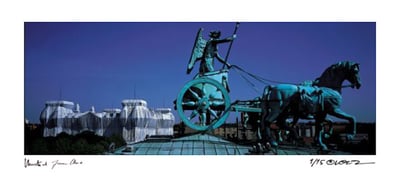
Javacheff Christo
Reichstag Quadriga, 1995
Limited Edition Print
Photograph
EUR 25,000
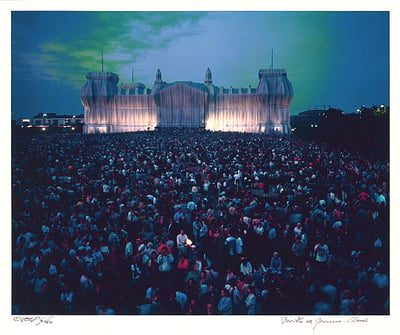
Javacheff Christo
Reichstag Mappe II, Westen, 1995
Photography
Photograph
EUR 4,800
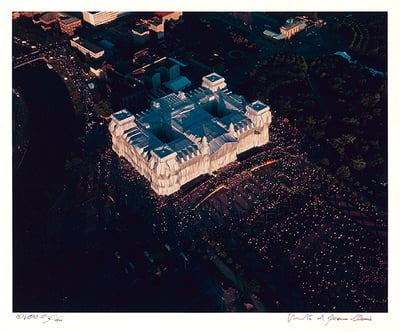
Javacheff Christo
Reichstag Mappe II, Platz, 1995
Photography
Photograph
EUR 4,800
Related Articles
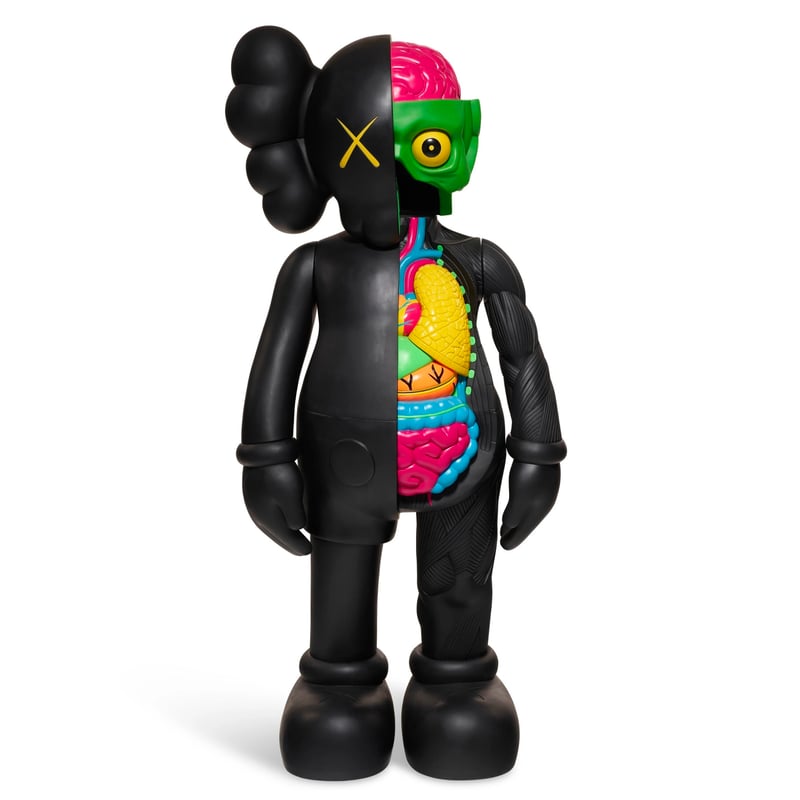
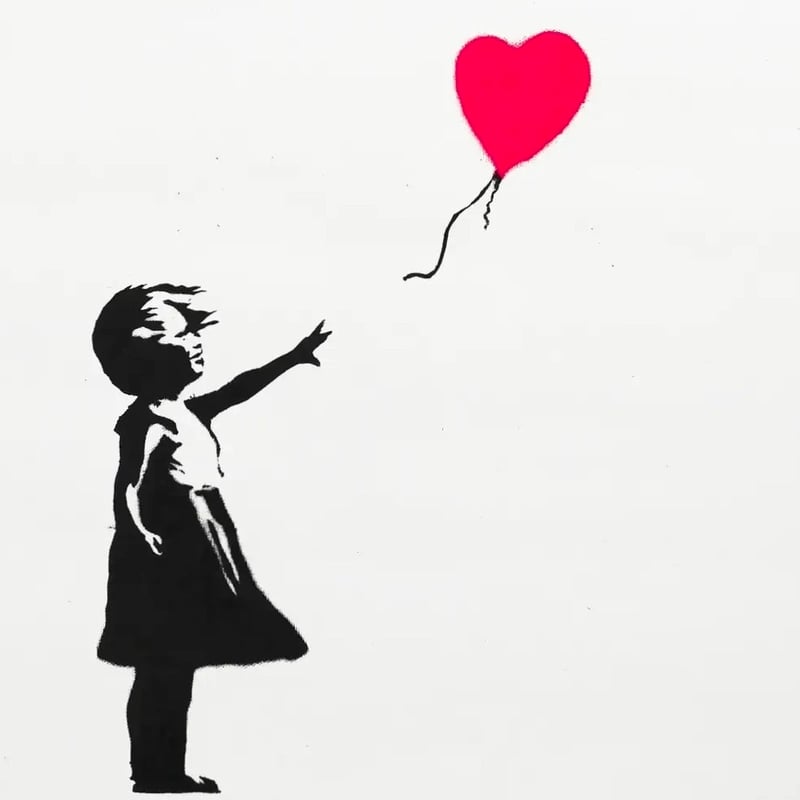
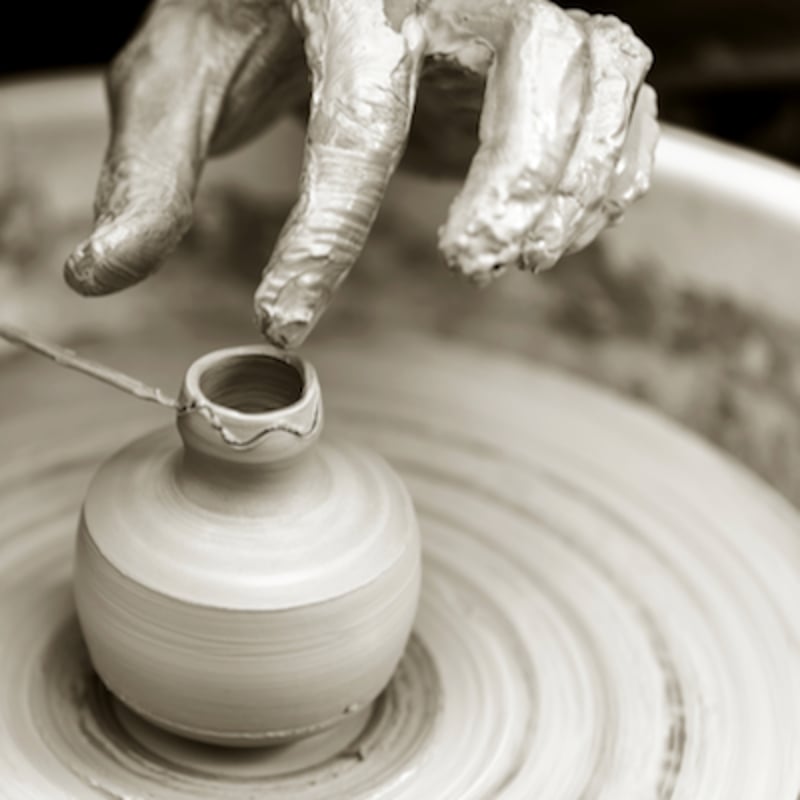
Ceramic is a term used to describe objects made from clay or other inorganic materials. These objects can be either decorative or functional and have been created since at least 4,000 B.C. Ceramic art involves making, decorating, and firing these objects in a kiln, a special high-temperature oven.

Tansaekhwa, also known as monochrome painting, is a movement in Korean art that began in the mid-1970s. These artworks are characterized by the manipulation of painting materials, such as pushing paint, soaking the canvas, ripping paper, or other techniques that alter the medium. Tansaekhwa emphasizes texture, materiality, and the physical process of creating the artwork.
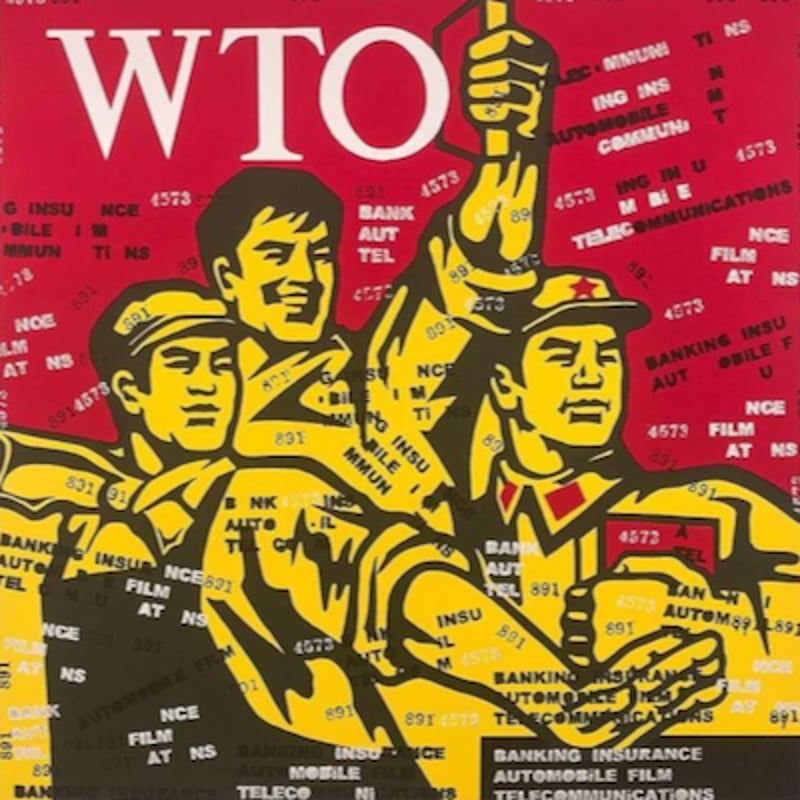
Political Pop was an art movement that emerged in China during the 1980s, blending the Pop Art style of Western countries with the socialist realism of China. This movement arose during a time of rapid social and political change in China, as artists sought to create works that questioned and critiqued these cultural shifts. Political Pop often juxtaposed iconic images from Chinese propaganda with Western consumer culture, highlighting the tensions between tradition and modernization.
Can't find your Answer?
Thank you! Your question has been sent — we'll get back to you shortly.
