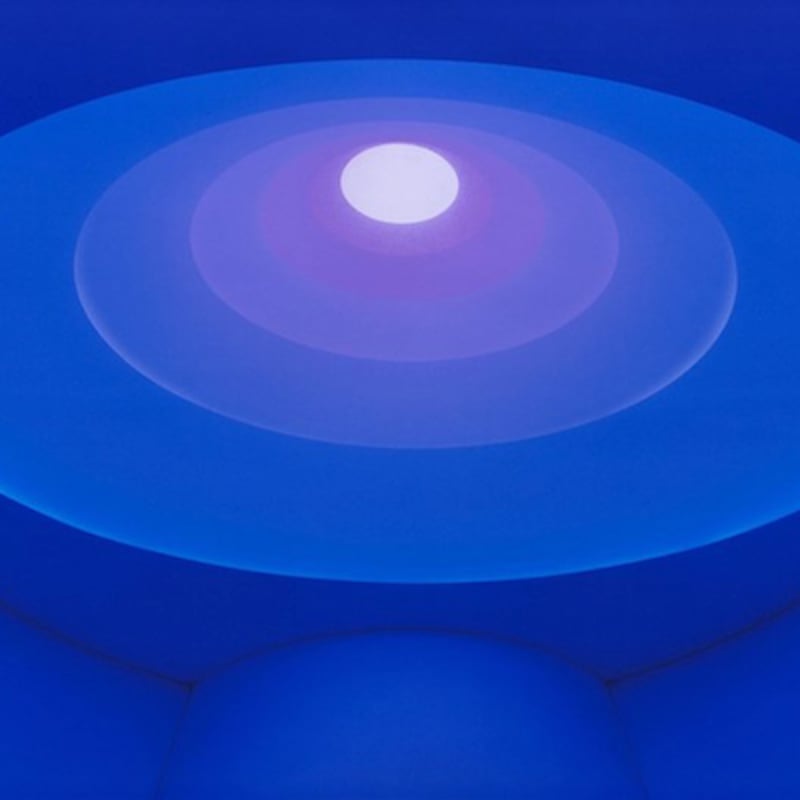
What is ‘light and space’?
- Show All
- Established
- Discoveries
- Show All
Artworks Related to Light and Space
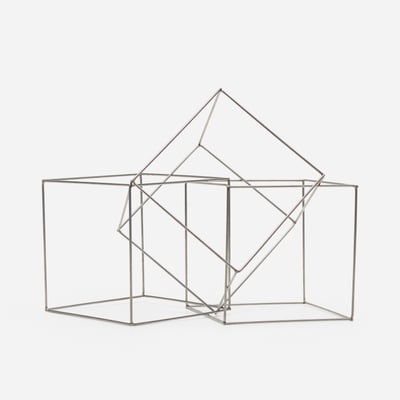
Francois Morellet
Trois cubes imbriqués, 1977
Sculpture / Object
Metal
EUR 6,990
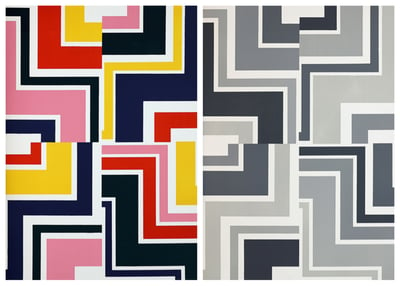
David Batchelor
CV (diptych), 2022
Limited Edition Print
Lithograph
Currently Not Available
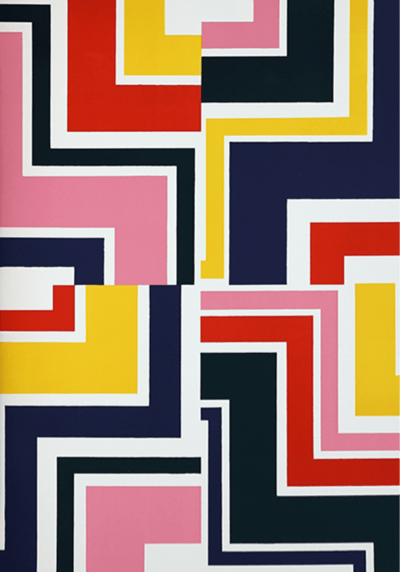
David Batchelor
CV2, 2022
Limited Edition Print
Lithograph
EUR 2,000
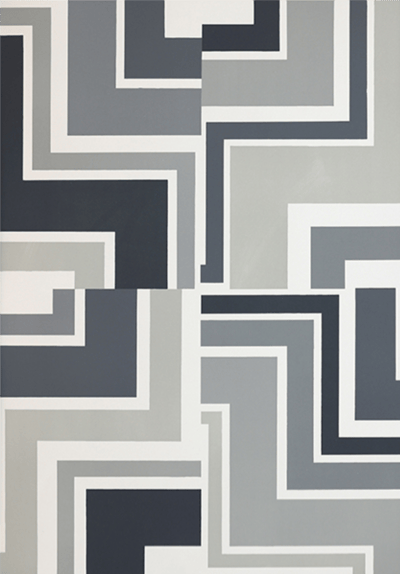
David Batchelor
CV1, 2022
Limited Edition Print
Lithograph
EUR 2,000
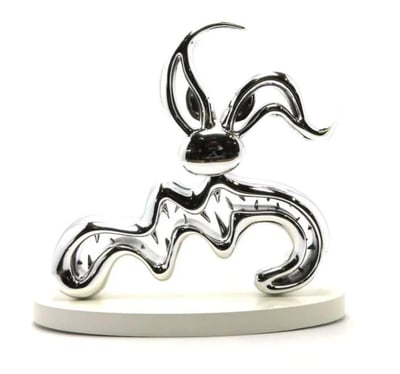
Kenny Scharf
Scary Guy, 2015
Sculpture / Object
Mixed Media
Currently Not Available
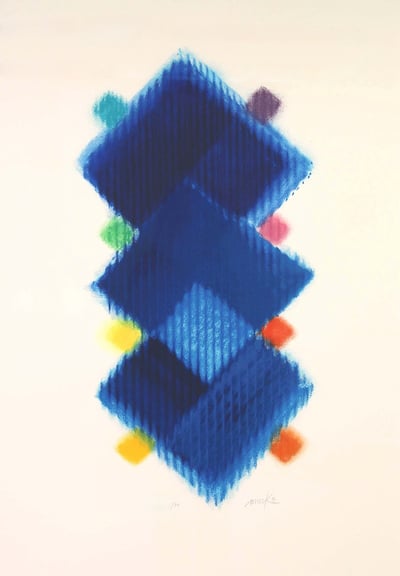
Heinz Mack
Kleiner Dreiklang, 1994
Limited Edition Print
Silkscreen
EUR 6,970
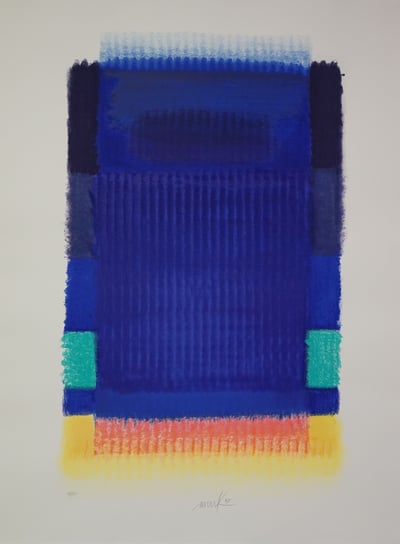
Heinz Mack
Blaues Feld mit Rosa, 1997
Limited Edition Print
Silkscreen
EUR 5,800
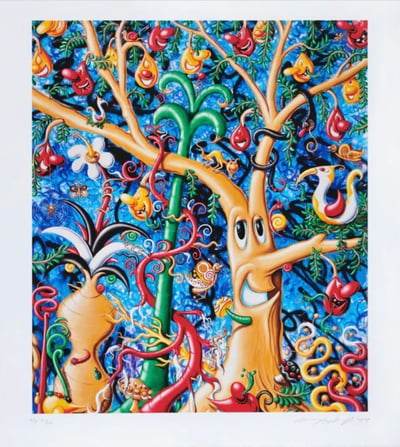
Kenny Scharf
Jungleyea, 2010
Limited Edition Print
Archival Print
USD 2,490
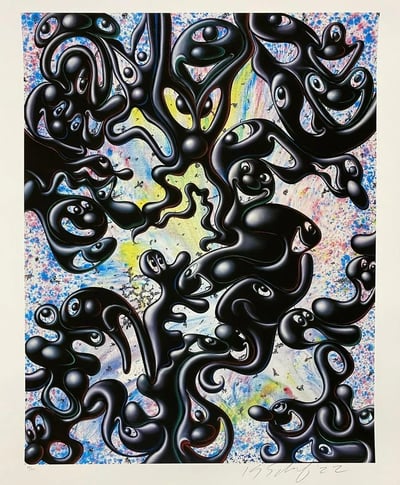
Kenny Scharf
Klobz, 2022
Limited Edition Print
Archival Print
USD 2,500
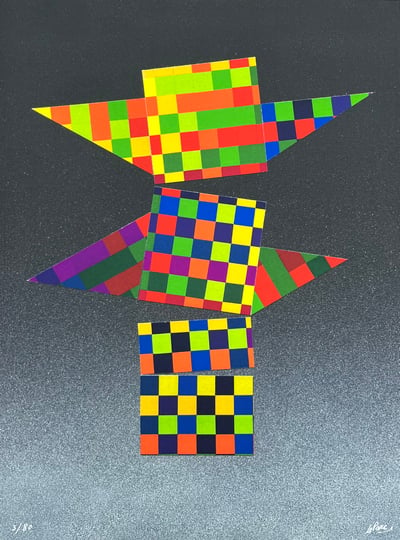
Julio Le Parc
Damier, 2022
Limited Edition Print
Digital Print on paper
EUR 1,000
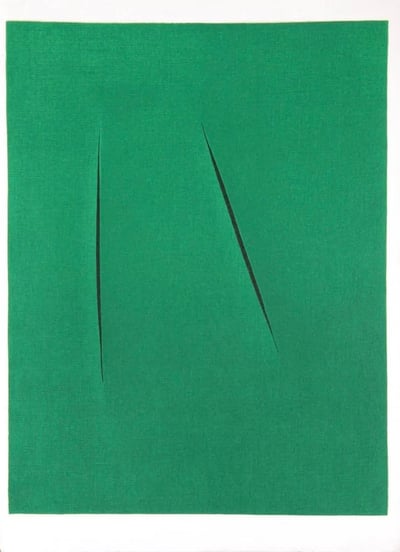
Lucio Fontana
Concetto Spaziale, 1975
Limited Edition Print
Lithograph
Currently Not Available
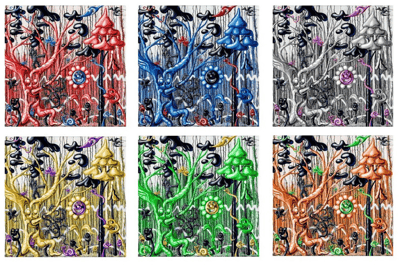
Kenny Scharf
Furungle (Suite of 6), 2021
Limited Edition Print
Mixed Media
USD 29,000

Francois Morellet
Untitled (Intersecting Lines), 1975
Limited Edition Print
Lithograph
EUR 1,375

Francois Morellet
Untitled (black Grid Pattern), 1975
Limited Edition Print
Lithograph
EUR 1,375
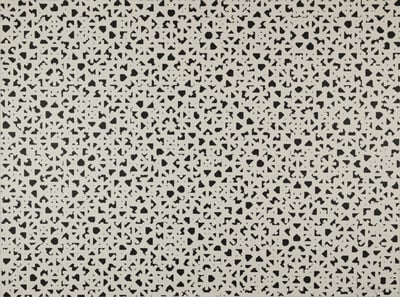
Francois Morellet
Trames
Limited Edition Print
Screen-print
EUR 1,400
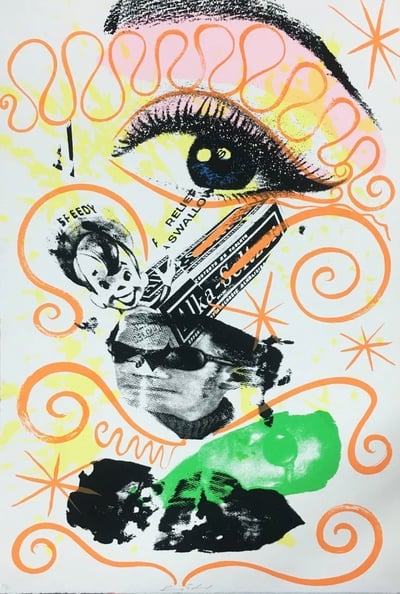
Kenny Scharf
Best Buddies, 1993
Limited Edition Print
Serigraph
USD 1,690
Related Articles
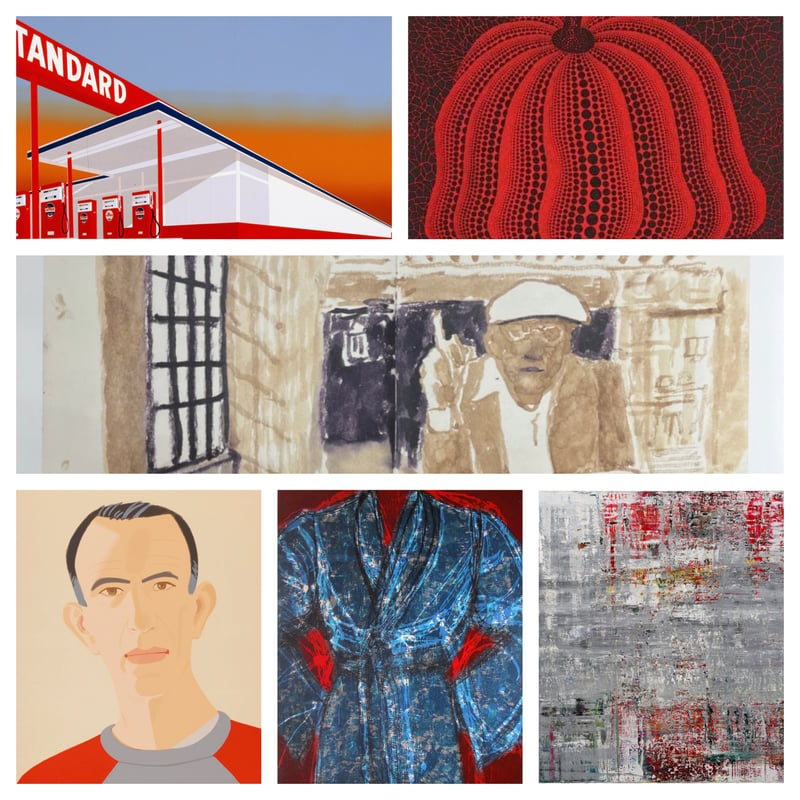
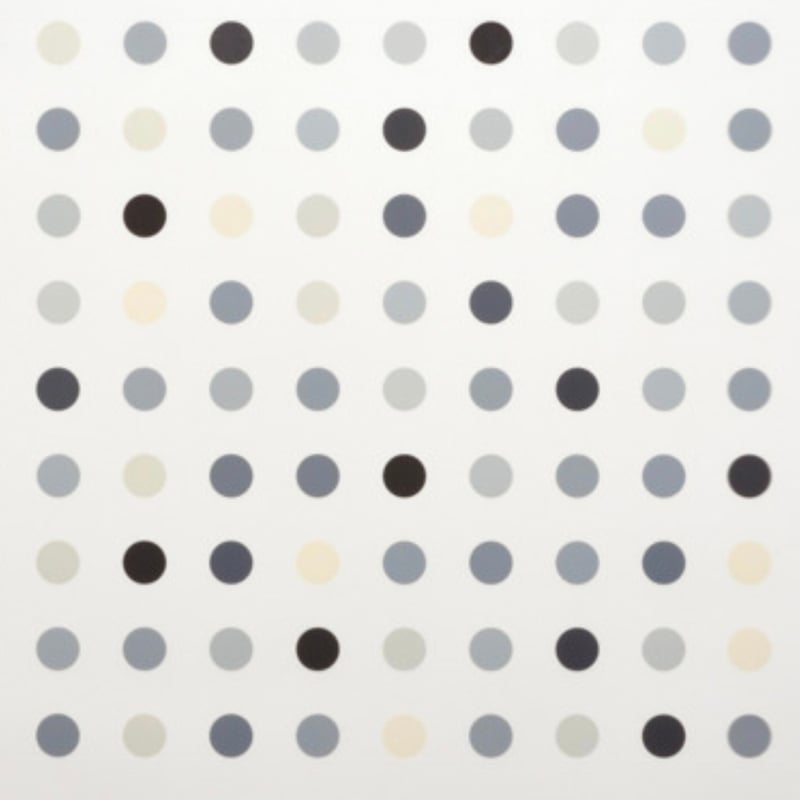

Superflat is an art movement founded by Takashi Murakami, heavily influenced by anime and manga. The term Superflat refers to the flattened forms found in Japanese animation, graphic art, fine arts, and pop culture, as well as the perceived superficiality of Japanese culture. Murakami's movement, which he self-proclaimed, is considered postmodern and critiques both the depth and shallowness of contemporary Japanese society. Superflat has been highly influential in bridging the gap between high art and popular culture.
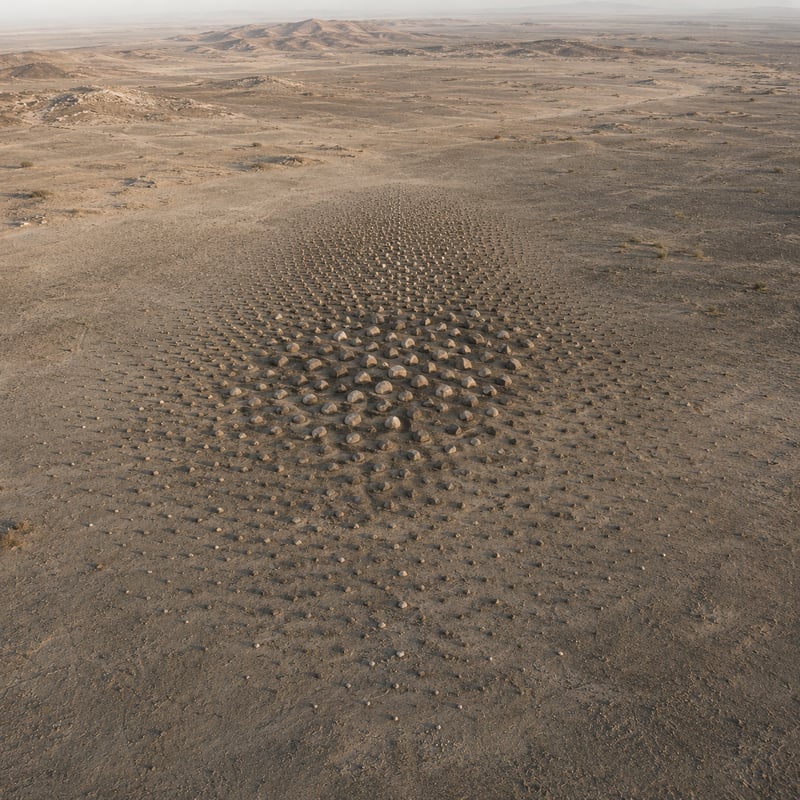
Earth art, also known as Land Art, emerged in the 1960s and 70s as part of the conceptual art movement. It involves creating artworks by sculpting the land or constructing structures in the landscape using natural materials like earth, rocks, or twigs. These works are often large-scale and emphasize the relationship between art and nature.
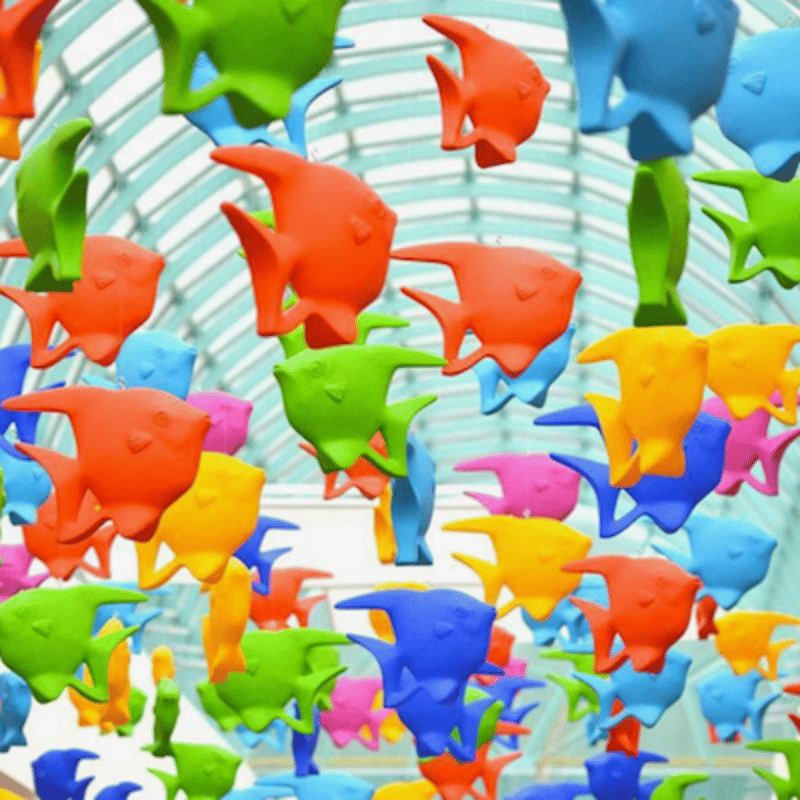
This Italian art movement includes artists from Italy, Belgium, and France who are known for creating public installations using recyclable plastic to craft massive animal sculptures. The artwork explores the rupture between the synthetic and natural worlds, with the plastic construction symbolizing the synthetic, and the animal forms representing the natural world.
Can't find your Answer?
Thank you! Your question has been sent — we'll get back to you shortly.
