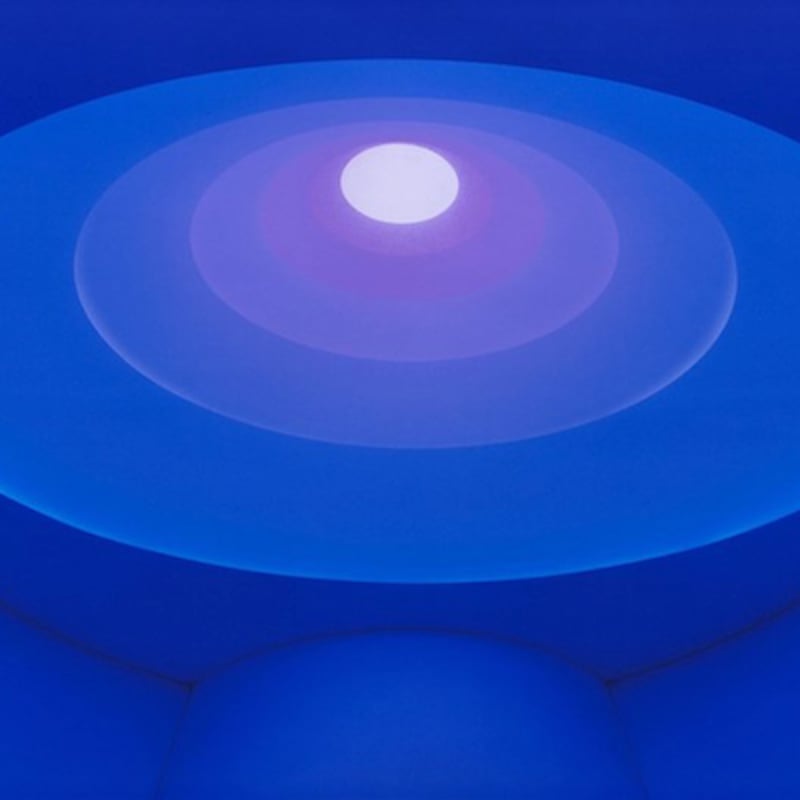
What is ‘light and space’?
- Show All
- Established
- Discoveries
- Show All
Artworks Related to Light and Space

Julio Le Parc
Dessin Infinie 8, 2022
Drawing / Watercolor
Marker
EUR 2,000
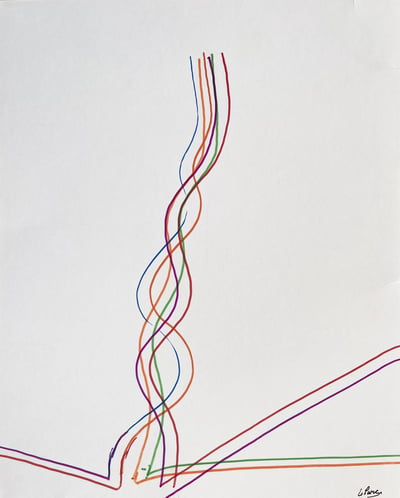
Julio Le Parc
Dessin Infinie 6, 2022
Drawing / Watercolor
Marker
EUR 2,000
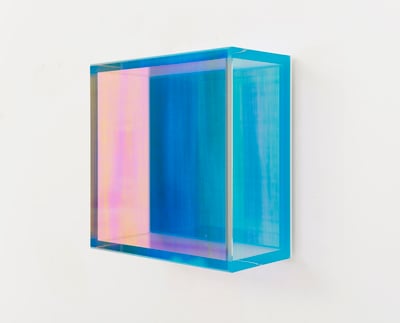
Regine Schumann
Color mirror turquoise Gent, 2023
Sculpture / Object
Acrylic sculpture
EUR 4,500
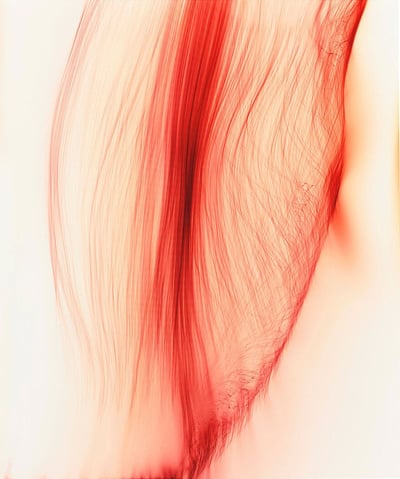
Wolfgang Tillmans
Doing well, 2001
Photography
C-Print
USD 100,000 - 110,000
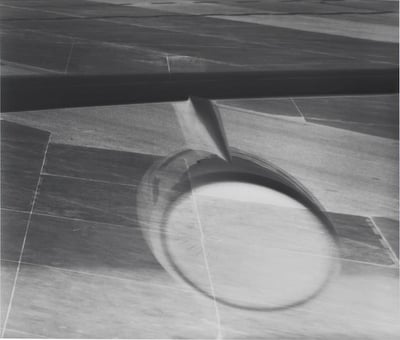
Vera Lutter
Engine Frankfurt Airport, 2001
Photography
Gelatin Silver Print
Currently Not Available
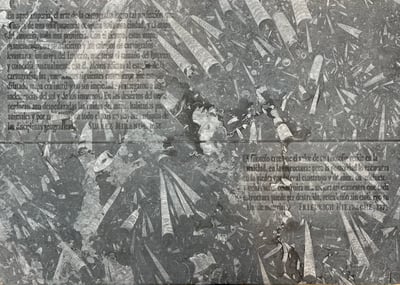
Joseph Kosuth
El mapa de Miranda y la disciplina de Nietzsche, 2004
Sculpture / Object
Engraving
USD 6,000
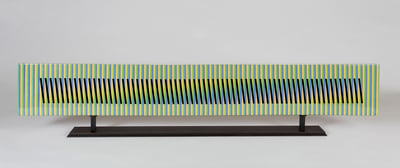
Carlos Cruz-Diez
Stèle horizontale 9, 2008
Ceramics
Ceramic
EUR 12,000
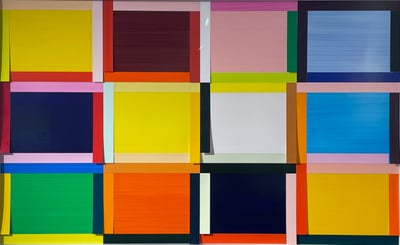
Imi Knoebel
Basel Fenster 5 ED, 2020
Limited Edition Print
Mixed Media
Currently Not Available
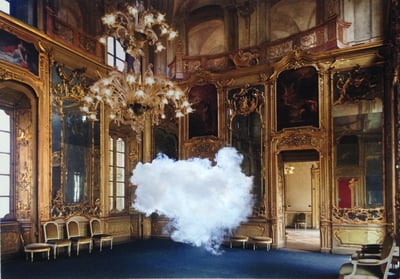
Berndnaut Smilde
La Nona Nuvola, 2016
Limited Edition Print
Digital Print on paper
EUR 1,500
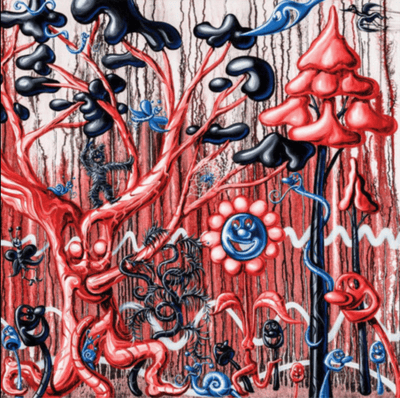
Kenny Scharf
Furungle 6, 2021
Limited Edition Print
Mixed Media
USD 5,790
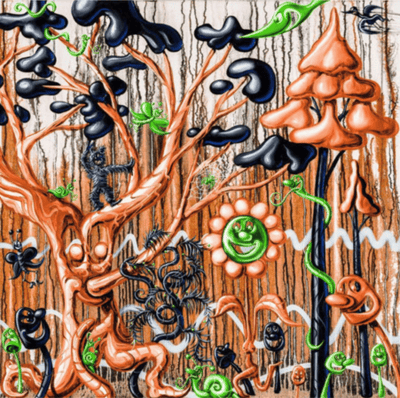
Kenny Scharf
Furungle 5, 2021
Limited Edition Print
Mixed Media
USD 5,790
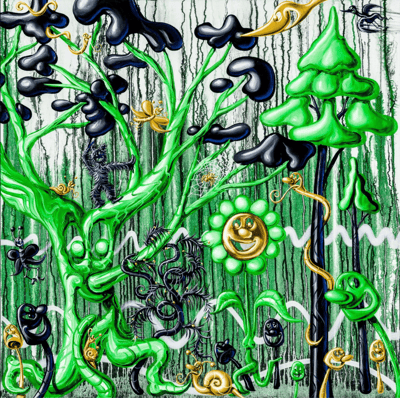
Kenny Scharf
Furungle 4, 2021
Limited Edition Print
Mixed Media
USD 5,790
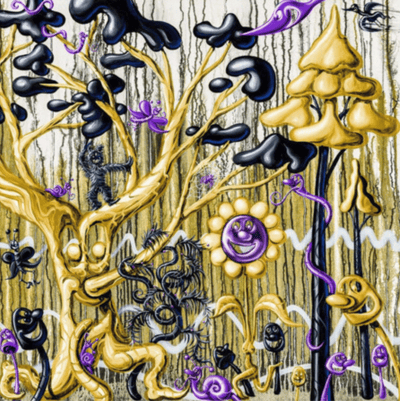
Kenny Scharf
Furungle 3, 2021
Limited Edition Print
Mixed Media
USD 5,790
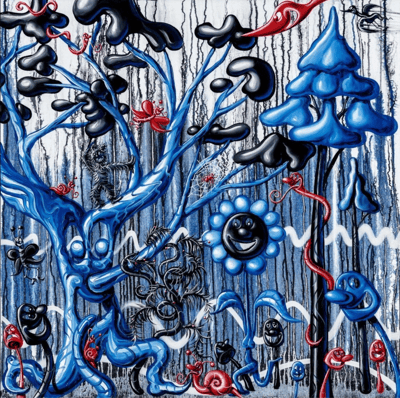
Kenny Scharf
Furungle 2, 2021
Limited Edition Print
Mixed Media
USD 5,790
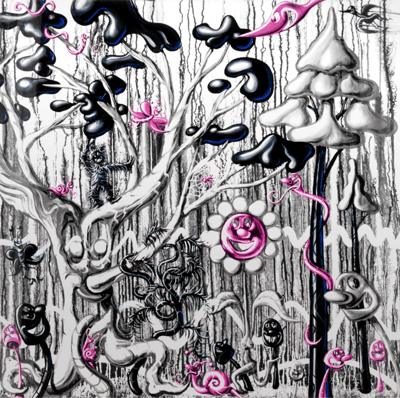
Kenny Scharf
Furungle 1, 2021
Limited Edition Print
Mixed Media
USD 5,790
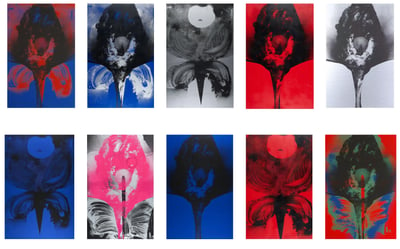
Otto Piene
Addis Abeba, 1972
Limited Edition Print
Silkscreen
EUR 19,500
Related Articles
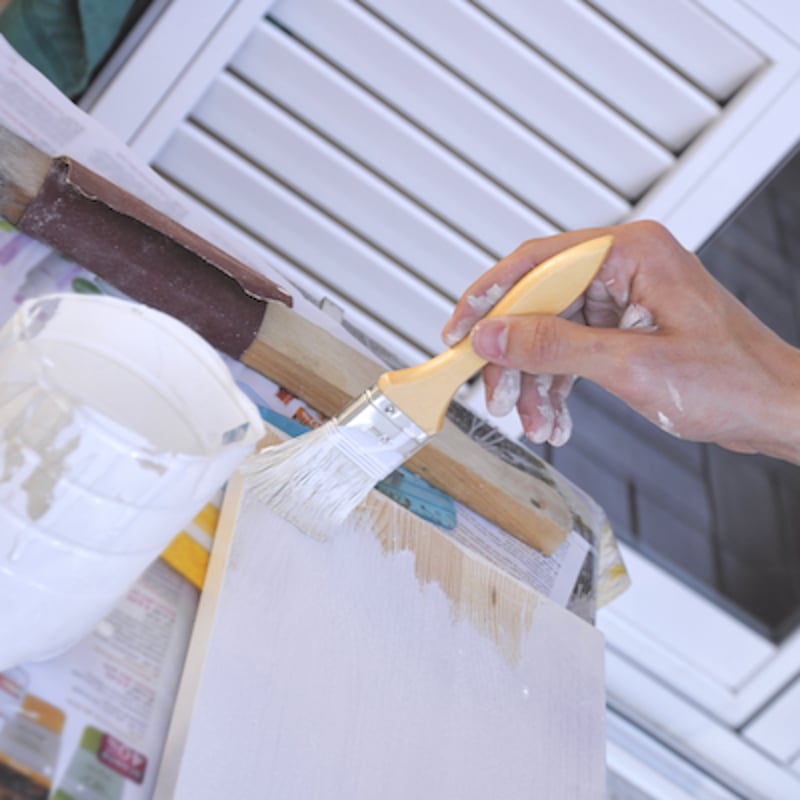
Bricolage is the creation or construction of a piece of art using materials that are readily available to the artist. The term is French and roughly translates to do-it-yourself. This approach became popular when materials were scarce, encouraging artists to improvise and repurpose everyday objects. Bricolage emphasizes creativity and resourcefulness, often resulting in artworks that reflect the unique character of the materials used.

Wax is a solid material derived from plant, animal, and petroleum sources. It is used to protect paints from wear, create sculptures, make wax crayons and colored pencils, and for encaustic painting. In encaustic painting, colored beeswax is shaped with special tools to create textured, raised surfaces.

Live art is a form of performance that began in the 1960s and is generally exploratory and innovative. It involves a single artist or an artist group presenting the work before a live audience. The performances can include humans, animals, and living plants, often blurring the boundaries between art and life, and encouraging interaction with the audience.
Can't find your Answer?
Thank you! Your question has been sent — we'll get back to you shortly.
