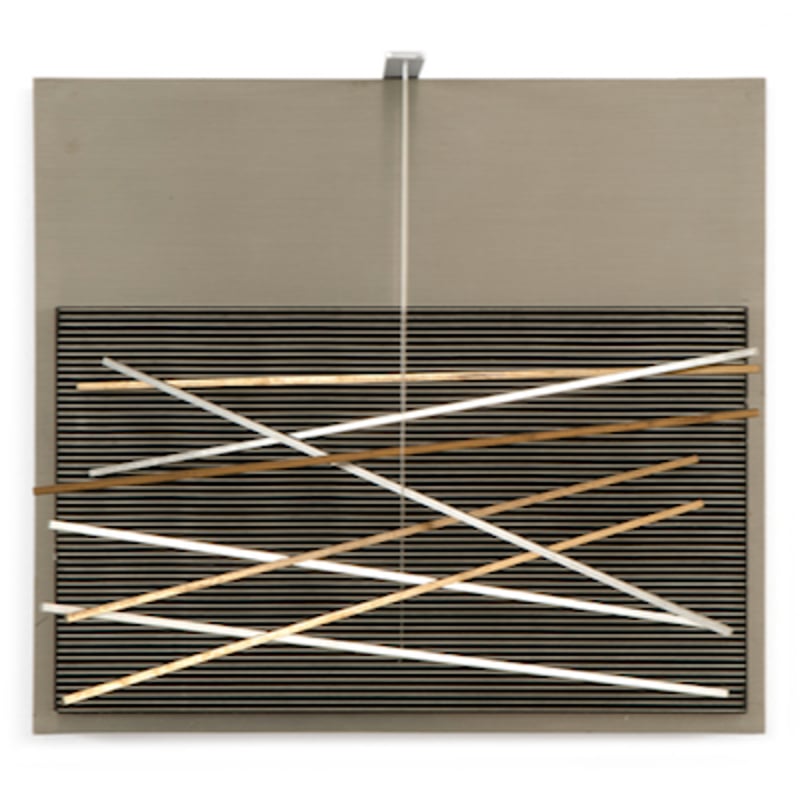
What is kinetic art?
- Show All
- Established
- Discoveries
- Show All
Artworks Related to Kinetic art

Luis Tomasello
Lumiere noire unique II/X, 2011
Sculpture / Object
Mixed Media
EUR 3,500
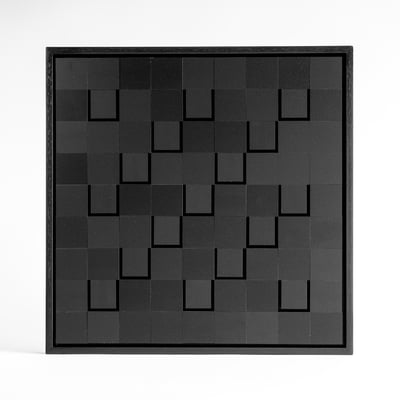
Luis Tomasello
Lumiere noire unique I/X, 2011
Sculpture / Object
Mixed Media
EUR 3,500
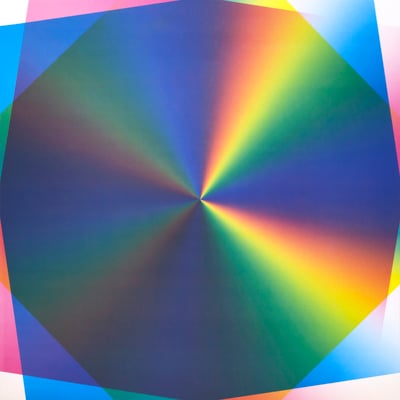
Felipe Pantone
Substractive Variability series 2 – print 5, 2022
Limited Edition Print
Lithograph
EUR 1,500
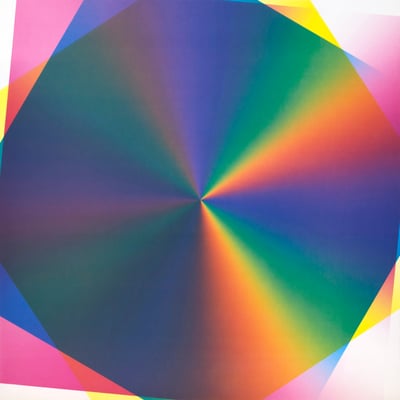
Felipe Pantone
Substractive Variability series 2 – print 4, 2022
Limited Edition Print
Lithograph
EUR 1,500
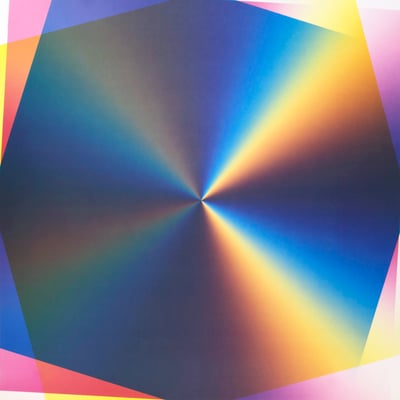
Felipe Pantone
Substractive Variability series 2 – print 3, 2022
Limited Edition Print
Lithograph
EUR 1,500

Felipe Pantone
Substractive Variability series 2 – print 2, 2022
Limited Edition Print
Lithograph
EUR 1,500

Felipe Pantone
Substractive Variability series 2 – print 1, 2022
Limited Edition Print
Lithograph
EUR 1,500
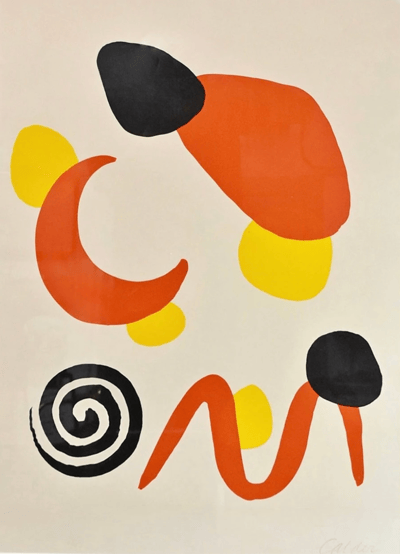
Alexander Calder
Red Moon and Swirl, 1965
Limited Edition Print
Lithograph
Currently Not Available

Felipe Pantone
Chromadynamica 26, 2017
Painting
Acrylic paint
EUR 12,000
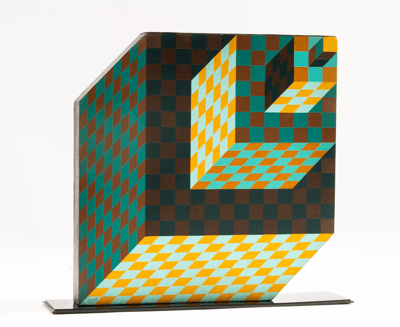
Victor Vasarely
Felhoe (Benavides 1876), 1989
Sculpture / Object
Mixed Media
Currently Not Available
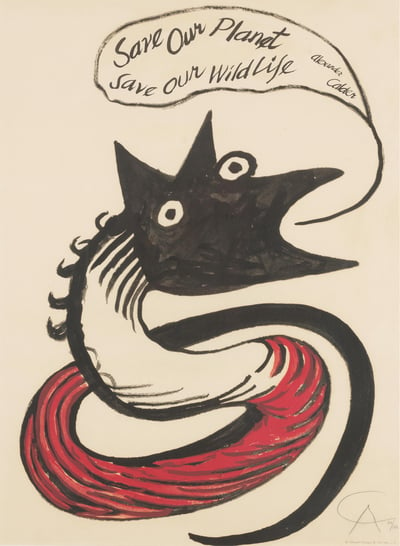
Alexander Calder
Save Our Planet, Save Our Wildlife, 1971
Limited Edition Print
Offset Print
USD 3,000

Gunther Uecker
Graphein VII, Reise Kadmos, 2002
Limited Edition Print
Embossing
EUR 12,000

Gunther Uecker
Graphein VIII, Christen Ägypten, 2002
Limited Edition Print
Embossing
EUR 12,000
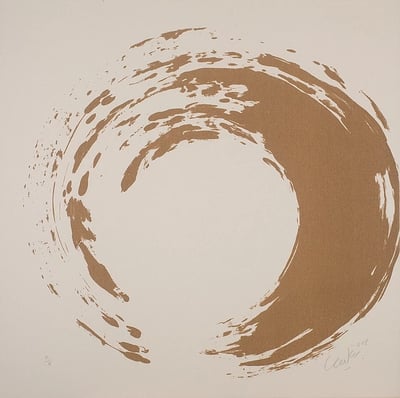
Gunther Uecker
Ouroboros 05, 2018
Limited Edition Print
Mixed Media
EUR 10,000

Victor Vasarely
Omega 25 Blanc, 1965
Sculpture / Object
Mixed Media
Inquire For Price
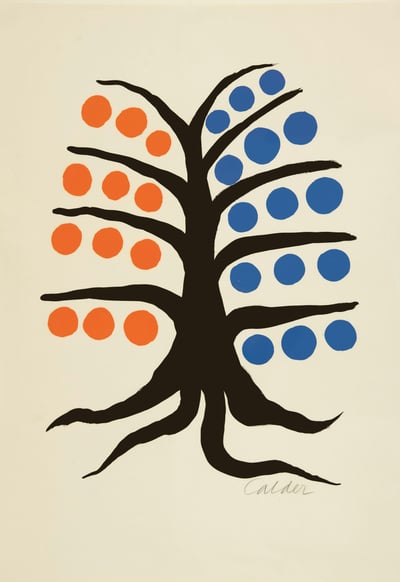
Alexander Calder
Tree, 1972
Limited Edition Print
Lithograph
EUR 3,985
Related Articles


The Düsseldorf School of Photography refers to a group of photographers who studied under Bernd and Hilla Becher at the Kunstakademie Düsseldorf during the 1970s. This group was known for its devotion to the black-and-white industrial images characteristic of the German tradition known as New Objectivity. The photographers focused on precise, methodical documentation of industrial structures, often using a detached and objective approach.
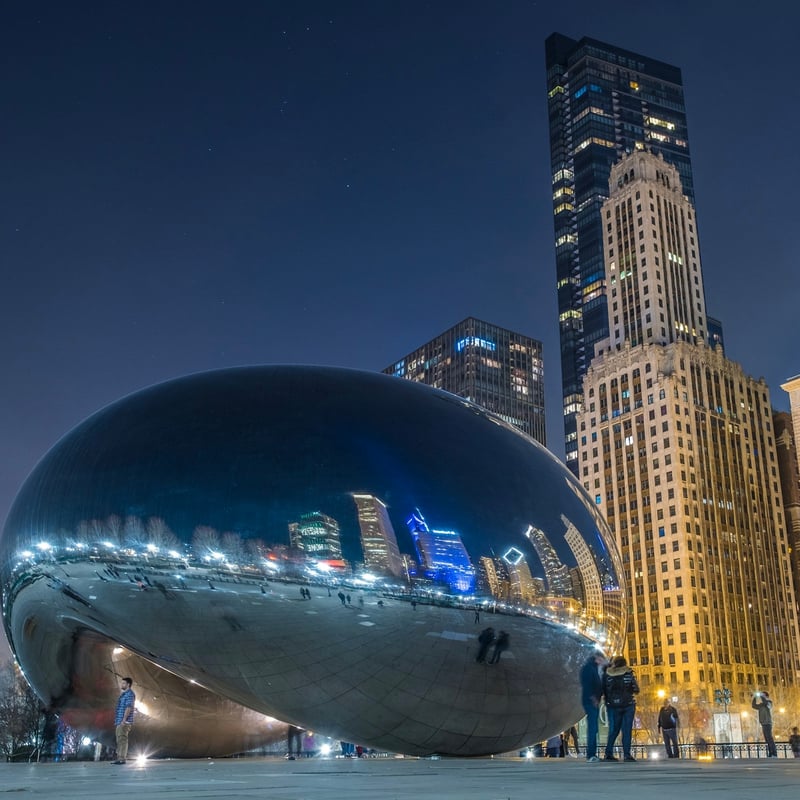
New British Sculpture is the name referring to the work produced by a group of sculptors, installation artists, and other creators who exhibited together in London during the 1980s. This group included artists like Richard Deacon, Richard Wentworth, and Tony Cragg. Tim Woods helped define this movement by identifying four major themes: the blending of kitsch and pop culture, the use of UK urban waste in a bricolage style, the assignment of new meanings to everyday objects, and a playful approach using wit and humor.

An object with distinctive or unusual qualities that naturally draws attention and prompts discussion among people.
Can't find your Answer?
Thank you! Your question has been sent — we'll get back to you shortly.
