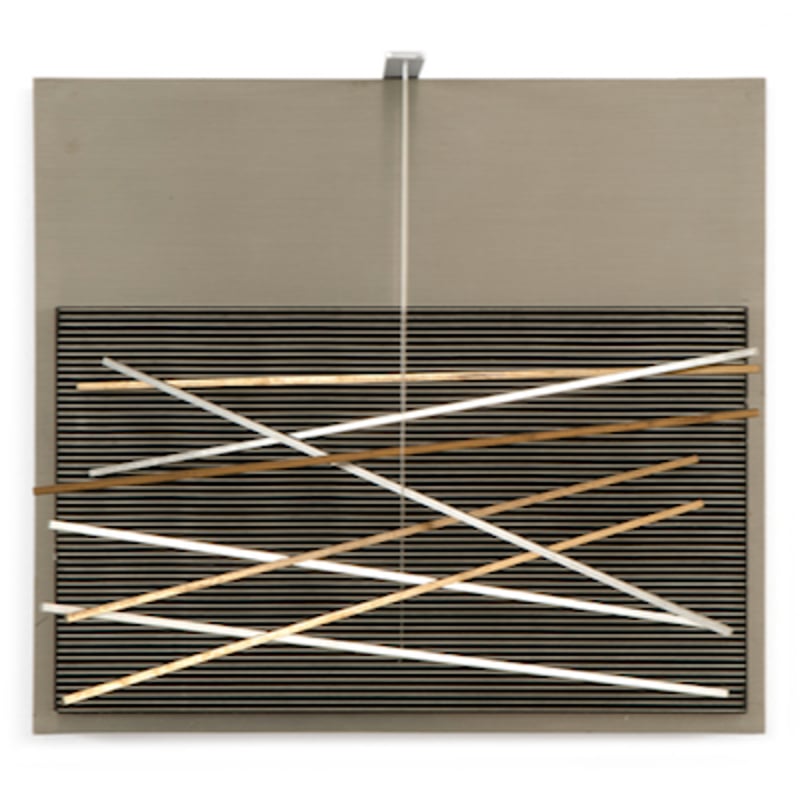
What is kinetic art?
- Show All
- Established
- Discoveries
- Show All
Artworks Related to Kinetic art
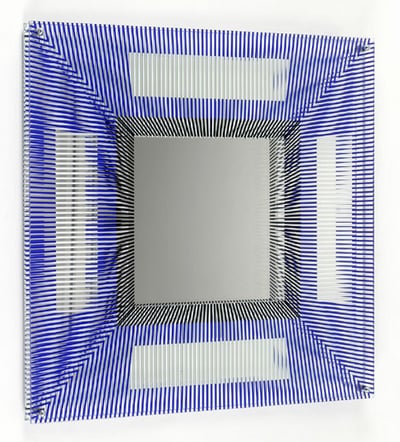
Rafael Jesus Soto
Mirroire, 2005
Sculpture / Object
Glass
EUR 10,000
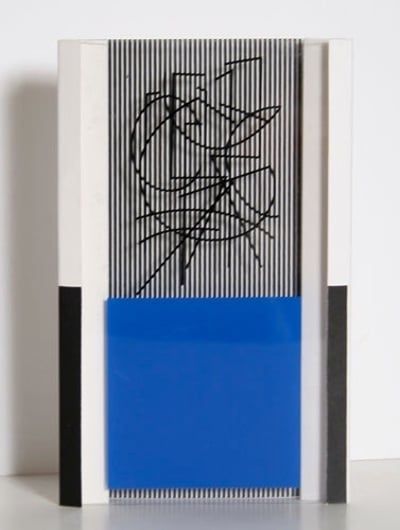
Rafael Jesus Soto
Sans Titre, 2001
Sculpture / Object
Acrylic sculpture
EUR 2,800
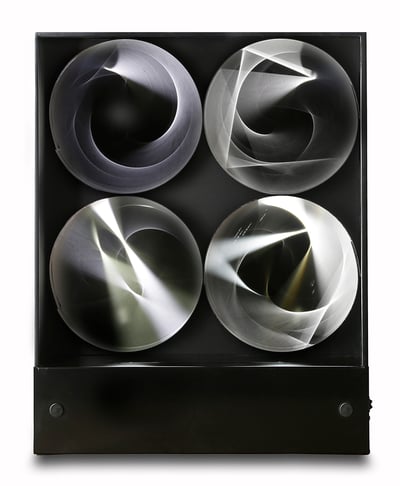
Julio Le Parc
Continuel Lumiere a Cylindres, 1962-2014
Sculpture / Object
Mixed Media
EUR 9,000
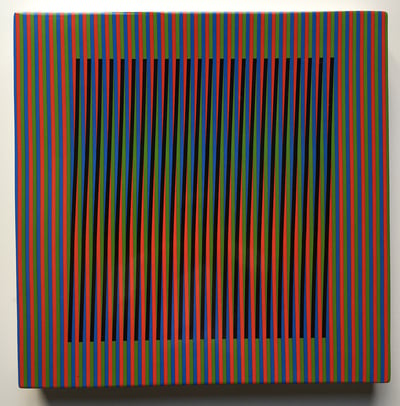
Carlos Cruz-Diez
Céramique # 2, 2008
Ceramics
Ceramic
EUR 12,000
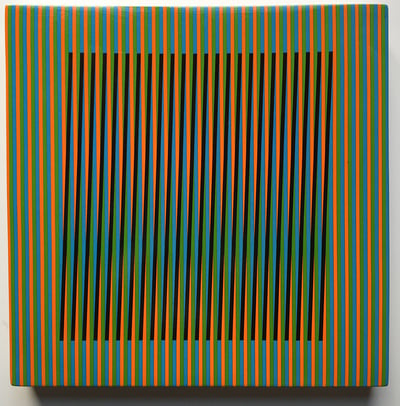
Carlos Cruz-Diez
Céramique # 3, 2008
Ceramics
Ceramic
EUR 12,000
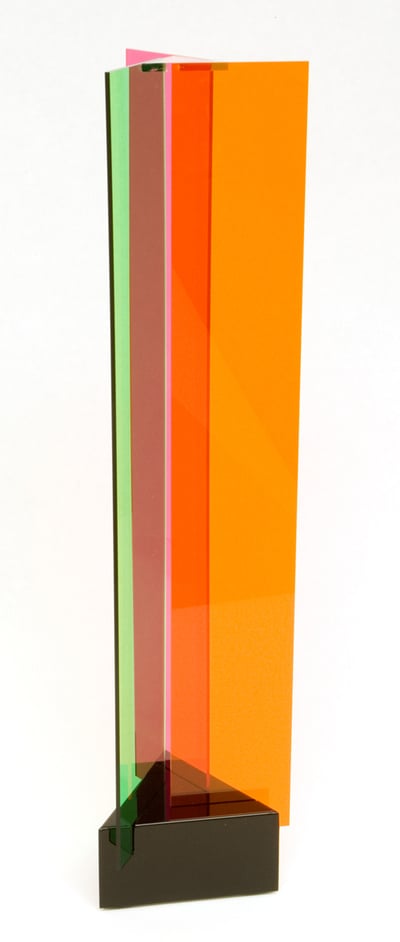
Carlos Cruz-Diez
Transchromie à 3 plaques, 2011
Sculpture / Object
Object
EUR 7,500
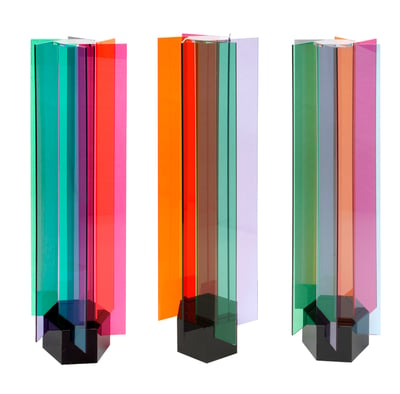
Carlos Cruz-Diez
Transchromies a 6 elements, 2010
Sculpture / Object
Object
EUR 12,000
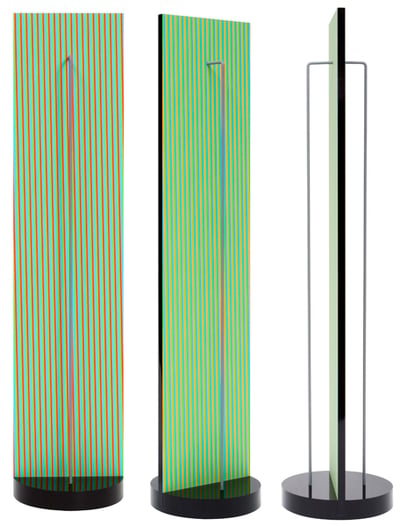
Carlos Cruz-Diez
Couleur a l espace Ariel, 2011
Sculpture / Object
Object
EUR 9,000
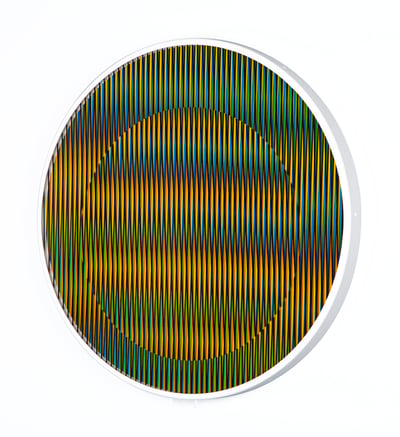
Carlos Cruz-Diez
Chromointerference Manipulable Circulaire B, 2013
Sculpture / Object
Object
EUR 16,000
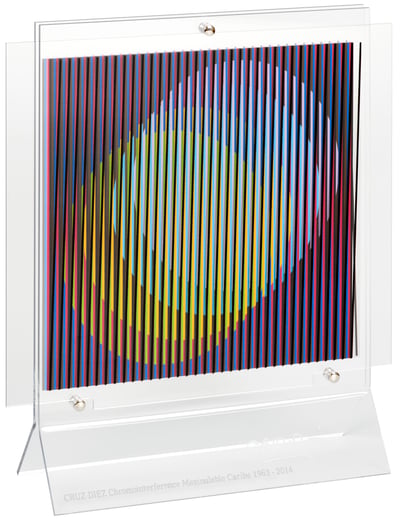
Carlos Cruz-Diez
Chromointerference Manipulable Caribe, 1965 - 2014
Sculpture / Object
Object
EUR 8,000
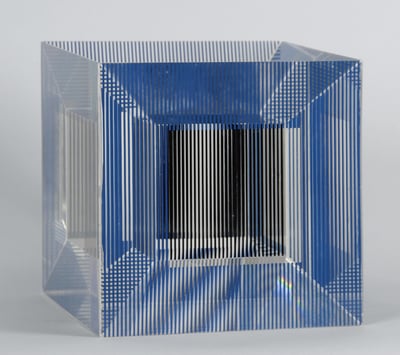
Rafael Jesus Soto
Cube with Ambiguous Space , 1981
Sculpture / Object
Object
Currently Not Available
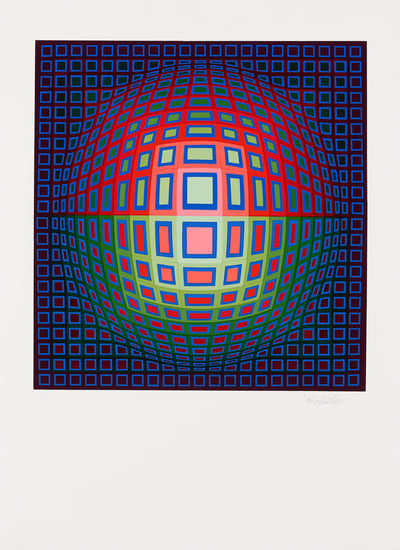
Victor Vasarely
Blue Composition, c. 1980
Limited Edition Print
Serigraph
EUR 1,500
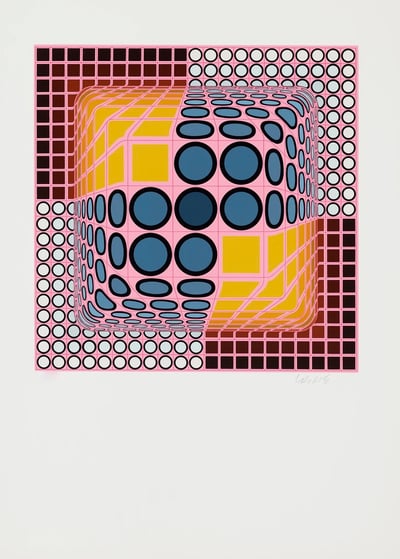
Victor Vasarely
Pink Composition, c. 1980
Limited Edition Print
Serigraph
EUR 1,500
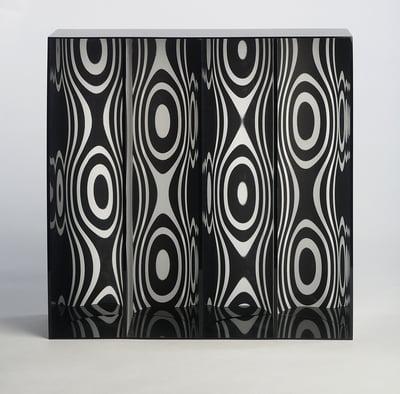
Julio Le Parc
Ondes par déplacement du spectateur, 1965-2012
Sculpture / Object
Acrylic sculpture
EUR 12,000
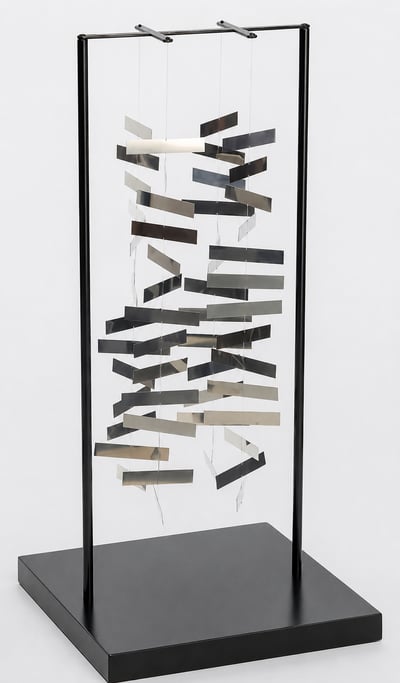
Julio Le Parc
Mobile rectangle dans l'espace, 1967 - 2009
Sculpture / Object
Acrylic sculpture
EUR 16,000
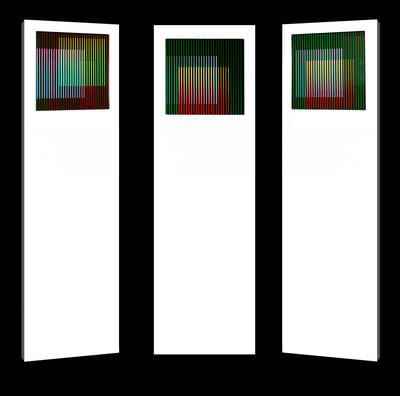
Carlos Cruz-Diez
Chromointerference joaquim, 2012
Sculpture / Object
Acrylic sculpture
EUR 5,200
Related Articles

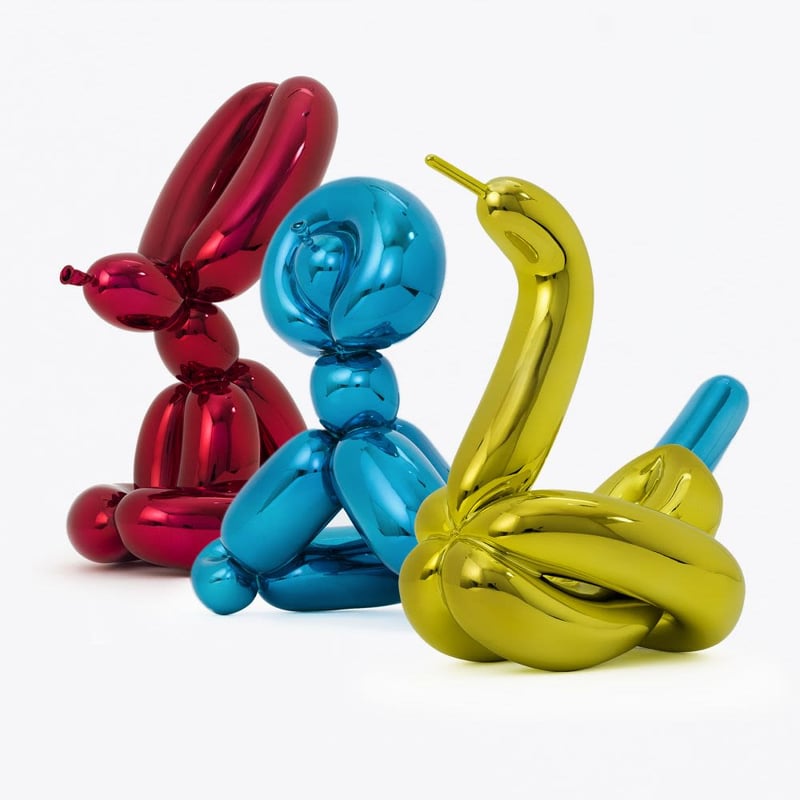
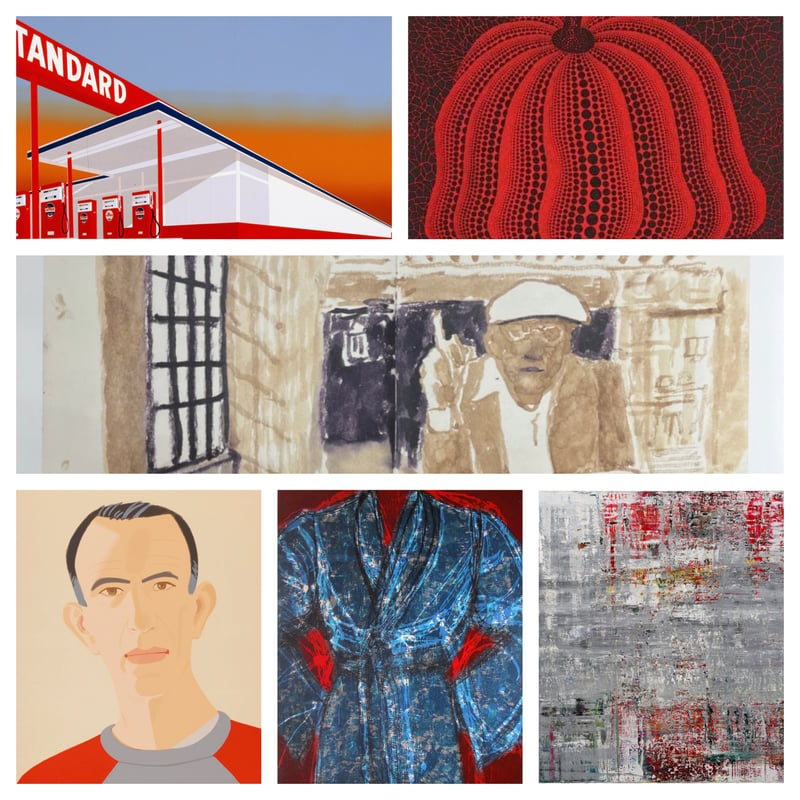

Young British Artists (YBAs), also known as Britart or Brit artists, refers to a group of artists who began exhibiting together in London in 1988. Most of them graduated from the BA Fine Arts course at Goldsmiths in the late 1980s. The YBAs are known for their wild lifestyles, use of unconventional materials, and a combination of entrepreneurial and oppositional attitudes. They dominated the British art scene in the 1990s and gained significant media attention. Many of these artists were initially supported and collected by Charles Saatchi, a key figure in their rise to prominence.
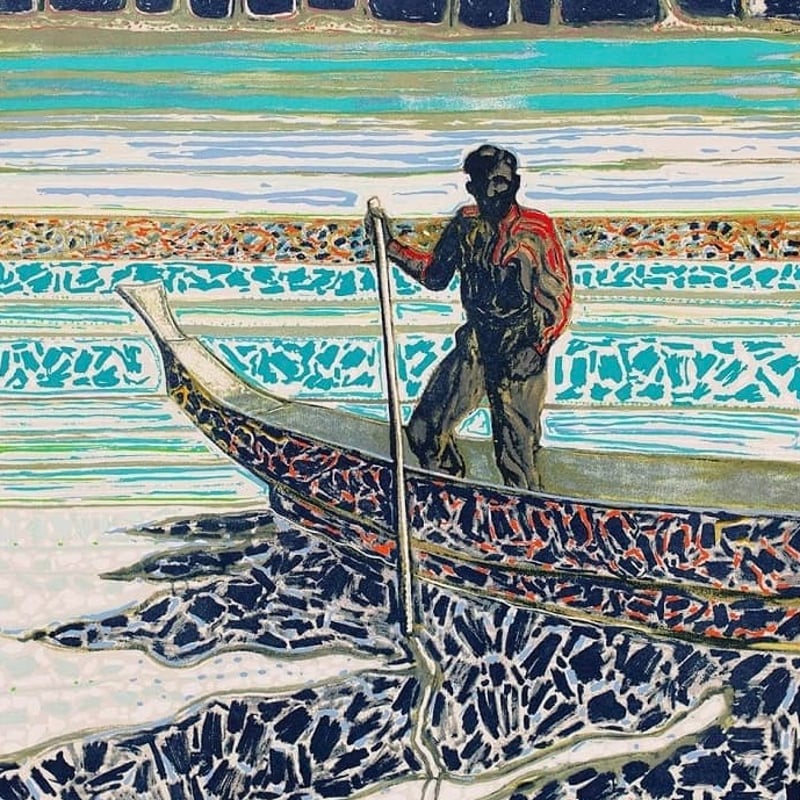
Stuckism is an art movement that promotes figurative painting over conceptual art. It was founded in 1999 by Charles Thomson and Billy Childish with an initial group of 13 artists in Britain. The movement has since expanded to 52 countries with 233 groups worldwide. Several manifestos, issued by Thomson and Childish, advocate for the spirit of modernism and the creation of spiritual art, regardless of medium, subject matter, or style. Stuckism emphasizes the importance of genuine expression and rejects the dominance of conceptual art in the contemporary art scene.
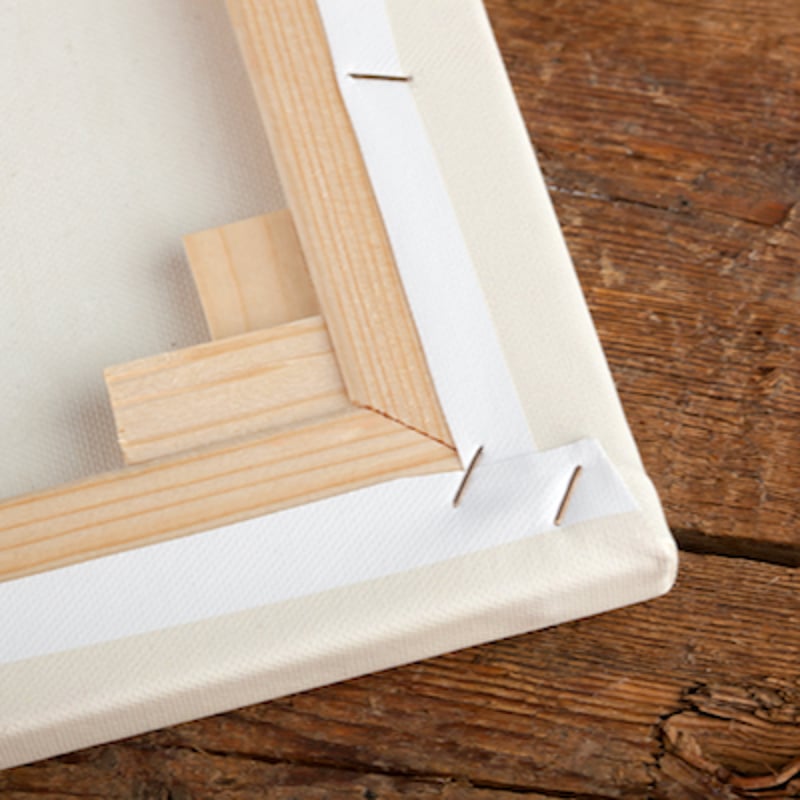
Recto and verso are terms used to describe the right and left pages of an open book, or the front and back of a sheet of paper. In both cases, recto refers to the right-hand page or the front of the paper, while verso refers to the left-hand page or the back of the paper. These terms are commonly used in bookbinding, printmaking, and art to distinguish between the two sides of a sheet.
Can't find your Answer?
Thank you! Your question has been sent — we'll get back to you shortly.
