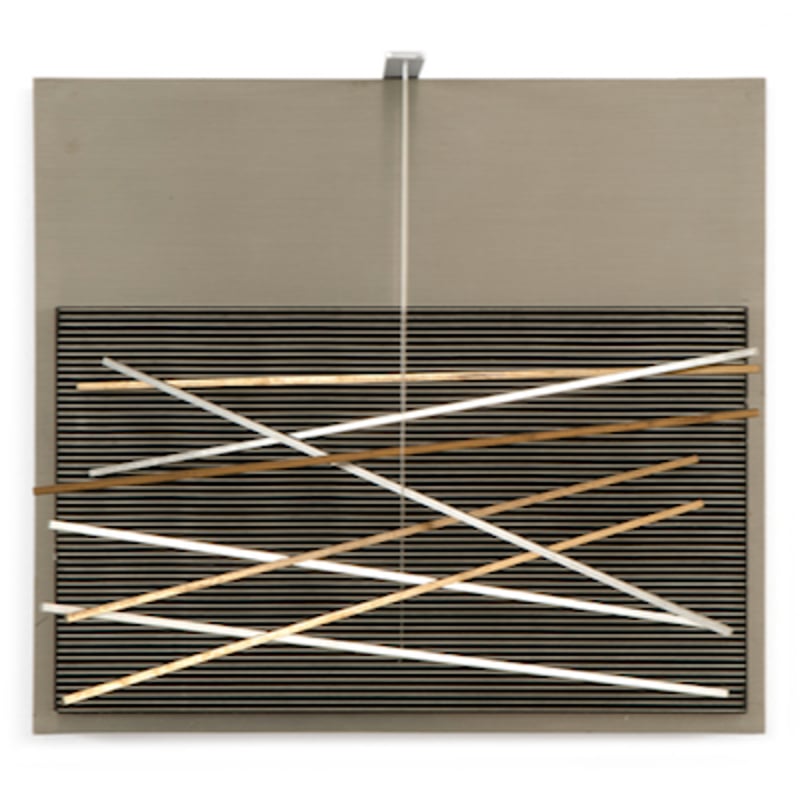
What is kinetic art?
- Show All
- Established
- Discoveries
- Show All
Artworks Related to Kinetic art
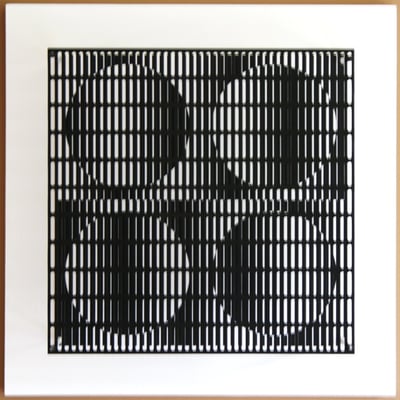
Antonio Asis
vibration 4 cercles noir et blanc, 2010
Sculpture / Object
Mixed Media
EUR 3,000
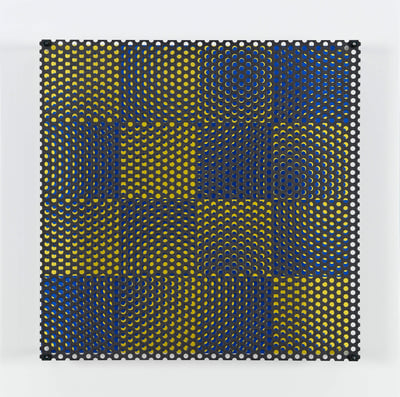
Antonio Asis
vibration 16 carres bleu et jaune, 2010
Sculpture / Object
Mixed Media
EUR 3,000
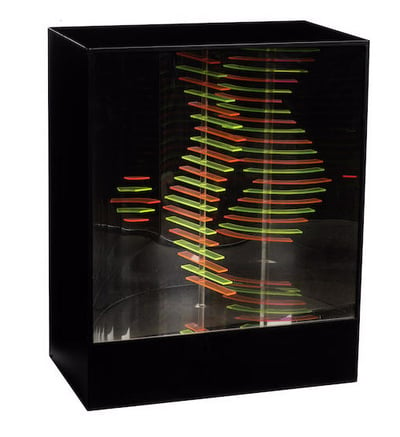
Martha Boto
Déplacement optique D, 1969
Sculpture / Object
Object
EUR 6,000
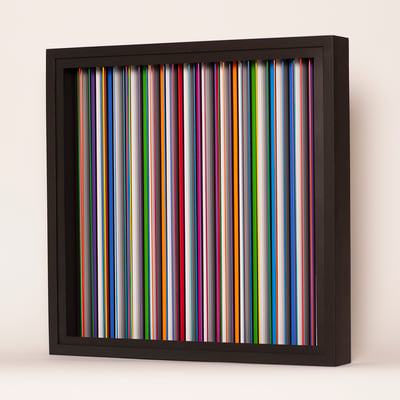
Dario Perez-Flores
Prochromatique 3, 2010
Sculpture / Object
Acrylic sculpture
EUR 2,500
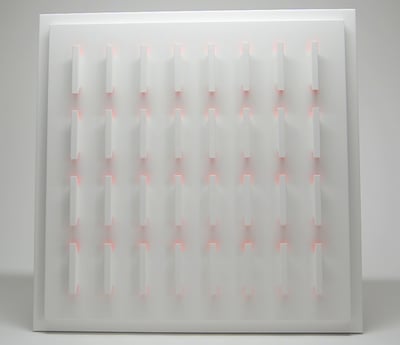
Luis Tomasello
Chromoplastique 1025, 2013
Sculpture / Object
Wood
EUR 4,000
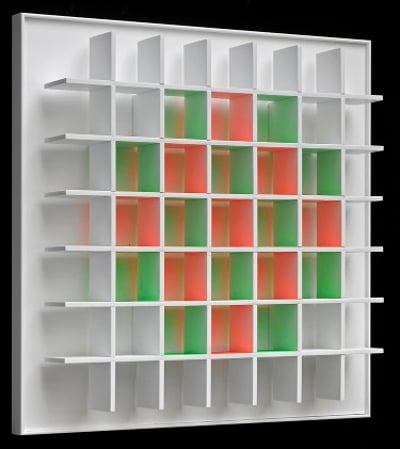
Luis Tomasello
Grille Chromoplastique B, 2012
Sculpture / Object
Mixed Media
EUR 2,000
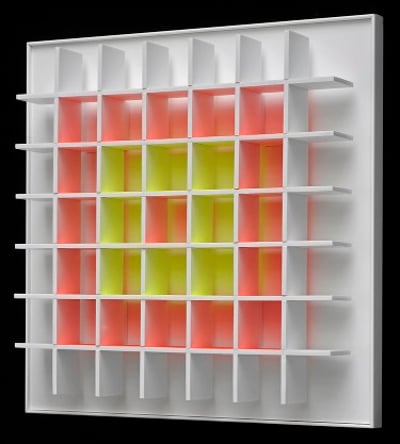
Luis Tomasello
Grille chromoplastique A, 2012
Sculpture / Object
Object
EUR 2,000
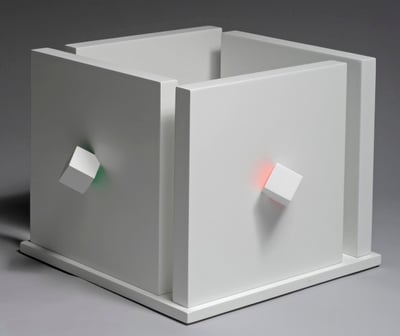
Luis Tomasello
Cube atmosphére chromoplastique, 2011
Sculpture / Object
Wood
EUR 6,000

Ludwig Wilding
SBST 2839, 2001
Limited Edition Print
Mixed Media
EUR 1,500
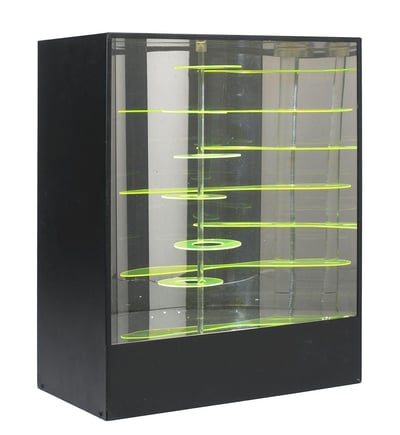
Martha Boto
Déplacement optique A, 1969
Sculpture / Object
Acrylic sculpture
EUR 6,000
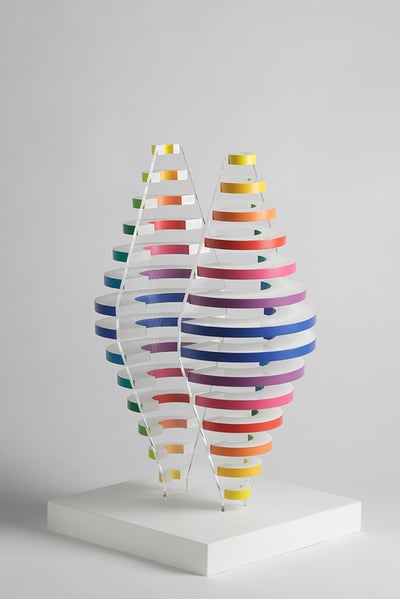
Martha Boto
2 Demi cones avec anneaux de couleurs, 1975
Sculpture / Object
Acrylic sculpture
EUR 3,500
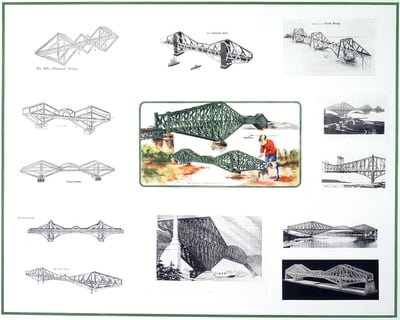
Chris Burden
Cantilever Bridges, 2000
Limited Edition Print
Aquatint
Currently Not Available
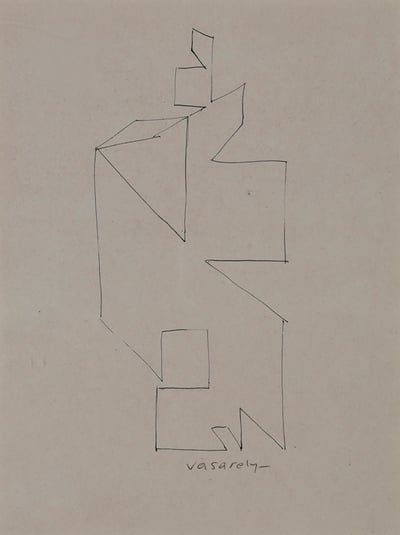
Victor Vasarely
Drawing I
Drawing / Watercolor
Mixed Media
EUR 4,500
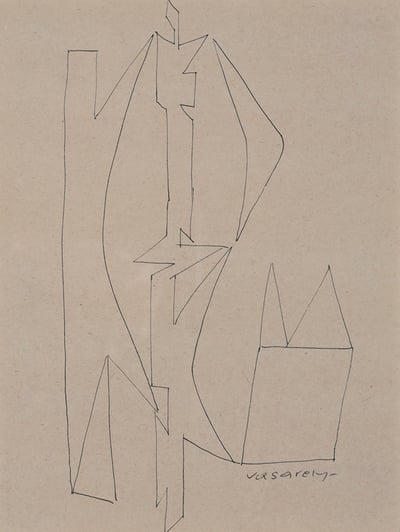
Victor Vasarely
Drawing II
Drawing / Watercolor
Mixed Media
EUR 4,500
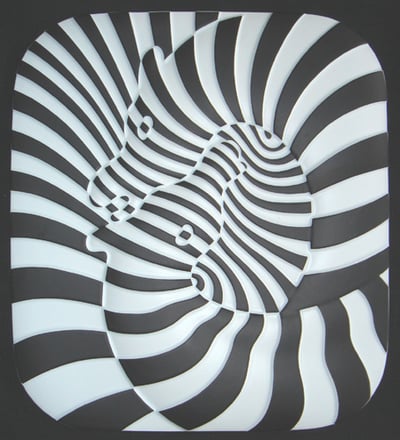
Victor Vasarely
Zebra Ceramique, 1977
Sculpture / Object
Ceramic
EUR 1,600
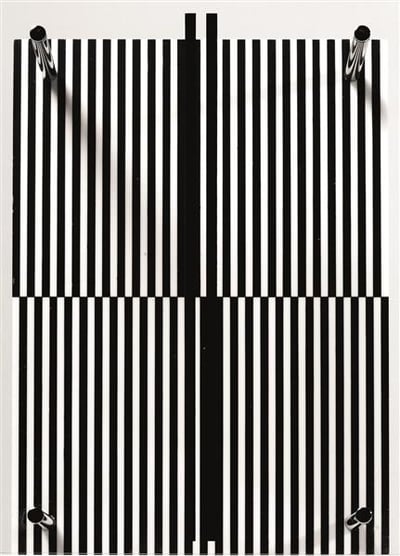
Rafael Jesus Soto
Permutation, 1955-1978
Sculpture / Object
Object
EUR 5,500
Related Articles

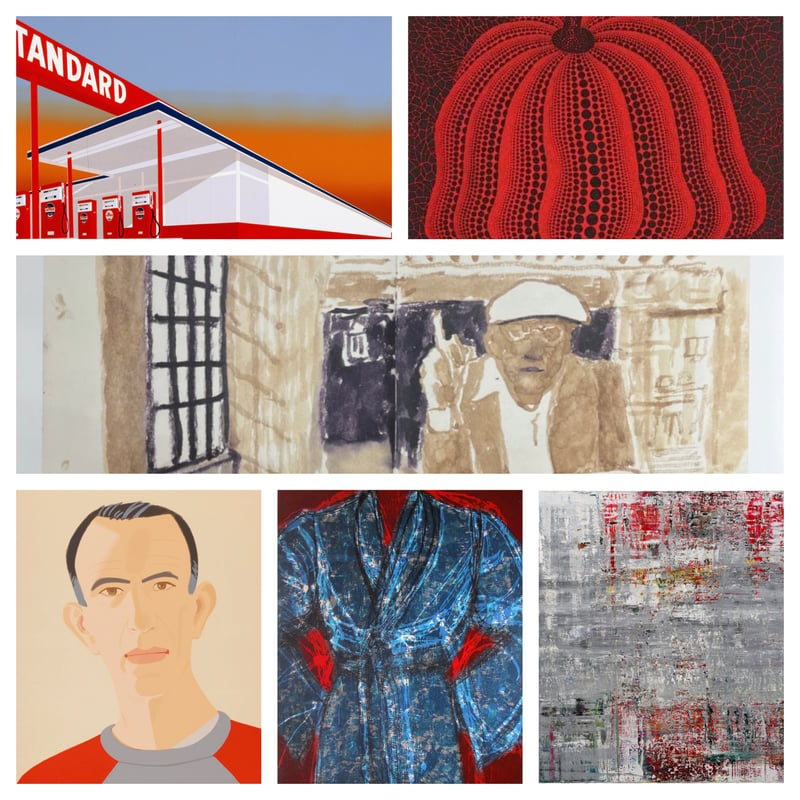
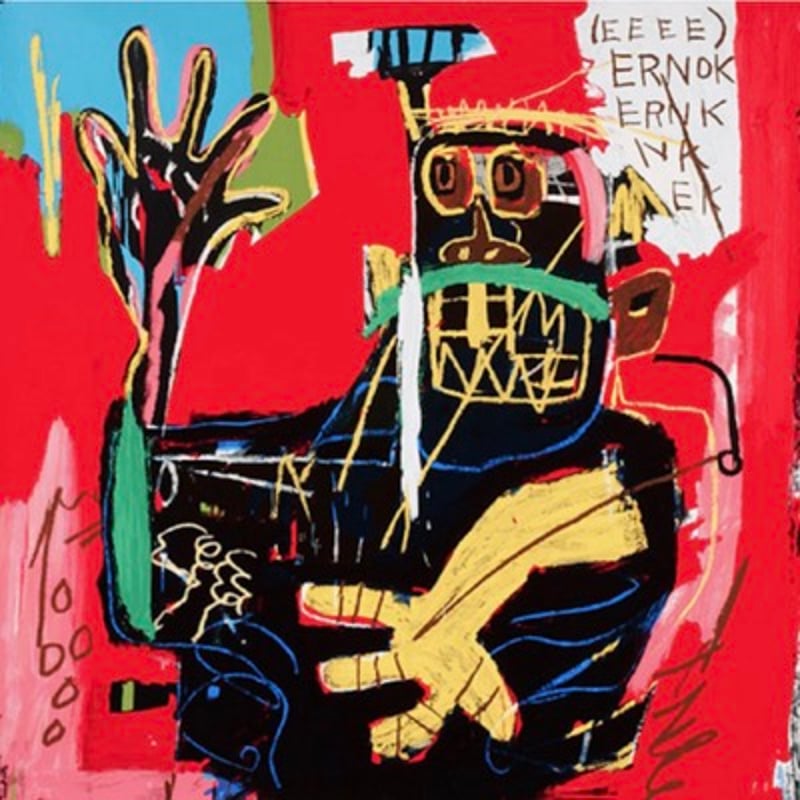
In 1981, Patti Astor opened the first art gallery in New York City's East Village, helping to launch the careers of various artists and musicians. The gallery started small but quickly gained popularity, contributing to the emergence of art movements such as Neo-Expressionism and Street Art in the area. The East Village became a hub for these new artistic expressions. However, the gallery closed in 1985 due to waning interest.

Live art is a form of performance that began in the 1960s and is generally exploratory and innovative. It involves a single artist or an artist group presenting the work before a live audience. The performances can include humans, animals, and living plants, often blurring the boundaries between art and life, and encouraging interaction with the audience.
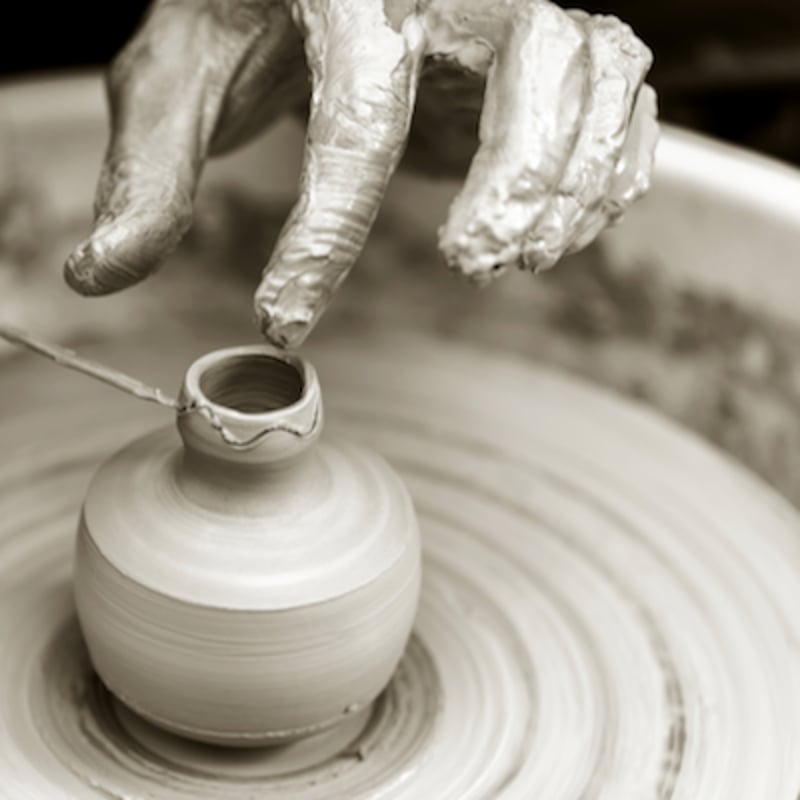
Ceramics is an art form that involves creating objects from clay. The clay is shaped, molded, and formed by hand or with specialized tools, then baked (or fired) in a high-temperature oven called a kiln. Decorative colors and special glazes can be applied to the surface, which are then fired again to finish the piece.
Can't find your Answer?
Thank you! Your question has been sent — we'll get back to you shortly.
