
S/T 2 - Verde, 2013
Form
Medium
Size
- Inches
- Centimeters
Edition
Price
- USD
- EUR
- GBP
- CHF
- Authenticity Guaranteed
- Insured Shipping
- Online Since 2005
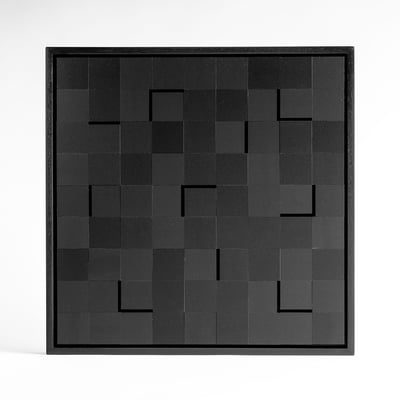
Luis Tomasello
Lumiere noire unique VI/X, 2011
Sculpture / Object
Mixed Media
EUR 3,500
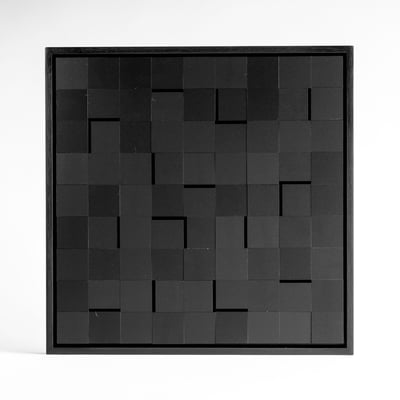
Luis Tomasello
Lumiere noire unique V/X, 2011
Sculpture / Object
Mixed Media
EUR 3,500
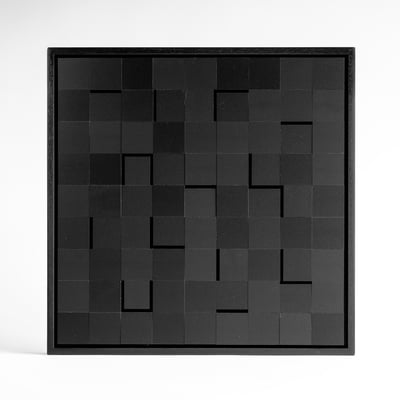
Luis Tomasello
Lumiere noire unique IV/X, 2011
Sculpture / Object
Mixed Media
EUR 3,500
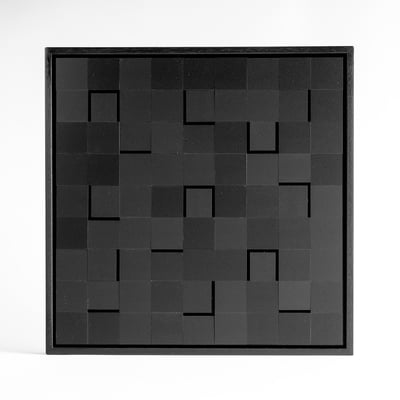
Luis Tomasello
Lumiere noire unique III/X, 2011
Sculpture / Object
Mixed Media
EUR 3,500
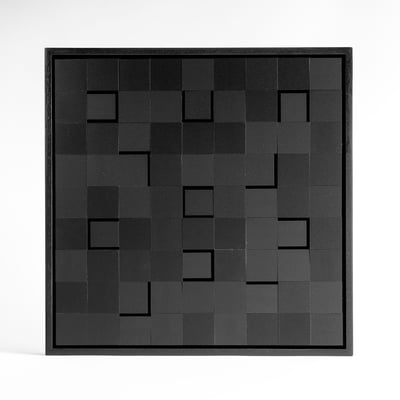
Luis Tomasello
Lumiere noire unique II/X, 2011
Sculpture / Object
Mixed Media
EUR 3,500
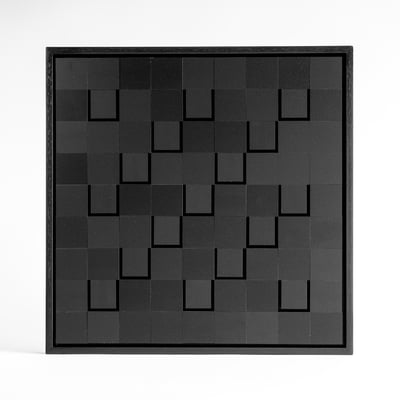
Luis Tomasello
Lumiere noire unique I/X, 2011
Sculpture / Object
Mixed Media
EUR 3,500
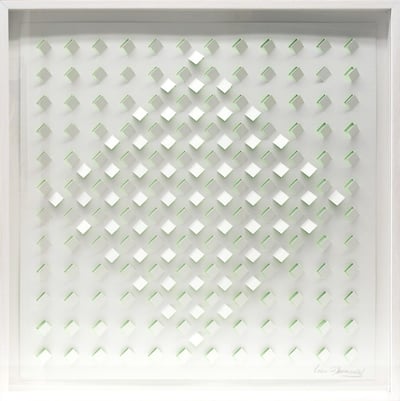
Luis Tomasello
S/T 1 - Verde, 2013
Limited Edition Print
Lithograph
EUR 3,000
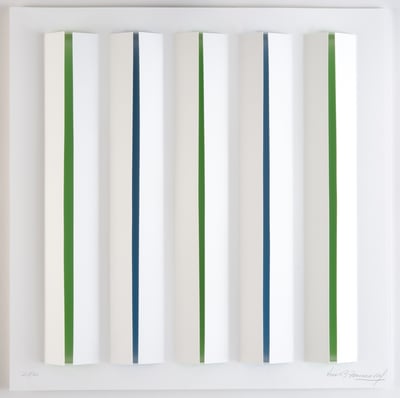
Luis Tomasello
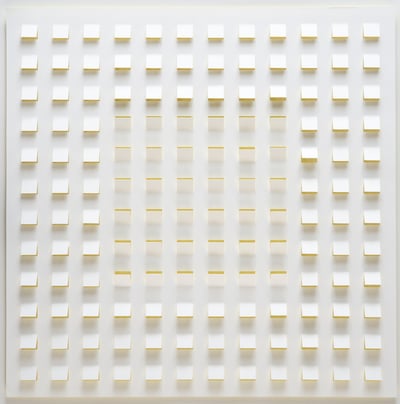
s/t 2, 2012
Sculpture / Object
Mixed Media
EUR 2,200
Luis Tomasello
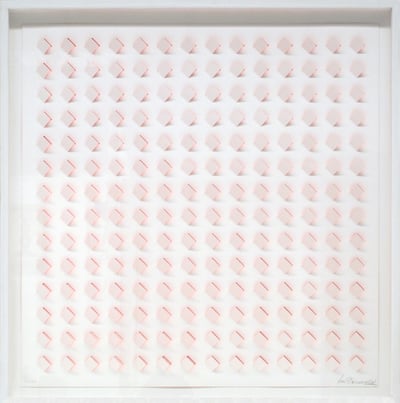
s/t 3, 2012
Sculpture / Object
Mixed Media
EUR 2,200
Luis Tomasello
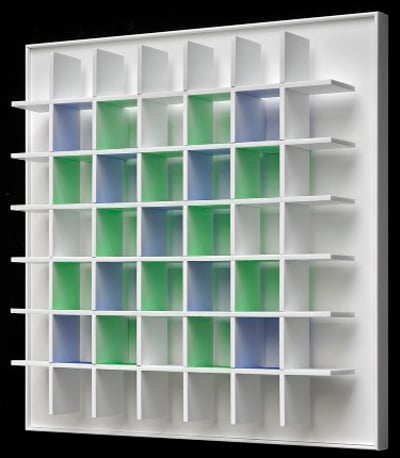
S/T 3 - Rosa, 2013
Limited Edition Print
Lithograph
EUR 3,000
Luis Tomasello
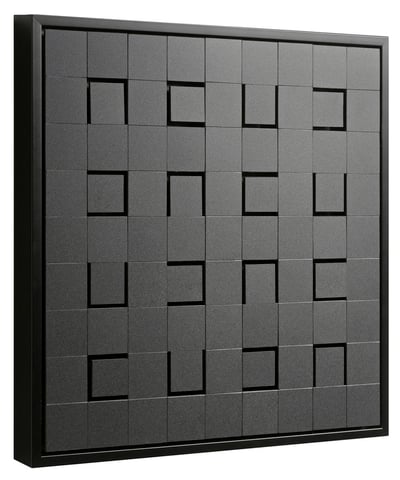
Grille Chromoplastique c, 2012
Sculpture / Object
Acrylic sculpture
EUR 2,000
Luis Tomasello
Lumiere Noire, 2011
Sculpture / Object
Mixed Media
EUR 2,500
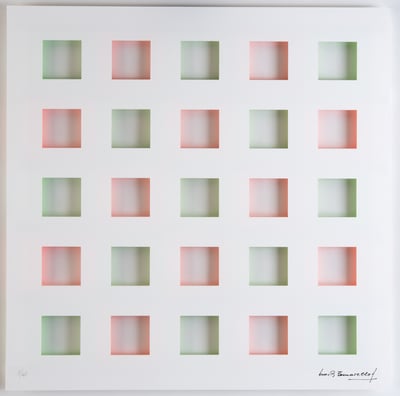
Luis Tomasello
ST 1, 2012
Sculpture / Object
Mixed Media
EUR 2,200
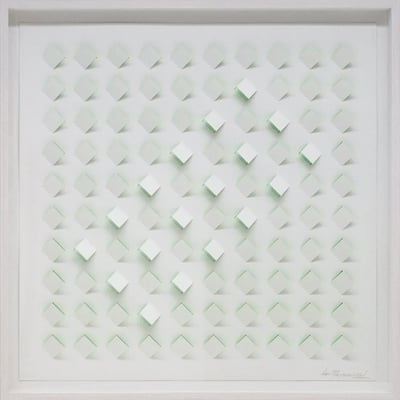
Luis Tomasello
S/T 4 - Verde , 2013
Limited Edition Print
Lithograph
EUR 3,000
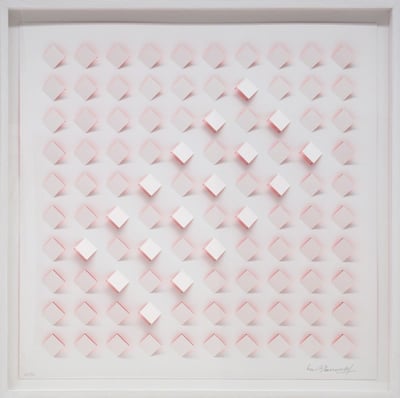
Luis Tomasello
S/T 4 - Rosa , 2013
Limited Edition Print
Lithograph
EUR 3,000
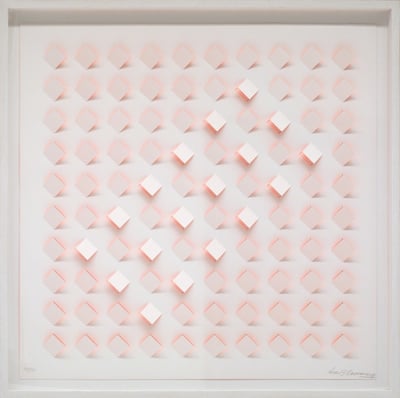
Luis Tomasello
S/T 4 - Naranja , 2013
Limited Edition Print
Lithograph
EUR 3,000
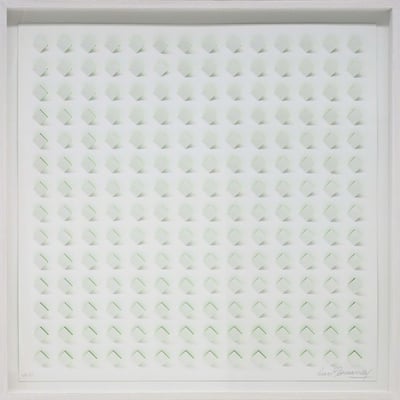
Luis Tomasello
S/T 3 - Verde, 2013
Limited Edition Print
Lithograph
EUR 3,000
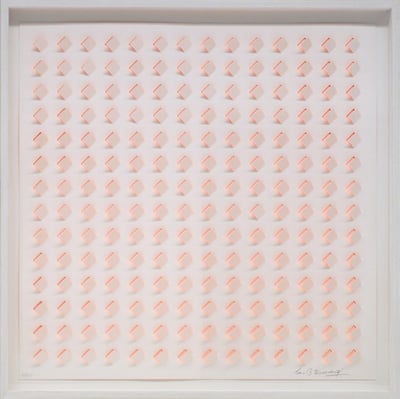
Luis Tomasello
S/T 3 - Naranja, 2013
Limited Edition Print
Lithograph
EUR 3,000
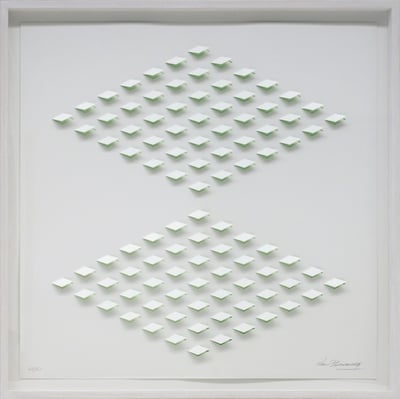
Luis Tomasello
S/T 2 - Verde, 2013
Limited Edition Print
Lithograph
EUR 3,000
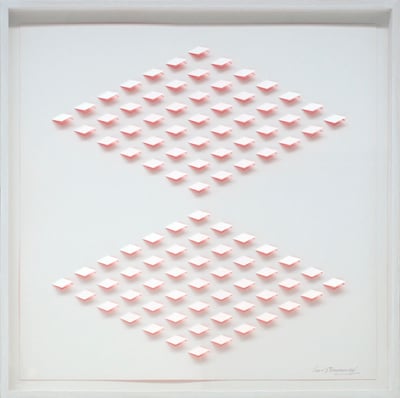
Luis Tomasello
S/T 2 - Rosa, 2013
Limited Edition Print
Lithograph
EUR 3,000
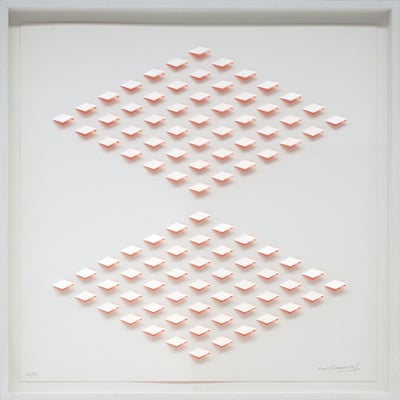
Luis Tomasello
S/T 2 - Naranja , 2013
Limited Edition Print
Lithograph
EUR 3,000
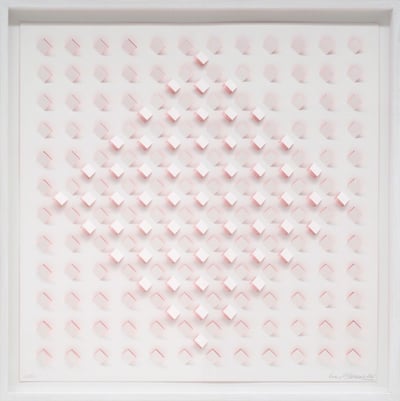
Luis Tomasello
S/T 1 - Rosa , 2013
Limited Edition Print
Lithograph
EUR 3,000
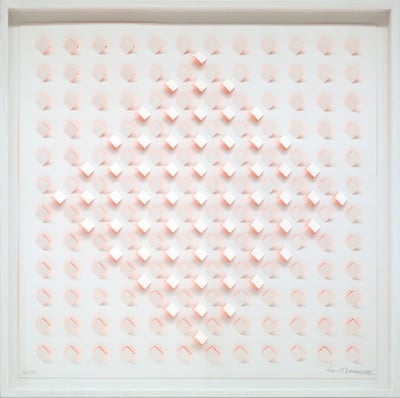
Luis Tomasello
S/T 1 - Naranja , 2013
Limited Edition Print
Lithograph
EUR 3,000
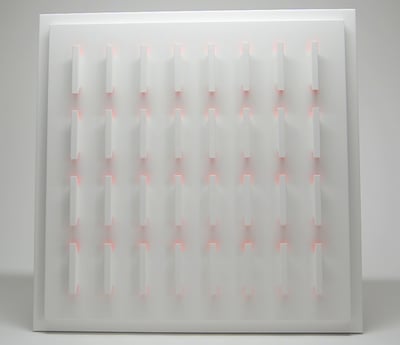
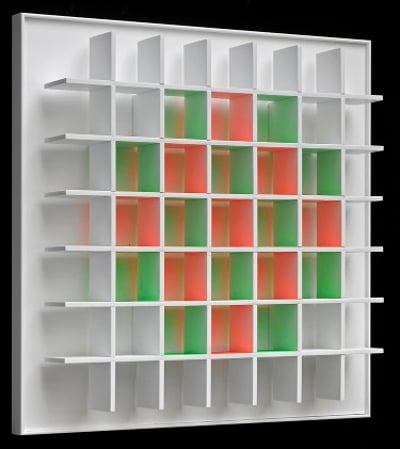
Luis Tomasello
Chromoplastique 1025, 2013
Sculpture / Object
Wood
EUR 4,000
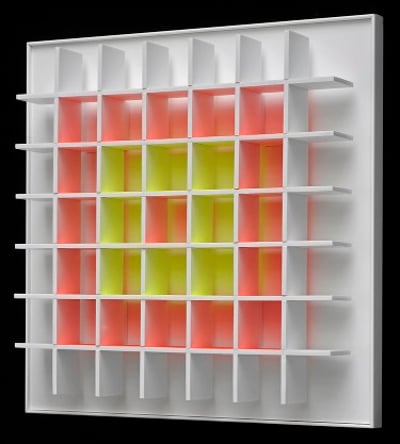
Luis Tomasello
Grille Chromoplastique B, 2012
Sculpture / Object
Mixed Media
EUR 2,000
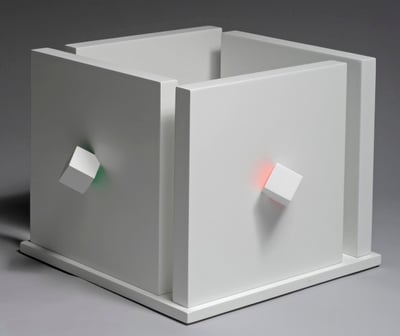
Luis Tomasello
Grille chromoplastique A, 2012
Sculpture / Object
Object
EUR 2,000
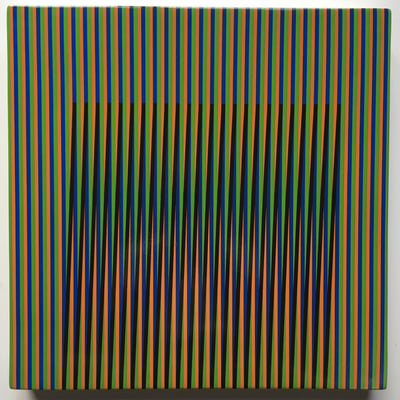
Luis Tomasello
Cube atmosphére chromoplastique, 2011
Sculpture / Object
Wood
EUR 6,000
Related Artists
Related Articles
Popular, Collecting - July 23, 2025
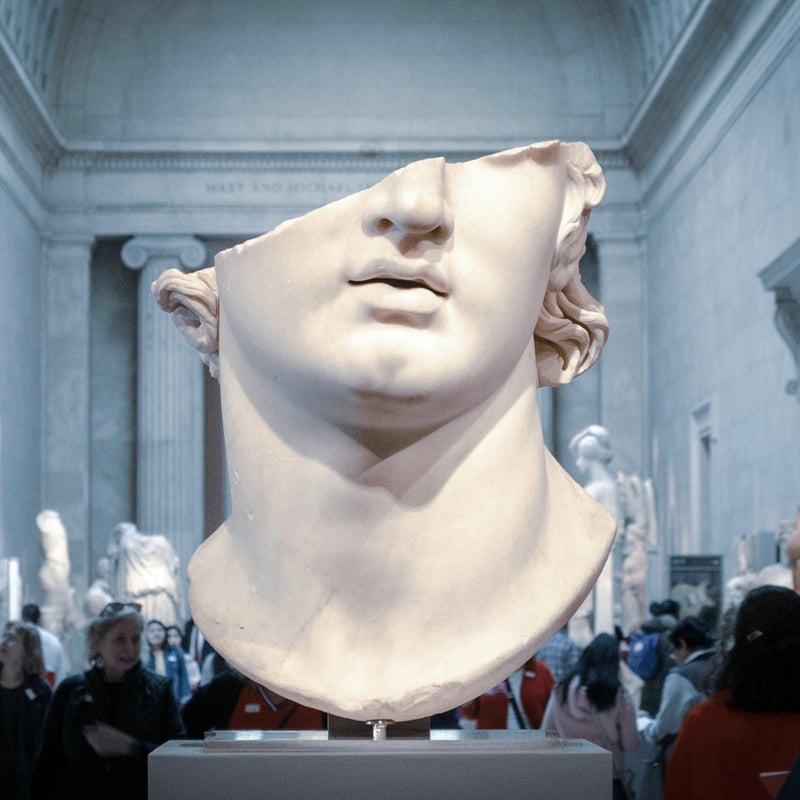
Sculpture Care and Display: From Plinths to Pedestals in Your Home
Learn how to display and care for sculpture at home—from lighting tips to material care—so your art can truly shine in any space.Read More

What is Latin American art?
Latin American Art is a style which takes inspiration from its culture, society, politics, native traditions, religions and landscape. Op-Art and Kinetic Art figure prominently in Latin artworks. Colors in Latin American compositions are often bold. Latin American artists work in all media and movements.

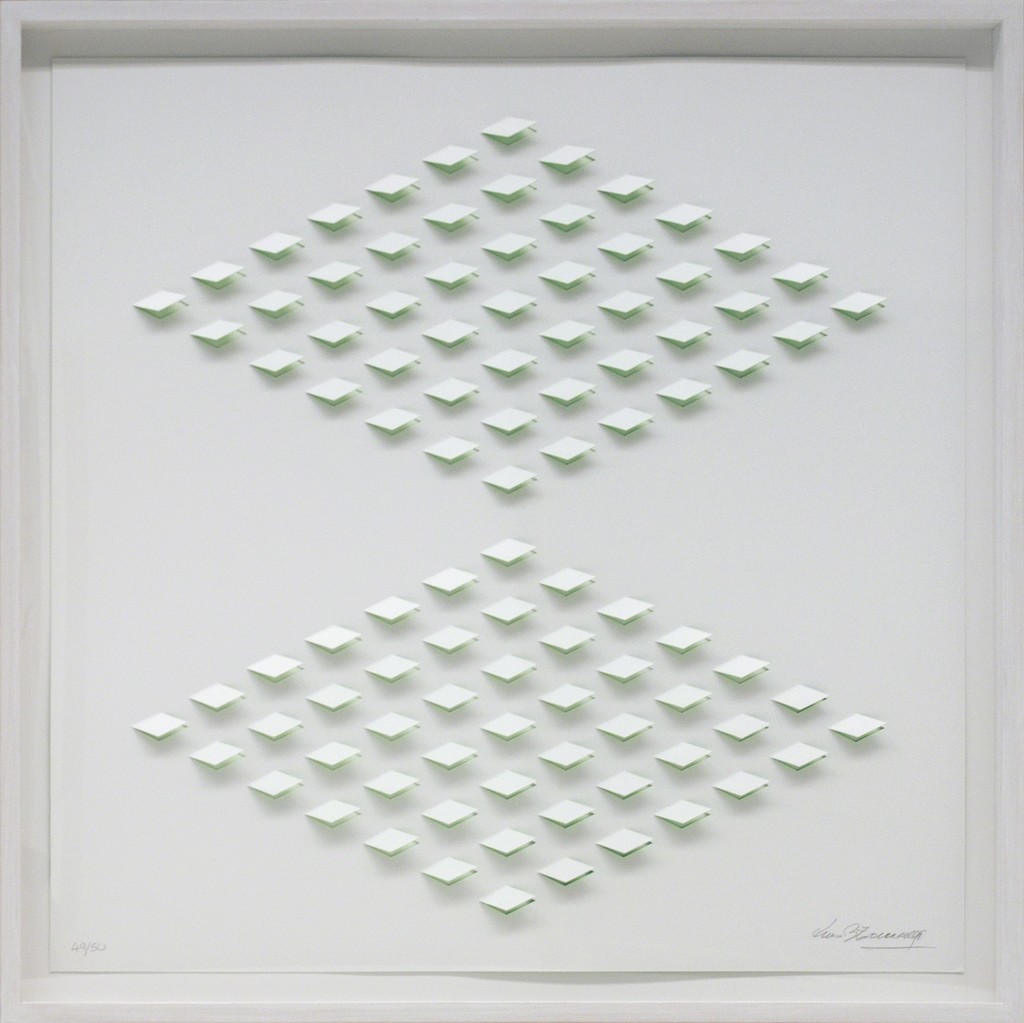
Luis Tomasello
S/T 2 - Verde, 2013
63 x 63 cm


