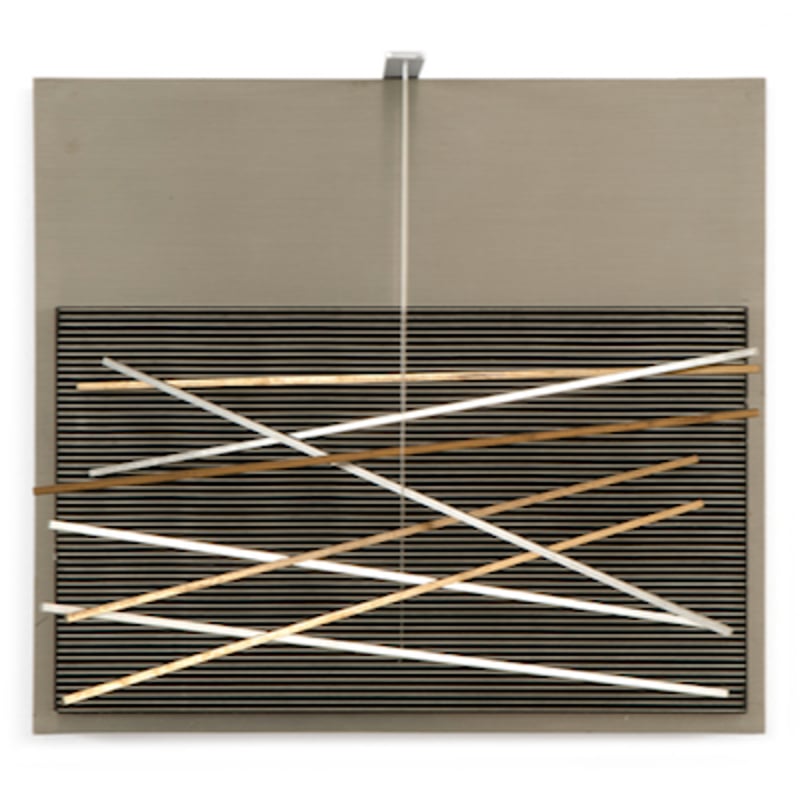
What is kinetic art?
- Show All
- Established
- Discoveries
- Show All
Artworks Related to Kinetic art
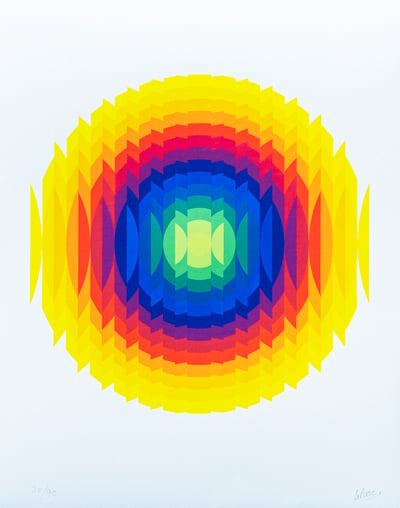
Julio Le Parc
Oeuvre Infinie, 2021
Limited Edition Print
Digital Print on paper
EUR 800
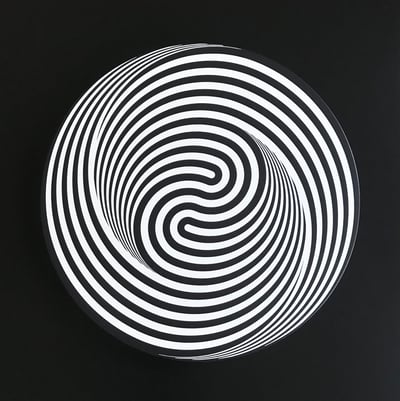
Marina Apollonio
Dinamica Circolare 6Z+R, 1965-2021
Sculpture / Object
Mixed Media
EUR 3,000
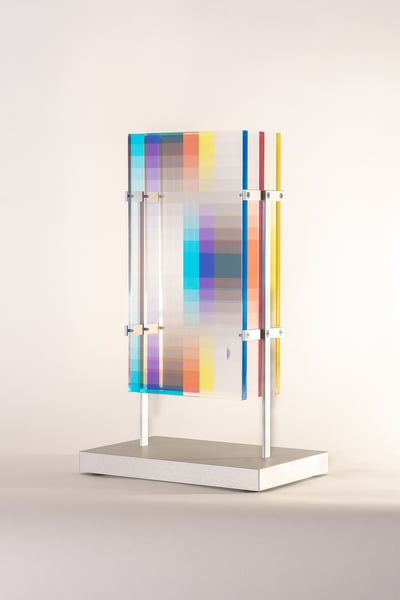
Felipe Pantone
Substractive Variability Manipulable IV, 2021
Sculpture / Object
Mixed Media
EUR 3,800

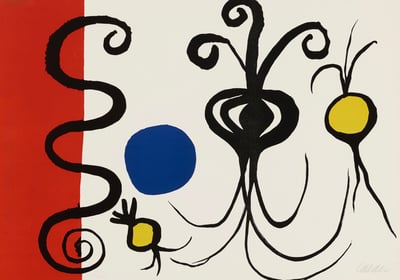
Alexander Calder
Alphabet Et Serpent, 1968
Limited Edition Print
Lithograph
USD 6,250
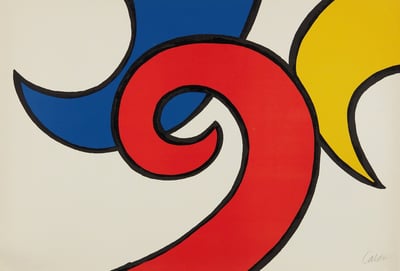
Alexander Calder
Trois Oignons, 1965
Limited Edition Print
Lithograph
USD 6,250
Alexander Calder
Les Vagues #21 (The Waves), 1971
Limited Edition Print
Lithograph
USD 7,500

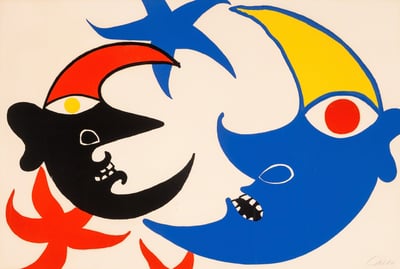
Alexander Calder
Le Lettres, 1969
Limited Edition Print
Lithograph
USD 7,500
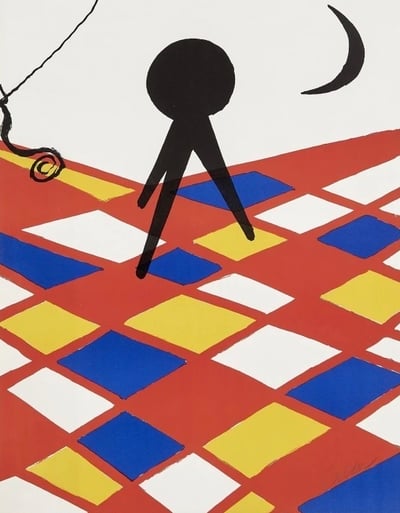
Alexander Calder
Les Deux Lues, 1974
Limited Edition Print
Lithograph
USD 7,500
Alexander Calder
Tabouret Et Trois Pieds, 1969
Limited Edition Print
Lithograph
USD 6,250
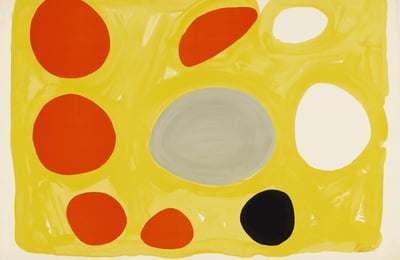
Alexander Calder
Grey Oval (Flat Mobile), 1974/1975
Limited Edition Print
Lithograph
USD 7,300

Olafur Eliasson
Studioblick, 2013
Sculpture / Object
Mixed Media
Currently Not Available
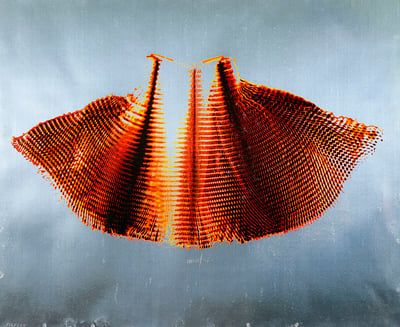
Heinz Mack
Silberflügel, Roter Fächer, 1973
Limited Edition Print
Screen-print
Currently Not Available

Yaacov Agam
Star of David - Abstract Illusionism, 1979
Limited Edition Print
Screen-print
EUR 1,400

Yaacov Agam
River Pebbel, Ca. 1970
Sculpture / Object
Mixed Media
EUR 1,900
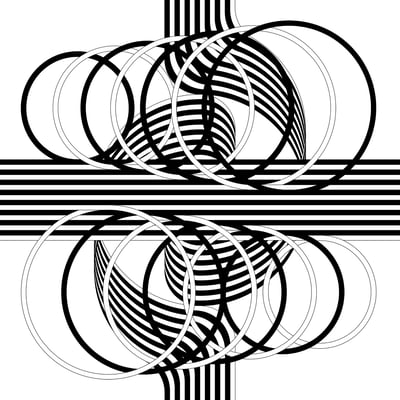
Julio Le Parc
Larga marcha, 4 bifurcaciones, 14 (black and white), 2021
Limited Edition Print
Lithograph
EUR 4,000
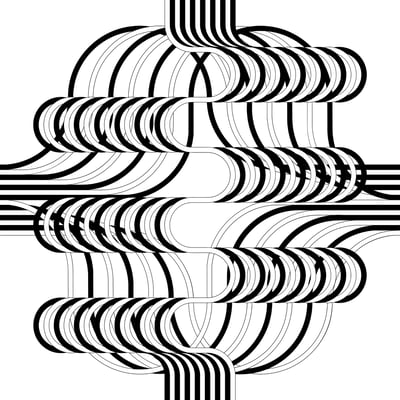
Julio Le Parc
Larga marcha, 4 bifurcaciones, 13 (black and white), 2021
Limited Edition Print
Lithograph
EUR 4,000
Related Articles
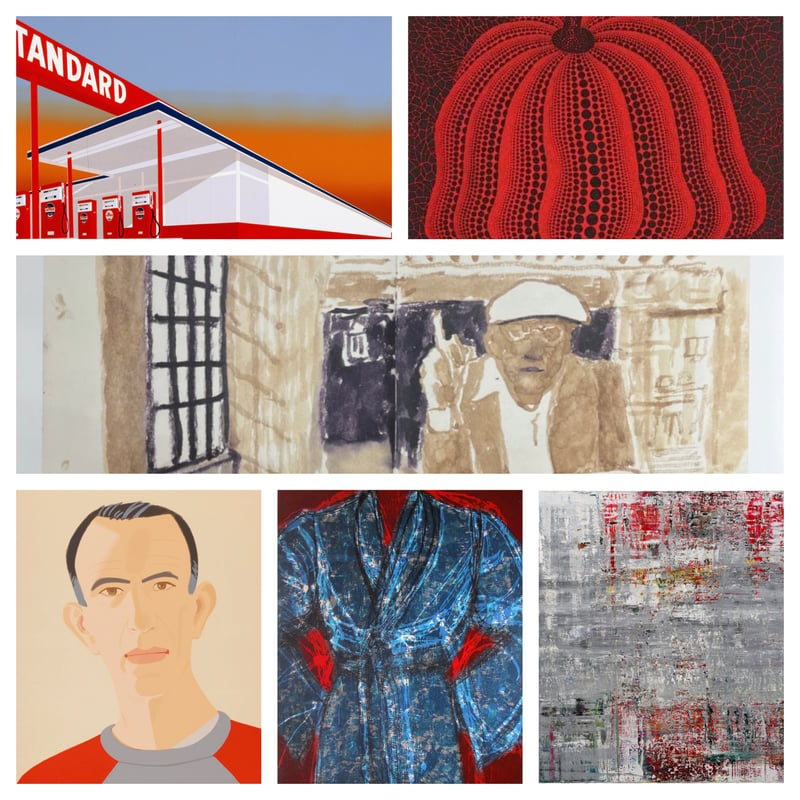

Photography is the process of creating an image on light sensitive materials. The image is produced by using a camera, which has a lens that focuses on light either reflected or emitted from an object. These visible wavelengths are used to reproduce the image seen.
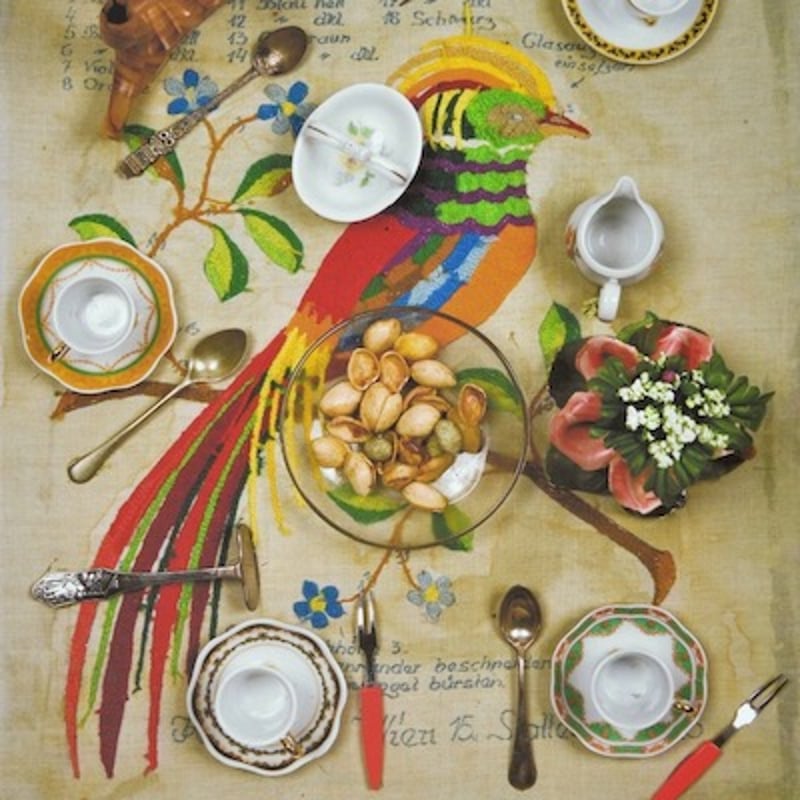
EAT (Experiments in Art and Technology) was a movement formed to foster collaborations between engineers and artists. It facilitated direct, person-to-person connections between these two groups. The movement was originally launched in 1967 by artists Robert Whitman and Robert Rauschenberg, along with engineers Fred Waldhauer and Billy Klüver. EAT carried out various projects and activities that expanded the role of artists in contemporary society, encouraging the integration of art and technology.
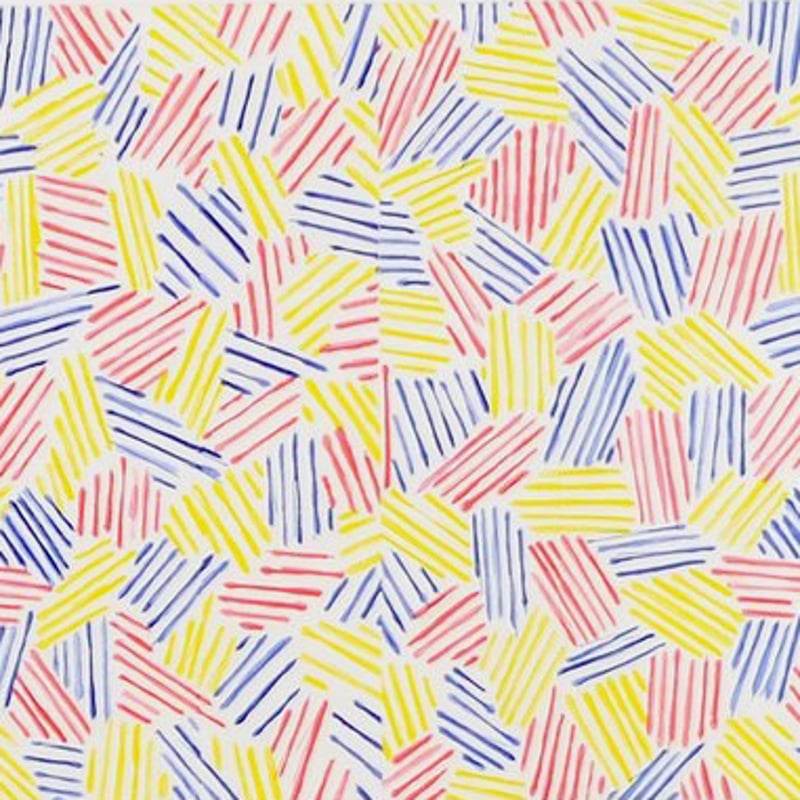
Intaglio is a printmaking technique where a design is incised below the surface of a metal or stone plate. Ink is applied to the plate, filling the incised lines or depressions, while the surface is wiped clean. The ink in the depressions is then transferred to paper using an etching press. Common intaglio techniques include engraving, etching, and drypoint.
Can't find your Answer?
Thank you! Your question has been sent — we'll get back to you shortly.
