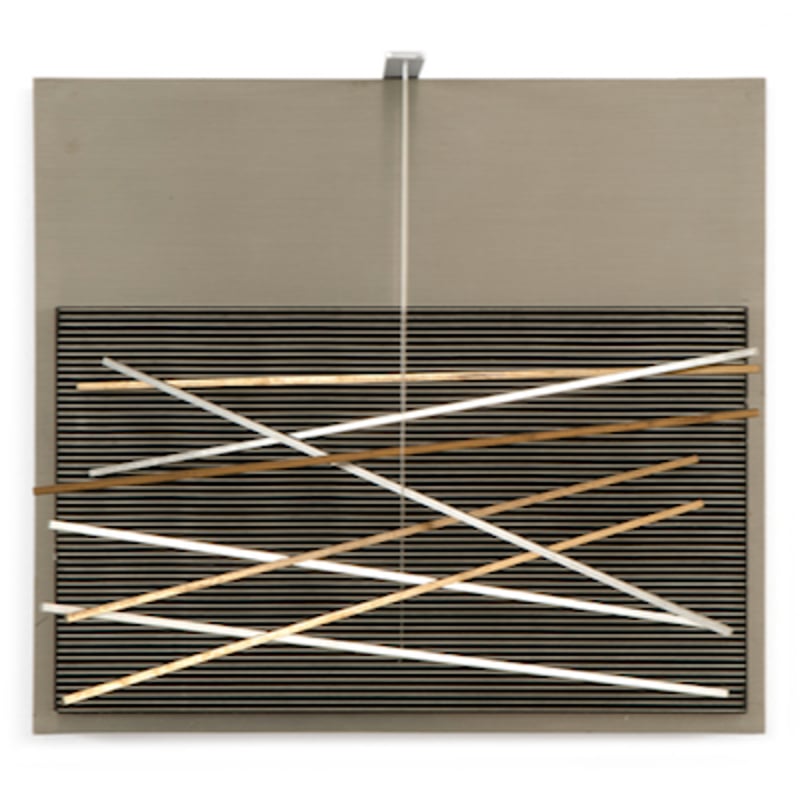
What is kinetic art?
- Show All
- Established
- Discoveries
- Show All
Artworks Related to Kinetic art

Victor Vasarely
Flower Girl, 1980
Limited Edition Print
Silkscreen
USD 2,000
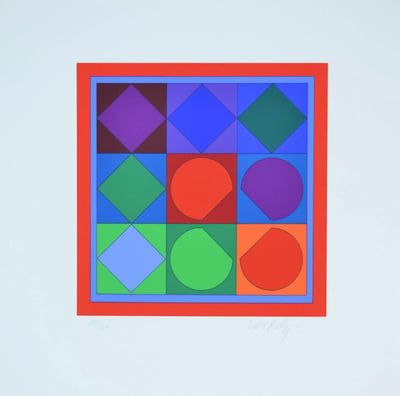
Victor Vasarely
Vega
Limited Edition Print
Silkscreen
USD 780
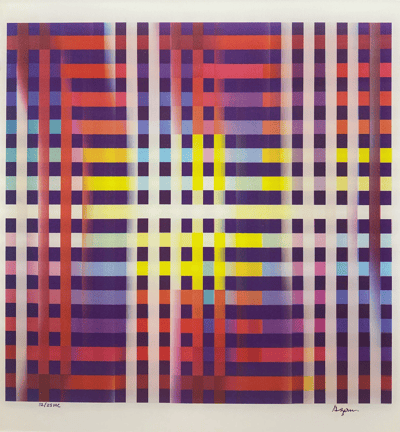
Yaacov Agam
Hommage a Chopin I, 1970-80
Limited Edition Print
Mixed Media
USD 1,350
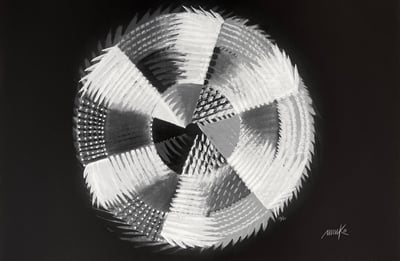
Heinz Mack
Terzett (against black), 2021
Limited Edition Print
Screen-print
Currently Not Available
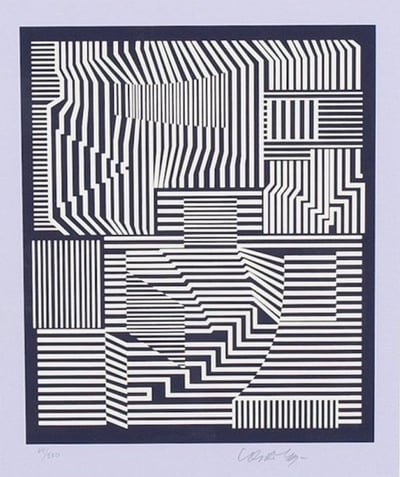
Victor Vasarely
Broey Neg
Limited Edition Print
Serigraph
EUR 950
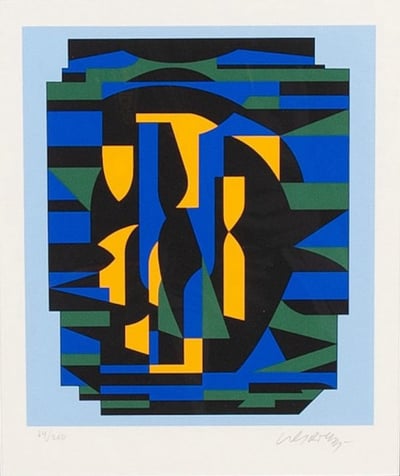
Victor Vasarely
Untitled ( From Ion)
Limited Edition Print
Serigraph
EUR 950
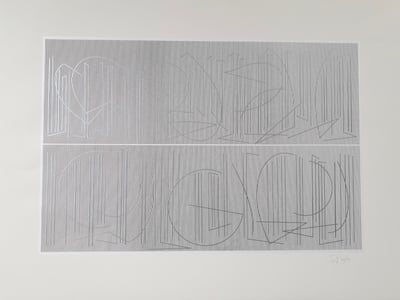
Rafael Jesus Soto
Untitled (Silver Lines)
Limited Edition Print
Screen-print
GBP 2,800

Felipe Pantone
Chromadyna Micap #5, 2021
Limited Edition Print
Lithograph
EUR 1,200

Felipe Pantone
Chromadyna Micap #4, 2021
Limited Edition Print
Lithograph
EUR 1,200

Felipe Pantone
Chromadyna Micap #3, 2021
Limited Edition Print
Lithograph
EUR 1,200

Felipe Pantone
Chromadyna Micap #2, 2021
Limited Edition Print
Lithograph
EUR 1,200

Felipe Pantone
Chromadyna Micap #1, 2021
Limited Edition Print
Lithograph
EUR 1,200

Luis Tomasello
S/T 1 - Verde, 2013
Limited Edition Print
Lithograph
EUR 3,000
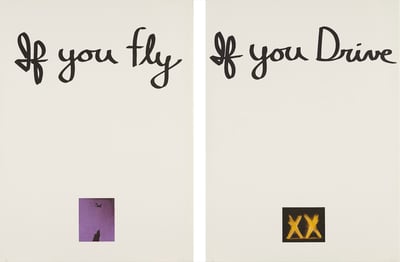
Chris Burden
If You Fly, If You Drive (diptych), 1973
Limited Edition Print
Lithograph
USD 12,500
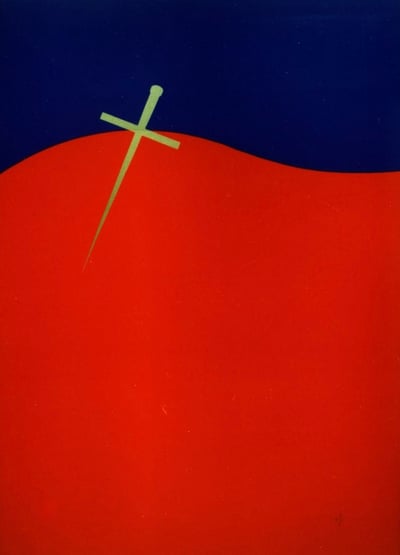
Rafael Jesus Soto
Homage to Federico Garcia Lorca, 1999
Limited Edition Print
Silkscreen
EUR 800
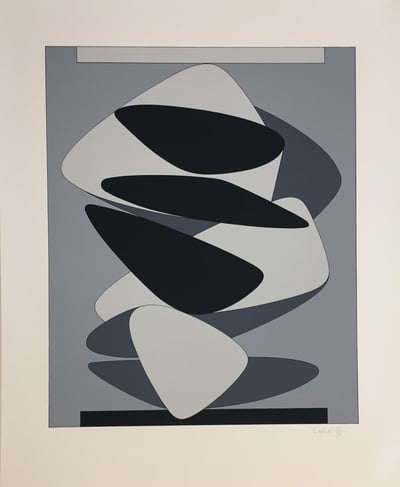
Victor Vasarely
Kervilahuen-BL, 1985
Limited Edition Print
Serigraph
EUR 1,300
Related Articles



A pigment print is a type of print that uses ink colored with pigment particles. Pigment ink is commonly used in inkjet printing because it is more durable and resistant to fading compared to dye-based ink, which is more vibrant but less stable over time.

A Happening is a term used to describe artistic and theatrical events held by artists in the 1950s and 60s. These events were typically staged in gallery installations or planned environments and often involved audience participation, along with elements like lighting, sounds, and slide projections. Happenings were a precursor to performance art, which later included the active participation of the artists themselves.

A found object is a term used to describe a man-made or natural object, or a fragment of one, that an artist discovers or purchases and keeps for inspiration or as a work of art. The artist may also modify the object or incorporate it into a collage or assemblage, transforming it into a new piece of art.
Can't find your Answer?
Thank you! Your question has been sent — we'll get back to you shortly.
