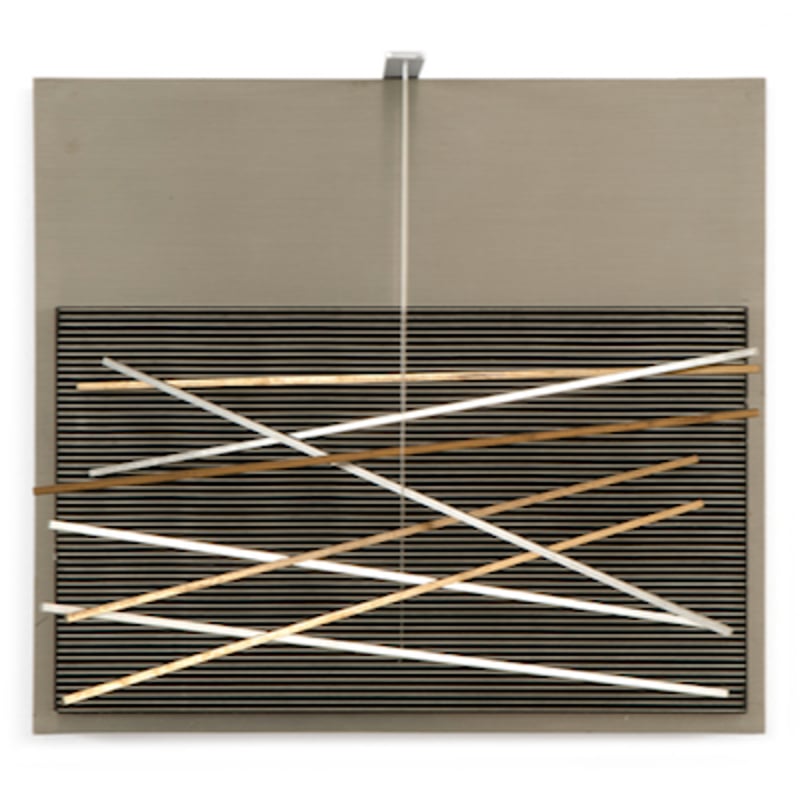
What is kinetic art?
- Show All
- Established
- Discoveries
- Show All
Artworks Related to Kinetic art
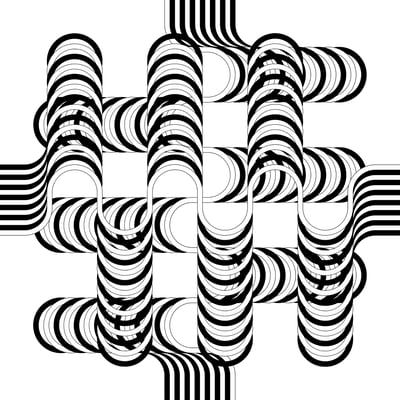
Julio Le Parc
Larga marcha, 4 bifurcaciones, 12 (black and white), 2021
Limited Edition Print
Lithograph
EUR 4,000

Julio Le Parc
Larga marcha, 4 bifurcaciones, 11 (black and white), 2021
Limited Edition Print
Lithograph
EUR 4,000
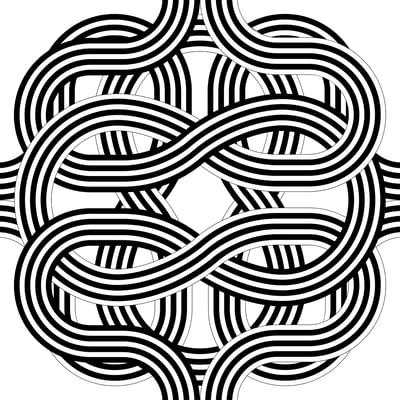
Julio Le Parc
Larga marcha, 4 bifurcaciones, 10 (black and white), 2021
Limited Edition Print
Lithograph
EUR 4,000
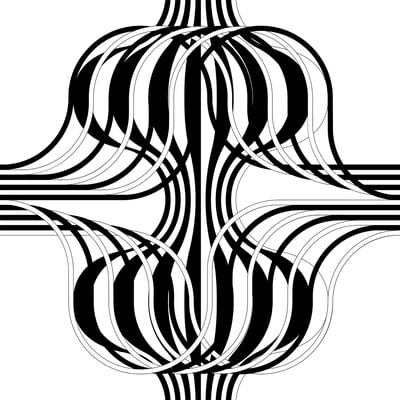
Julio Le Parc
Larga marcha, 4 bifurcaciones, 9 (black and white), 2021
Limited Edition Print
Lithograph
EUR 4,000
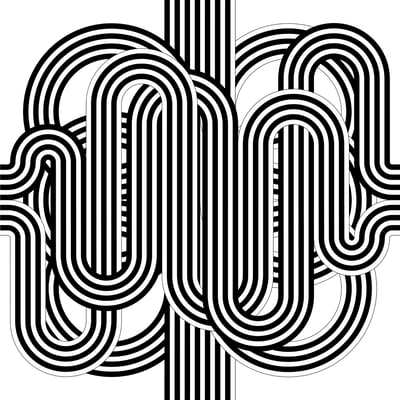
Julio Le Parc
Larga marcha, 4 bifurcaciones, 8 (black and white), 2021
Limited Edition Print
Lithograph
EUR 4,000
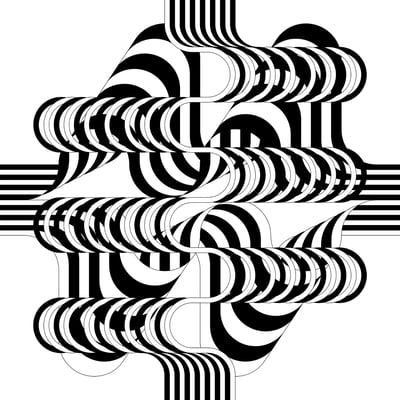
Julio Le Parc
Larga marcha, 4 bifurcaciones, 7 (black and white), 2021
Limited Edition Print
Lithograph
EUR 4,000
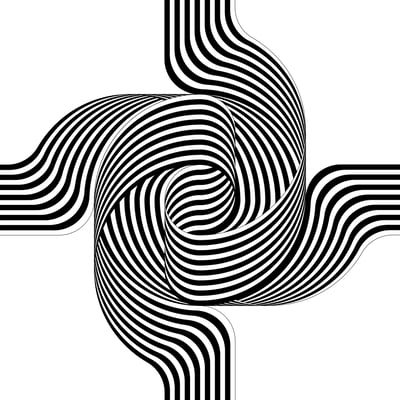
Julio Le Parc
Larga marcha, 4 bifurcaciones, 6 (black and white), 2021
Limited Edition Print
Lithograph
EUR 4,000
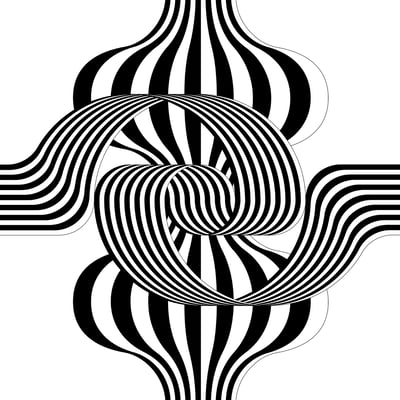
Julio Le Parc
Larga marcha, 4 bifurcaciones, 5 (black and white), 2021
Limited Edition Print
Lithograph
EUR 4,000
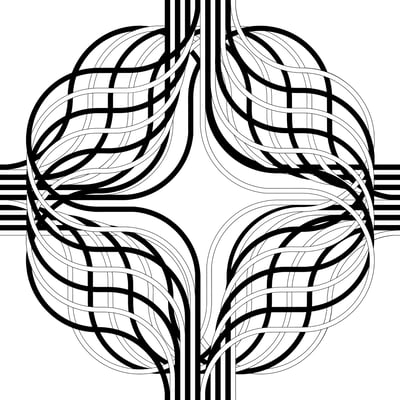
Julio Le Parc
Larga marcha, 4 bifurcaciones, 4 (black and white), 2021
Limited Edition Print
Lithograph
EUR 4,000
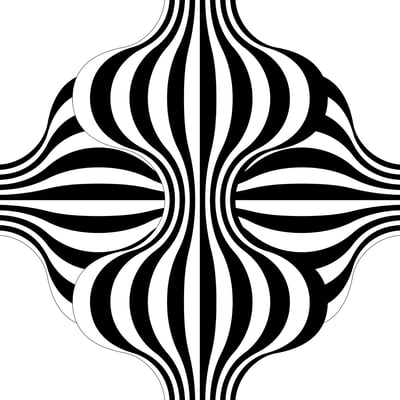
Julio Le Parc
Larga marcha, 4 bifurcaciones, 3 (black and white), 2021
Limited Edition Print
Lithograph
EUR 4,000
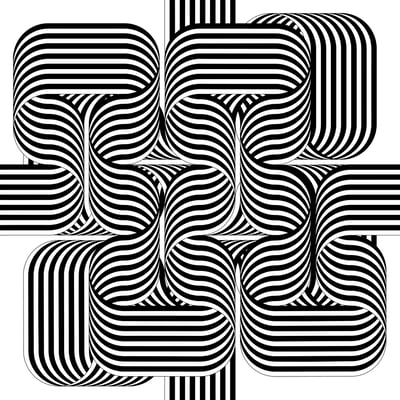
Julio Le Parc
Larga marcha, 4 bifurcaciones, 2 (black and white), 2021
Limited Edition Print
Lithograph
EUR 4,000
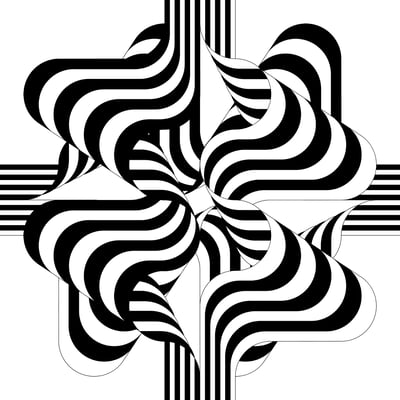
Julio Le Parc
Larga marcha, 4 bifurcaciones, 1 (black and white), 2021
Limited Edition Print
Lithograph
EUR 4,000
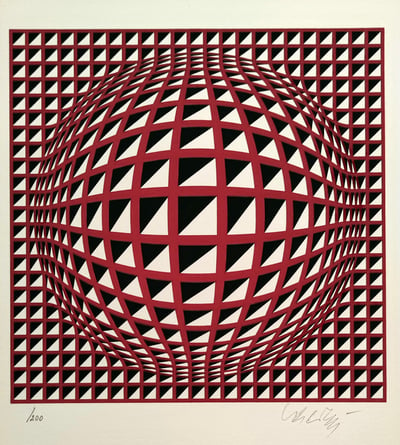
Victor Vasarely
Terz Liten, 1978
Limited Edition Print
Screen-print
EUR 650

Yaacov Agam
Megillat Esther, 1980
Limited Edition Print
Serigraph
USD 10,950

Victor Vasarely
Hommage a Bartók, 1981
Limited Edition Print
Screen-print
EUR 1,500
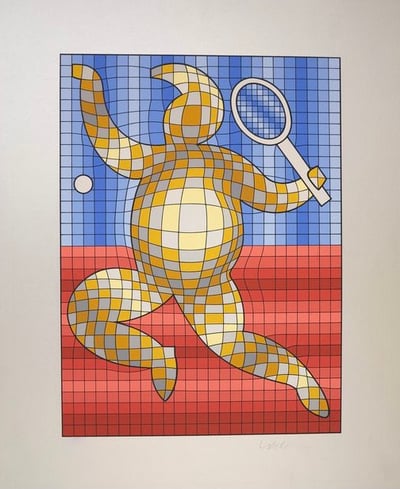
Victor Vasarely
The Tennis Player, 1980
Limited Edition Print
Silkscreen
USD 650
Related Articles
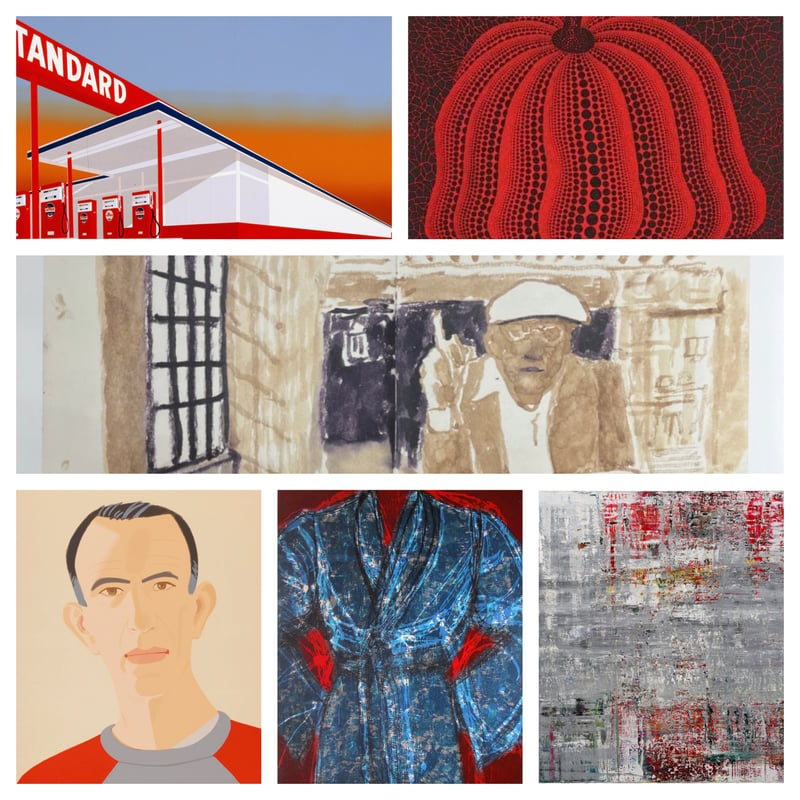
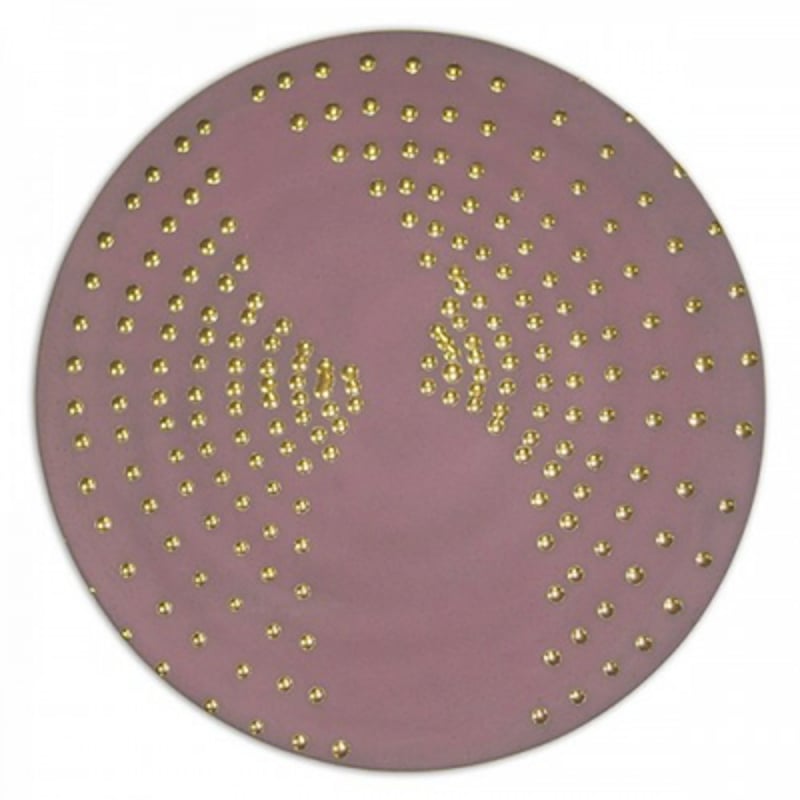
ZERO was an art movement founded by Otto Piene and Heinz Mack, aiming to develop into a large international and cross-border movement. The name ZERO originated from a magazine founded by Heinz Mack in 1957, which became a platform for the group's ideas. The magazine was published for several years before ceasing in 1967. The ZERO movement sought to create a new beginning in art, emphasizing light, space, and movement, and became influential in post-war European art.
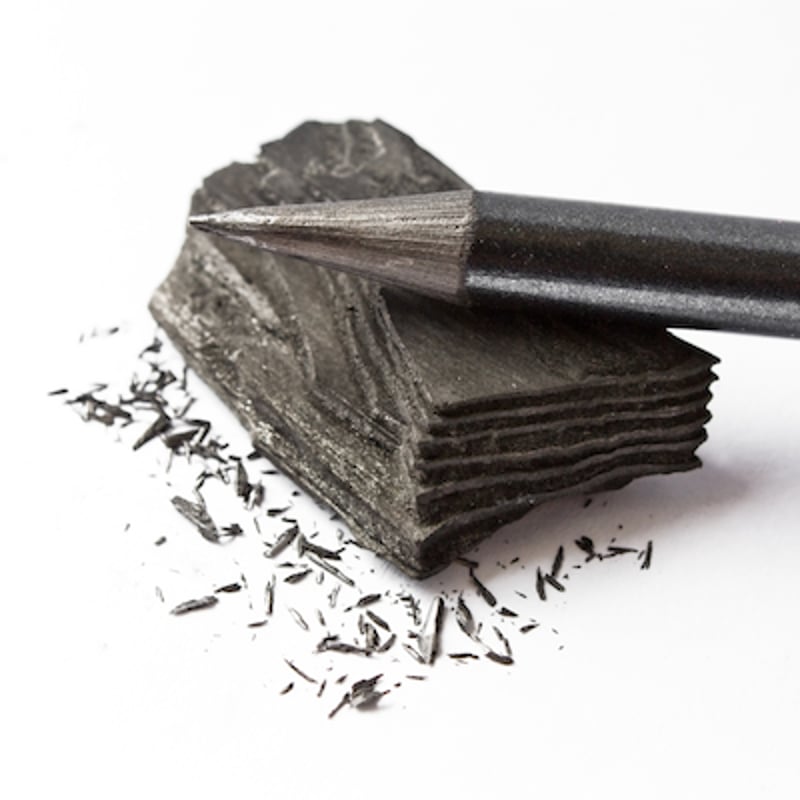
Graphite is a form of carbon commonly used as the core material in pencils. It can be compressed to various levels of hardness, allowing for different shading effects in drawing. In powdered form, graphite can be applied with a brush for broader, softer applications. Graphite erases easily and was first discovered in the 1500s in England's Lake District.

Acrylic sculpture refers to both a process and the resulting object. The artist begins by creating a sculpture from clay, plaster, or epoxy, which is then used to make a flexible mold. Melted acrylic is poured into the mold, and once it cures, the acrylic piece is hand-finished through sanding and polishing. Acrylic sculptures are valued for their clarity, durability, and ability to achieve intricate details.
Can't find your Answer?
Thank you! Your question has been sent — we'll get back to you shortly.
