What is kinetic art?
- Show All
- Established
- Discoveries
- Show All
Artworks Related to Kinetic art

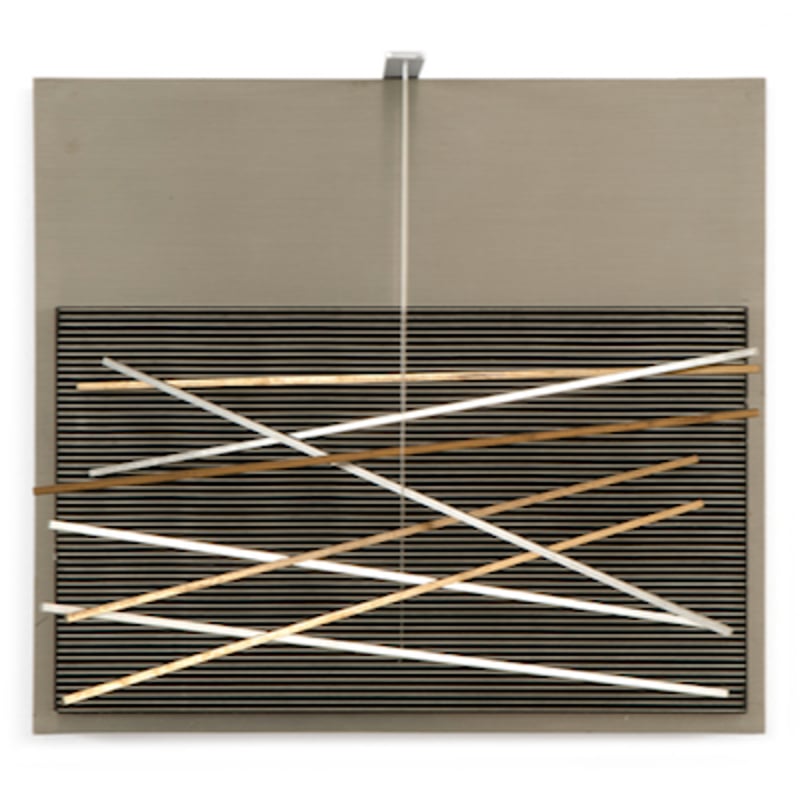
Francois Morellet
Untitled (Intersecting Lines), 1975
Limited Edition Print
Lithograph
EUR 1,375

Francois Morellet
Untitled (black Grid Pattern), 1975
Limited Edition Print
Lithograph
EUR 1,375
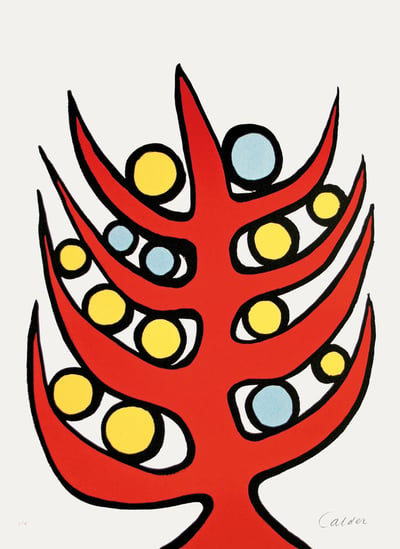
Alexander Calder
L’albero del bene e del male, 1975
Limited Edition Print
Lithograph
EUR 4,600
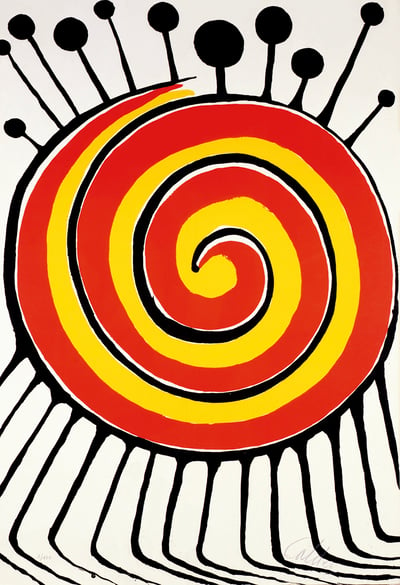
Alexander Calder
Spirale millepiedi, 1972
Limited Edition Print
Lithograph
EUR 4,850
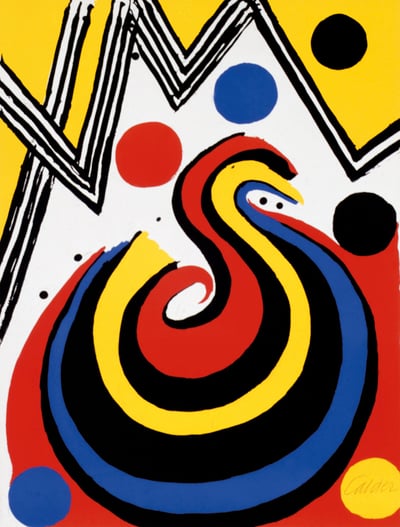
Alexander Calder
Girandola, 1972
Limited Edition Print
Lithograph
EUR 5,400
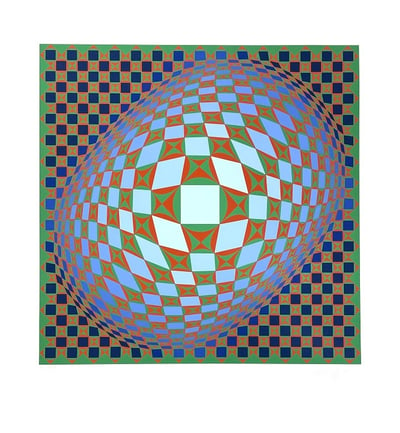
Victor Vasarely
Vilag
Limited Edition Print
Screen-print
EUR 2,300

Francois Morellet
Trames
Limited Edition Print
Screen-print
EUR 1,400
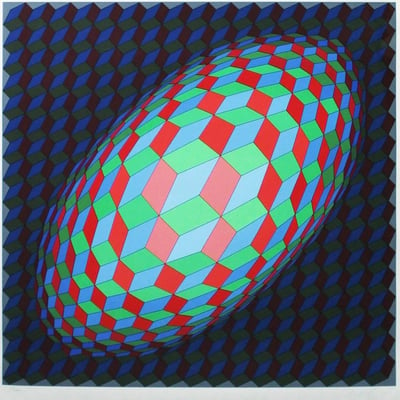
Victor Vasarely
Omega V, 1979
Limited Edition Print
Serigraph
Inquire For Price

Felipe Pantone
Substractive Variability Compact, 2022
Sculpture / Object
Acrylic sculpture
EUR 4,700
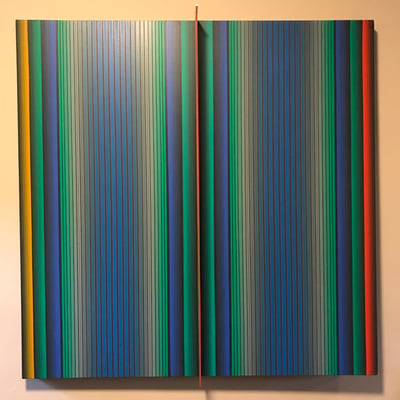
Dario Perez-Flores
Prochromatique 1241, 2020
Painting
Mixed Media
EUR 27,000

Dario Perez-Flores
Prochromatique 1240, 2022
Painting
Mixed Media
EUR 27,000

Dario Perez-Flores
Prochromatique 1138, 2020
Painting
Mixed Media
EUR 27,000

Julio Le Parc
Larga marcha, 4 bifurcaciones 14, 2021
Limited Edition Print
Lithograph
EUR 4,000

Julio Le Parc
Larga marcha, 4 bifurcaciones 4, 2021
Limited Edition Print
Lithograph
EUR 4,000

Julio Le Parc
Larga marcha, 4 bifurcaciones 3, 2021
Limited Edition Print
Lithograph
EUR 4,000

Julio Le Parc
Larga marcha, 4 bifurcaciones, 1, 2021
Limited Edition Print
Lithograph
Currently Not Available
Related Articles

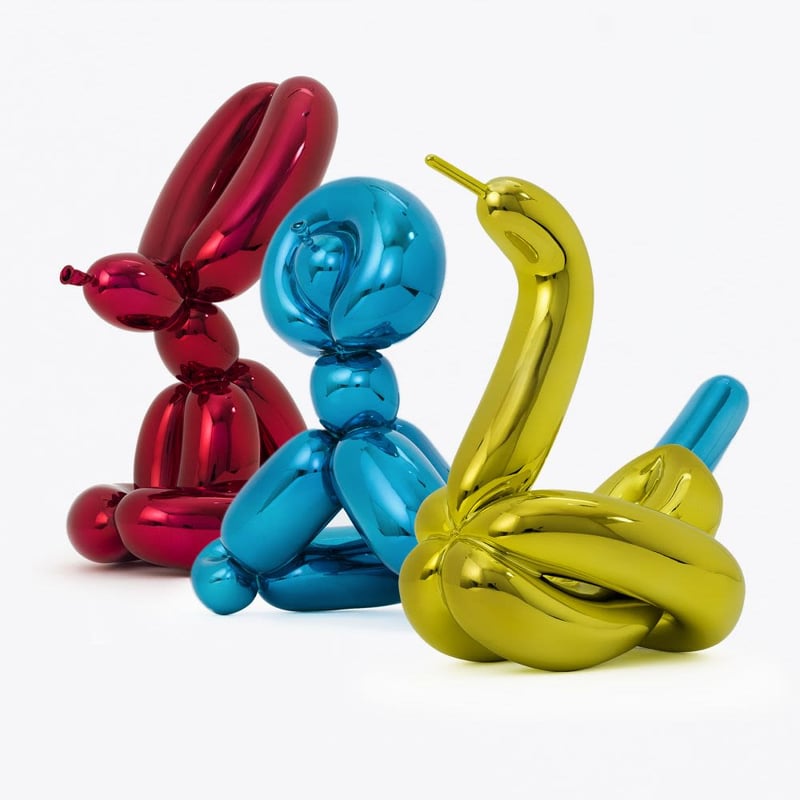
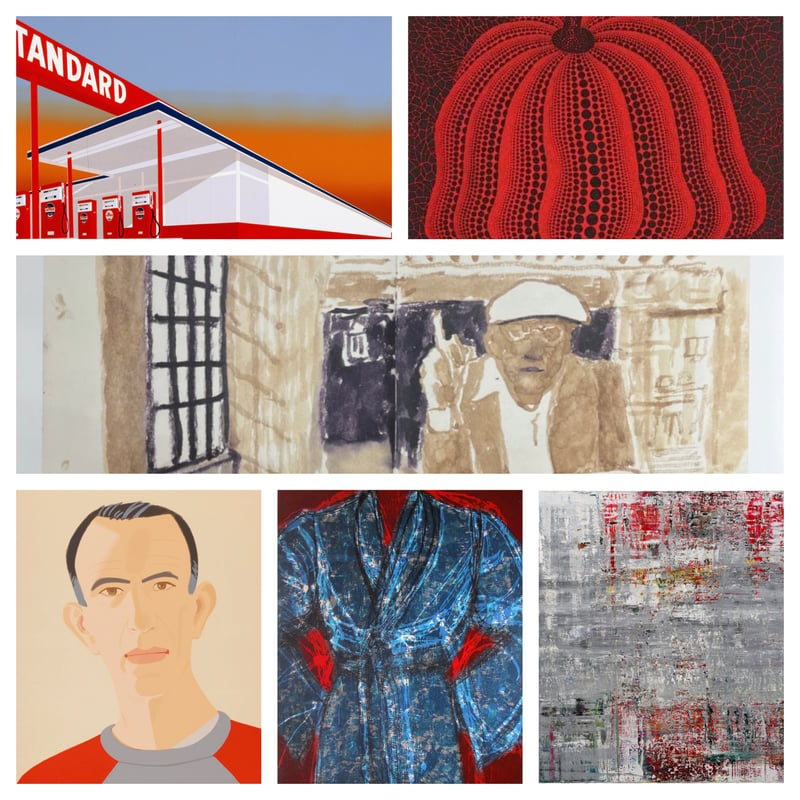

Light art refers to artworks that use light as the primary medium. These can include sculptures or installations that interact with the natural or urban environment. Light art can be suspended, in relief, ground-based, permanent, or temporary. There are two main types of light art: one displayed indoors in galleries and another exhibited outdoors. Light art has been used throughout human history, from ancient times to contemporary public installations.

Provenance refers to the chronology of ownership, location, or custody of an artwork. Tracing an object's provenance helps establish its authenticity and historical context by documenting its ownership history, storage locations, and custody over time. This process often involves expert opinions, comparative analysis, and scientific testing to provide evidence of the artwork’s origin and history.
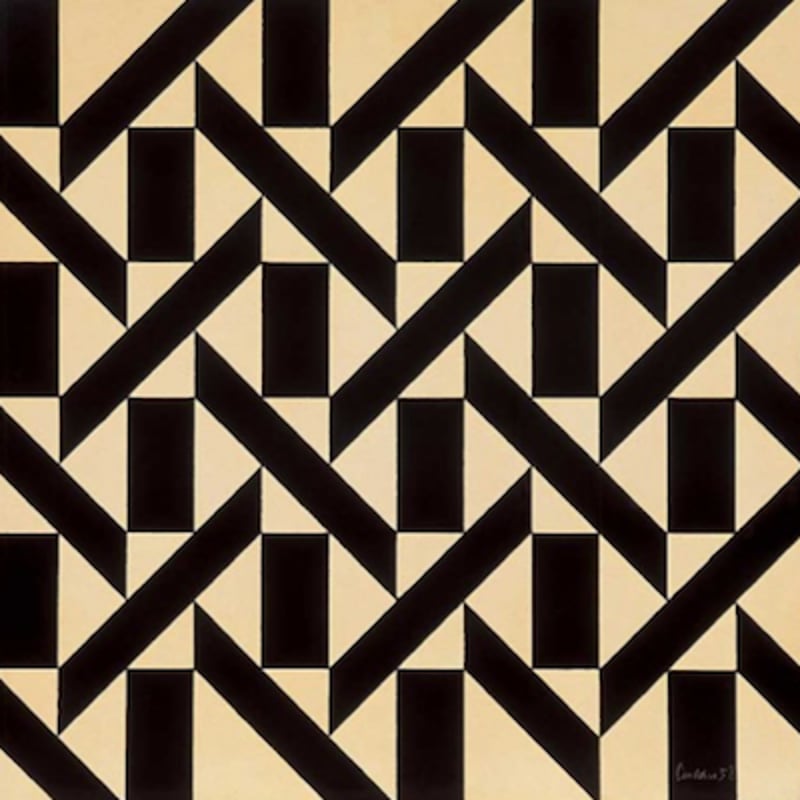
Grupo Ruptura was an organization formed in Brazil by artists who sought to break away from traditional naturalist painting in favor of geometric abstract art. In the early 1950s, the group published the Ruptura Manifesto, advocating for new art for a new country. The manifesto emphasized a departure from the past and a commitment to innovation, aligning with the modernist vision of Brazil as a forward-looking nation.
Can't find your Answer?
Thank you! Your question has been sent — we'll get back to you shortly.
