What is kinetic art?
- Show All
- Established
- Discoveries
- Show All
Artworks Related to Kinetic art
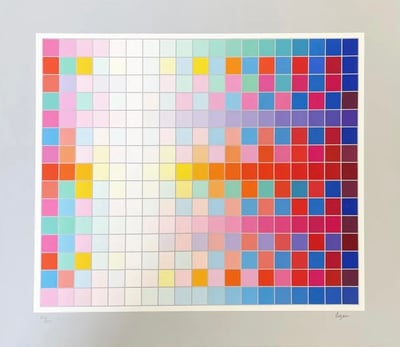
Yaacov Agam
Square Wave, 1983
Limited Edition Print
Serigraph
USD 1,250
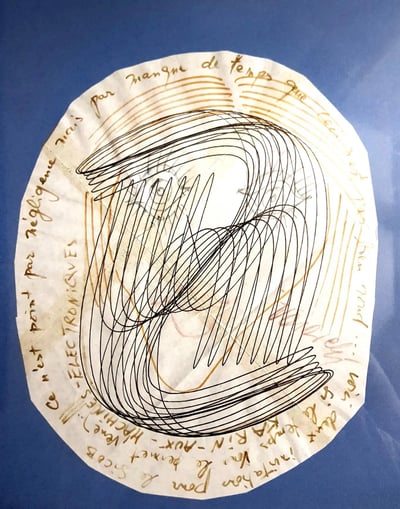
Victor Vasarely
Face, 1970s
Drawing / Watercolor
Pen and ink
EUR 3,650
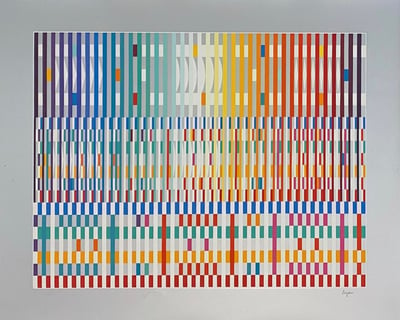
Yaacov Agam
Untitled II, 1990
Limited Edition Print
Lithograph
USD 900
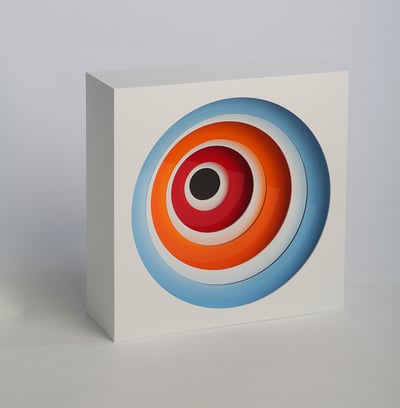
Gregorio Vardanega
Boite à Cercles de Couleurs, 1970
Sculpture / Object
Acrylic sculpture
Currently Not Available
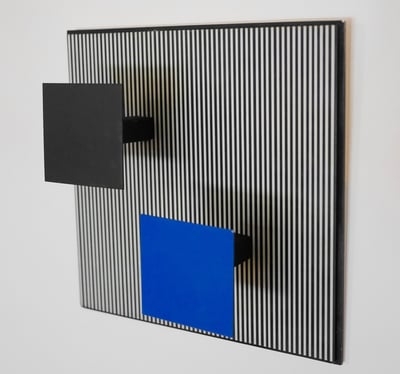
Rafael Jesus Soto
Dos Cuadraditos, 1972
Sculpture / Object
Object
Currently Not Available
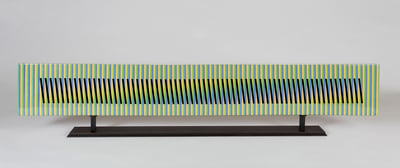
Carlos Cruz-Diez
Stèle horizontale 9, 2008
Ceramics
Ceramic
EUR 12,000
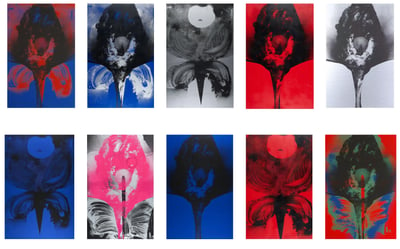
Otto Piene
Addis Abeba, 1972
Limited Edition Print
Silkscreen
EUR 19,500
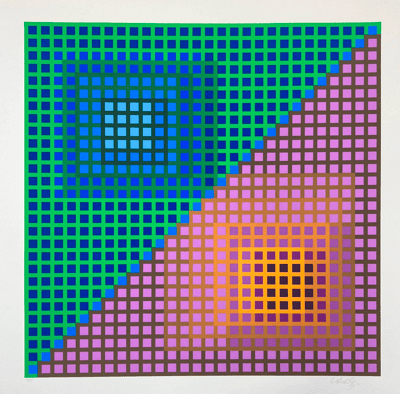
Victor Vasarely
Lum, 1982
Limited Edition Print
Lithograph
USD 1,250
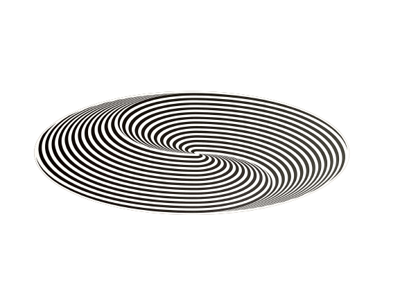
Marina Apollonio
Dinamica Circolare Ellisse 6Z, 1969-2022
Sculpture / Object
Wood
EUR 1,500
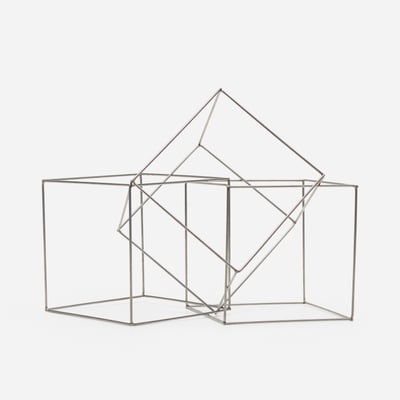
Francois Morellet
Trois cubes imbriqués, 1977
Sculpture / Object
Metal
EUR 6,990
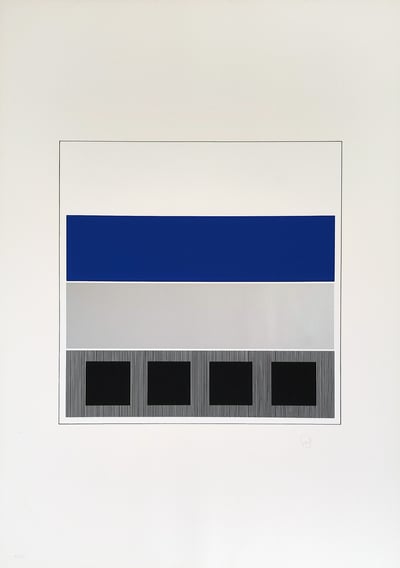
Rafael Jesus Soto
Caroni, 1971
Limited Edition Print
Silkscreen
EUR 1,270
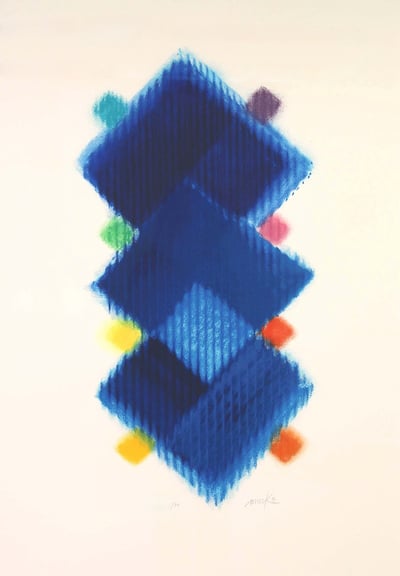
Heinz Mack
Kleiner Dreiklang, 1994
Limited Edition Print
Silkscreen
EUR 6,970
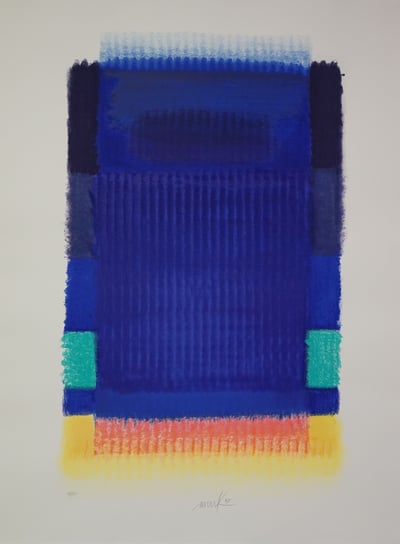
Heinz Mack
Blaues Feld mit Rosa, 1997
Limited Edition Print
Silkscreen
EUR 5,800
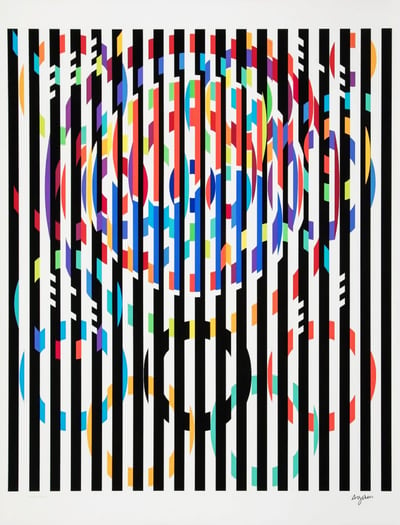
Yaacov Agam
Message of peace, 1988
Limited Edition Print
Silkscreen
Currently Not Available
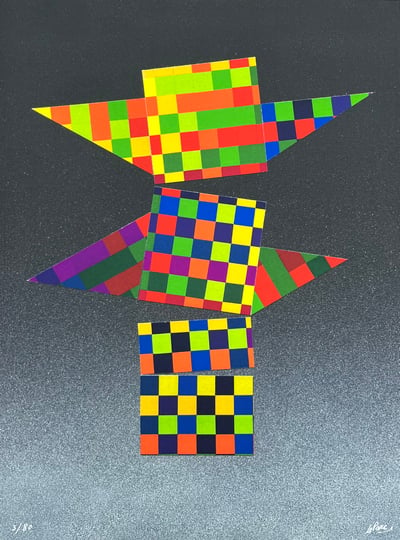
Julio Le Parc
Damier, 2022
Limited Edition Print
Digital Print on paper
EUR 1,000
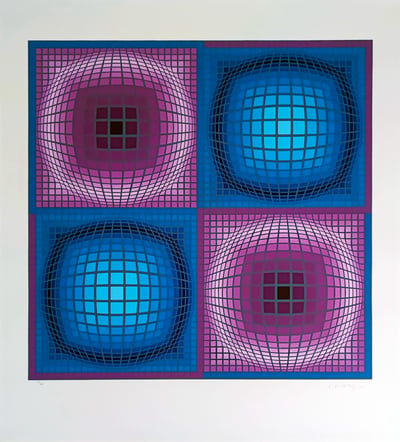
Victor Vasarely
Diorre, 1980s
Limited Edition Print
Silkscreen
Currently Not Available
Related Articles


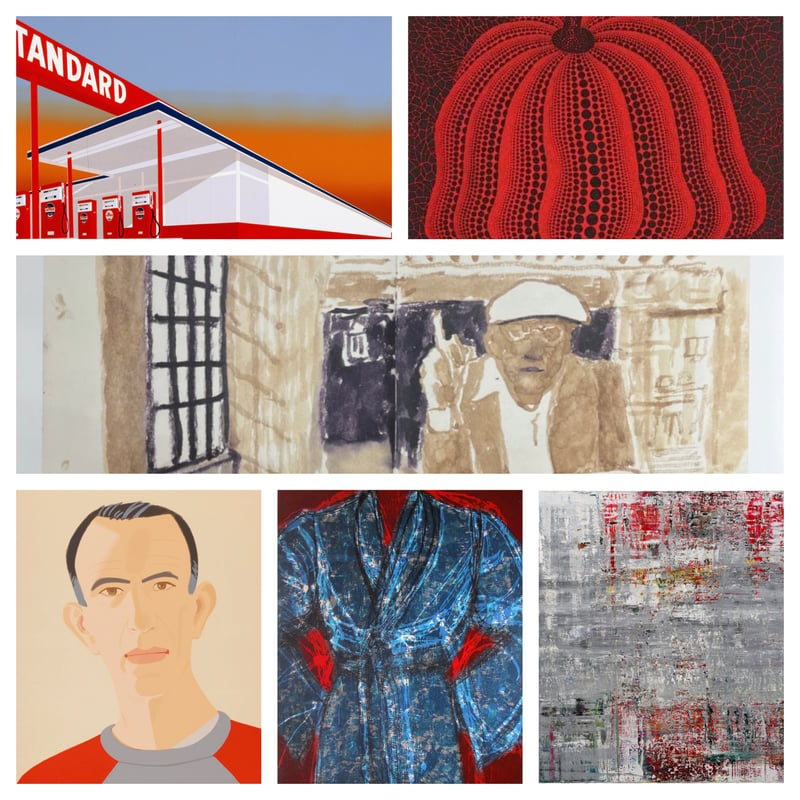
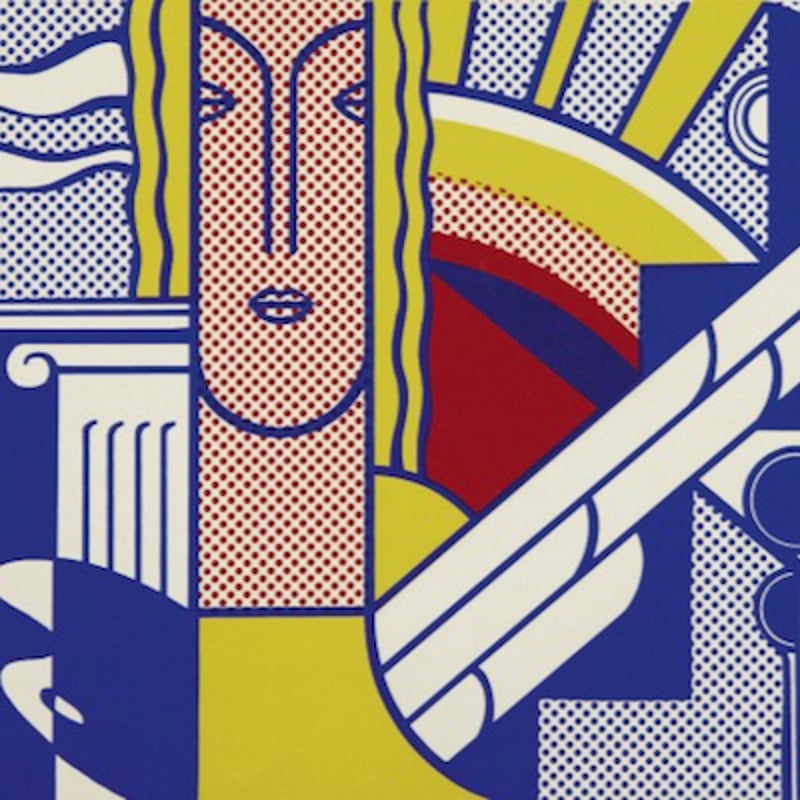
Late Modernism refers to the continuation and evolution of Modernist principles in art, architecture, and literature from the mid-20th century into the late 20th century. This movement maintains a focus on form, abstraction, and the rejection of traditional styles, but it often incorporates more complexity and ambiguity compared to early Modernism. Late Modernism explores themes such as alienation, identity, and the fragmentation of reality, reflecting the social and cultural shifts of the post-war period. It is seen in the works of architects like Louis Kahn and artists like Francis Bacon, who pushed the boundaries of Modernism while responding to the changing world around them.

Wood is one of the most ancient and versatile materials used in creating art. It has served as a base for paintings, brush handles, pens, and pencils, as well as for easels, wood engraving, woodcut, woodblock printing, and sculpting. Various types of wood, such as oak, maple, and pine, are commonly used in these artistic applications.
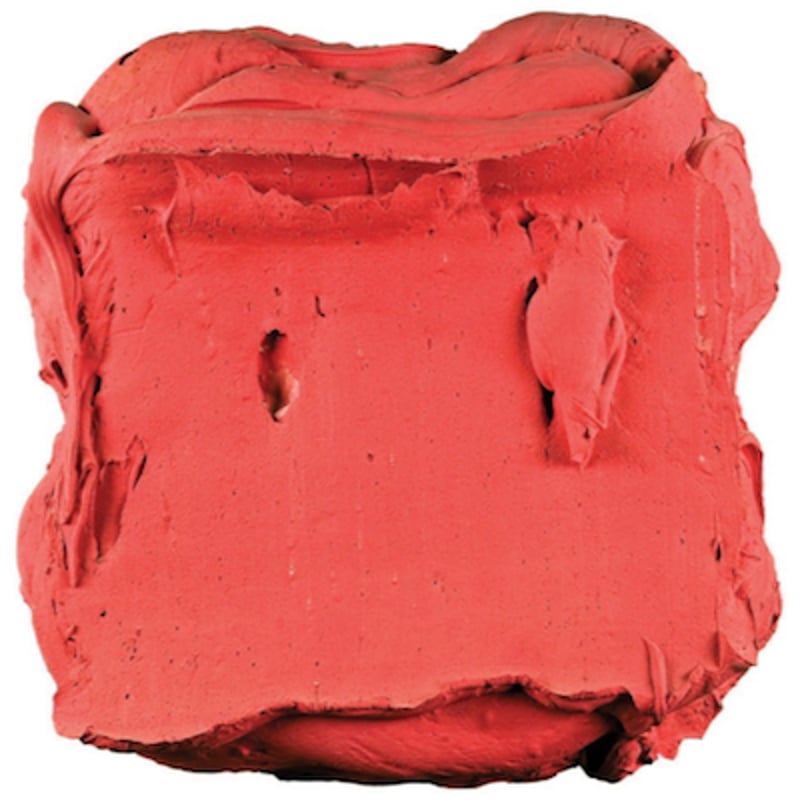
Matter painting is a technique that involves blending thick impasto paints with materials like cement, mud, sand, or shells. The term first emerged in the 1950s to describe the works of Belgian and Dutch painters who explored the physical properties of painting materials and the different ways paint could be manipulated. This approach emphasizes texture and the tactile qualities of the surface, creating a sculptural effect on the canvas.
Can't find your Answer?
Thank you! Your question has been sent — we'll get back to you shortly.
