
What is Hard Edge Art?
- Show All
- Established
- Discoveries
- Show All
Artworks Related to Hard Edge art
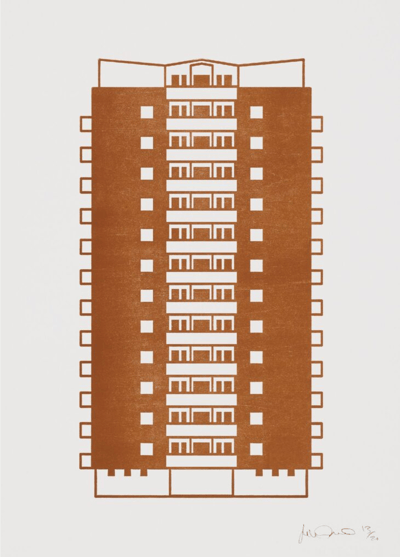
Julian Opie
Apartment 3, 2021
Limited Edition Print
Woodcut
USD 1,950

Victor Vasarely
Composition
Limited Edition Print
Lithograph
EUR 1,350
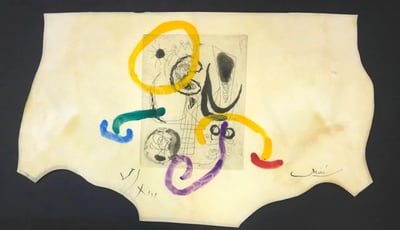
Joan Miró
Series III, 1952
Limited Edition Print
Etching
EUR 25,900

Joan Miró
Préparatifs d'oiseaux IV, 1963
Limited Edition Print
Aquatint
EUR 7,790
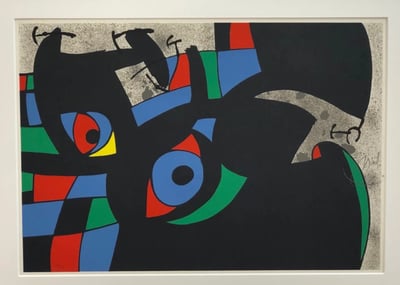
Joan Miró
El lagarto de las plumas de oro, 1971
Limited Edition Print
Lithograph
EUR 7,200
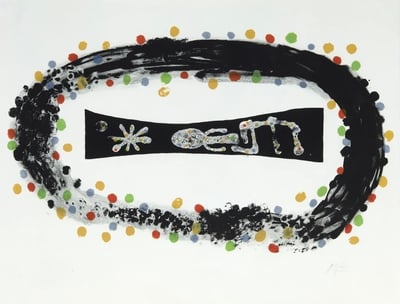
Joan Miró
Nebuleuse, 1958
Limited Edition Print
Lithograph
EUR 5,625

Joan Miró
Le Courtisan Grotesque VI, 1974
Limited Edition Print
Etching and Aquatint
EUR 3,125
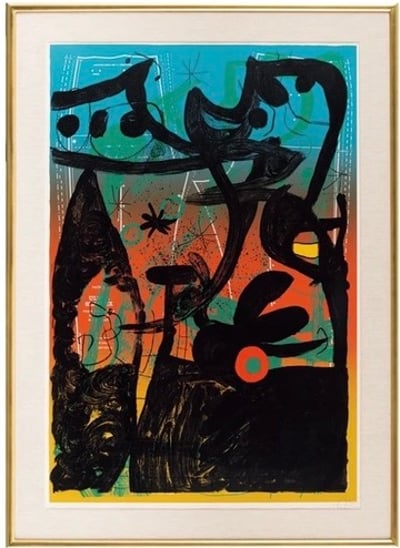
Joan Miró
Mannequin Parade in Bahia, 1969
Limited Edition Print
Lithograph
USD 40,500
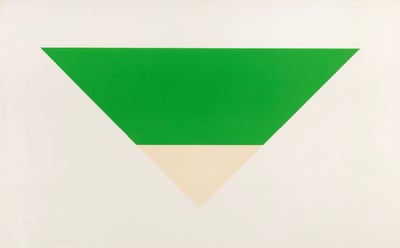
Ellsworth Kelly
Green/White, 1971
Limited Edition Print
Lithograph
Currently Not Available

Joan Miró
Terres de Grand Feu, 1956
Limited Edition Print
Lithograph
USD 4,500
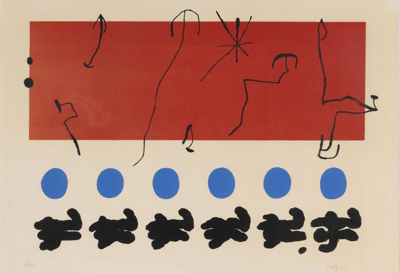
Joan Miró
Ciel rouge, 1960
Limited Edition Print
Lithograph
USD 4,850
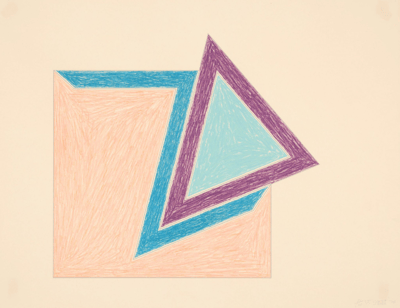
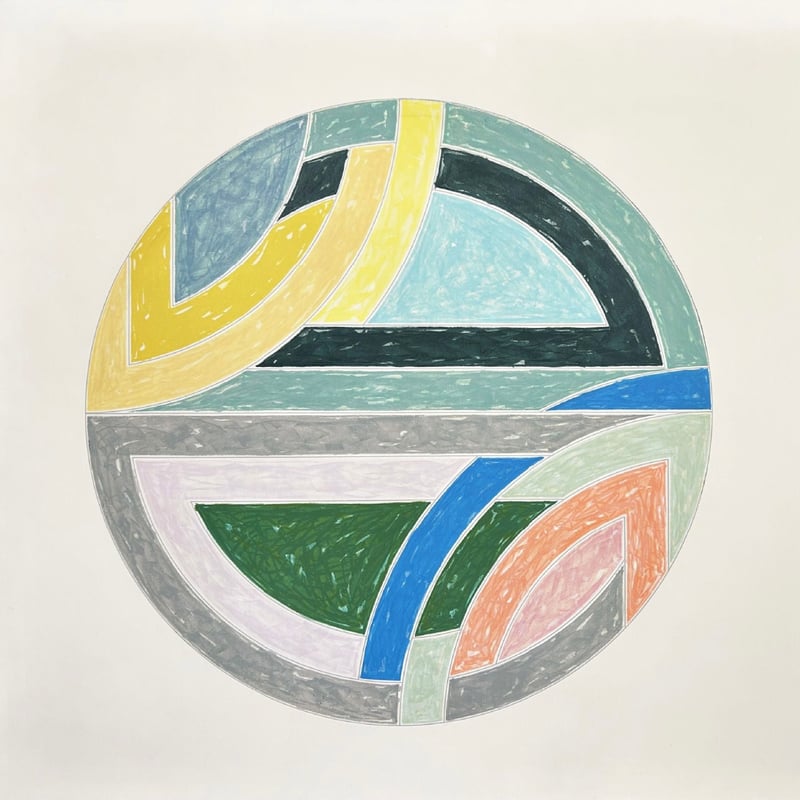
Frank Stella
Moultonboro, 1974
Limited Edition Print
Lithograph
USD 9,400
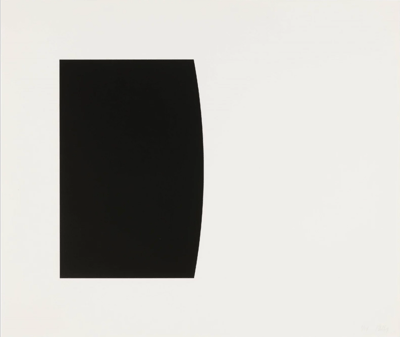
Ellsworth Kelly
Canigou - from the Third Curve series, 1973-1976
Limited Edition Print
Lithograph
USD 6,600
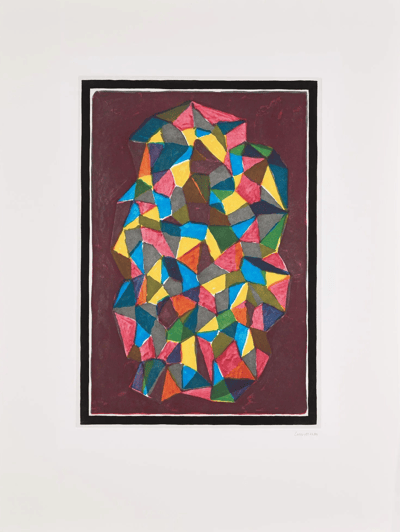
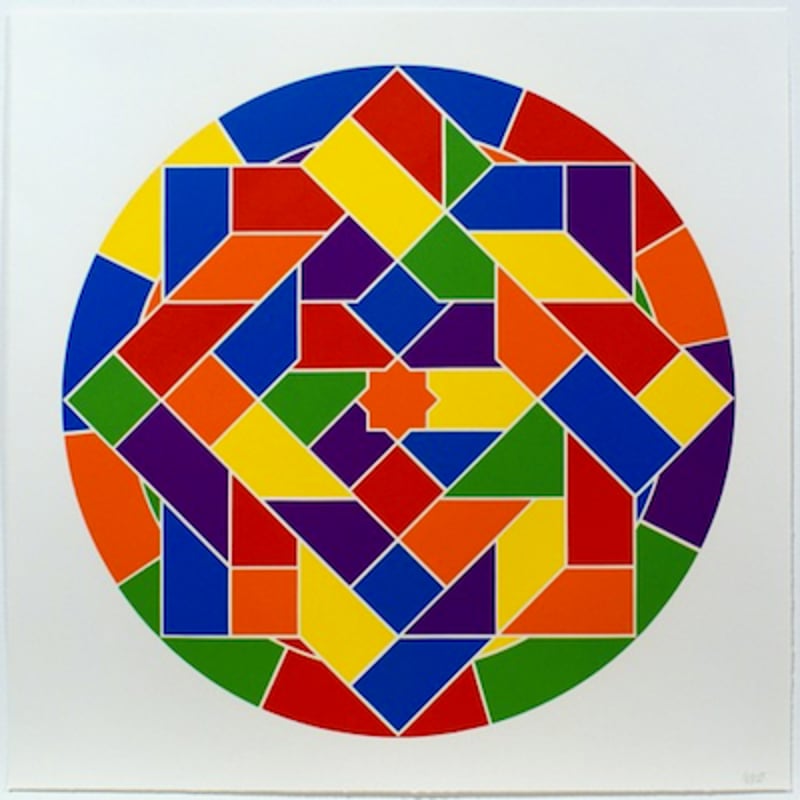
Sol LeWitt
Plate #1 (from Complex Forms), 1989
Limited Edition Print
Etching and Aquatint
Inquire For Price
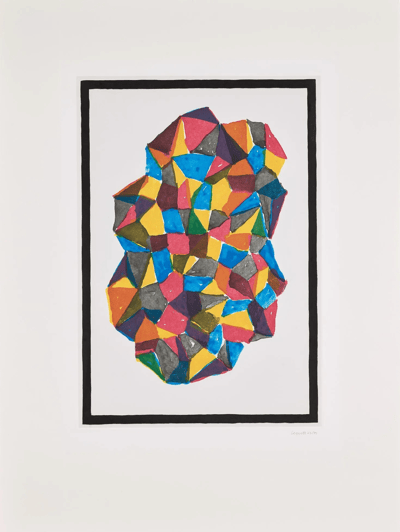
Sol LeWitt
Plate #2 (from Complex Forms), 1989
Limited Edition Print
Etching and Aquatint
USD 3,600
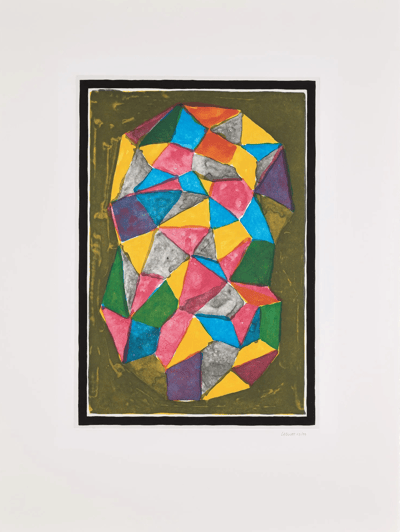
Sol LeWitt
Plate #3 (from Complex Forms),, 1989
Limited Edition Print
Etching and Aquatint
USD 3,600
Related Articles
Generative art refers to art that is wholly or partly created through an autonomous system. This system can be independent or non-human, capable of determining features that would otherwise be decided by the artist. The generative system can act as the creator or as a collaborator with the artist. Generative art often refers to works generated algorithmically by computers, where the system plays a significant role in the creation process.
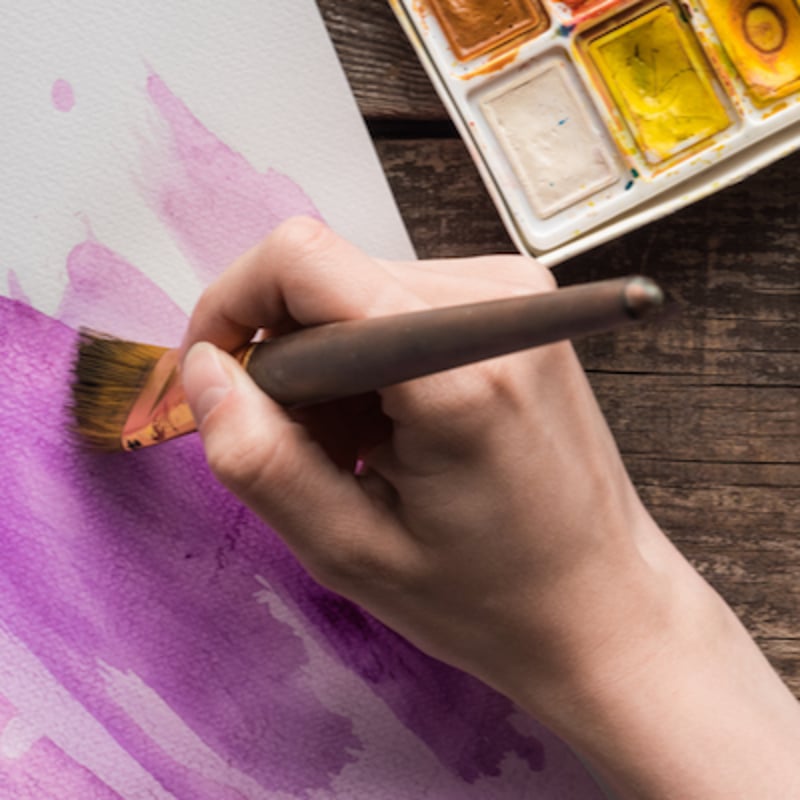
Acrylic on paper is a technique that involves using acrylic paints on various paper types and textures. Artists often choose watercolor paper with smooth or rough surfaces to apply acrylics using watercolor techniques such as bleeding, washing, and spattering. This approach allows for a wide range of effects, combining the flexibility of acrylics with the delicate qualities of watercolor methods.
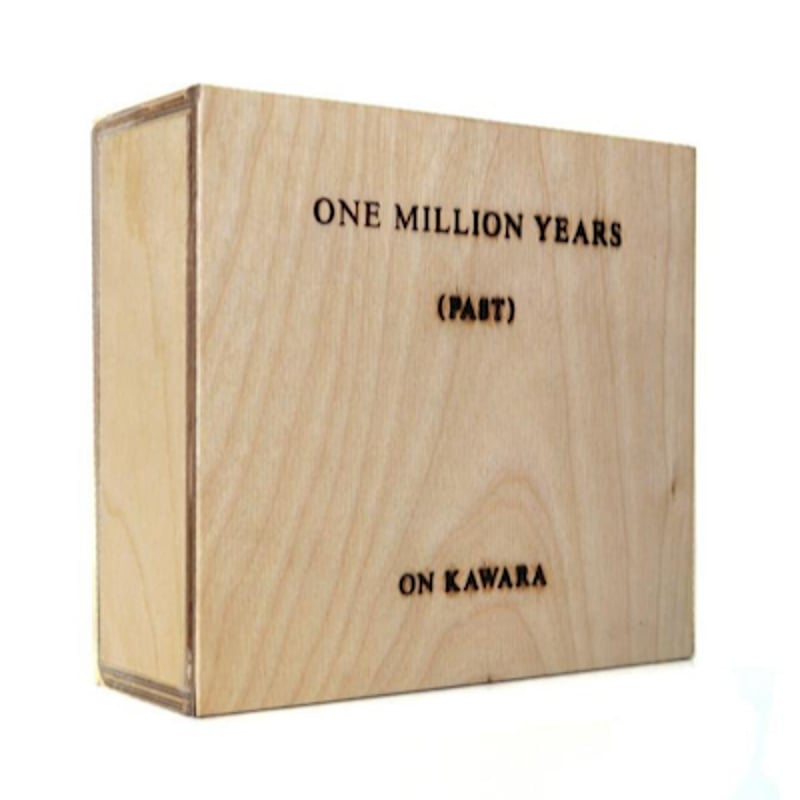
Mail Art is a populist art movement centered on the creation and exchange of small-scale artworks through the postal service. It developed out of the Fluxus movement in the 1950s and 1960s and has since evolved into a global art movement. Ray Johnson is recognized as the first mail artist, and his New York School is considered the first network of mail artists. Mail artists rely heavily on a network to exchange their works, often creating a community of artists connected through the postal system.
Can't find your Answer?
Thank you! Your question has been sent — we'll get back to you shortly.
