
What is Hard Edge Art?
- Show All
- Established
- Discoveries
- Show All
Artworks Related to Hard Edge art
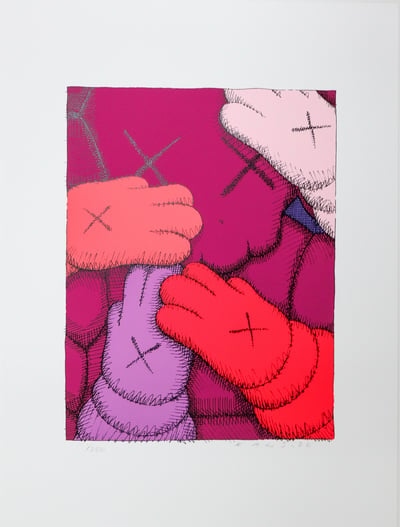
KAWS
Untitled IV (Urge), 2020
Limited Edition Print
Silkscreen
Inquire For Price
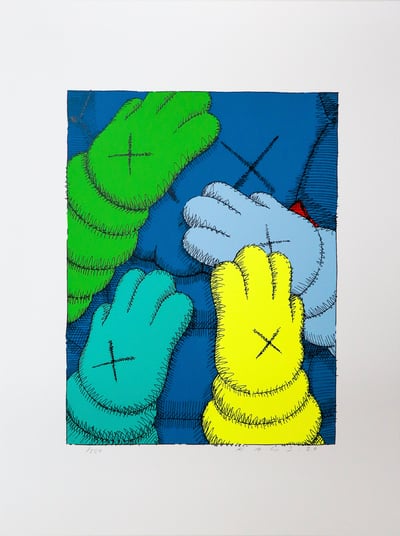
KAWS
Untitled I (Urge), 2020
Limited Edition Print
Silkscreen
USD 5,625
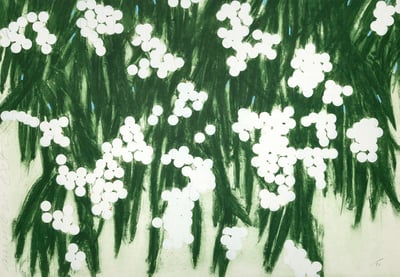
Donald Sultan
Mimosa, Oct. 2, 2006, 2006
Limited Edition Print
Mixed Media
USD 7,950
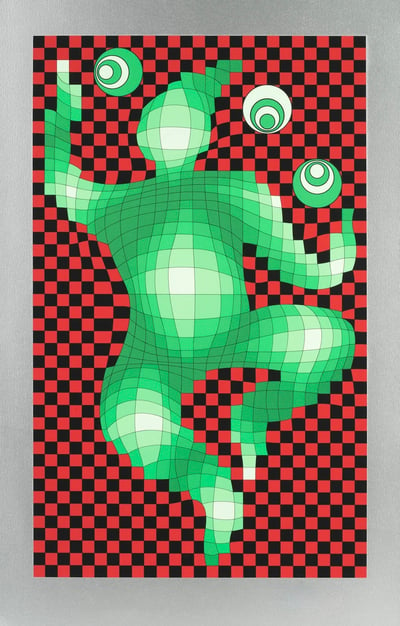
Victor Vasarely
The Juggler, 1977
Limited Edition Print
Serigraph
USD 1,150
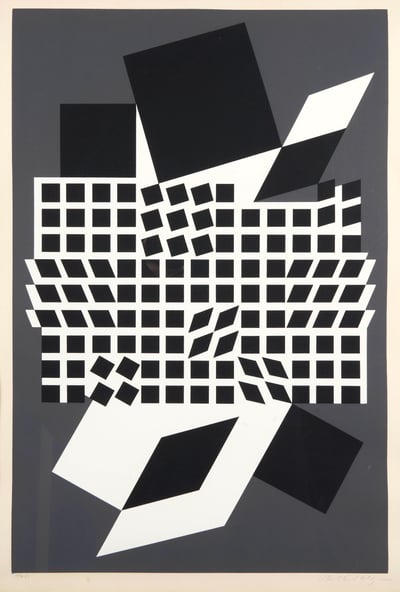
Victor Vasarely
OETA, 1959
Limited Edition Print
Screen-print
USD 1,000
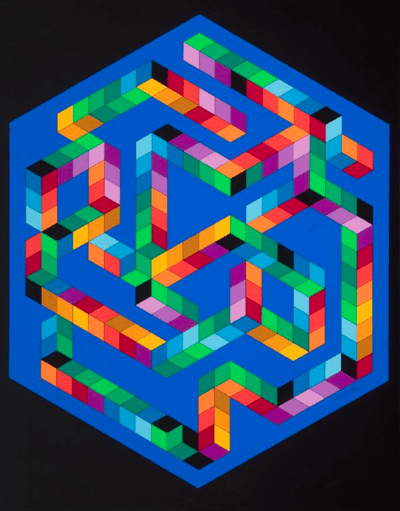
Victor Vasarely
Babel 3, 1978
Limited Edition Print
Screen-print
USD 950

Victor Vasarely
Viva, 1974
Limited Edition Print
Screen-print
USD 1,100

Victor Vasarely
Kraft und Natur I, 1972
Limited Edition Print
Screen-print
Currently Not Available
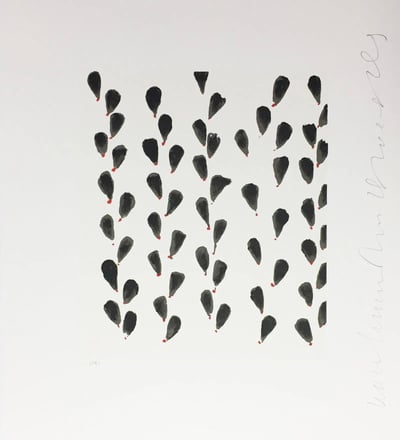
Donald Sultan
Wall Flower IX, 2008
Limited Edition Print
Screen-print
Inquire For Price

Frank Stella
Honduras Lottery Co., 1972
Limited Edition Print
Lithograph
Currently Not Available
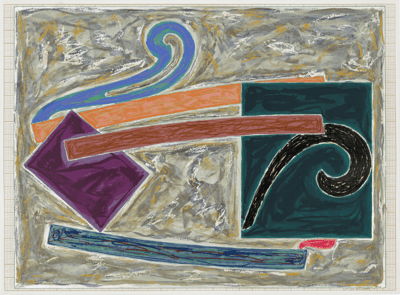
Frank Stella
Inaccessible Island Rail, 1977
Limited Edition Print
Mixed Media
USD 17,750
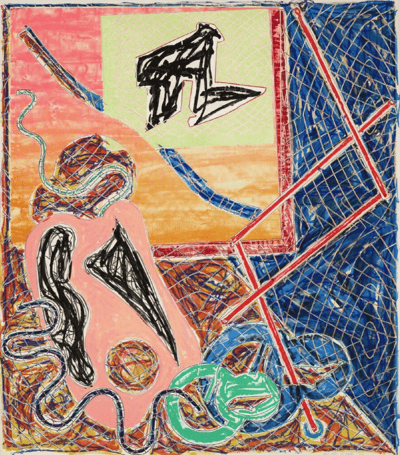
Frank Stella
Shards I, 1982
Limited Edition Print
Mixed Media
Inquire For Price
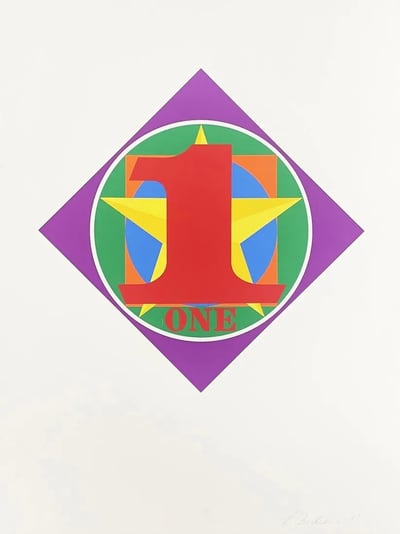
Robert Indiana
The Diamond One, 1983
Limited Edition Print
Serigraph
Inquire For Price
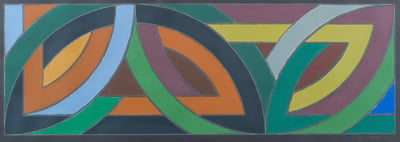
Frank Stella
York Factory II, 1974
Limited Edition Print
Screen-print
Currently Not Available
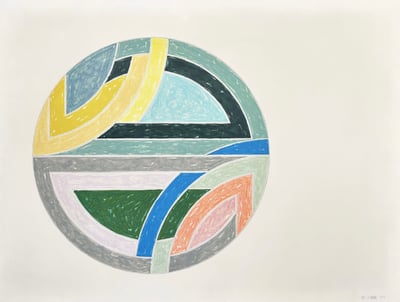
Frank Stella
Sinjerli Variation IIa, 1977
Limited Edition Print
Mixed Media
USD 18,500
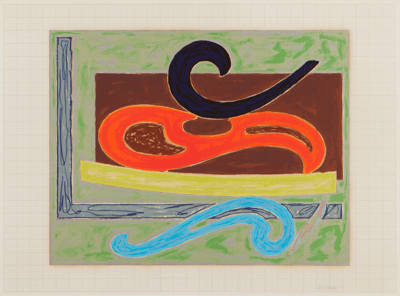
Frank Stella
Eskimo Curlew, 1977
Limited Edition Print
Mixed Media
USD 12,500
Related Articles
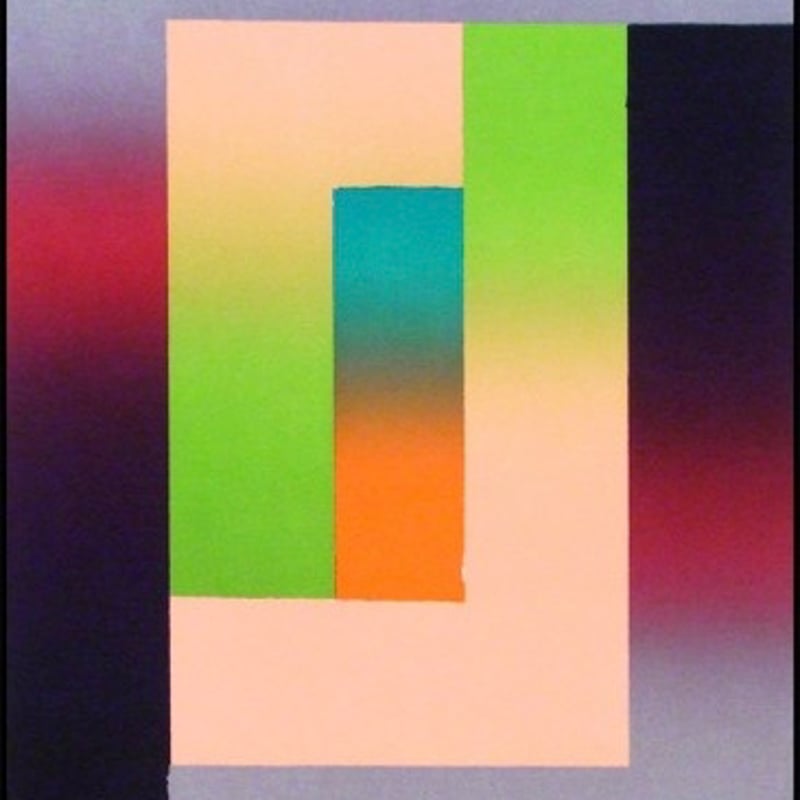
Entropy, in a broader sense, refers to the inevitable deterioration or decline of a society or system. In art, the concept was popularized by artist Robert Smithson in the 1960s. He used the term to critique what he saw as the static and overly simplified nature of contemporary minimalist art. Smithson's work often explored the idea of entropy as a force of chaos and decay, contrasting with the perceived order and purity of minimalist works.

Tansaekhwa, also known as monochrome painting, is a movement in Korean art that began in the mid-1970s. These artworks are characterized by the manipulation of painting materials, such as pushing paint, soaking the canvas, ripping paper, or other techniques that alter the medium. Tansaekhwa emphasizes texture, materiality, and the physical process of creating the artwork.
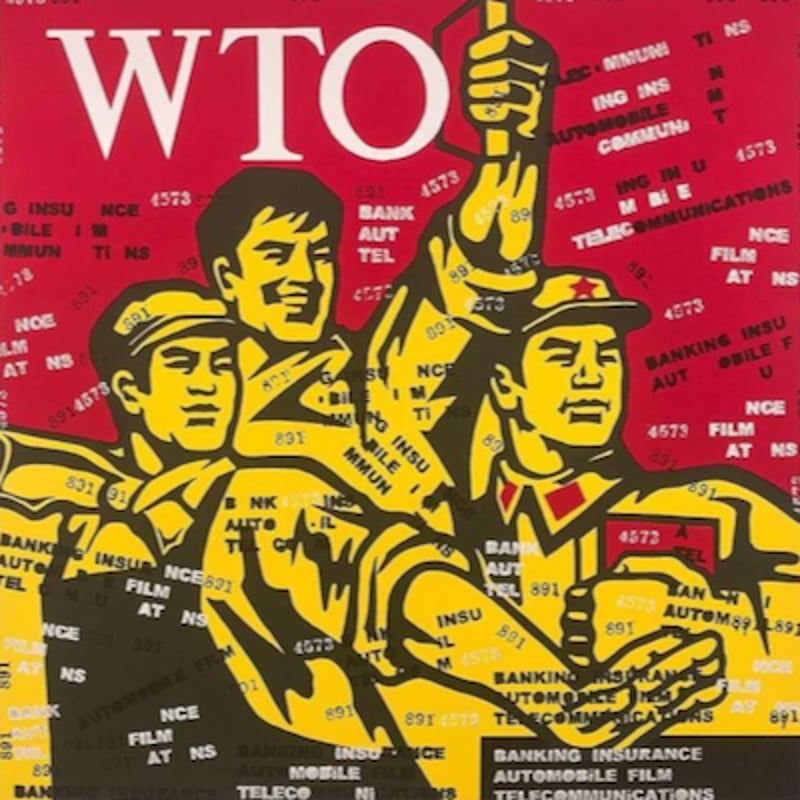
Political Pop was an art movement that emerged in China during the 1980s, blending the Pop Art style of Western countries with the socialist realism of China. This movement arose during a time of rapid social and political change in China, as artists sought to create works that questioned and critiqued these cultural shifts. Political Pop often juxtaposed iconic images from Chinese propaganda with Western consumer culture, highlighting the tensions between tradition and modernization.
Can't find your Answer?
Thank you! Your question has been sent — we'll get back to you shortly.
