
Details
Artist
Styles
Signed, titled, dated and numbered in pencil Sea (Kusama 136) by Yayoi Kusama is a 1989 screenprint that reflects the artist’s fascination with repetition, vibrant color, and stylized natural imagery. The composition depicts an underwater scene populated by vividly patterned fish and starfish floating against a deep blue background. Each creature is covered with Kusama’s signature dots and mosaic-like patterns, transforming marine life into rhythmic decorative forms. The dense network of lines in the background evokes the texture of water or coral, reinforcing the immersive quality of the scene. Through repetition and bright contrasting colors, Kusama turns a simple ocean motif into a dynamic visual field that reflects her broader exploration of infinity, pattern, and the natural world. The screenprint measures approximately 53.5 × 61 cm (21.1 × 24 inches) and was produced in a limited edition of 100. The work is signed, titled, dated, and numbered in pencil.
Details
Artist
Styles
Signed, titled, dated and numbered in pencil Sea (Kusama 136) by Yayoi Kusama is a 1989 screenprint that reflects the artist’s fascination with repetition, vibrant color, and stylized natural imagery. The composition depicts an underwater scene populated by vividly patterned fish and starfish floating against a deep blue background. Each creature is covered with Kusama’s signature dots and mosaic-like patterns, transforming marine life into rhythmic decorative forms. The dense network of lines in the background evokes the texture of water or coral, reinforcing the immersive quality of the scene. Through repetition and bright contrasting colors, Kusama turns a simple ocean motif into a dynamic visual field that reflects her broader exploration of infinity, pattern, and the natural world. The screenprint measures approximately 53.5 × 61 cm (21.1 × 24 inches) and was produced in a limited edition of 100. The work is signed, titled, dated, and numbered in pencil.
- Recently Added
- Price (low-high )
- Price (high-low )
- Year (low-high )
- Year (high-low )

Yayoi Kusama
Pumpkin (S), 1992
Limited Edition Print
Screen-print
GBP 37,500

Yayoi Kusama
Pumpkin (G), 1992
Limited Edition Print
Screen-print
USD 45,750

Yayoi Kusama
Pumpkin (YY), 1996
Limited Edition Print
Screen-print
USD 50,000 - 60,000

Yayoi Kusama
Pumpkin Army, 1994
Limited Edition Print
Etching
GBP 45,000 - 50,000

Yayoi Kusama
Shangai Expo Silk Scarf Yellow, 2010
Tapestry
Mixed Media
EUR 7,000 - 9,000

Yayoi Kusama
Red And Yellow Pumpkins, 2015
Sculpture / Object
Mixed Media
EUR 1,850

Yayoi Kusama
Grapes (Kusama 29), 1983
Limited Edition Print
Screen-print
GBP 30,000 - 40,000

Yayoi Kusama
Vase (2) (Kusama 167), 1992
Limited Edition Print
Lithograph
GBP 17,000 - 21,000

Yayoi Kusama
Shoes (Kusama 30), 1984
Limited Edition Print
Screen-print
GBP 28,000 - 35,000

Yayoi Kusama
Pumpkin ST (Kusama 301), 2001
Limited Edition Print
Screen-print
GBP 40,000 - 50,000
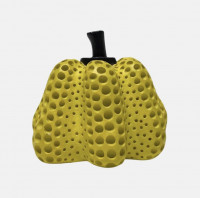
Yayoi Kusama
Yellow Pumpkin, 1998
Sculpture / Object
Resin
GBP 25,000 - 30,000
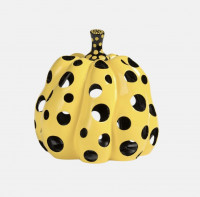
Yayoi Kusama
Pumpkin (NGV), 2025
Sculpture / Object
Mixed Media
GBP 12,000 - 15,000

Yayoi Kusama
Pumpkin 2000 (Green), 2000
Limited Edition Print
Screen-print
GBP 40,000 - 60,000

Yayoi Kusama
Chapeau (II), 2000
Limited Edition Print
Screen-print
GBP 28,000 - 40,000

Yayoi Kusama
Pumpkin 2000 (Yellow), 2000
Limited Edition Print
Screen-print
Currently Not Available

Yayoi Kusama
Pumpkin 2000 (Red), 2000
Limited Edition Print
Screen-print
Currently Not Available

Yayoi Kusama
Pumpkin, 1993
Limited Edition Print
Screen-print
Currently Not Available
Related Artists


Related Articles

Popular, Artists - November 01, 2024
Yayoi Kusama's Pumpkin Prints: A Legacy of Infinite Patterns
Explore Yayoi Kusama’s timeless Pumpkin prints. Discover their artistic evolution, technical mastery, and cultural significance in contemporary art. Read More
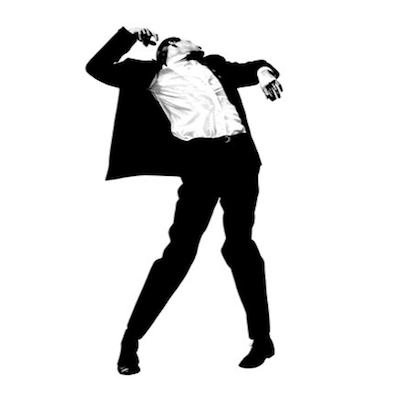
What is Performance Art?
Performance Art is a genre of fine art that is traditionally interdisciplinary, involving various art forms. It can be scripted or unscripted, random or carefully orchestrated, spontaneous, or meticulously planned, with or without audience participation. Performance Art can be presented live or through media, with the artist either present or absent. It typically involves four basic elements: space, the performer’s body or presence through a medium, time, and the relationship between performer and audience. The artwork consists of actions performed by an individual or group in a specific time and space.