Details
Artist
Styles
Charcoal and pastel on thick Rives wove paper. From Sobriety, Obesity & Growing Old; Kentridge's fourth film. This drawing appears from 4:51 to 4:56. The surface shows pronounced agitation from the artist's repeated reworking, resulting in a subtly three-dimensional texture. A small hole, worn through by the artist during the process and later repaired by him. Overall in excellent condition. // A figure appears to submerge in a field of luminous blue pastel in this monumental charcoal and pastel drawing from William Kentridge's fourth animated film, Sobriety, Obesity & Growing Old. Visible on screen from 4:51 to 4:56, the drawing bears the pronounced surface agitation of Kentridge's signature process — repeatedly drawing, erasing and redrawing on the same sheet to create his stop-motion animations. The result is a subtly three-dimensional texture that records the physical history of the artist's hand. A small hole worn through by the process and later repaired by Kentridge himself adds to the work's visceral authenticity. This is a rare opportunity to acquire a key frame from one of the defining animation cycles in contemporary art.
The Passion of Mrs Eckstein, 1991
form
Medium
Size
70 x 100 cm
- Inches
- Centimeters
Edition
Price
Details
Artist
Styles
Charcoal and pastel on thick Rives wove paper. From Sobriety, Obesity & Growing Old; Kentridge's fourth film. This drawing appears from 4:51 to 4:56. The surface shows pronounced agitation from the artist's repeated reworking, resulting in a subtly three-dimensional texture. A small hole, worn through by the artist during the process and later repaired by him. Overall in excellent condition. // A figure appears to submerge in a field of luminous blue pastel in this monumental charcoal and pastel drawing from William Kentridge's fourth animated film, Sobriety, Obesity & Growing Old. Visible on screen from 4:51 to 4:56, the drawing bears the pronounced surface agitation of Kentridge's signature process — repeatedly drawing, erasing and redrawing on the same sheet to create his stop-motion animations. The result is a subtly three-dimensional texture that records the physical history of the artist's hand. A small hole worn through by the process and later repaired by Kentridge himself adds to the work's visceral authenticity. This is a rare opportunity to acquire a key frame from one of the defining animation cycles in contemporary art.
- Recently Added
- Price (low-high )
- Price (high-low )
- Year (low-high )
- Year (high-low )

William Kentridge
The Bacchae, 1983
Limited Edition Print
Silkscreen
EUR 9,500

William Kentridge
Film At The Market, 1986
Limited Edition Print
Silkscreen
EUR 9,500

William Kentridge
Woozebear And The Zoo-Bears, 1981
Limited Edition Print
Offset Print
EUR 9,500

William Kentridge
Exhibition William Kentridge (Pit Monotypes), 1979
Limited Edition Print
Silkscreen
EUR 15,000

William Kentridge
Dikhitsheneng (The Kitchens), 1980
Limited Edition Print
Silkscreen
EUR 9,500

William Kentridge
Security, 1979
Limited Edition Print
Silkscreen
EUR 9,500

William Kentridge
Untitled, From Domestic Scenes, 1980
Limited Edition Print
Etching And Aquatint
EUR 15,000

William Kentridge
Embarkation, 1986
Drawing / Watercolor
Mixed Media
Inquire For Price

William Kentridge
A Wildlife Catalogue II, 1980
Limited Edition Print
Etching
EUR 25,000

William Kentridge
The Passion Of Mrs Eckstein, 1991
Drawing / Watercolor
Mixed Media
Inquire For Price

William Kentridge
Domestic Scenes, 1980
Limited Edition Print
Mixed Media
EUR 15,000

William Kentridge
No Idea Thought Image, 2016
Limited Edition Print
Screen-print
Currently Not Available
Related Artists


Related Articles

Artists, Art Movements - August 15, 2024
The Flourishing of African Art: Celebrating Diversity and Cultural Exchange in the Art World
Celebrate the diversity of African art! Explore how cultural heritage and contemporary innovation shape its global influence and vibrant future. Read More

What is Gestural?
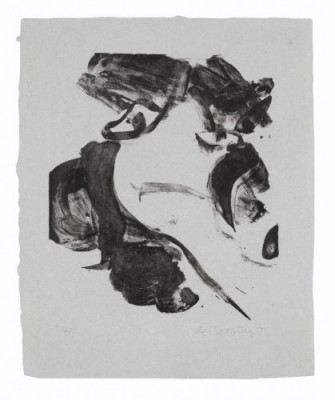
Gestural art is a term that describes painting with freely sweeping brushstrokes. The primary goal of gestural art is to allow the artist to physically express emotional impulses. The varied, yet expressive paint marks are intended to convey the artist's inner thoughts and emotions, which viewers are believed to understand through the dynamic and spontaneous application of paint.