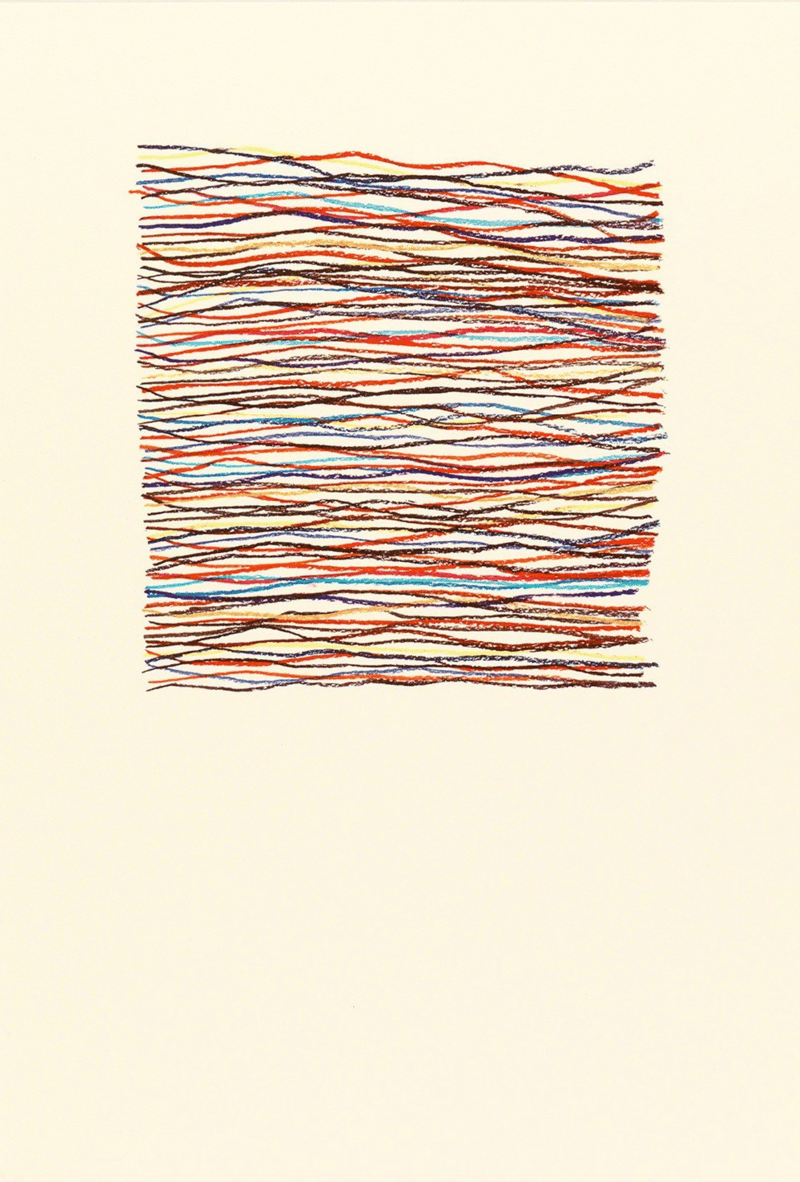
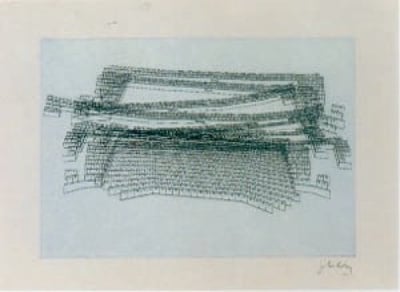
Mod. 7, 2009
Form
Medium
Size
- Inches
- Centimeters
Edition
Price
- Authenticity Guaranteed
- Insured Shipping
- Online Since 2005
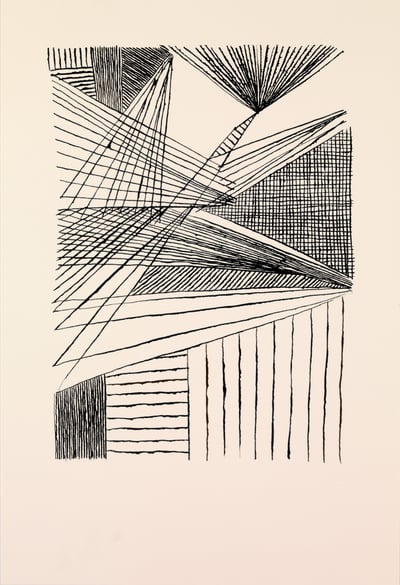
León Ferrari
Sin título 4, 2008
Limited Edition Print
Lithograph
EUR 1,000
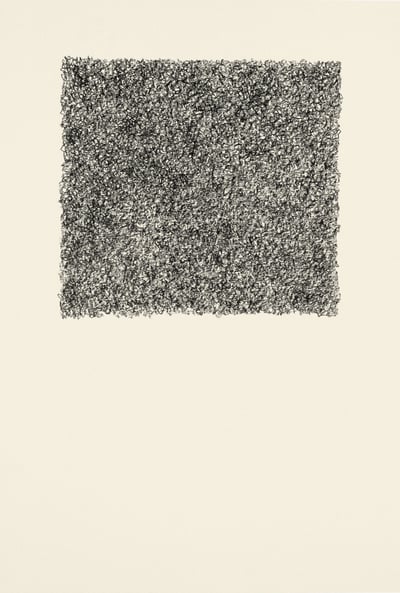
León Ferrari
Sin título 3, 2008
Limited Edition Print
Lithograph
EUR 1,000
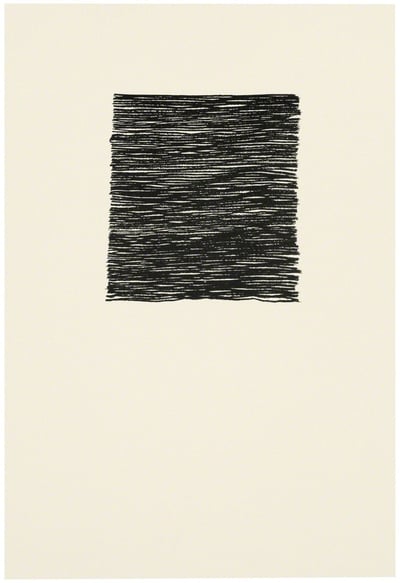
León Ferrari
Sin título 2, 2008
Limited Edition Print
Lithograph
EUR 1,000
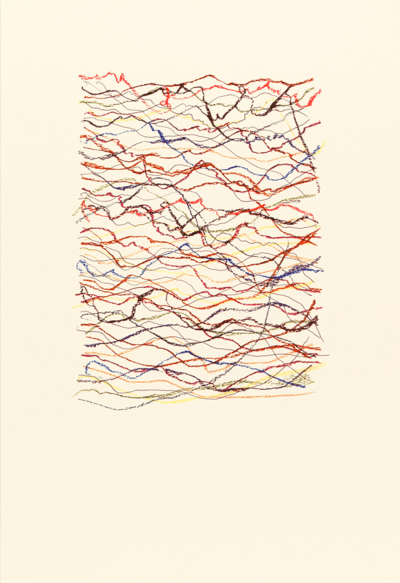
León Ferrari
Mod. 14, 2009
Limited Edition Print
Lithograph
EUR 1,000
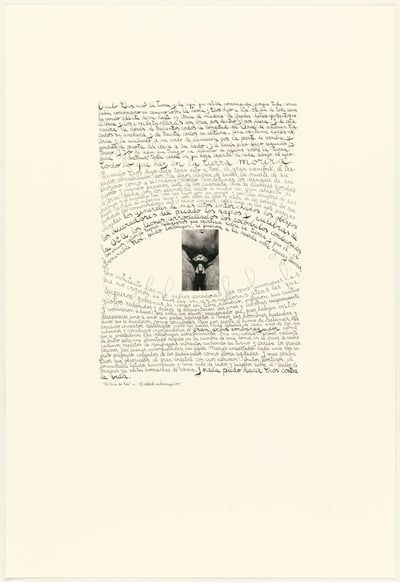
León Ferrari
Árbol embarazador, 2009
Limited Edition Print
Lithograph
EUR 1,000
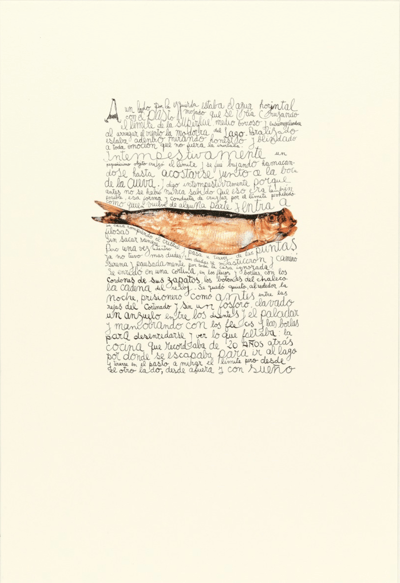
León Ferrari
A un lado por la izquierda, 2009
Limited Edition Print
Lithograph
EUR 1,000
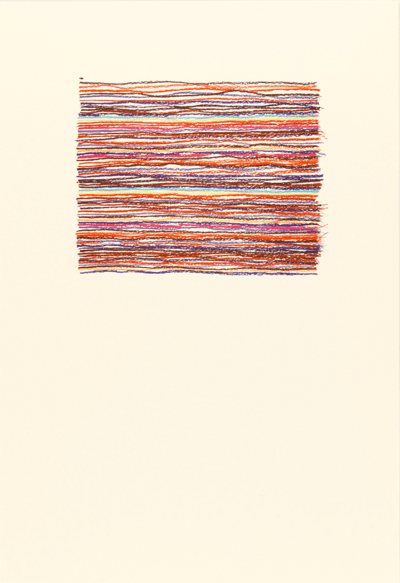
León Ferrari
Mod. 9, 2009
Limited Edition Print
Lithograph
EUR 1,000
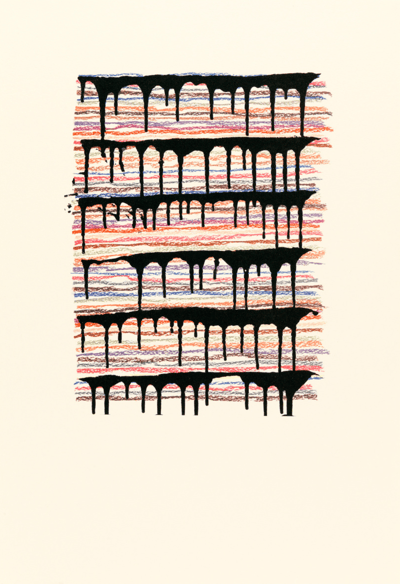
León Ferrari
Mod. 8, 2009
Limited Edition Print
Lithograph
EUR 1,000
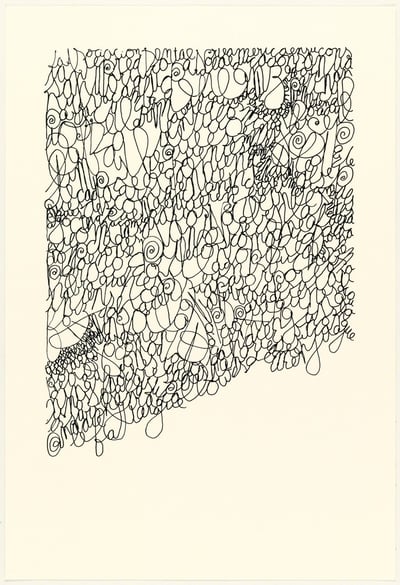
León Ferrari
Mod. 6, 2009
Limited Edition Print
Lithograph
EUR 1,000
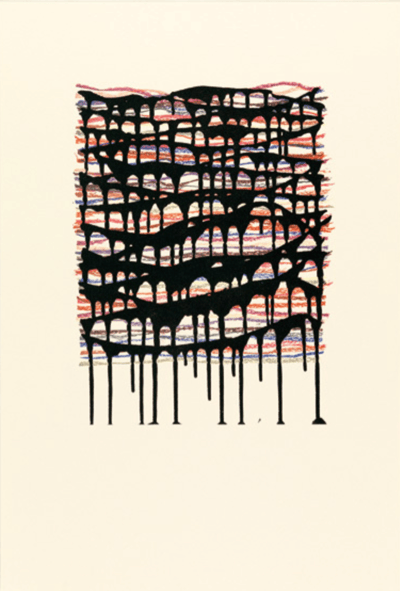
León Ferrari
Mod. 5, 2009
Limited Edition Print
Lithograph
EUR 1,000
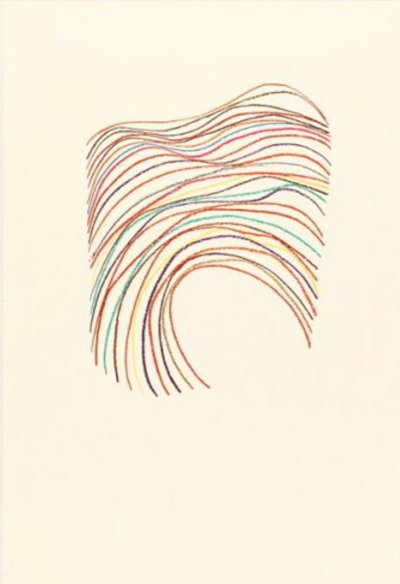
León Ferrari
Mod. 13, 2009
Limited Edition Print
Lithograph
EUR 1,000
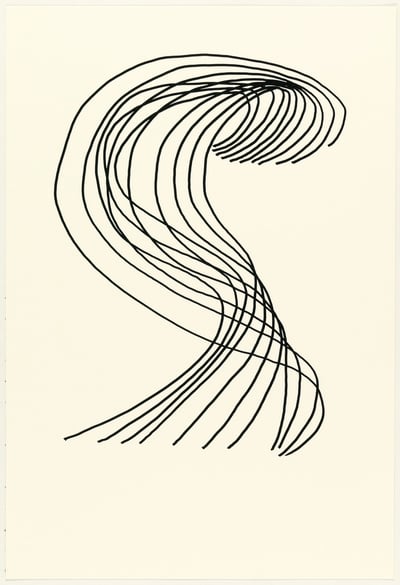
León Ferrari
Mod. 4, 2009
Limited Edition Print
Lithograph
EUR 1,000
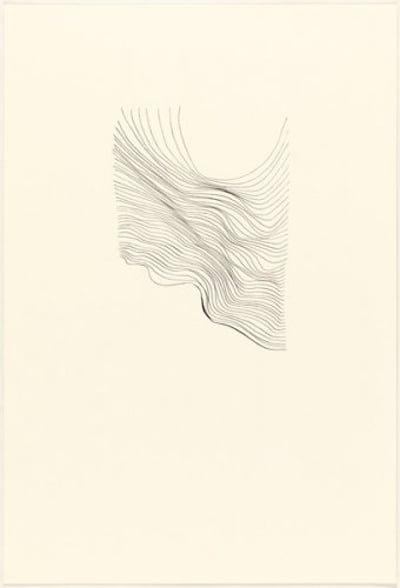
León Ferrari
Mod. 3, 2009
Limited Edition Print
Lithograph
EUR 1,000
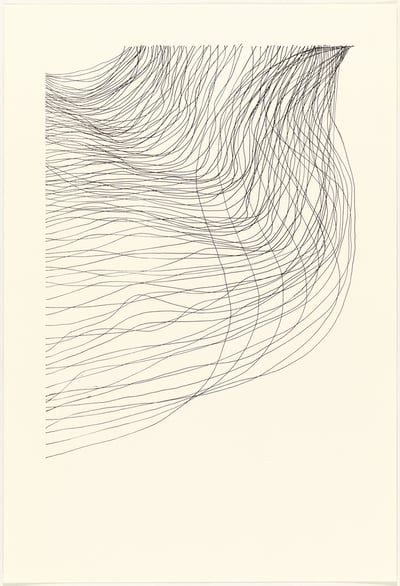
León Ferrari
Mod. 2, 2009
Limited Edition Print
Lithograph
EUR 1,000
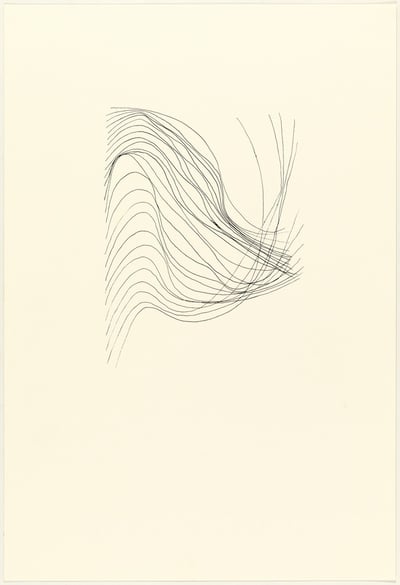
León Ferrari
Mod. 1, 2009
Limited Edition Print
Lithograph
EUR 1,000
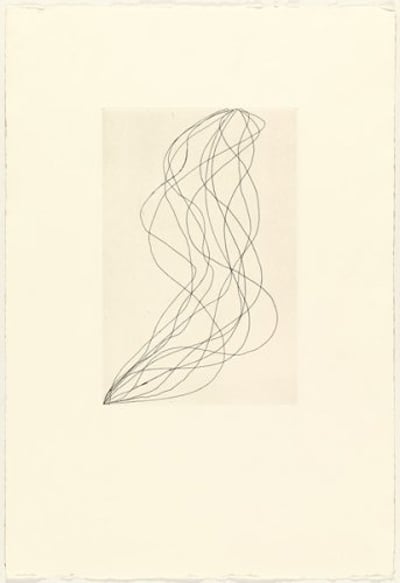
León Ferrari
Mod. 2, 2009
Limited Edition Print
Etching
EUR 1,000
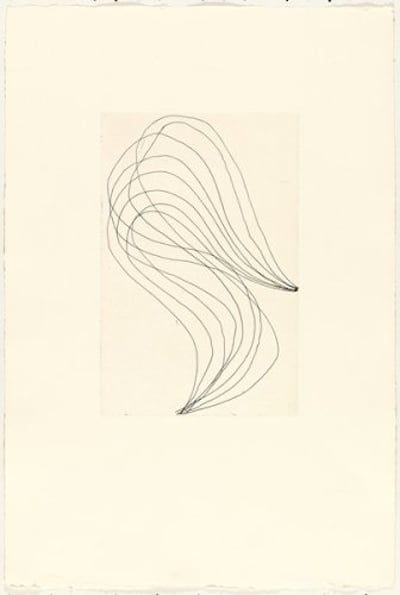
León Ferrari
Mod. 1, 2009
Limited Edition Print
Etching
EUR 1,000
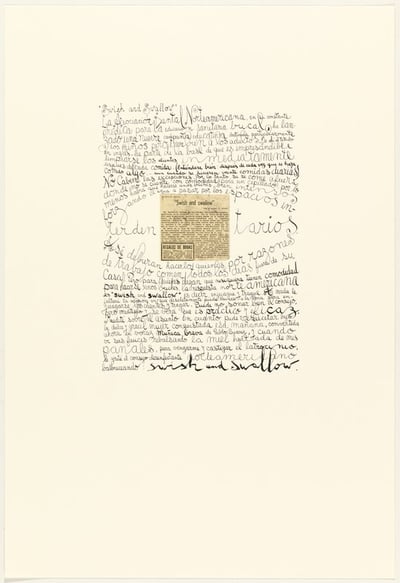
León Ferrari
Swish and swallow, 2009
Limited Edition Print
Lithograph
Currently Not Available
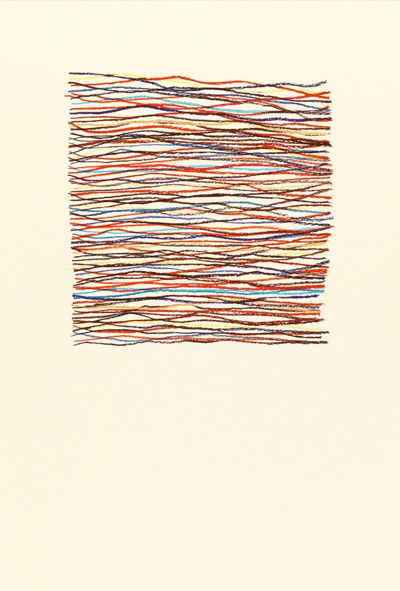
León Ferrari
Mod. 7, 2009
Limited Edition Print
Lithograph
Currently Not Available
Related Artists

Related Articles
Popular, Art Movements - November 20, 2024
Understanding Abstract Expressionism: Emotion and Gesture
Explore the emotional depth of Abstract Expressionism! Discover how artists like Pollock and Rothko used gesture and color to convey human complexity.Read More
Collecting - February 13, 2025
How to Start an Art Collection on a Budget: A Practical Guide for New Collectors
Start your art collection on a budget! Discover practical tips, affordable artworks, and expert advice to build a meaningful collection without overspending.Read More
Popular, News, Artists, Collecting - August 12, 2026
In Minor Keys: Finding Intimacy and Identity at the 61st Venice Biennale — and in Your Collection
Explore how Koyo Kouoh’s 61st Venice Biennale vision, In Minor Keys, is shifting contemporary collecting toward quiet introspection, memory, and personal identity.Read More
What is Latin American art?
Latin American Art is a style which takes inspiration from its culture, society, politics, native traditions, religions and landscape. Op-Art and Kinetic Art figure prominently in Latin artworks. Colors in Latin American compositions are often bold. Latin American artists work in all media and movements.

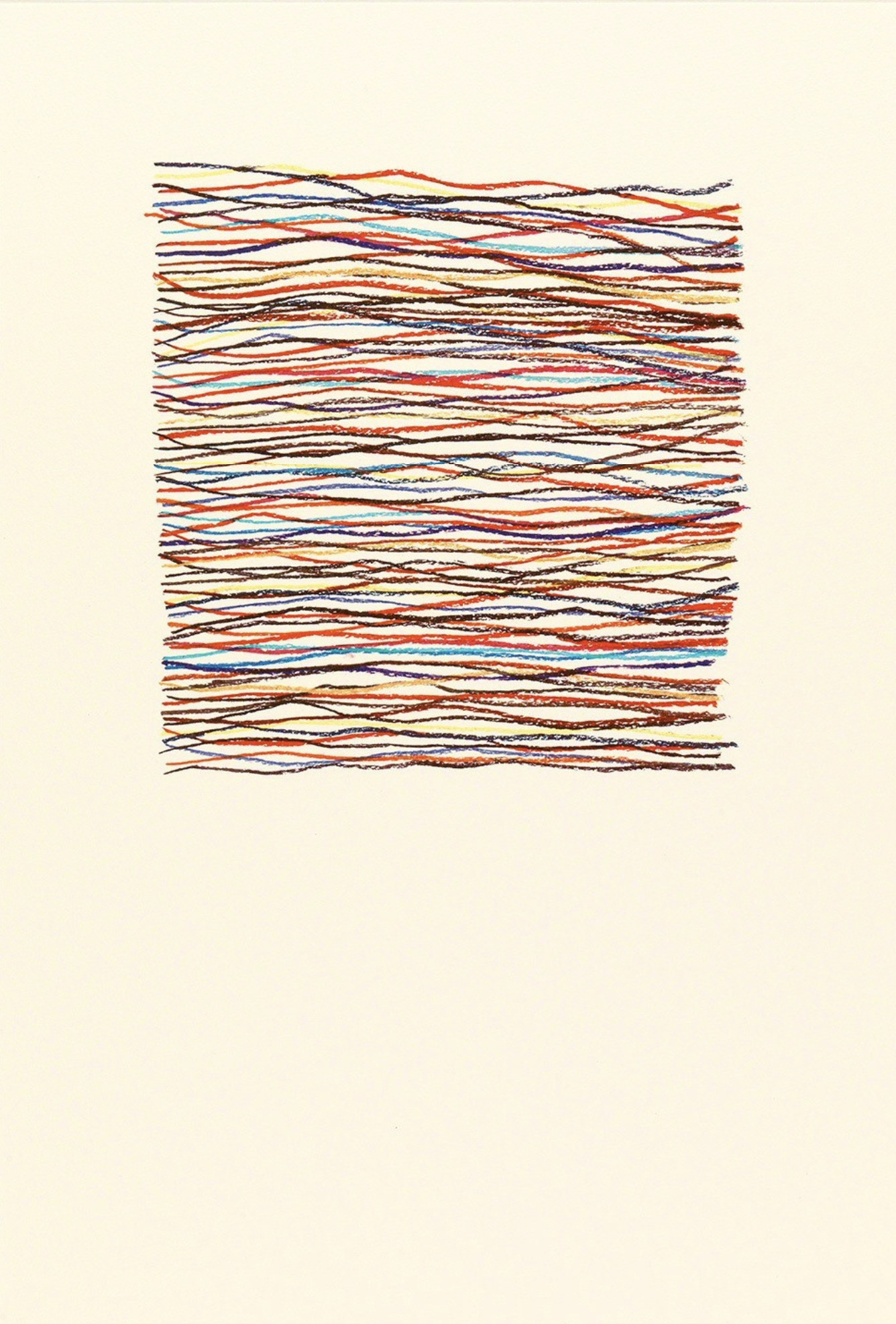
León Ferrari
Mod. 7, 2009
56 x 38 cm


