Argentina
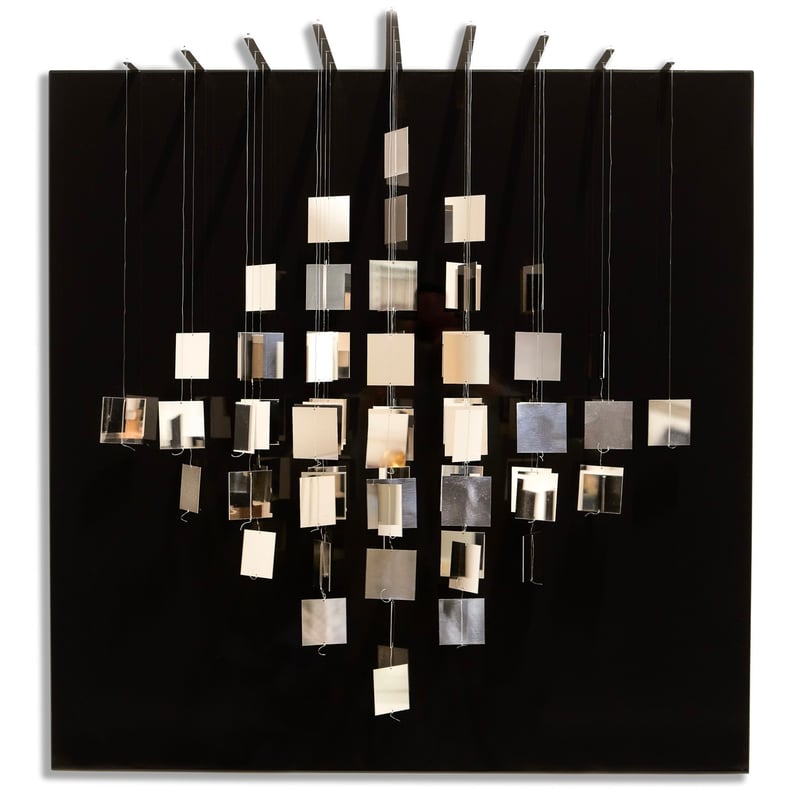
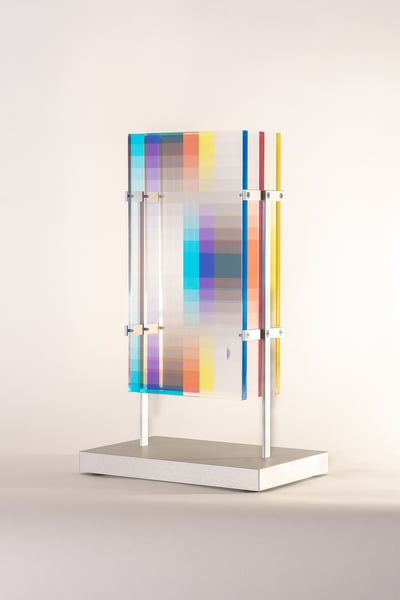
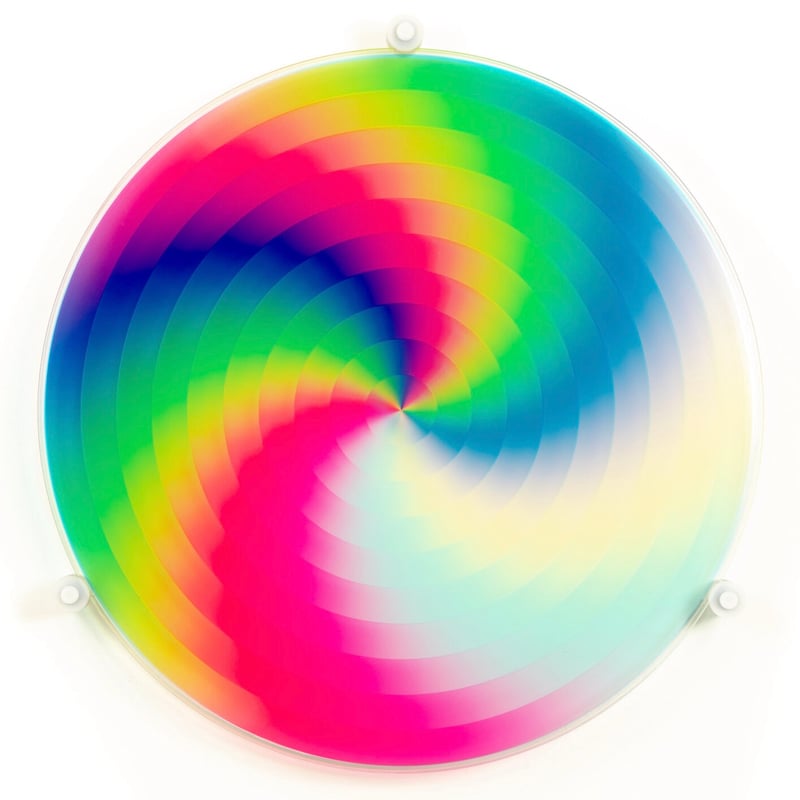
Contemporary Art in Argentina is a vibrant fusion of traditional and modern influences, reflecting the country's rich cultural heritage and dynamic spirit. From Buenos Aires, the heart of Argentina's art scene, to the innovative galleries scattered across the country, Argentine contemporary art is a testament to the nation's creative prowess. Artists such as Julio Le Parc and Felipe Pantone have gained international acclaim, showcasing the unique Argentine perspective to the world. The annual arteBA fair further highlights Argentina's commitment to contemporary art, attracting collectors and enthusiasts from around the globe.
Notable Artists from argentina

An avant-garde born in Buenos Aires
Argentina's contribution to modern and contemporary art is far larger than its market profile suggests. In 1944 the single-issue magazine Arturo — printed in Buenos Aires — helped ignite one of Latin America's most radical abstract movements. Out of it came Grupo Madí and the Asociación Arte Concreto-Invención, whose members, including Gyula Kosice and Tomás Maldonado, abandoned the rectangular canvas altogether in favour of irregular shaped frames, articulated structures and, in Kosice's case, works incorporating water and neon. These were not provincial echoes of European abstraction; they were parallel inventions, and museums from MoMA to the Reina Sofía have spent the past two decades acquiring them.
It was also in Buenos Aires, in 1946, that Lucio Fontana — born in Rosario — issued the Manifiesto Blanco with his students, laying the intellectual groundwork for Spatialism before his celebrated slashed canvases existed.
"I do not want to make a painting; I want to open up space, create a new dimension for art."
Lucio Fontana
The Di Tella years and the kinetic diaspora
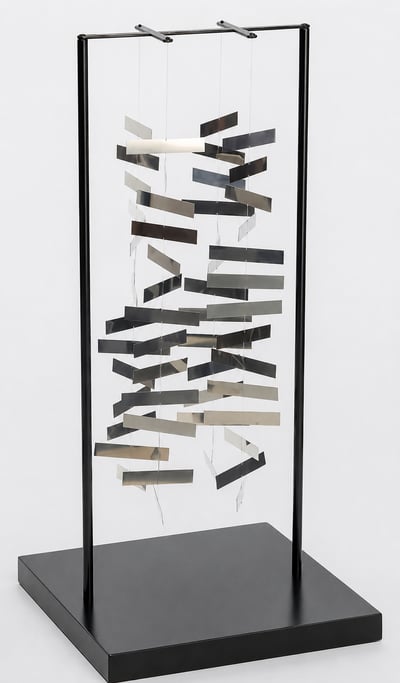
In the 1960s the Instituto Torcuato Di Tella made Buenos Aires one of the most experimental art centres in the hemisphere, launching figures such as Marta Minujín, whose participatory environments and monumental ephemeral structures remain touchstones of performance and installation art. At the same time, a generation of Argentine artists in Paris — most famously Julio Le Parc, a co-founder of the Groupe de Recherche d'Art Visuel — pushed optical and kinetic art to international prominence. Le Parc's Grand Prize for painting at the 1966 Venice Biennale confirmed that Argentine artists were shaping, not following, the global conversation.
For collectors, this history matters practically. The strongest prices for Argentine art cluster around these movements — Madí and Concrete art, Di Tella-era experimentation, and kinetic work — while contemporary artists from León Ferrari to Adrián Villar Rojas have extended the country's reputation for conceptual rigour and formal invention. Understanding where a work sits in this lineage is the first step in judging its significance.
How the market works
The Argentine art market has two distinct layers. Inside the country, decades of currency volatility have made art a favoured store of value, sustaining a dense gallery scene in Buenos Aires and the long-running arteBA fair, founded in 1991. Internationally, Argentine artists trade mainly through galleries and auctions in New York, London, Paris and São Paulo, where Latin American sales have steadily re-rated the country's historical figures. Institutional validation — a MALBA acquisition, a Venice Biennale presentation, a major retrospective such as Julio Le Parc's international touring shows — tends to move prices more visibly than local demand does.
Buyers should also be aware that Argentina regulates the export of artworks under its cultural-property legislation. Works by living artists generally circulate freely with the correct paperwork, but older works or works by deceased artists may require export declarations or permits. A reputable gallery or shipper will handle this, but always confirm that a work already outside Argentina left the country legally — clean export history is part of clean provenance.
Provenance, editions and condition
For historical material — Madí constructions, Concrete-Invention paintings, Di Tella-era pieces — provenance is everything. Look for exhibition history, period photographs, and documentation from the artist's estate or foundation where one exists. Several key figures have active estates or catalogue projects, and works lacking any paper trail should be priced, and scrutinised, accordingly.
Kinetic and optical art brings its own considerations. Le Parc and his contemporaries produced multiples and editioned objects alongside unique works; check edition size, numbering and whether the piece was produced under the artist's supervision. Works with motors, light sources or moving elements should be assessed for originality of components — sympathetic, documented replacement of a motor is normally acceptable, but undisclosed rebuilding is not. Ask for a condition report that addresses mechanical function, not just surface.
Finally, buy the movement's best examples rather than a famous name's weakest. A superb shaped-canvas Madí work by a lesser-known member often outperforms a routine late piece by a headline artist — a pattern the Argentine market has demonstrated repeatedly as scholarship deepens.
Artworks Related to Argentina
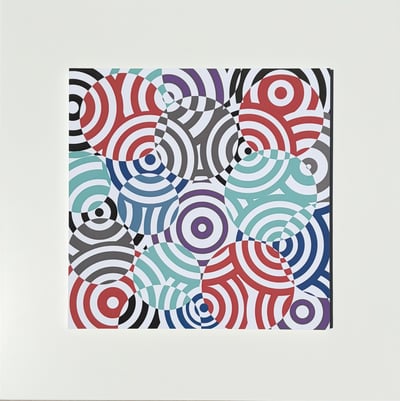
Antonio Asis
Interferences cercles de couleurs Gris Rouge, 2010
Limited Edition Print
Mixed Media
EUR 1,500
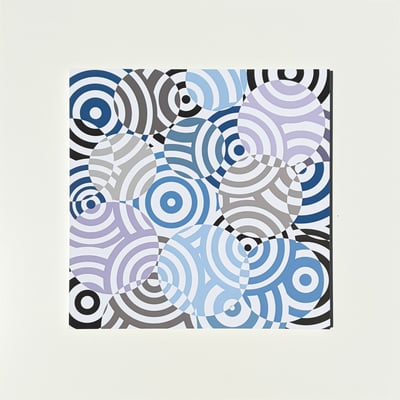
Antonio Asis
Interferences cercles de couleurs Gris Bleu, 2010
Limited Edition Print
Mixed Media
EUR 1,500
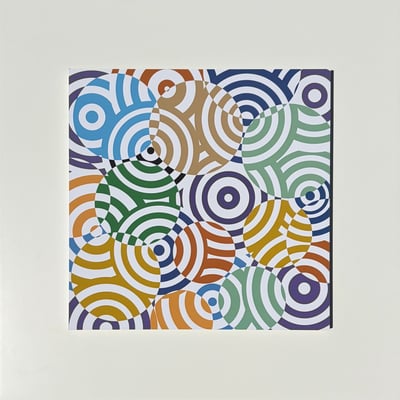
Antonio Asis
Interferences cercles de couleurs Gris Rouge Arc en Ciel, 2010
Limited Edition Print
Mixed Media
EUR 1,500

Liliana Porter
Corrección, 2018
Limited Edition Print
Etching
EUR 1,500

Guillermo Kuitca
Cuarta pared, 1997
Limited Edition Print
Mixed Media
EUR 2,000
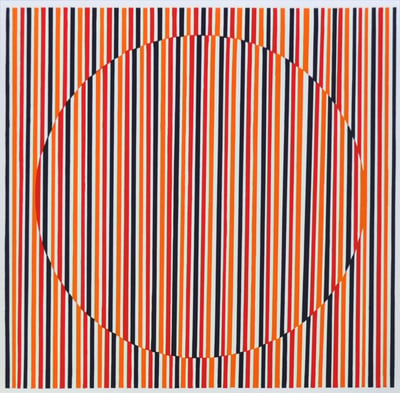
Antonio Asis
ST3, 2013
Limited Edition Print
Lithograph
EUR 1,800
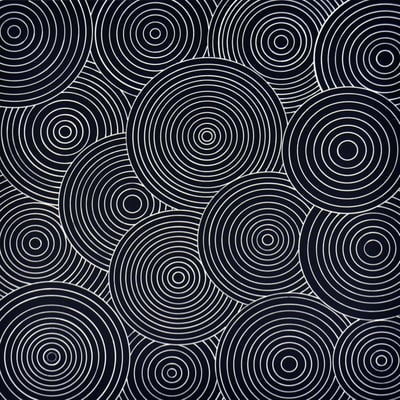
Antonio Asis
ST5, 2013
Limited Edition Print
Lithograph
EUR 1,800

Antonio Asis
ST2, 2013
Limited Edition Print
Lithograph
EUR 1,800

Felipe Pantone
Subtractive Variability #4, 2018
Painting
Mixed Media
EUR 15,000
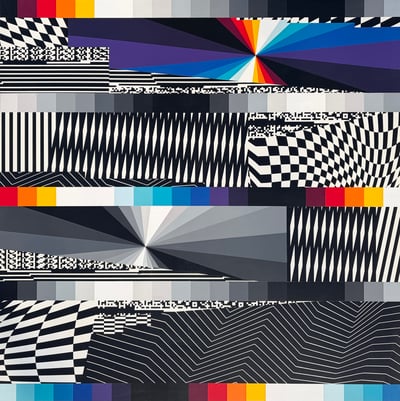
Felipe Pantone
Chromadynamica 33, 2017
Painting
Acrylic paint
Inquire For Price
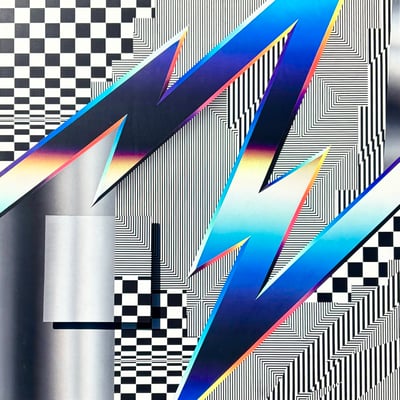
Felipe Pantone
Responsive Iframe, 2016
Painting
Acrylic paint
EUR 13,000
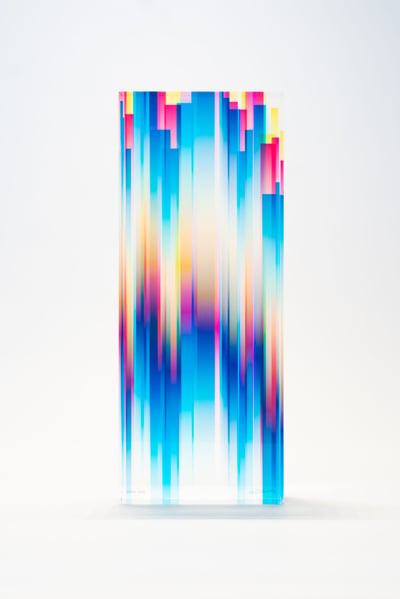
Felipe Pantone
Subtractive Variability Vitreum 3, 2025
Sculpture / Object
Acrylic sculpture
EUR 3,200

Felipe Pantone
Subtractive Variability Vitreum 2, 2025
Sculpture / Object
Acrylic sculpture
EUR 2,800

Felipe Pantone
Subtractive Variability Vitreum 1, 2025
Sculpture / Object
Acrylic sculpture
EUR 2,300
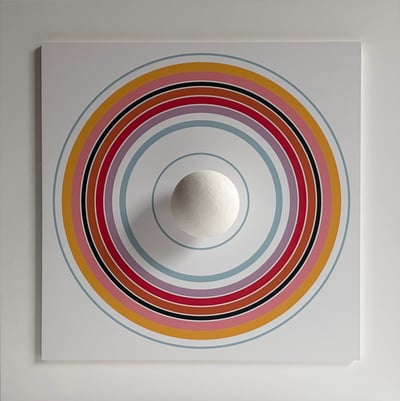
Antonio Asis
Asistype 20 – boule sur cercle, 2016
Sculpture / Object
Monotype
EUR 3,000
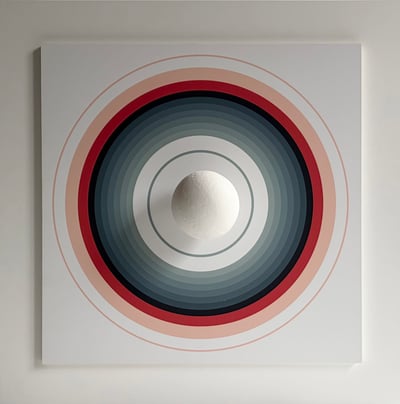
Antonio Asis
Asistype 19 – boule sur cercle, 2016
Sculpture / Object
Monotype
EUR 3,000
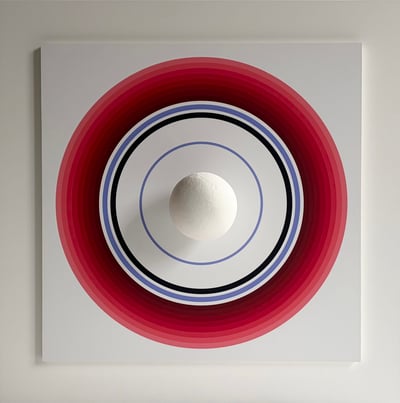
Antonio Asis
Asistype 18 – boule sur cercle, 2016
Sculpture / Object
Monotype
EUR 3,000
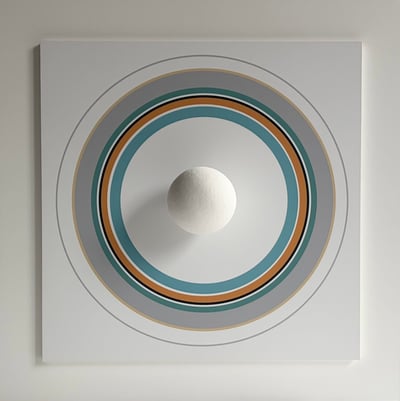
Antonio Asis
Asistype 17 – boule sur cercle, 2016
Sculpture / Object
Monotype
EUR 3,000
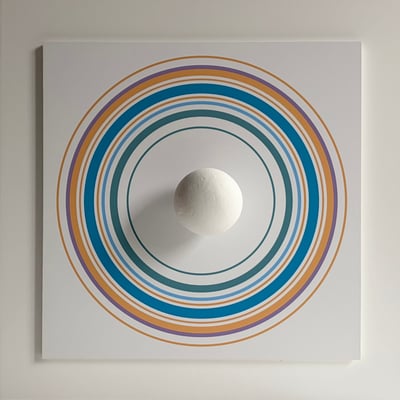
Antonio Asis
Asistype 16 – boule sur cercle, 2016
Sculpture / Object
Monotype
EUR 3,000
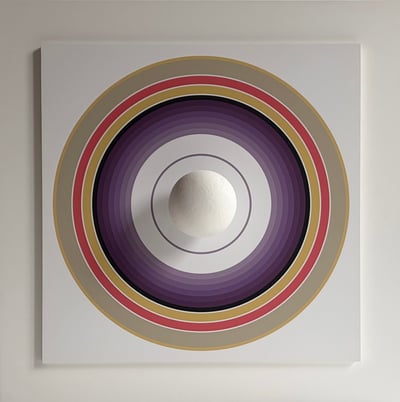
Antonio Asis
Asistype 14 – boule sur cercle, 2016
Sculpture / Object
Monotype
EUR 3,000
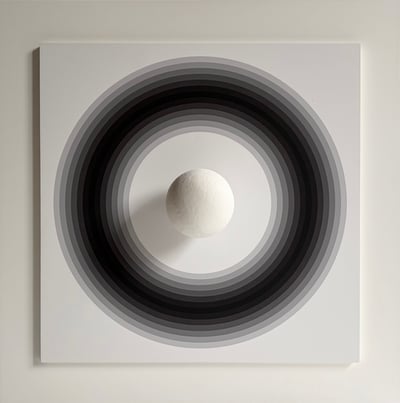
Antonio Asis
Asistype 11 – boule sur cercle, 2016
Sculpture / Object
Monotype
EUR 3,000
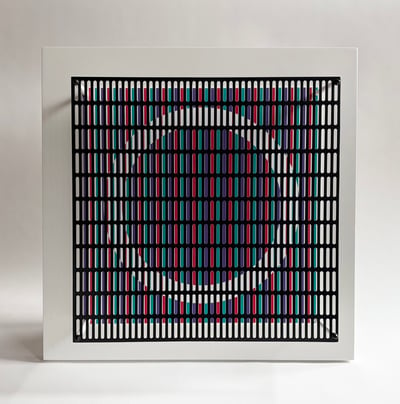
Antonio Asis
Vibration cercles mauve, rouge et turquoise, 2010
Sculpture / Object
Mixed Media
EUR 3,000
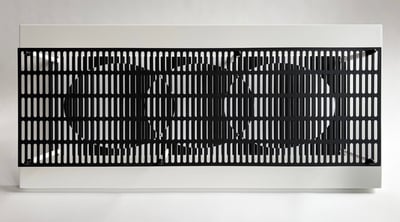
Antonio Asis
3 ovals noir et blanc, 2012
Sculpture / Object
Mixed Media
EUR 3,000
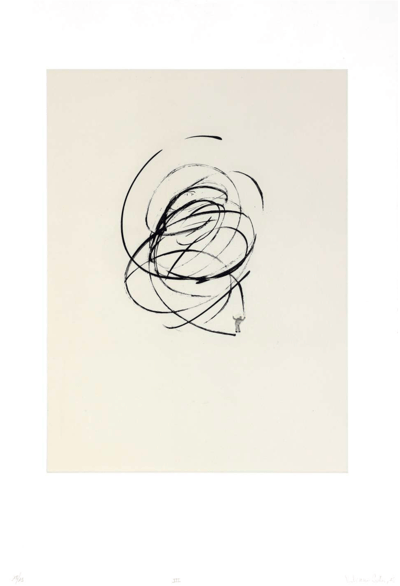
Liliana Porter
Dibujos III, 2025
Limited Edition Print
Collage
EUR 3,000
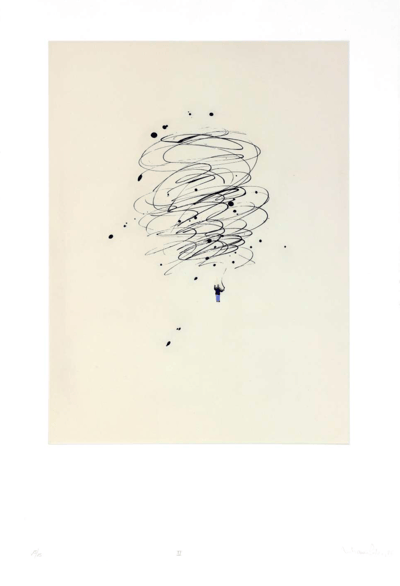
Liliana Porter
Dibujos II, 2025
Limited Edition Print
Collage
Currently Not Available
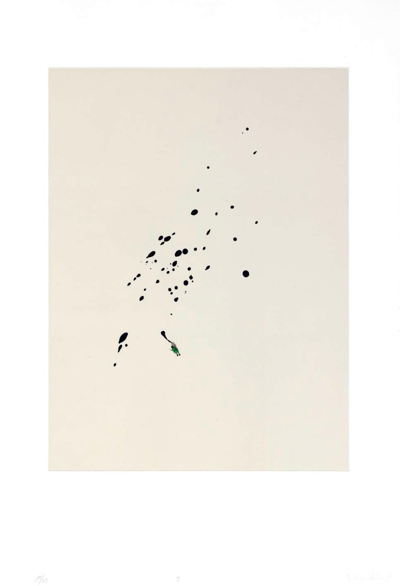
Liliana Porter
Dibujos I, 2025
Limited Edition Print
Collage
EUR 3,000
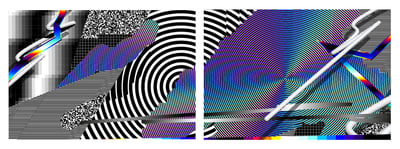
Felipe Pantone
Optichromie 143 (diptych), 2023
Limited Edition Print
Lithograph
EUR 3,500
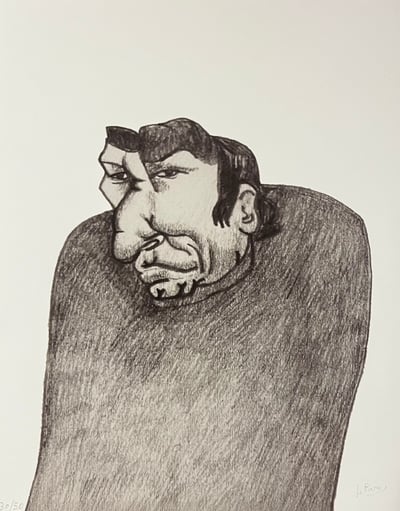
Julio Le Parc
Viscache – Self Portrait, 2025
Limited Edition Print
Digital Print on paper
EUR 550
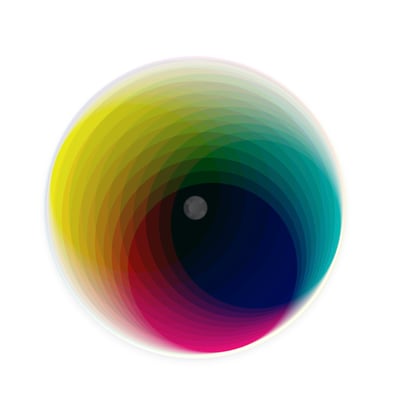
Felipe Pantone
Subtractive Variability Kosmos Axis 2, 2025
Sculpture / Object
Mixed Media
EUR 3,500

Felipe Pantone
Digital Glazing P, 2025
Limited Edition Print
Digital Print on paper
EUR 1,200
Related Articles
Can't find your Answer?
Thank you! Your question has been sent — we'll get back to you shortly.
