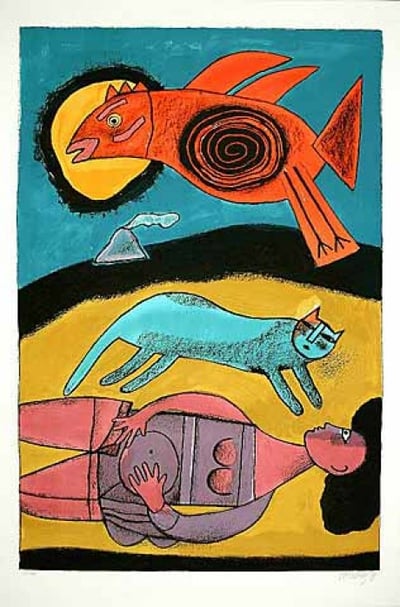
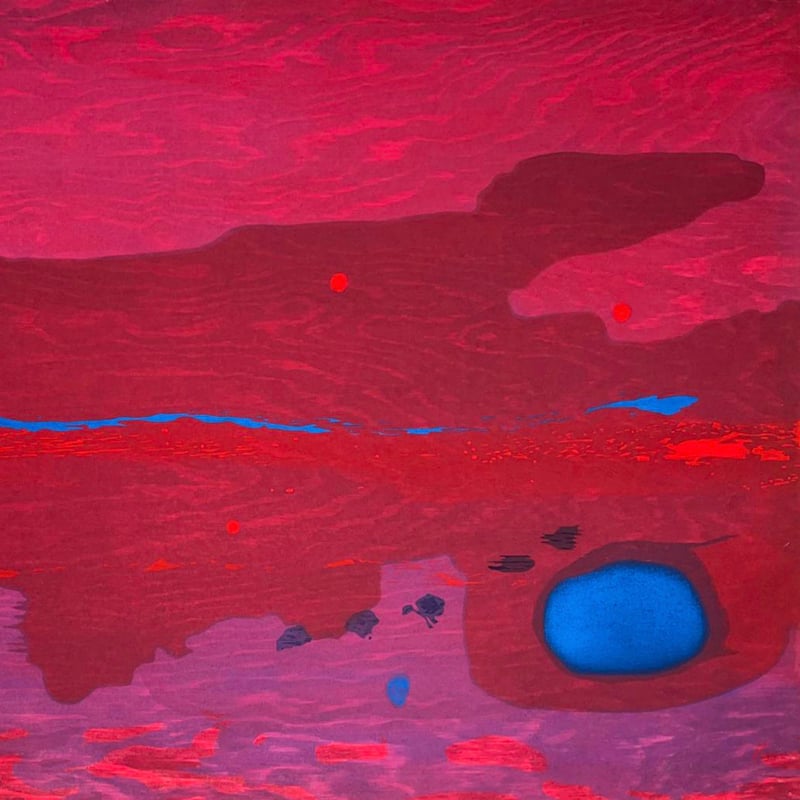
Toute la Tendresse du Monde, 1978
Form
Medium
Size
- Inches
- Centimeters
Edition
Price
- Authenticity Guaranteed
- Insured Shipping
- Online Since 2005
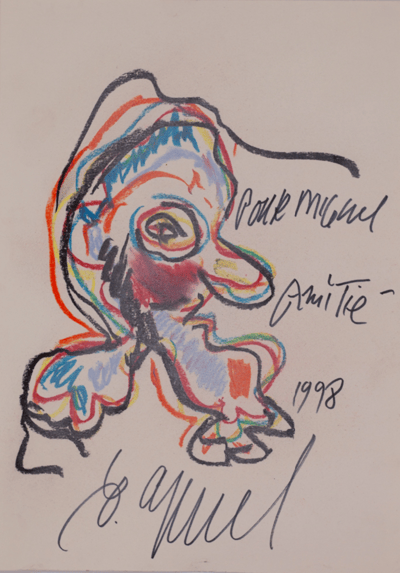
Karel Appel
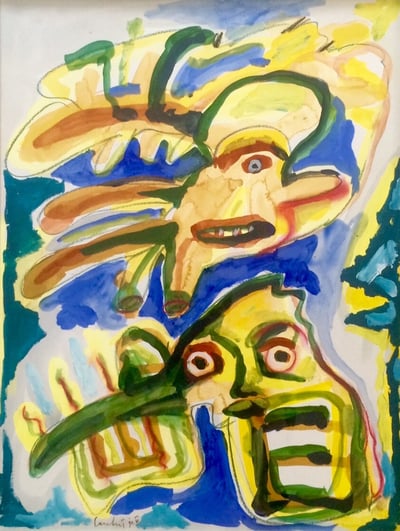
Untitled (Colorful Figure), 1998
Drawing / Watercolor
Pastel
EUR 7,500
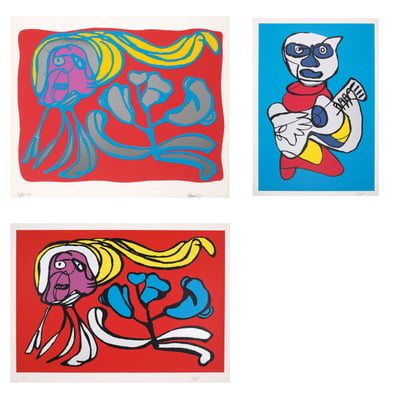
Karel Appel
A Group of 3 Screenprints, 1975 / 1978
Limited Edition Print
Screen-print
USD 2,810
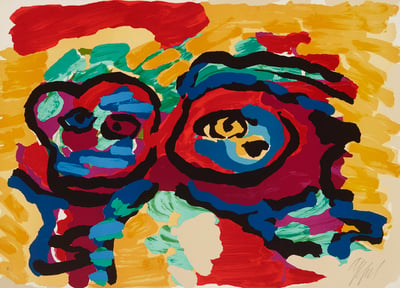
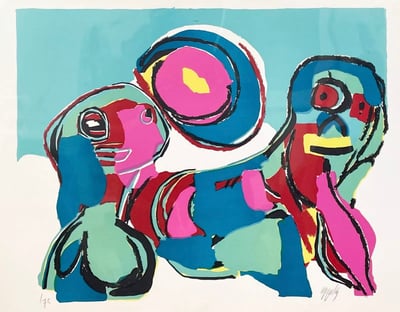
Karel Appel
Two Figures, c. 1980
Limited Edition Print
Lithograph
USD 1,000
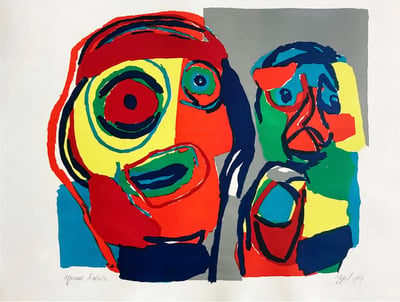
Karel Appel
Composition , 1969
Limited Edition Print
Lithograph
USD 950
Karel Appel
Serie Personages, 1969
Limited Edition Print
Lithograph
USD 780
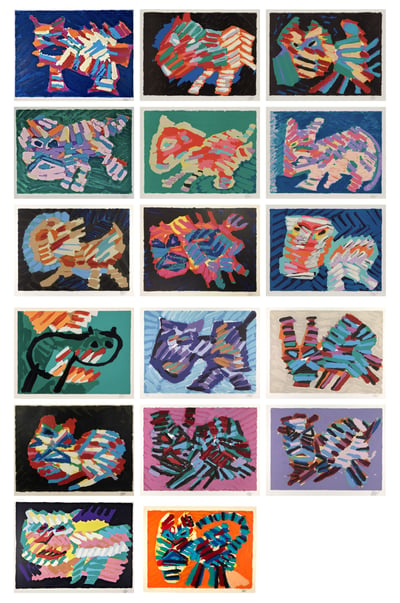
Karel Appel
Cats, 1979
Limited Edition Print
Lithograph
Inquire For Price
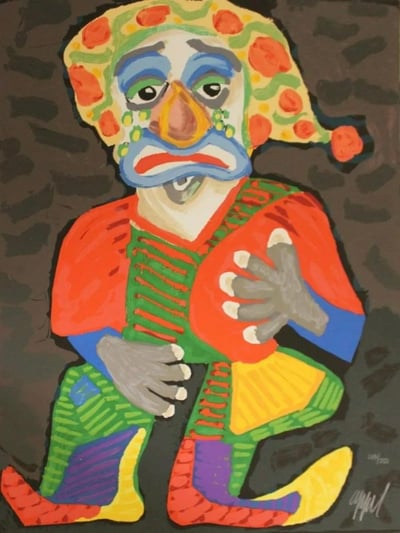
Karel Appel
Il Pagliacci, 1984
Limited Edition Print
Lithograph
USD 2,150
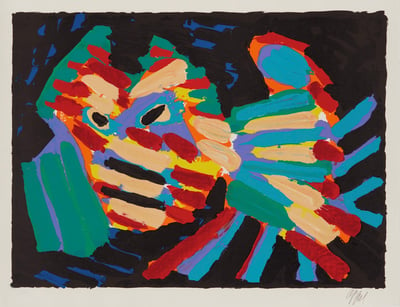
Karel Appel
Fighting Cat, 1979
Limited Edition Print
Lithograph
USD 750
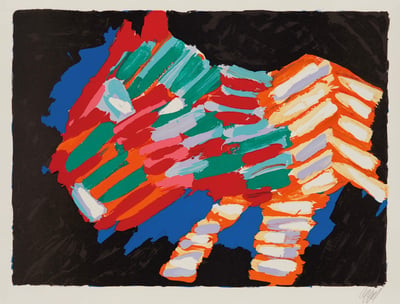
Karel Appel
Cat in the Night, 1979
Limited Edition Print
Lithograph
USD 750
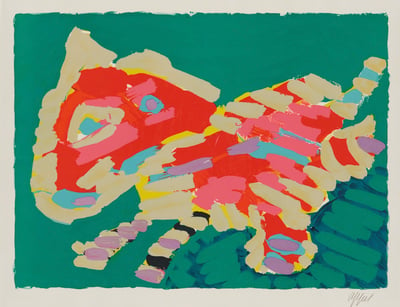
Karel Appel
Luminous Cat, 1979
Limited Edition Print
Lithograph
USD 750
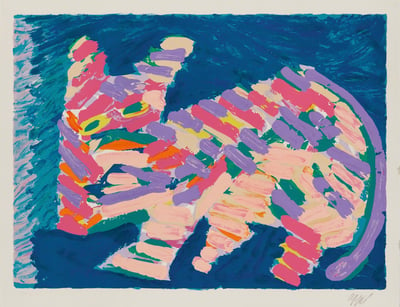
Karel Appel
Resting Cat, 1979
Limited Edition Print
Lithograph
USD 750
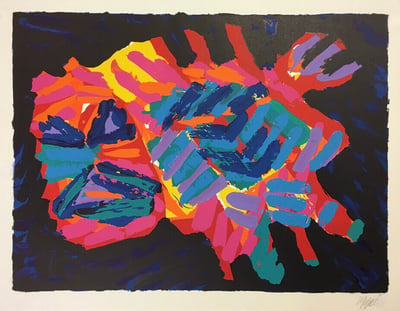
Karel Appel
Devil Cat, 1979
Limited Edition Print
Lithograph
USD 750
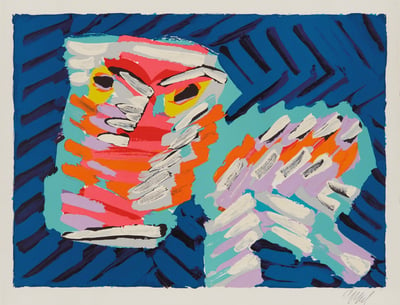
Karel Appel
Sad Cat, 1979
Limited Edition Print
Lithograph
USD 750
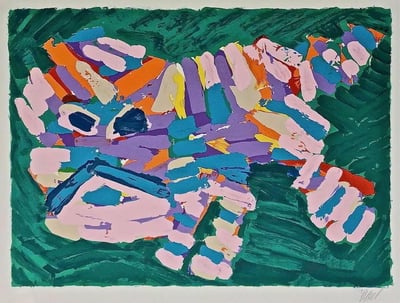
Karel Appel
Stalking Cat, 1979
Limited Edition Print
Lithograph
USD 750
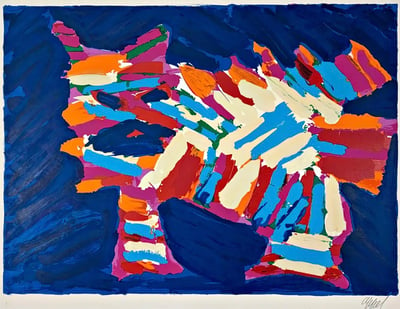
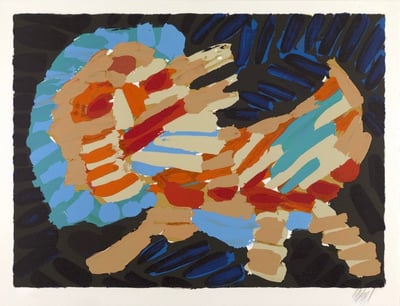
Karel Appel
Blue Cat, 1979
Limited Edition Print
Lithograph
USD 750
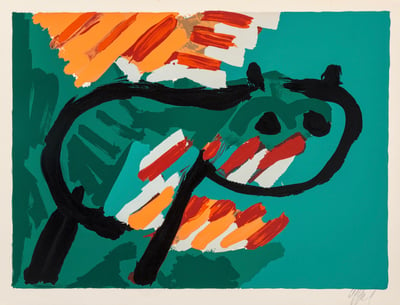
Karel Appel
Smiling Cat, 1979
Limited Edition Print
Lithograph
USD 750
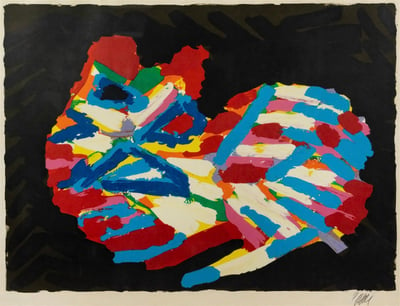
Karel Appel
Green Cat, 1979
Limited Edition Print
Lithograph
USD 750
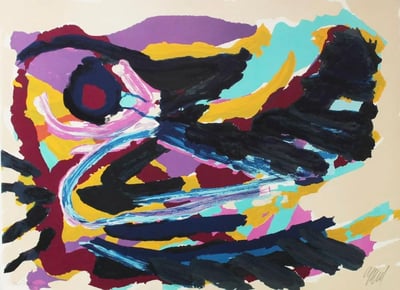
Karel Appel
House Cat, 1979
Limited Edition Print
Lithograph
USD 750
Karel Appel
Nesting Bird, 1978
Limited Edition Print
Lithograph
USD 990
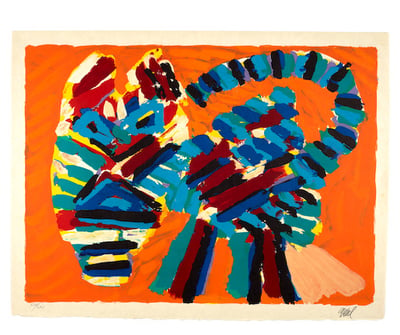
Karel Appel
Sunshine Cat, 1979
Limited Edition Print
Lithograph
USD 750
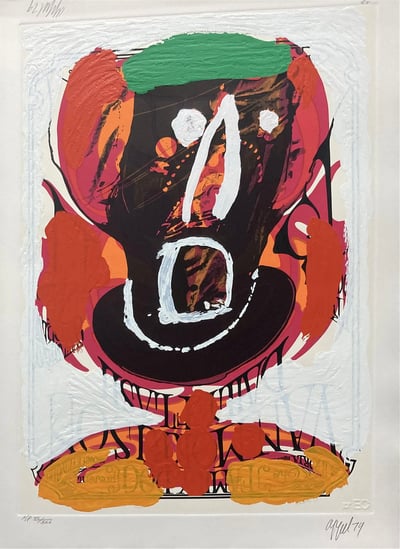
Karel Appel
Sound, 1979
Limited Edition Print
Mixed Media
USD 1,400
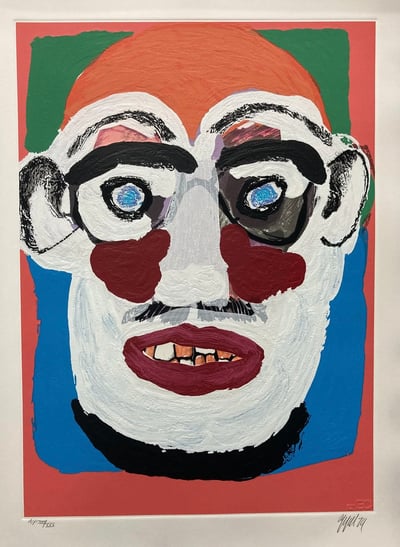
Karel Appel
Face, 1979
Limited Edition Print
Mixed Media
USD 1,400
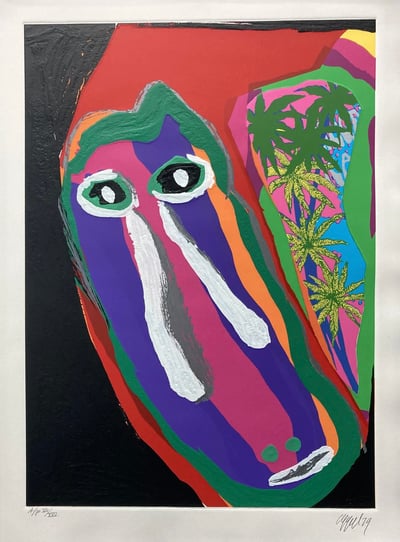
Karel Appel
Lying in Red, 1979
Limited Edition Print
Mixed Media
USD 1,400
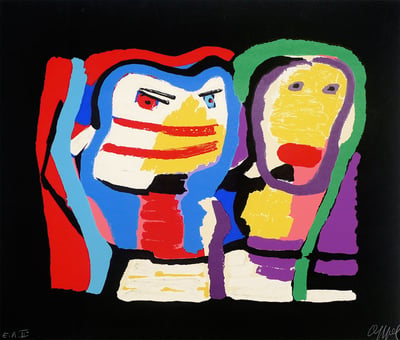
Karel Appel
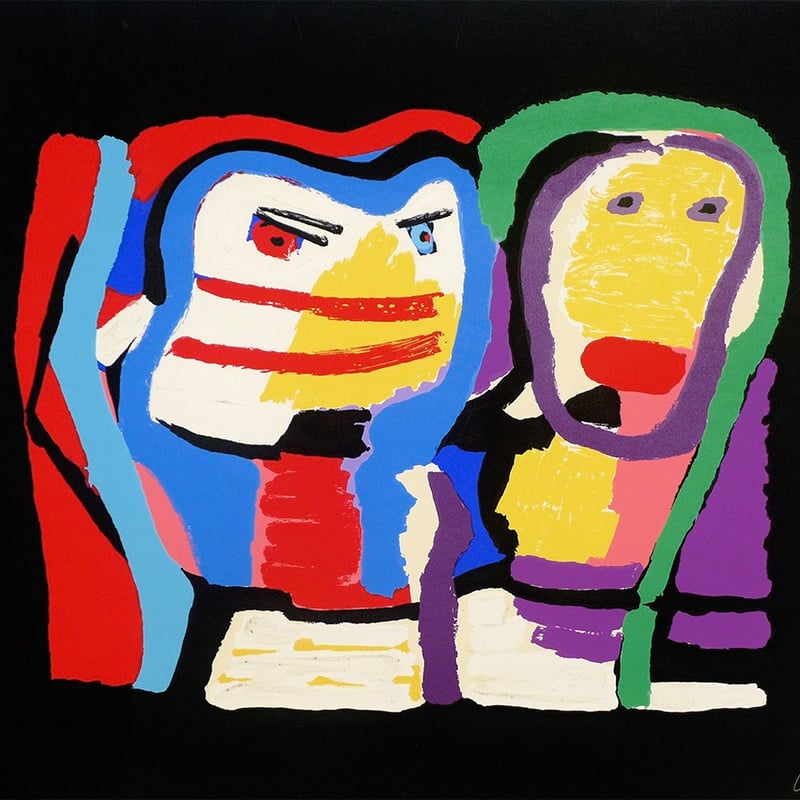
Deux Personnages, 1978
Limited Edition Print
Mixed Media
USD 1,570
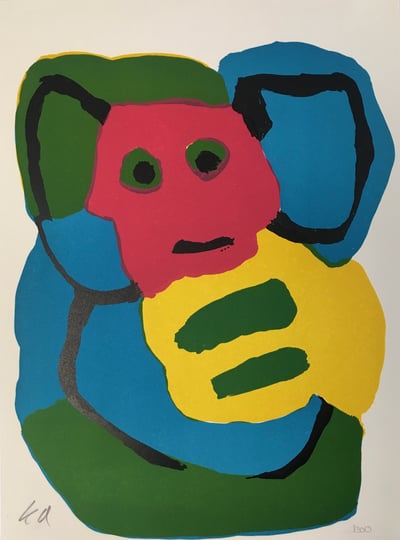
Karel Appel
The Bear, Ca. 1970
Limited Edition Print
Lithograph
USD 775
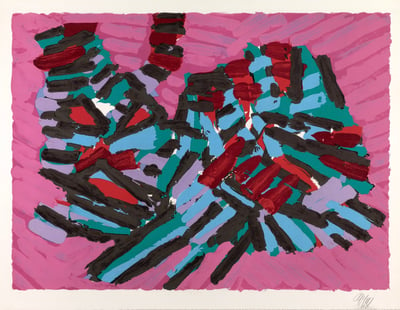
Karel Appel
About a Cat, 1979
Limited Edition Print
Lithograph
USD 750
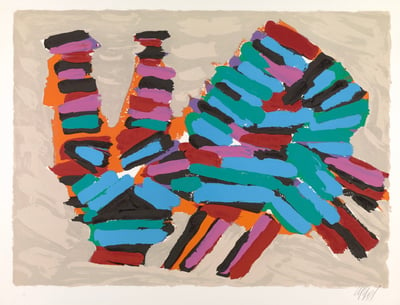
Karel Appel
Frightened Cat, 1979
Limited Edition Print
Lithograph
USD 750
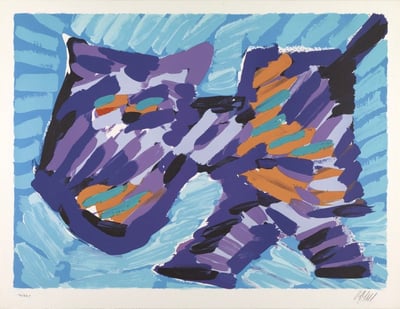
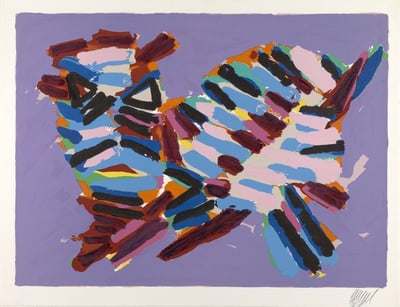
Karel Appel
Walking Cat, 1979
Limited Edition Print
Lithograph
USD 750
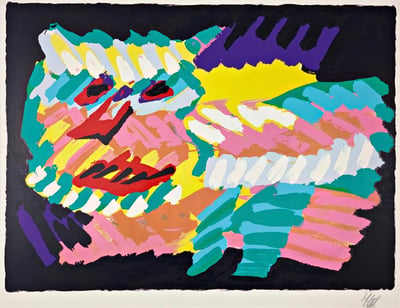
Karel Appel
Innocent Cat, 1979
Limited Edition Print
Lithograph
USD 750
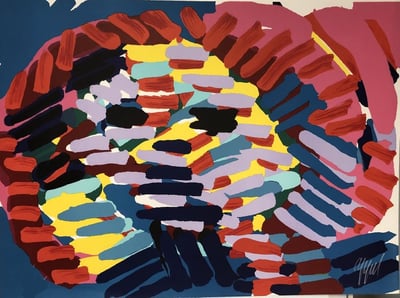
Karel Appel
Pink Cat, 1979
Limited Edition Print
Lithograph
USD 750
Karel Appel
Once I Was The Sun, 1978
Limited Edition Print
Lithograph
USD 1,100
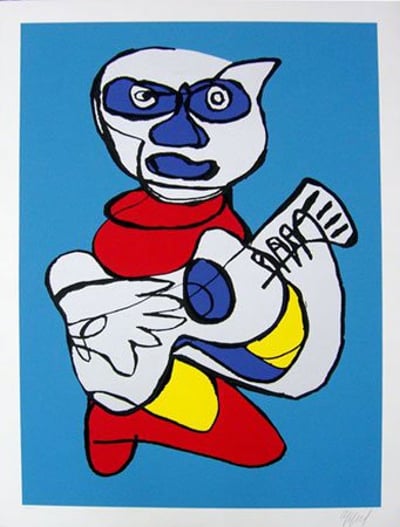
Karel Appel
Obra gráfica, 1974
Limited Edition Print
Serigraph
EUR 1,550
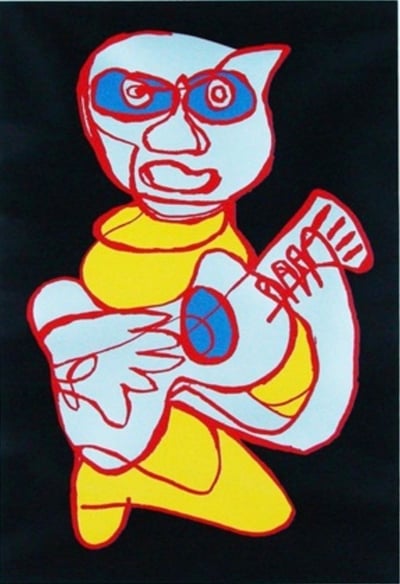
Karel Appel
Kool luke singing hands, 1978
Limited Edition Print
Silkscreen
USD 1,700
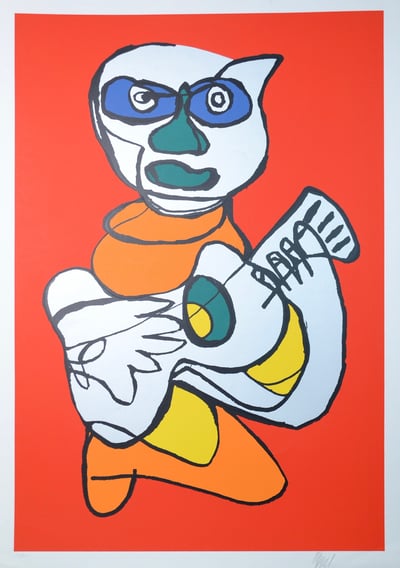
Karel Appel
Red cat singing hands, 1978
Limited Edition Print
Silkscreen
USD 1,700
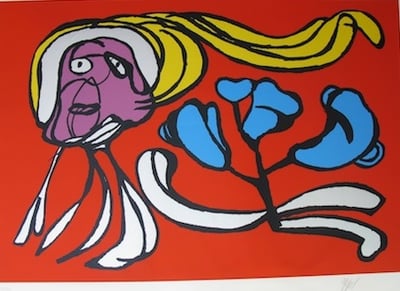
Karel Appel
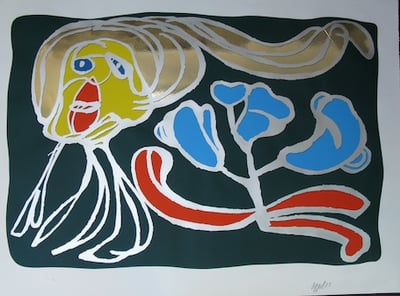
Floating flower passion, 1978
Limited Edition Print
Silkscreen
USD 1,700
Karel Appel
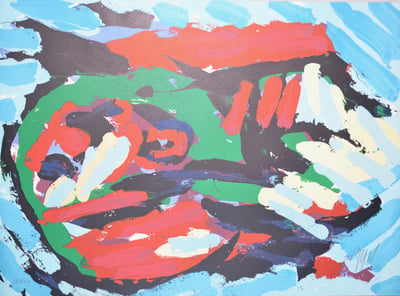
Green floating passion , 1975
Limited Edition Print
Silkscreen
USD 1,700
Karel Appel
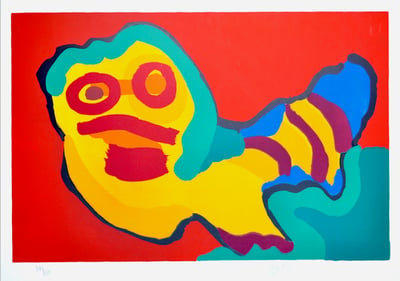
Flying head over ocean, 1972
Limited Edition Print
Lithograph
USD 800
Karel Appel
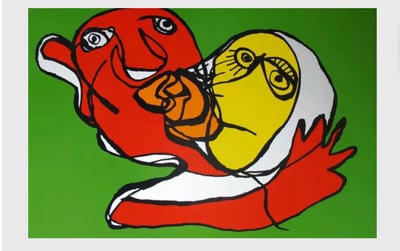
Sunshine people, 1974
Limited Edition Print
Silkscreen
USD 1,700
Karel Appel
Putting green kiss , 1978
Limited Edition Print
Silkscreen
USD 1,750
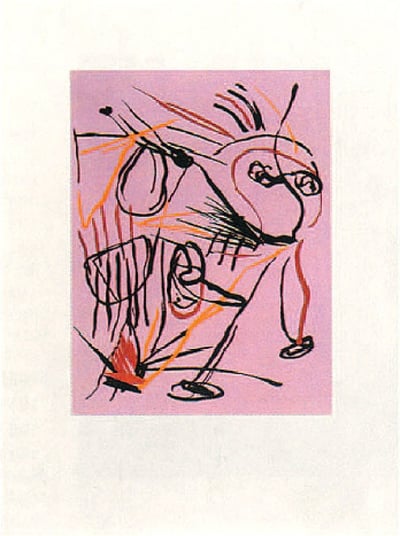
Karel Appel
Como el Viento, 1988
Limited Edition Print
Etching and Aquatint
EUR 1,700
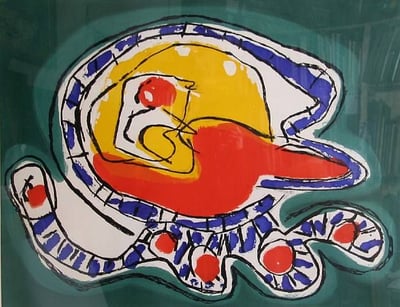
Karel Appel
Tete montagne I, 1976
Limited Edition Print
Aquatint
EUR 2,350

Karel Appel
Flower with Blue Eyes, 1977
Sculpture / Object
Wood
Currently Not Available
Related Artists
Related Articles
Art Movements - November 21, 2022
Botch, Blotch and Splotch: The Exuberant Maelstrom of the Cobra Art Movement.
Explore the CoBrA movement’s bold creativity, blending raw expression and experimentation. Discover its impact on post-war art and avant-garde traditions.Read More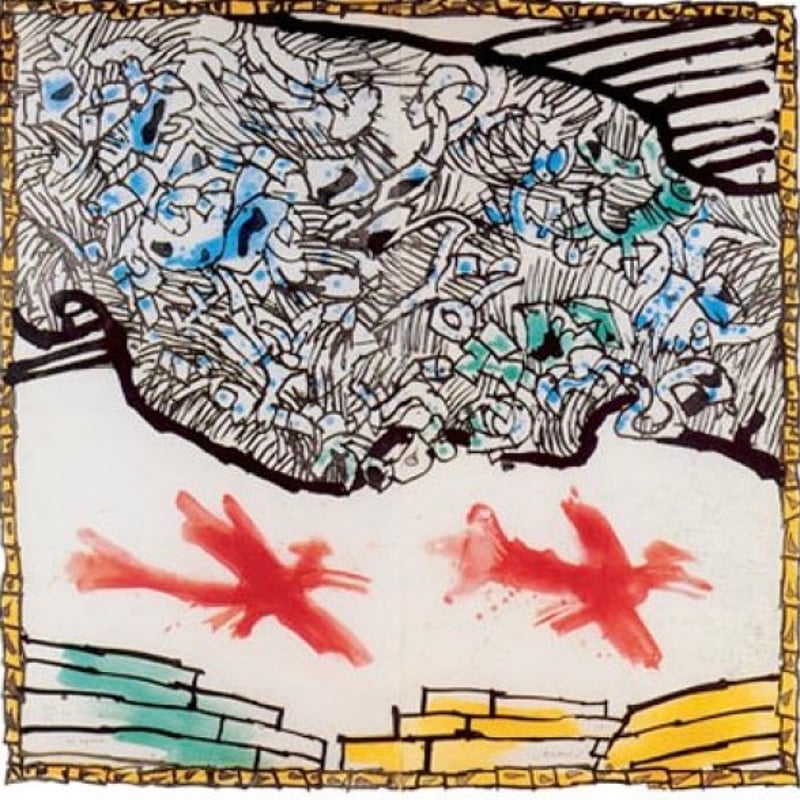
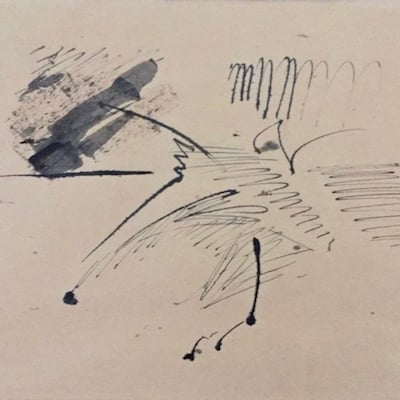
What is Art Informel?
Art Informel is a French term referring to the gestural and improvisational techniques common in abstract painting during the 1940s and 50s. It encompasses various styles that dominated these decades, characterized by informal, spontaneous methods. Artists used this term to describe approaches that moved away from traditional structures and embraced more expressive, unstructured techniques.


