
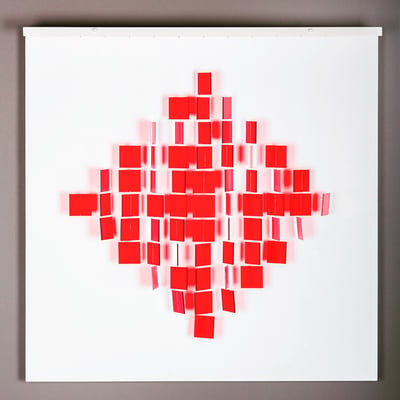
Asistype 13 – boule sur cercle, 2016
Form
Medium
Size
- Inches
- Centimeters
Edition
Price
- Authenticity Guaranteed
- Insured Shipping
- Online Since 2005
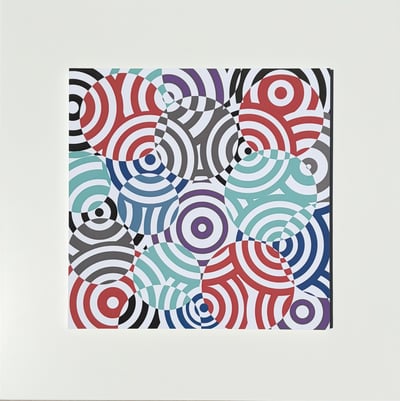
Antonio Asis
Interferences cercles de couleurs Gris Rouge, 2010
Limited Edition Print
Mixed Media
EUR 1,500
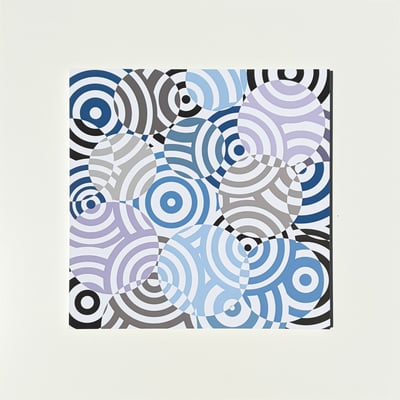
Antonio Asis
Interferences cercles de couleurs Gris Bleu, 2010
Limited Edition Print
Mixed Media
EUR 1,500
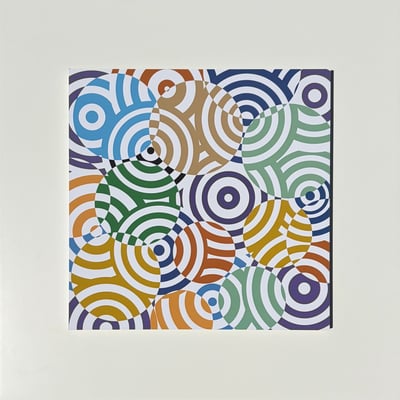
Antonio Asis
Interferences cercles de couleurs Gris Rouge Arc en Ciel, 2010
Limited Edition Print
Mixed Media
EUR 1,500
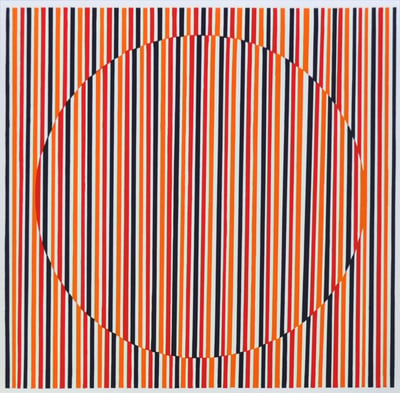
Antonio Asis
ST3, 2013
Limited Edition Print
Lithograph
EUR 1,800
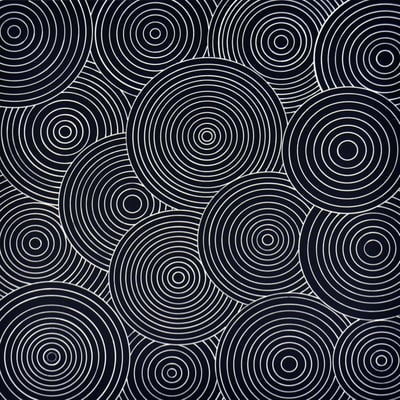
Antonio Asis
ST5, 2013
Limited Edition Print
Lithograph
EUR 1,800
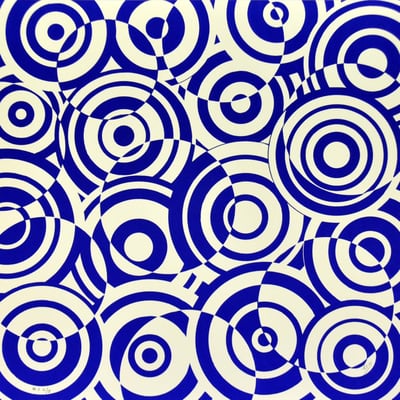
Antonio Asis
ST2, 2013
Limited Edition Print
Lithograph
EUR 1,800
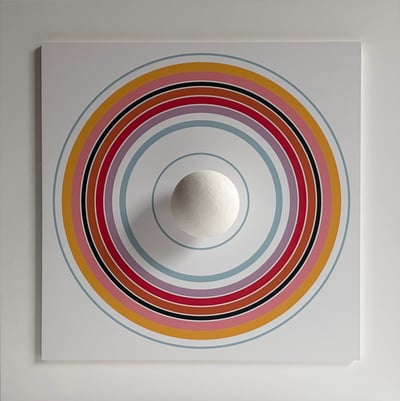
Antonio Asis
Asistype 20 – boule sur cercle, 2016
Sculpture / Object
Monotype
EUR 3,000
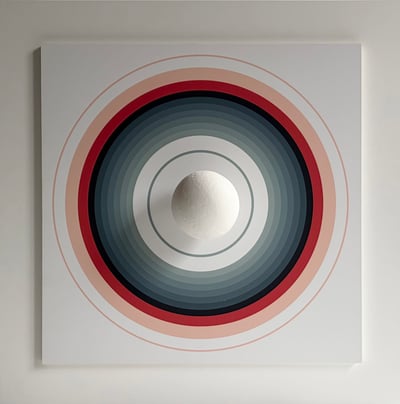
Antonio Asis
Asistype 19 – boule sur cercle, 2016
Sculpture / Object
Monotype
EUR 3,000
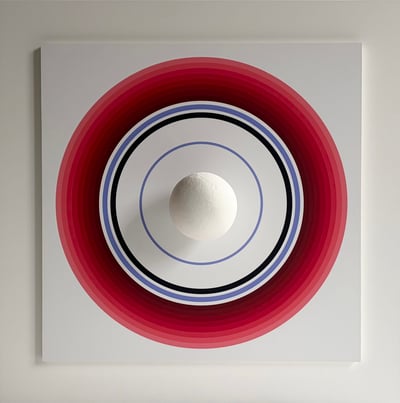
Antonio Asis
Asistype 18 – boule sur cercle, 2016
Sculpture / Object
Monotype
EUR 3,000
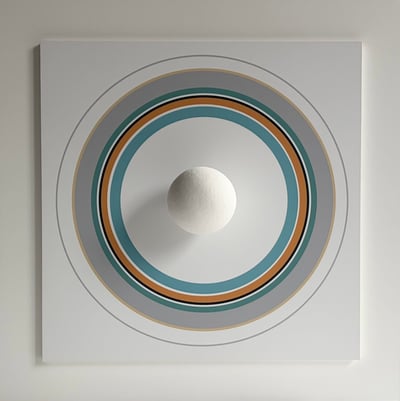
Antonio Asis
Asistype 17 – boule sur cercle, 2016
Sculpture / Object
Monotype
EUR 3,000
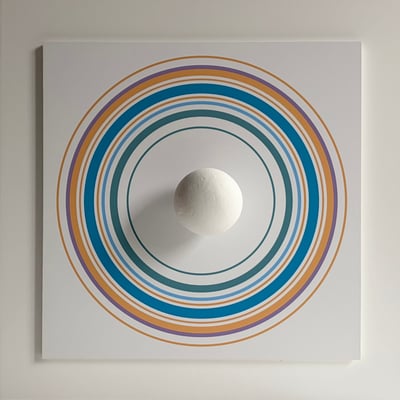
Antonio Asis
Asistype 16 – boule sur cercle, 2016
Sculpture / Object
Monotype
EUR 3,000
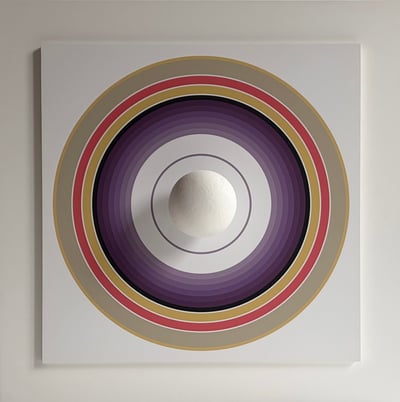
Antonio Asis
Asistype 14 – boule sur cercle, 2016
Sculpture / Object
Monotype
EUR 3,000
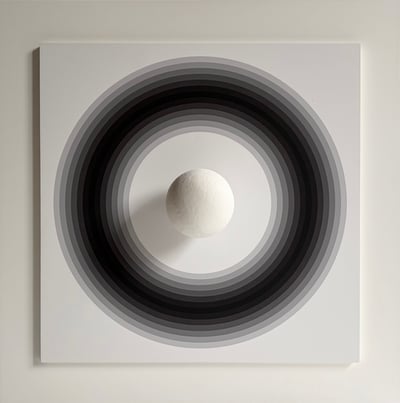
Antonio Asis
Asistype 11 – boule sur cercle, 2016
Sculpture / Object
Monotype
EUR 3,000
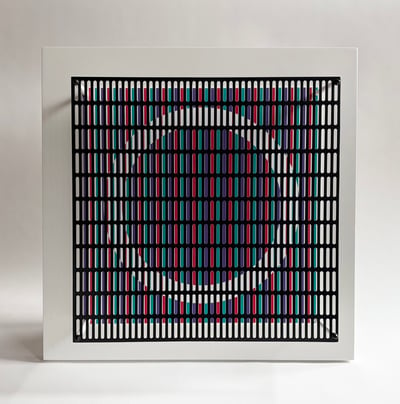
Antonio Asis
Vibration cercles mauve, rouge et turquoise, 2010
Sculpture / Object
Mixed Media
EUR 3,000
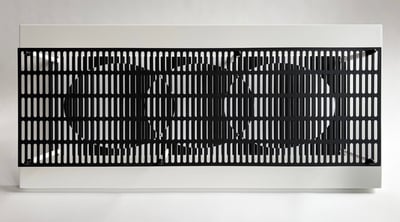
Antonio Asis
3 ovals noir et blanc, 2012
Sculpture / Object
Mixed Media
EUR 3,000
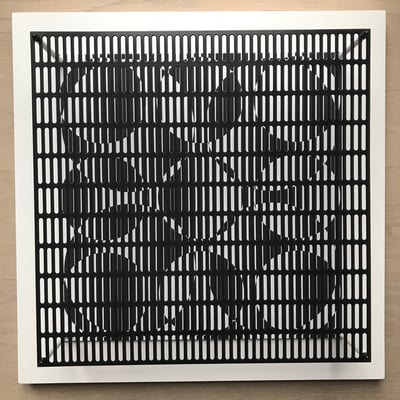
Antonio Asis
Vibration 9 petits et 4 grands cercles, 2010
Sculpture / Object
Mixed Media
EUR 3,000
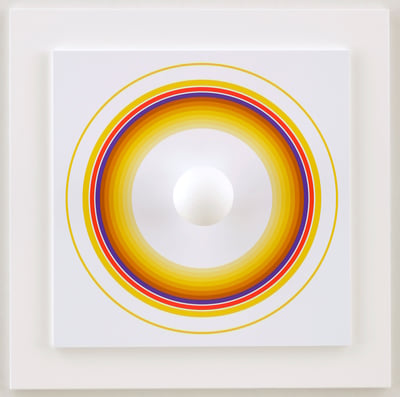
Antonio Asis
Asistype 20 - boule sur cercle, 2016
Sculpture / Object
Monotype
EUR 3,500
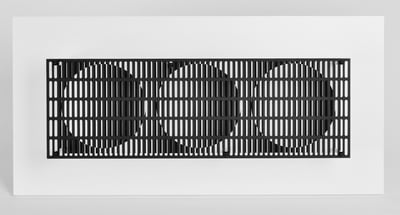
Antonio Asis
3 Cercles noir et blanc, 2014
Sculpture / Object
Mixed Media
EUR 3,000
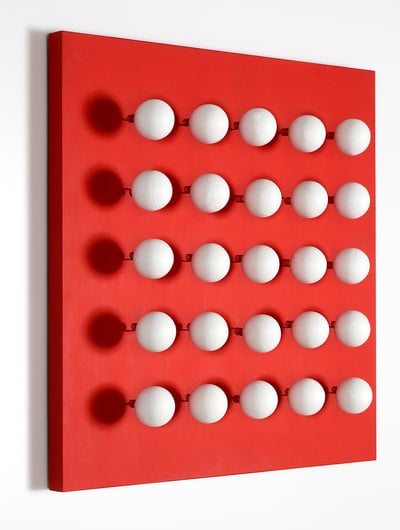
Antonio Asis
boules tactiles sur font rouge, 2015
Sculpture / Object
Mixed Media
EUR 3,000
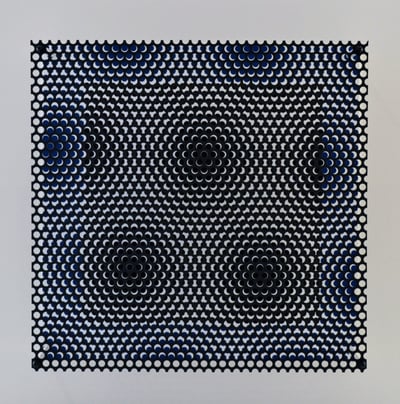
Antonio Asis
Vibration Carré Noir et Bleu, 2012
Sculpture / Object
Mixed Media
EUR 3,000
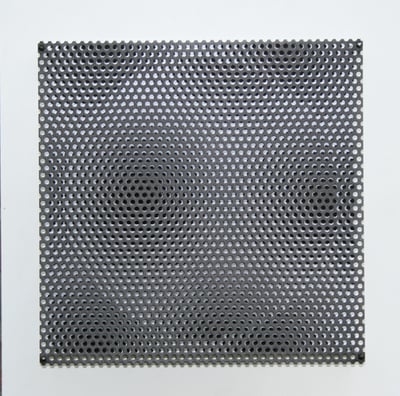
Antonio Asis
vibration grand cercle, 2010
Sculpture / Object
Mixed Media
EUR 3,000
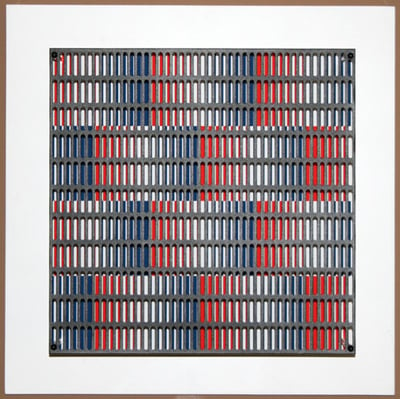
Antonio Asis
vibration bandes bleus et rouges, 2010
Sculpture / Object
Mixed Media
EUR 3,000
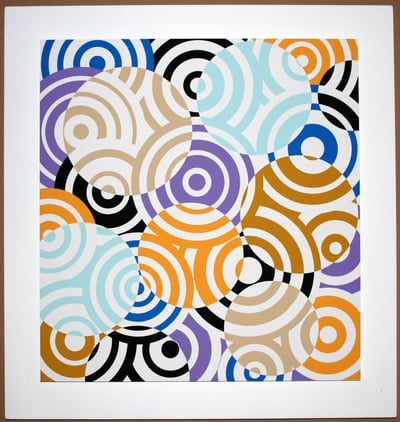
Antonio Asis
interferences cercles de couleurs, 2010
Limited Edition Print
Mixed Media
EUR 2,200
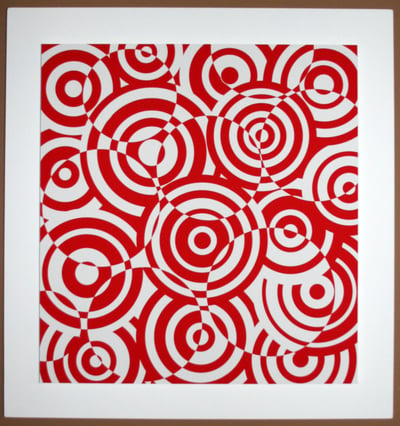
Antonio Asis
interferences cercles rouge et blanc, 2010
Limited Edition Print
Mixed Media
EUR 2,200
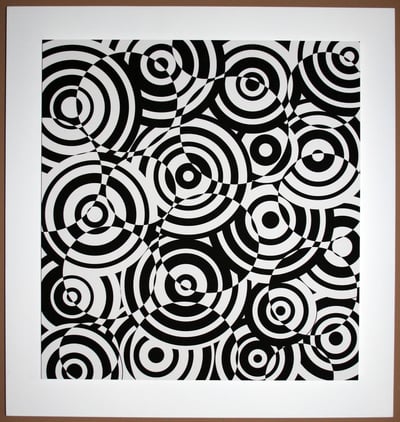
Antonio Asis
interferences cercles noir et blanc, 2010
Limited Edition Print
Mixed Media
EUR 2,200
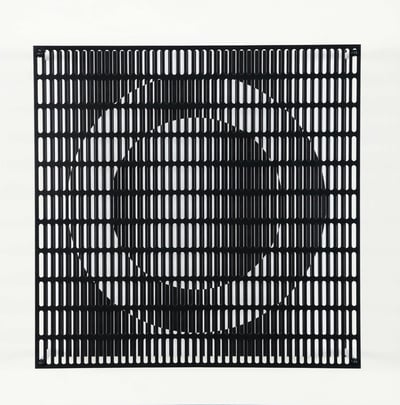
Antonio Asis
vibration cercles noir et blanc, 2010
Sculpture / Object
Mixed Media
EUR 3,000
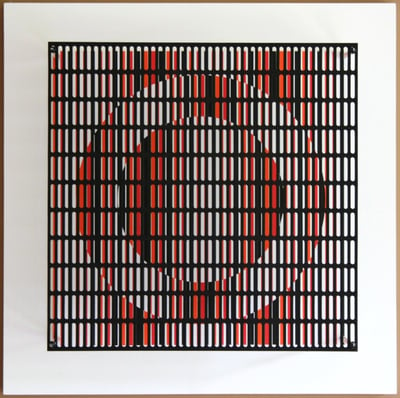
Antonio Asis
vibration cercles noir, orange et rouge, 2010
Sculpture / Object
Mixed Media
EUR 3,000
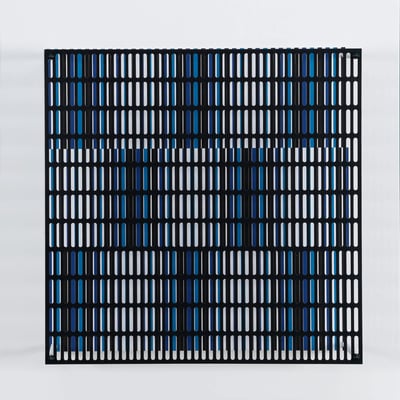
Antonio Asis
Vibration bandes noir, bleu et turquoise, 2010
Sculpture / Object
Mixed Media
EUR 3,000
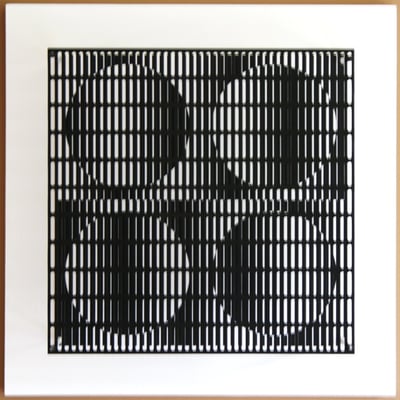
Antonio Asis
vibration 4 cercles noir et blanc, 2010
Sculpture / Object
Mixed Media
EUR 3,000
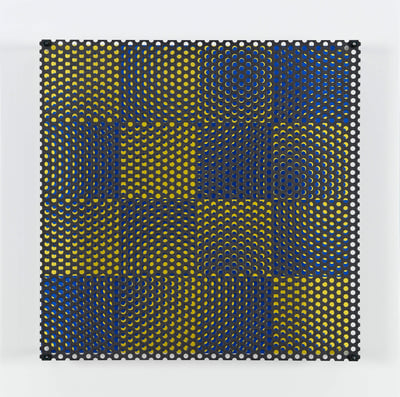
Antonio Asis
vibration 16 carres bleu et jaune, 2010
Sculpture / Object
Mixed Media
EUR 3,000
Related Artists
Related Articles
Popular, Collecting - July 23, 2025
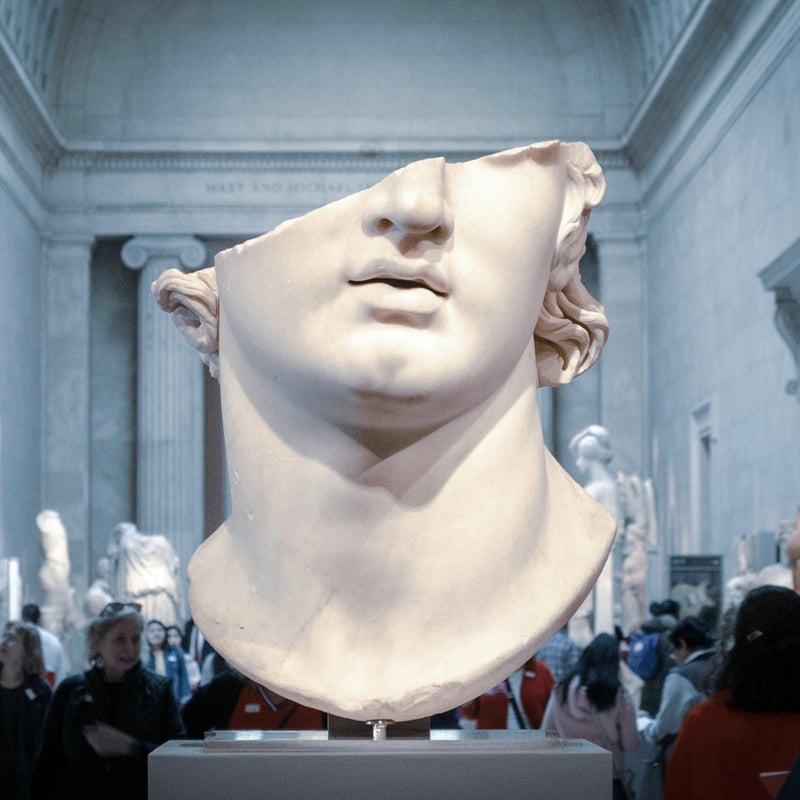
Sculpture Care and Display: From Plinths to Pedestals in Your Home
Learn how to display and care for sculpture at home—from lighting tips to material care—so your art can truly shine in any space.Read More
What is Op Art?
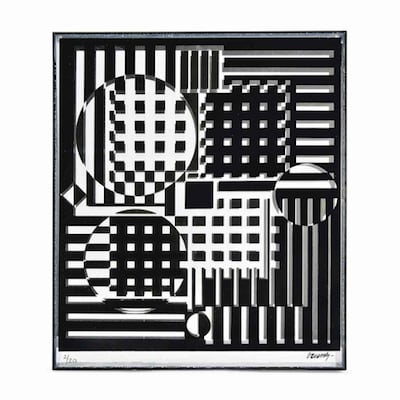
Op Art is a visual art style that uses optical illusions to create the impression of movement, vibrating patterns, flashing, or hidden images. The works are typically abstract, with many well-known pieces in black and white. The roots of Op Art can be traced back to earlier movements like Futurism, Constructivism, Dada, and Neo-Impressionism, particularly in their use of color effects and graphic design.


