By Emilia Novak
In the world of art collecting, understanding the nuances of editioning can make a significant difference in both the aesthetic and monetary value of your acquisitions. Whether you’re just starting your collection or looking to expand your current portfolio, knowing the difference between limited edition and open edition prints—and the role of artist proofs and numbering—is essential. In this article, we’ll explore these concepts in detail, discussing why limited editions tend to be more valuable and highlighting potential pitfalls that collectors should be aware of.
Defining the Editions
Limited Edition Prints
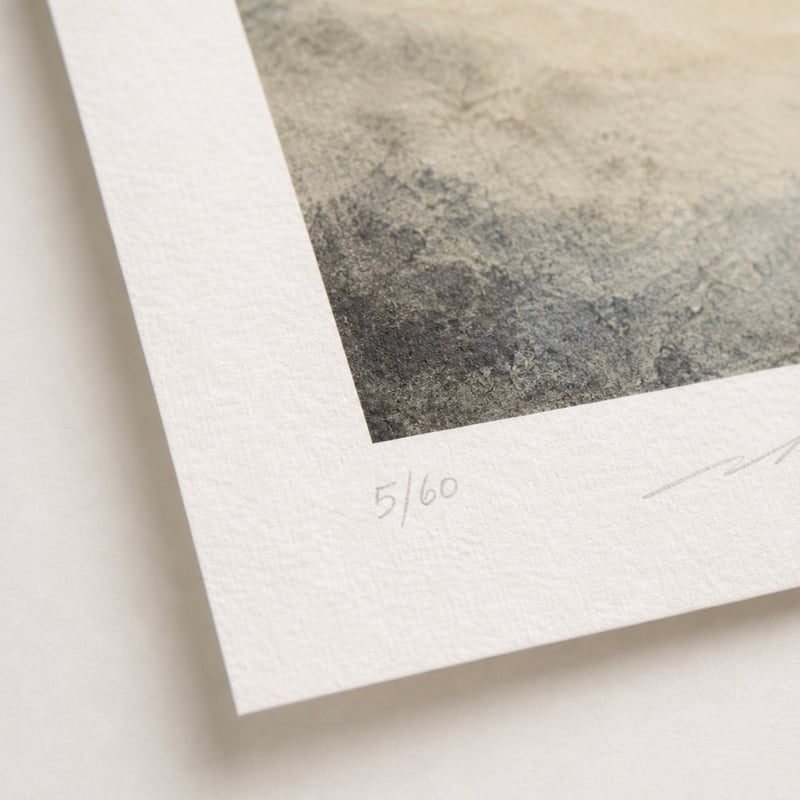
Limited edition prints are produced in a predetermined number of copies. This finite run is usually established by the artist or the publisher, and each print is typically individually numbered. For example, a print might be released as “Edition of 500,” with each print marked as “23/500.” This numbering system is a critical factor in establishing the rarity and authenticity of the work.
Key Characteristics:
- Finite Quantity: The limited number of copies creates scarcity, which often drives up demand and value.
- Numbering and Certification: Each print is individually numbered, and accompanying certificates of authenticity help verify its legitimacy.
- Artist Proofs: Before the full edition is printed, a few extra copies—known as artist proofs—are created. These are not included in the final edition count but are highly prized by collectors for their rarity.