Italy
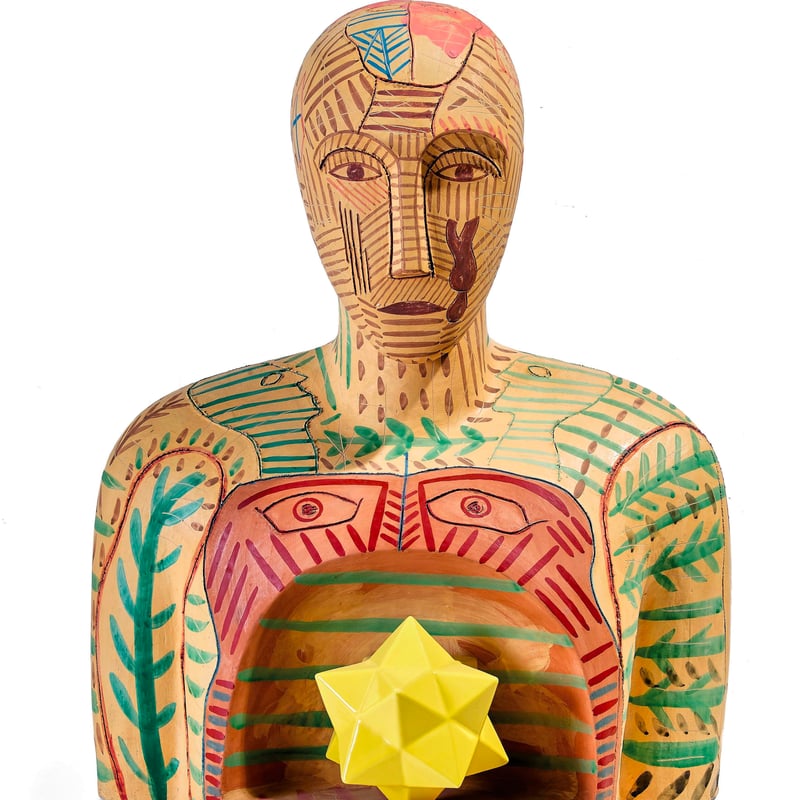
The contemporary art scene in Italy is a testament to the nation's deep-rooted artistic tradition, vibrantly interacting with innovative expressions and global movements. Esteemed institutions, including Rome's MAXXI and Venice's Palazzo Grassi, not only present internationally acclaimed artists but also foster emerging talent. Pioneers like Maurizio Cattelan, recognized for his satirical sculptures, and Vanessa Beecroft, known for her immersive performance art, enrich the country's artistic panorama. Italy continues to be a beacon for contemporary art, with its art fairs such as Artissima in Turin, offering a global platform for artistic dialogue. Explore the richness of Italy's contemporary art on the Composition Gallery's website.
Notable Artists from italy
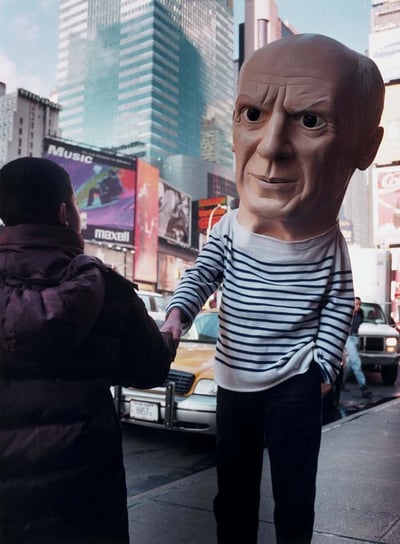
From Spatialism to Arte Povera
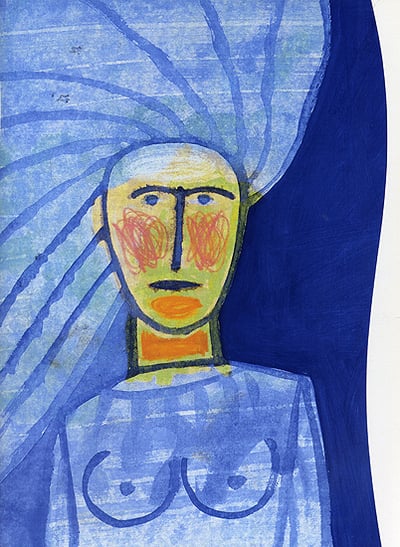
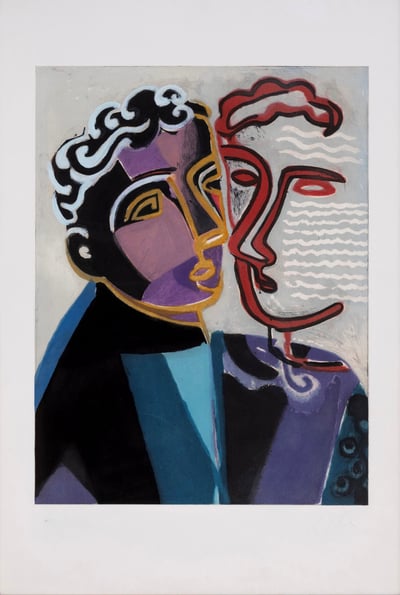
Post-war Italy produced some of the most radical rethinking of what a painting or sculpture could be. In Milan, Lucio Fontana slashed and punctured monochrome canvases from the late 1940s onward, arguing that the picture plane itself was a limit to be broken. His Spatialism (Spazialismo) treated the cut not as destruction but as an opening onto real space — a gesture that still anchors the market for Italian post-war art today.
"I do not want to make a painting; I want to open up space, create a new dimension, tie in the cosmos, as it endlessly expands beyond the confining plane of the picture."
Lucio Fontana
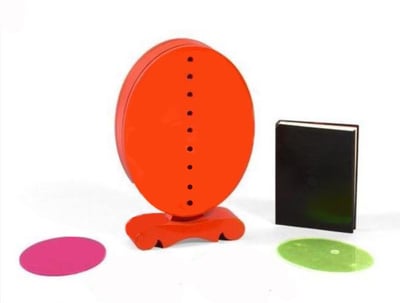
Two decades later, in Turin and Rome, the artists grouped by critic Germano Celant under the name Arte Povera — Michelangelo Pistoletto, Alighiero Boetti, Jannis Kounellis, Mario Merz, Giuseppe Penone among them — turned to "poor" materials: rags, neon, wax, coal, living plants. Their point was not poverty but immediacy, stripping art of illusion and market polish. Ironically, Arte Povera is now one of the most sought-after chapters in the international market, with Pistoletto's mirror paintings and Boetti's embroidered maps commanding strong institutional demand.
Transavanguardia and the contemporary generation
In the early 1980s, critic Achille Bonito Oliva championed the Transavanguardia — Sandro Chia, Francesco Clemente, Enzo Cucchi, Mimmo Paladino and Nicola De Maria — a return to expressive, figurative painting that ran parallel to German Neo-Expressionism. Their canvases, dense with myth and quotation, marked Italy's re-entry into painting after a decade of conceptualism.
The generation that followed took a sharper, more media-aware turn. Maurizio Cattelan's satirical sculptures and Vanessa Beecroft's choreographed performances brought Italian art into global biennial circuits, while institutions such as MAXXI in Rome, Fondazione Prada in Milan and Palazzo Grassi and Punta della Dogana in Venice built the infrastructure that keeps this scene visible. For collectors, the practical takeaway is that "Italian contemporary art" spans at least four distinct markets — post-war Spatialism, Arte Povera, Transavanguardia painting, and the current generation — each with its own price logic, scholarship and collector base.
The archivio system and authenticity
Italy has one of the most formalized authentication cultures in the art world. Most significant Italian artists of the twentieth century are represented by a dedicated archive or foundation — the Fondazione Lucio Fontana, the Archivio Alighiero Boetti, the Fondazione Piero Manzoni and many others — which maintains the catalogue of authentic works and issues certificates or archive numbers. For post-war Italian art in particular, an archive registration is often treated by the market as a condition of sale, not an optional extra. When considering a work, ask whether it is archived, under which number, and whether the certificate accompanies the physical work. A missing archive record does not automatically mean a work is wrong, but it will complicate resale and insurance.
For living artists, provenance usually runs through the artist's studio or primary gallery. Editions and multiples — a strong tradition in Italy, from Fontana's ceramics to Pistoletto's serigraphs on steel — should carry clear numbering and, ideally, publisher documentation.
Export rules and what they mean for buyers
Italy's cultural heritage law is among the strictest in Europe. Works by deceased artists that are more than seventy years old generally require an export licence (attestato di libera circolazione) before they may leave the country, and the state can refuse the licence or exercise pre-emption if a work is deemed of national interest. A refused licence effectively confines a work to the Italian market, which can significantly affect its value. If you are buying a post-war Italian work located in Italy, confirm before purchase whether an export licence exists, is pending, or is needed at all — contemporary works by living artists and recent works typically move freely, but the age thresholds catch more material each year.
Value and condition
Condition matters acutely for this material. Fontana's cut canvases, Arte Povera's fragile organic media and 1980s Transavanguardia impasto each present distinct conservation risks; restoration history should be disclosed and documented. As with all post-war art, works with exhibition history, literature citations and unbroken provenance from reputable galleries consistently outperform comparable pieces without that paper trail.
Artworks Related to Italy
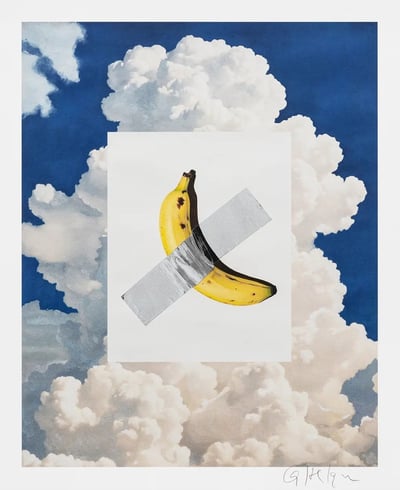
Maurizio Cattelan
Window, 2026
Limited Edition Print
Pigment print
GBP 3,000 - 4,000

Giulio Paolini
Il sole nero, 1993
Limited Edition Print
Mixed Media
EUR 1,600
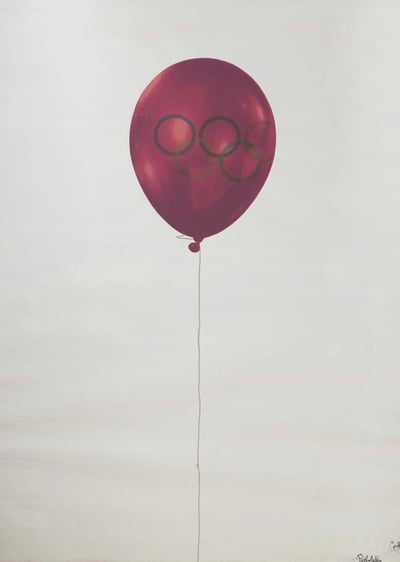
Michelangelo Pistoletto
Balloon, 1983
Limited Edition Print
Silkscreen
Inquire For Price

Piero Dorazio
La Ribambelle Des Gobelins II, 1992
Limited Edition Print
Silkscreen
EUR 1,750

Piero Dorazio
La Ribambelle Des Gobelins I, 1992
Limited Edition Print
Silkscreen
EUR 1,750

Piero Dorazio
Ellisse blu, 1989
Limited Edition Print
Silkscreen
EUR 2,400

Piero Dorazio
La Ribambelle Des Gobelins IV, 1992
Limited Edition Print
Silkscreen
EUR 1,750

Piero Dorazio
La Ribambelle Des Gobelins V, 1992
Limited Edition Print
Silkscreen
EUR 1,750

Piero Dorazio
Pink Abstract, 1992
Limited Edition Print
Silkscreen
EUR 1,750
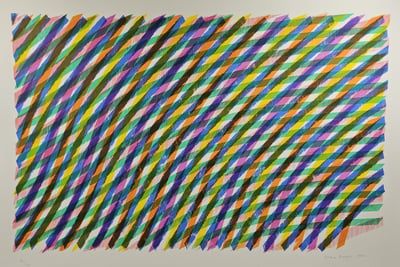
Piero Dorazio
Reticolo. Composizione No 2, 1984
Limited Edition Print
Lithograph
USD 2,000
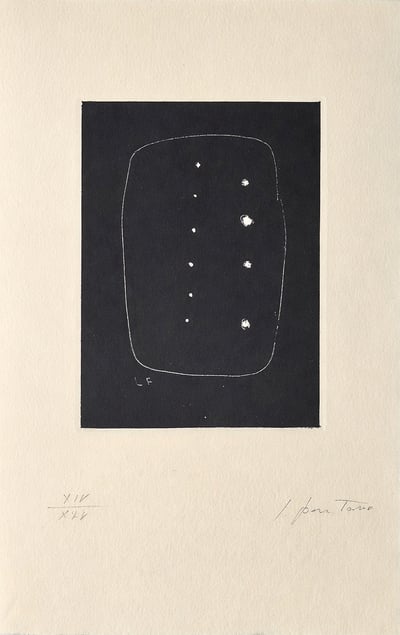
Lucio Fontana
Untitled from The International Avant-Garde (volume I), 1962
Limited Edition Print
Mixed Media
USD 8,150
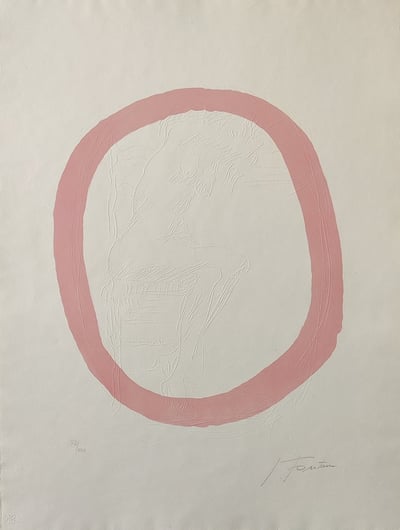
Lucio Fontana
Nudo rosa, 1967
Limited Edition Print
Mixed Media
USD 10,500
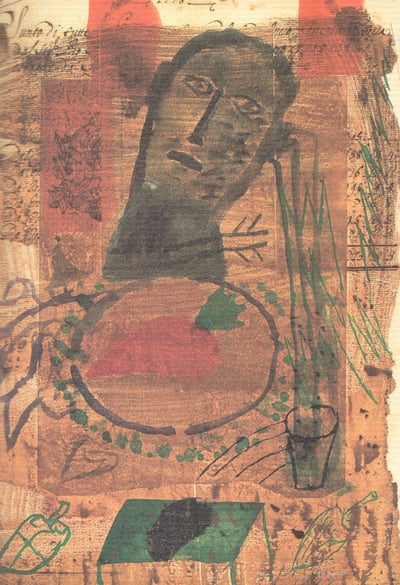
Mimmo Paladino
Senza titolo, 1999
Drawing / Watercolor
Collage
Currently Not Available
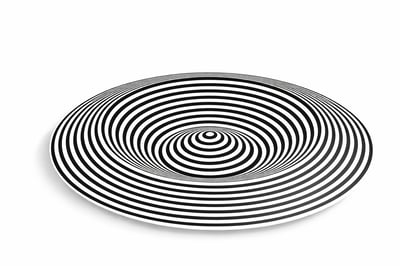
Marina Apollonio
Dinamica Circolare Ellisse Prospettico, 1969-2025
Sculpture / Object
Wood
EUR 1,500
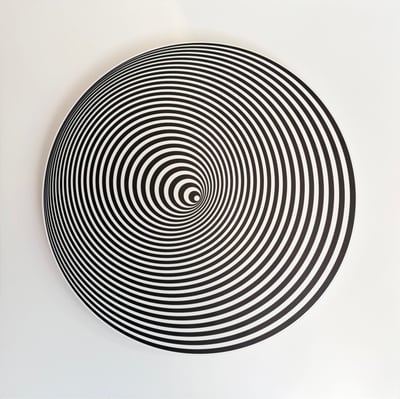
Marina Apollonio
Dinamica Circolare 6S, 1966-2025
Sculpture / Object
Wood
EUR 3,000
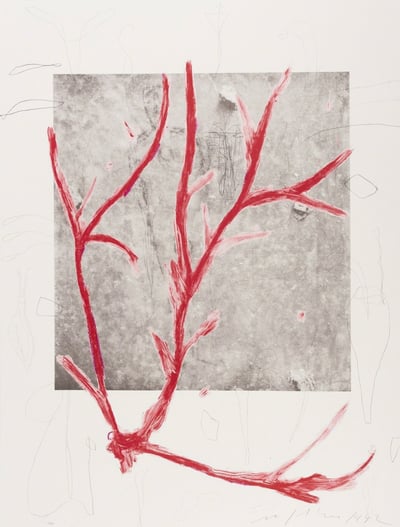
Mimmo Paladino
Untitled (Columbus: In Search of a New Tomorrow), 1992
Limited Edition Print
Screen-print
USD 800
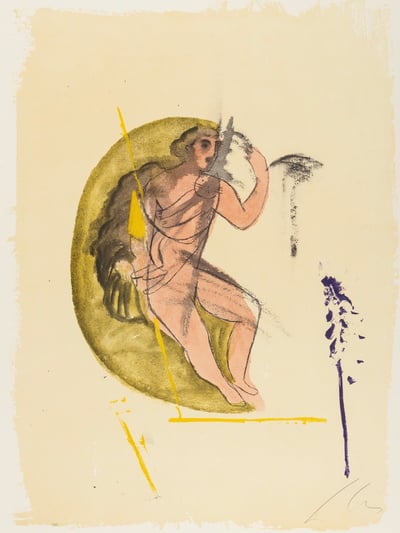
Sandro Chia
Untitled (Columbus: In Search of a New Tomorrow), 1992
Limited Edition Print
Screen-print
Inquire For Price
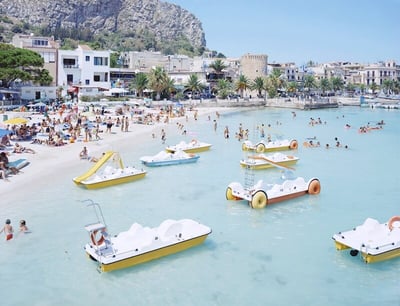
Massimo Vitali
Mondello Paddle Boats, 2007
Photography
C-Print
EUR 20,000
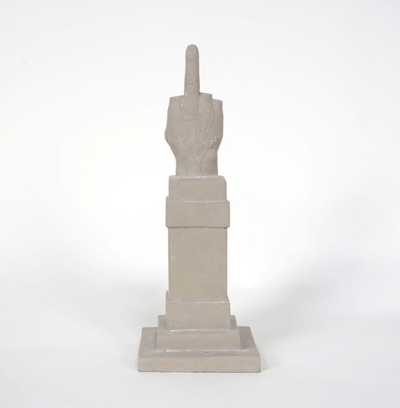
Maurizio Cattelan
L.O.V.E., 2015
Sculpture / Object
Mixed Media
GBP 3,500
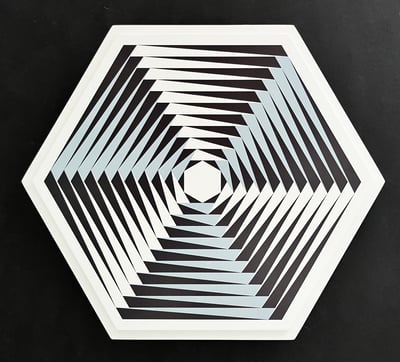
Marcello Morandini
Sculptura 762, 2024
Sculpture / Object
Wood
EUR 1,200
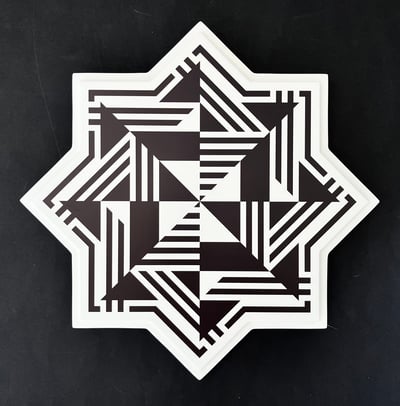
Marcello Morandini
Sculptura 763, 2024
Sculpture / Object
Wood
EUR 1,200
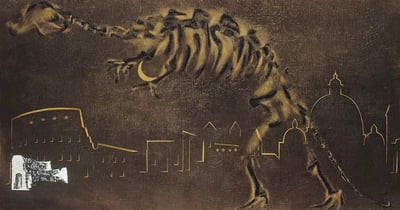
Enzo Cucchi
Roma, 1991
Limited Edition Print
Mixed Media
EUR 8,000
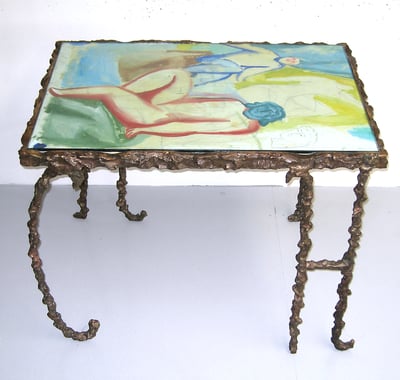
Sandro Chia
Senza titolo (Tavolo), 2001
Sculpture / Object
Mixed Media
Inquire For Price
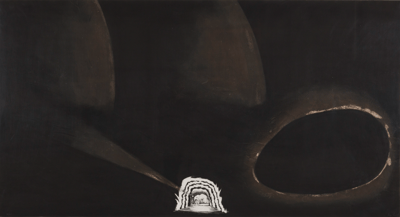
Enzo Cucchi
L'elefante di Giotto, 1986
Limited Edition Print
Mixed Media
EUR 11,000
Enzo Cucchi
Sparire I, 1988
Limited Edition Print
Mixed Media
EUR 5,500
Enzo Cucchi
Sparire II, 1988
Limited Edition Print
Mixed Media
EUR 5,500
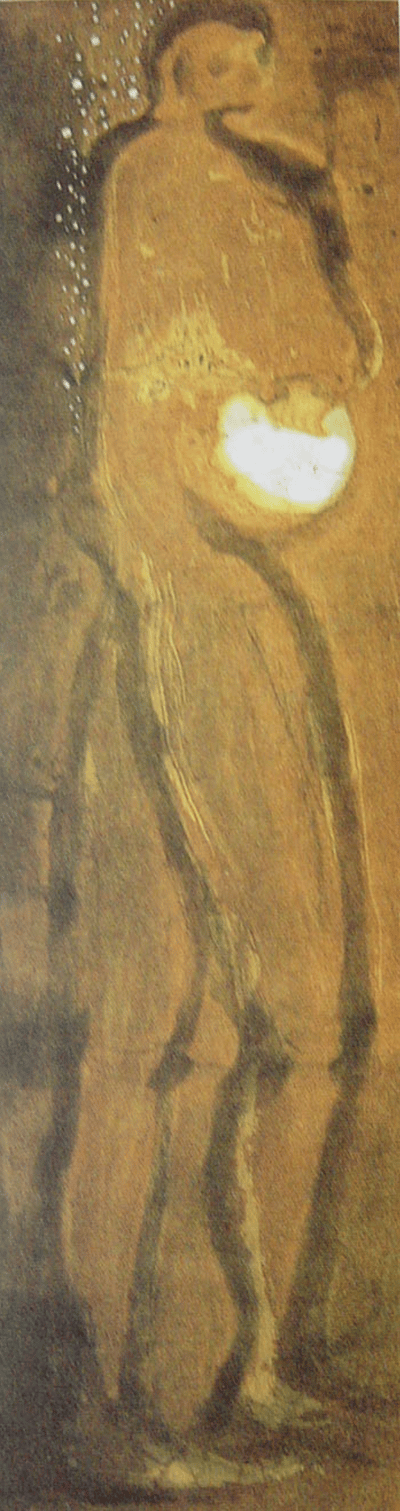
Enzo Cucchi
Uomini, 1989
Limited Edition Print
Etching and Aquatint
EUR 7,500
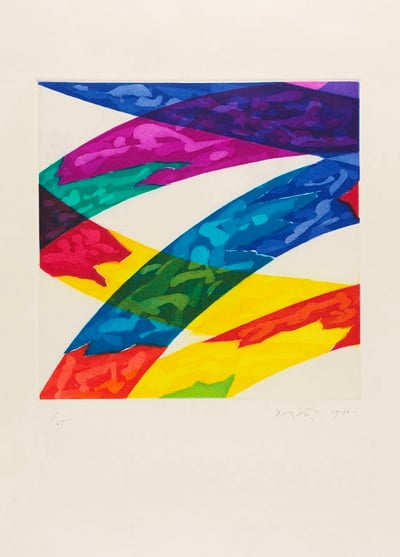
Piero Dorazio
Untitled (Chromatic Ribbons), 1971
Limited Edition Print
Etching
EUR 990
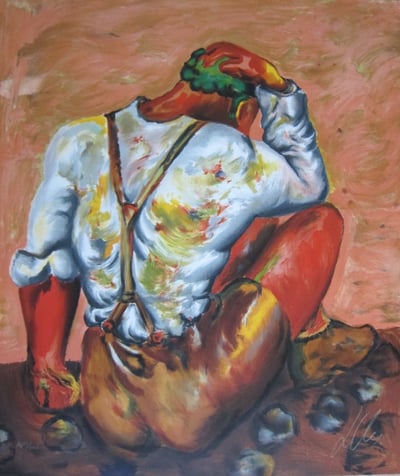
Sandro Chia
Lonely Explore, 1991
Limited Edition Print
Lithograph
EUR 1,400
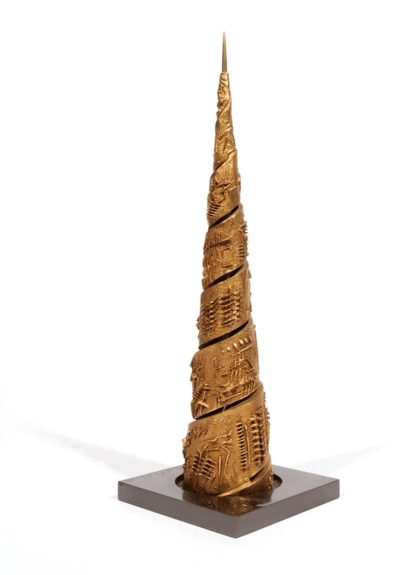
Arnaldo Pomodoro
Torre a spirale, studio 1, 1985
Sculpture / Object
Bronze
Currently Not Available
Related Articles
Can't find your Answer?
Thank you! Your question has been sent — we'll get back to you shortly.
