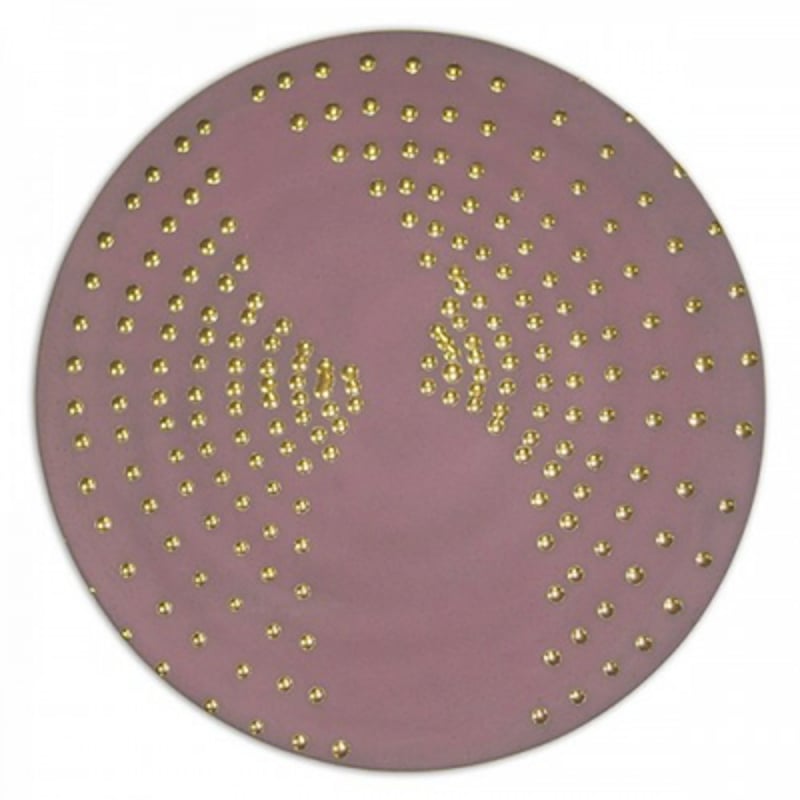
What is the Zero Movement?
ZERO was an art movement founded by Otto Piene and Heinz Mack, aiming to develop into a large international and cross-border movement. The name ZERO originated from a magazine founded by Heinz Mack in 1957, which became a platform for the group's ideas. The magazine was published for several years before ceasing in 1967. The ZERO movement sought to create a new beginning in art, emphasizing light, space, and movement, and became influential in post-war European art.
- Show All
- Established
- Discoveries
- Show All
Artworks Related to Zero Movement
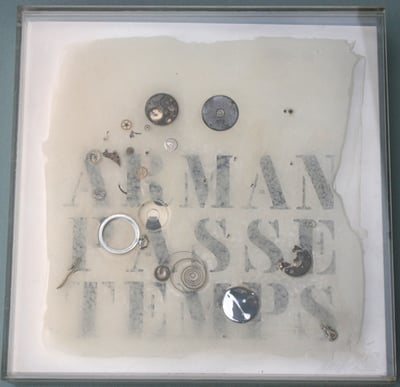
Fernandez Arman
Passe Temps, 1971
Limited Edition Print
Mixed Media
EUR 4,000
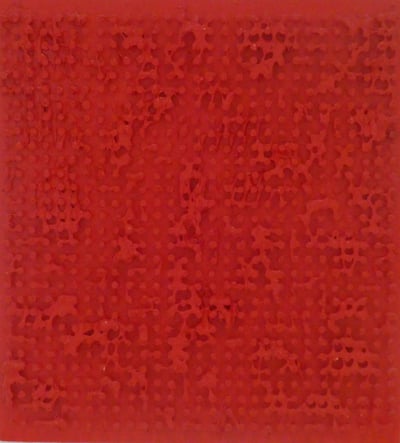
Bernard Aubertin
Abidjan, 2014
Painting
Mixed Media
EUR 5,400
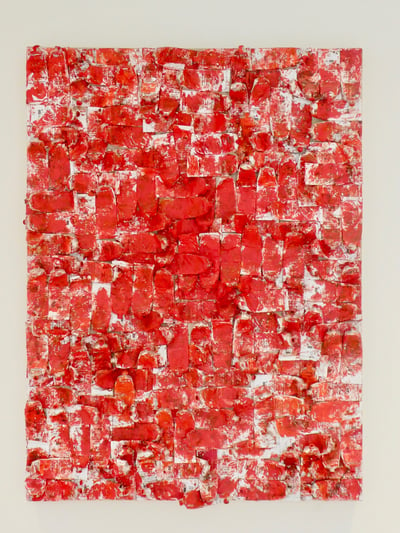
Fernandez Arman
Red Tubes, 1980
Painting
Mixed Media
EUR 34,000
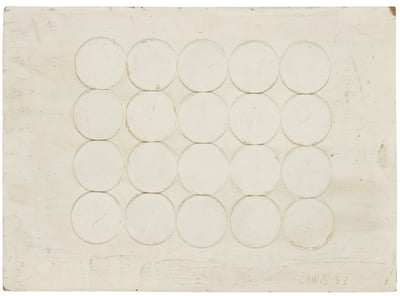
Herbert Zangs
Collage Bierdeckel auf Karton, 1953
Painting
Collage
EUR 22,500
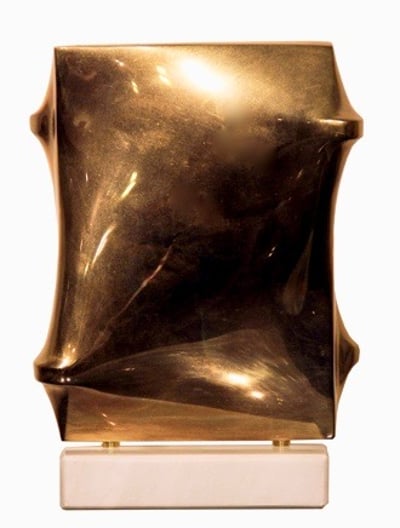
Agostino Bonalumi
Senza titolo, 1990
Sculpture / Object
Bronze
Currently Not Available
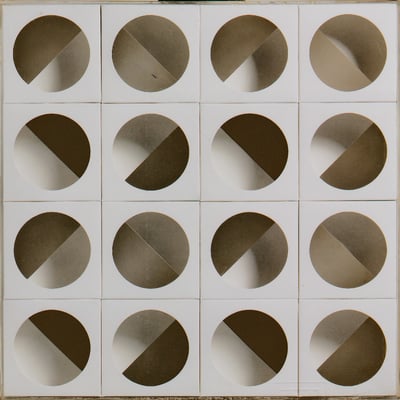
Paolo Scheggi
Inter-Ena Cubo, 1965
Sculpture / Object
Mixed Media
Currently Not Available
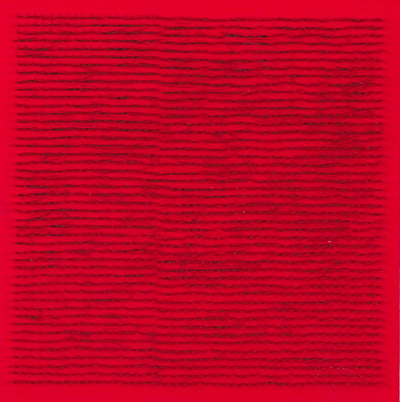
Bernard Aubertin
Clou (rouge), 1968
Painting
Mixed Media
EUR 20,000 - 30,000
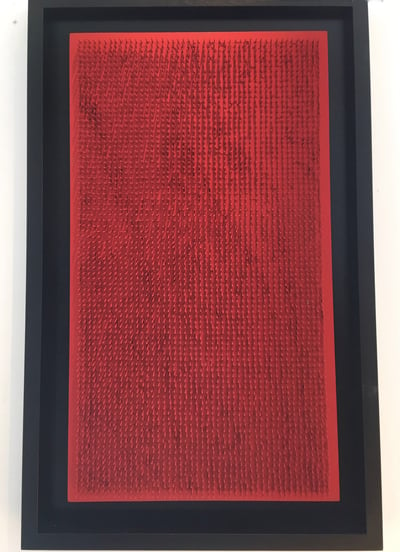
Bernard Aubertin
Clou, 1969
Painting
Mixed Media
EUR 20,000 - 30,000
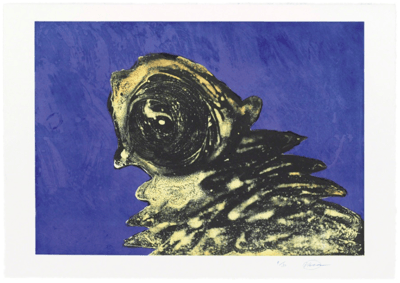
Otto Piene
Zyklop Gelb, 1984
Limited Edition Print
Carborundum
EUR 2,400
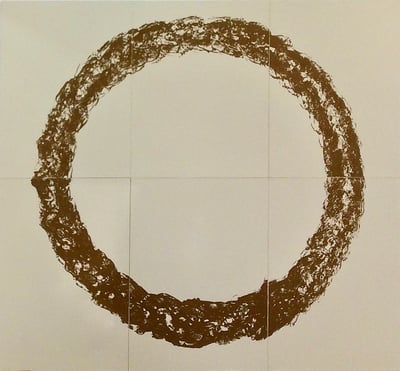
Gunther Uecker
Ouroboros (natural sand), 2018
Limited Edition Print
Screen-print
EUR 22,000
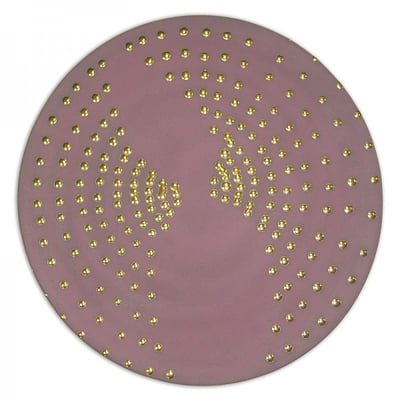
Otto Piene
Rastersonne, 2009
Ceramics
Mixed Media
Currently Not Available
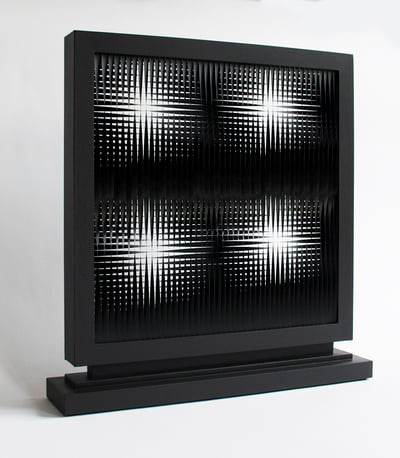
Alberto Biasi
Torsioni Sovrapposte Noir, 2017
Sculpture / Object
Mixed Media
EUR 3,000
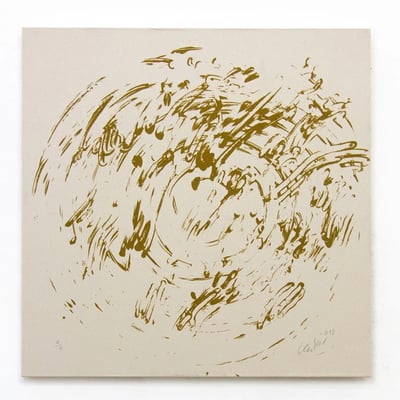
Gunther Uecker
Ouroboros #11, 2018
Limited Edition Print
Sand
EUR 8,000
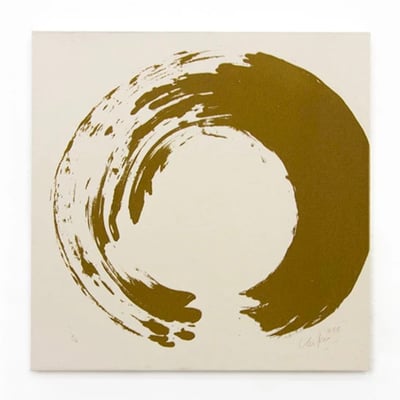
Gunther Uecker
Ouroboros #10, 2018
Limited Edition Print
Sand
EUR 8,000
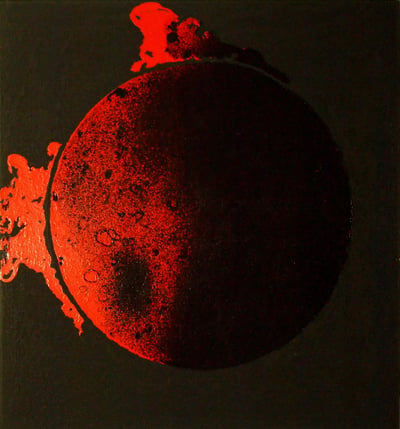
Paul Van Hoeydonck
Suite Olympic Centennial, 1991
Limited Edition Print
Serigraph
Currently Not Available
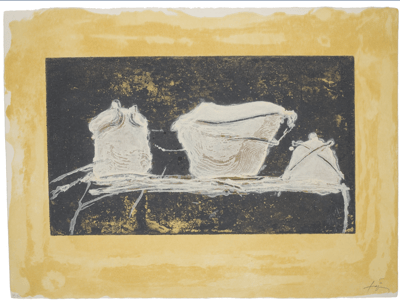
Antoni Tapies
Vaisselle, 1984
Limited Edition Print
Mixed Media
EUR 4,375
Related Articles
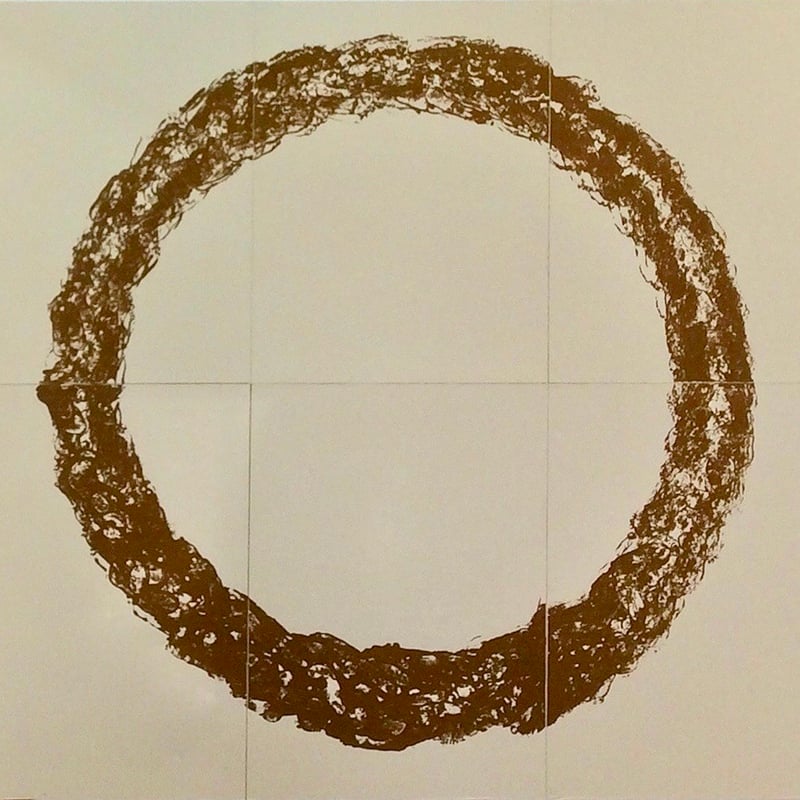
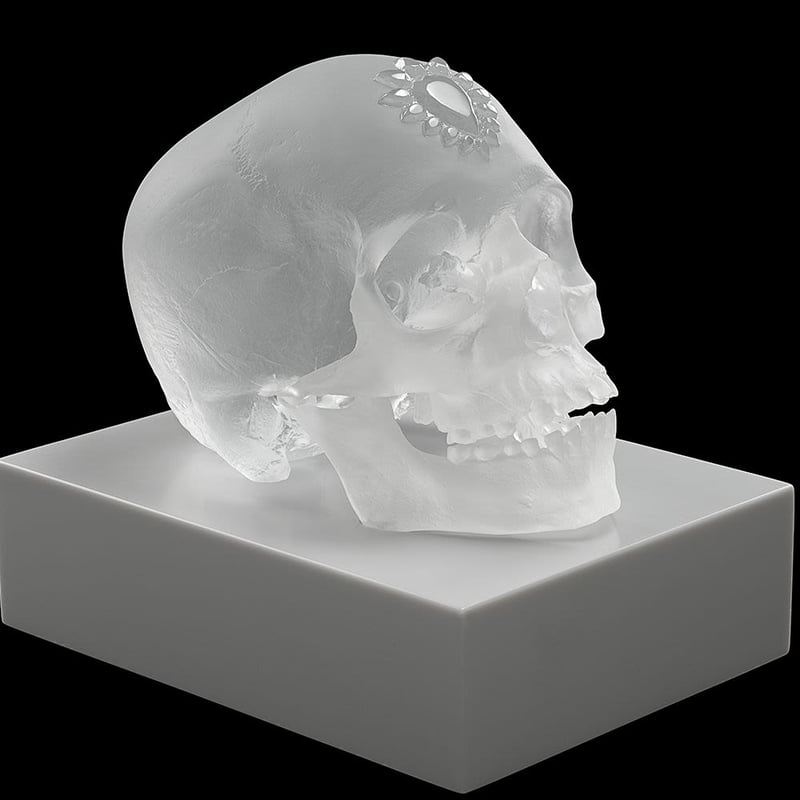
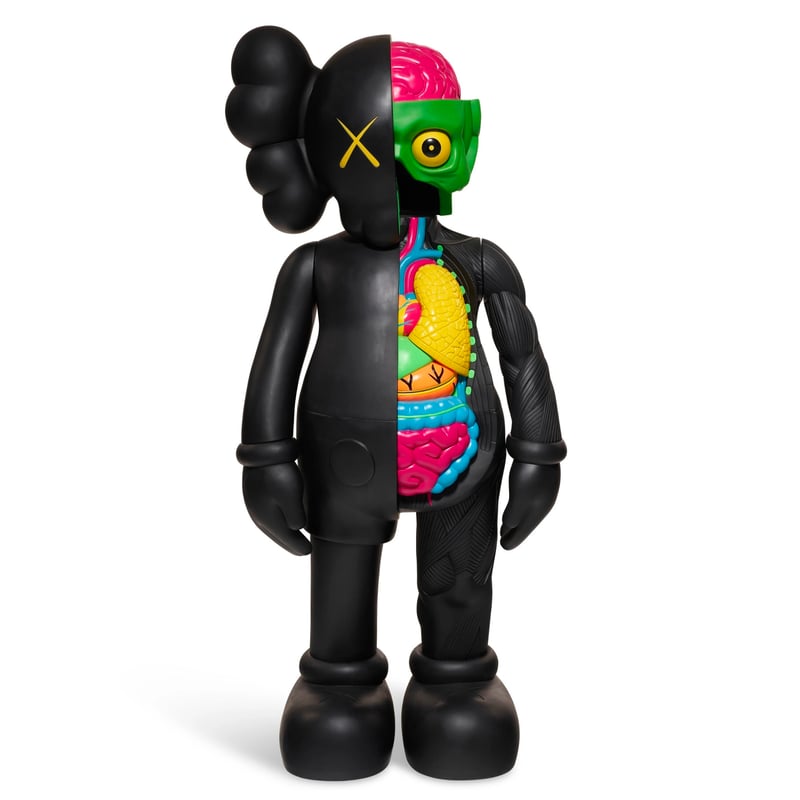

Postmodernism is an art movement that emerged as a reaction against authority and traditional boundaries, seeking to blur the lines between art and everyday life. It aimed to bridge the gap between the cultural elite and the general public by embracing eclectic mixtures of earlier conventions and styles. Postmodernist art often challenges established norms and celebrates diversity, irony, and pastiche, making it a movement that reflects the complexities of contemporary culture.

Wax is a solid material derived from plant, animal, and petroleum sources. It is used to protect paints from wear, create sculptures, make wax crayons and colored pencils, and for encaustic painting. In encaustic painting, colored beeswax is shaped with special tools to create textured, raised surfaces.

Épreuve d'Artist refers to the artist's proofs in a limited edition of prints. These are a small number of prints reserved by the artist for personal use and are typically marked with the abbreviation E.A. (épreuve d'artist) or AP (artist's proof). Artist’s proofs are usually identical to the regular edition but are often considered more valuable due to their limited quantity.
Can't find your Answer?
Thank you! Your question has been sent — we'll get back to you shortly.
