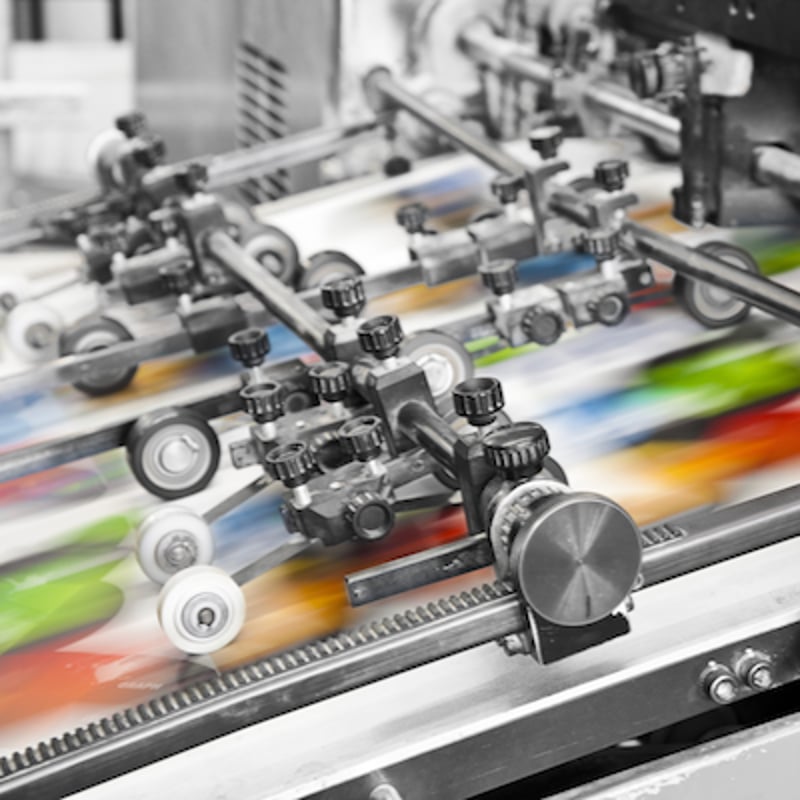
What is Offset printing?
- Show All
- Established
- Discoveries
- Show All
Artworks Related to Offset Print
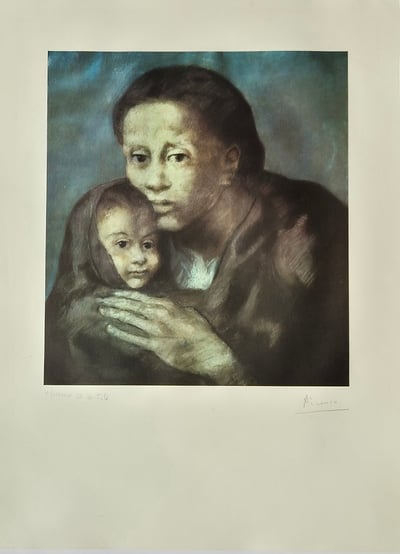
Pablo Picasso
Mother and Child with Shawl, from Barcelona Suite, 1966
Limited Edition Print
Offset Print
USD 9,800
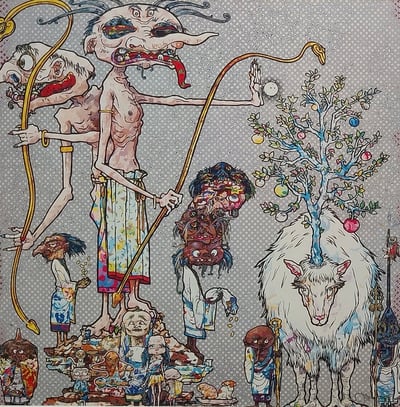
Takashi Murakami
Assignation of a Spirit, 2015
Limited Edition Print
Offset Print
USD 2,250
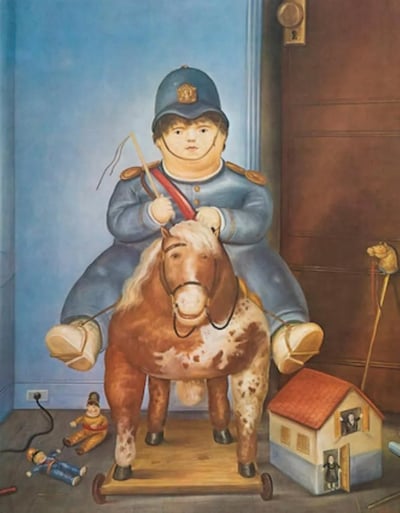
Fernando Botero
Pedrito, 1975
Limited Edition Print
Offset Print
EUR 6,600
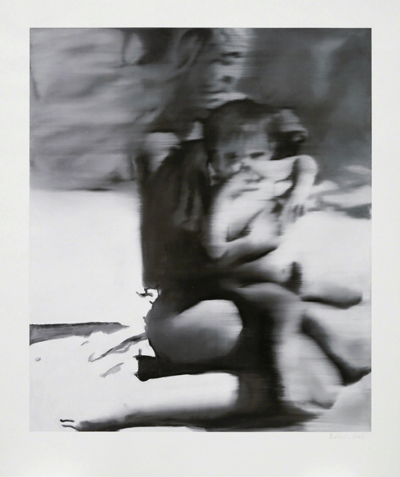
Gerhard Richter
Frau Mit Kind / Mother With Child, 1965 / 2005
Limited Edition Print
Offset Print
GBP 3,500 - 5,000
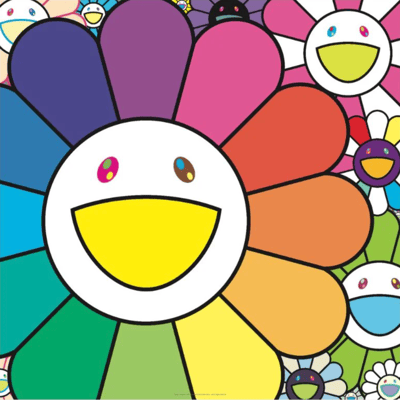
Takashi Murakami
Poppin' Flowers, 2021
Limited Edition Print
Offset Print
GBP 1,750
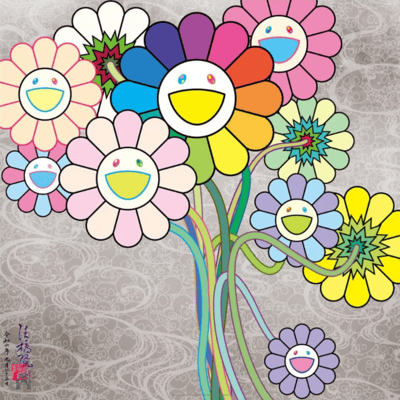
Takashi Murakami
Korin and Warhol, 2021
Limited Edition Print
Offset Print
GBP 1,900
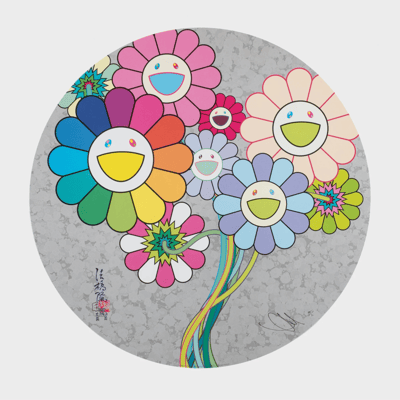
Takashi Murakami
Re: Flowers for Algernon, 2024
Limited Edition Print
Offset Print
GBP 1,950
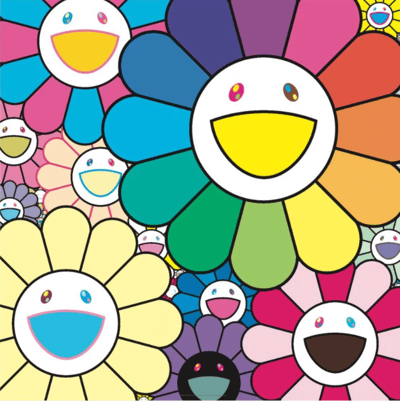
Takashi Murakami
Lots of Flowers, 2024
Limited Edition Print
Offset Print
GBP 1,800
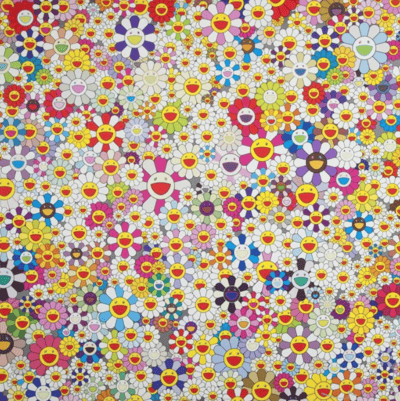
Takashi Murakami
Open Your Hands Wide, Embrace Happiness!, 2010
Limited Edition Print
Offset Print
GBP 3,000
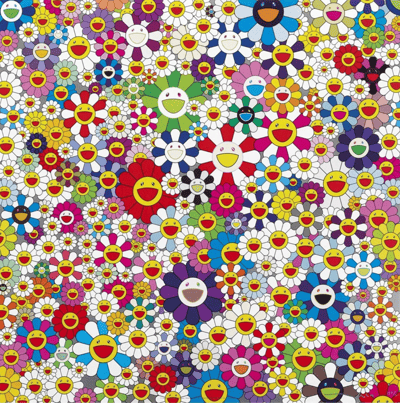
Takashi Murakami
If I Could Reach That Field Of Flowers, I Would Die Happy, 2010
Limited Edition Print
Offset Print
GBP 3,000
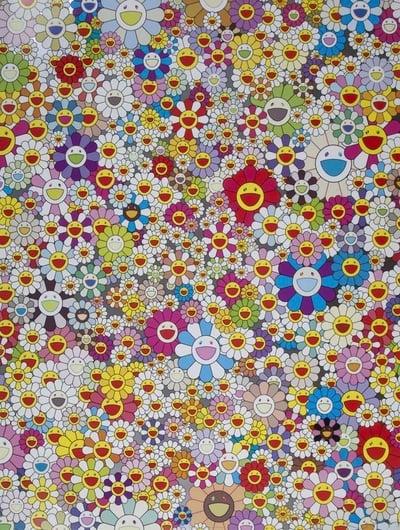
Takashi Murakami
Poporoke Forest, 2011
Limited Edition Print
Offset Print
GBP 4,750
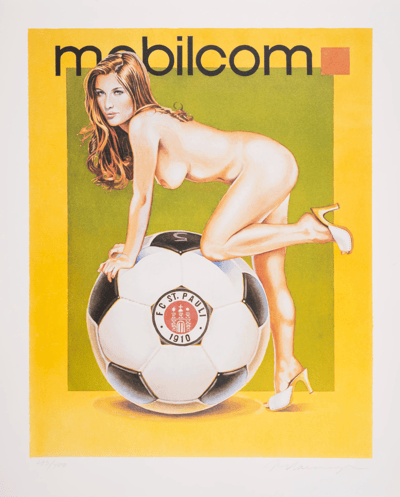
Mel Ramos
Mobilcom FC St. Pauli, 2003
Limited Edition Print
Offset Print
Currently Not Available
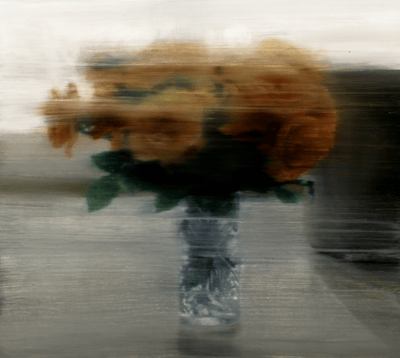
Gerhard Richter
Roses, 1994 / 2005
Limited Edition Print
Offset Print
GBP 4,000
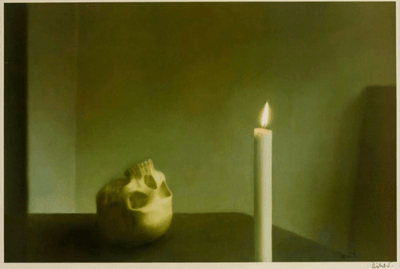
Gerhard Richter
Skull and Candle, 1995
Limited Edition Print
Offset Print
GBP 14,000 - 18,000
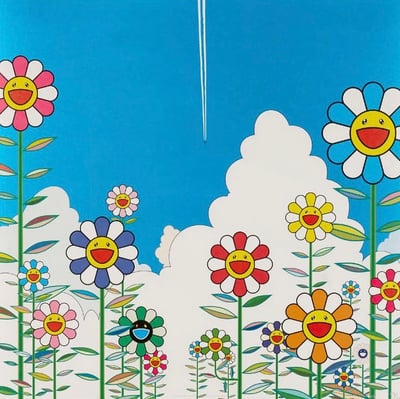
Takashi Murakami
Vapor Trail, 2004
Limited Edition Print
Offset Print
GBP 5,400
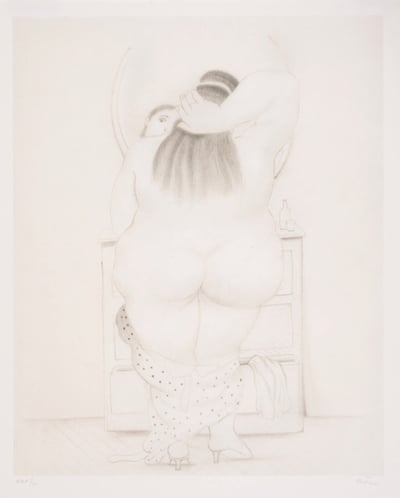
Fernando Botero
Dessins et Aquarelles: one plate, 1984
Limited Edition Print
Offset Print
USD 8,500
Related Articles

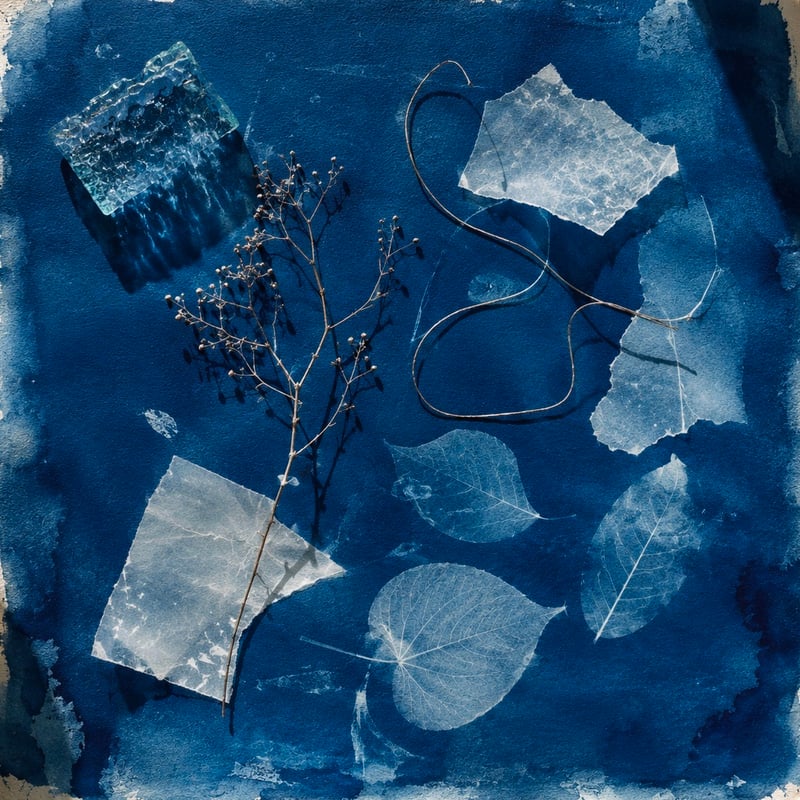
Cyanotype is a photographic technique that creates images in shades of blue, commonly known as blueprints. It involves coating a surface with a mixture of two chemicals, typically ferric ammonium citrate and potassium ferricyanide. When exposed to UV light and then washed in water, the process produces white images on a deep blue background.
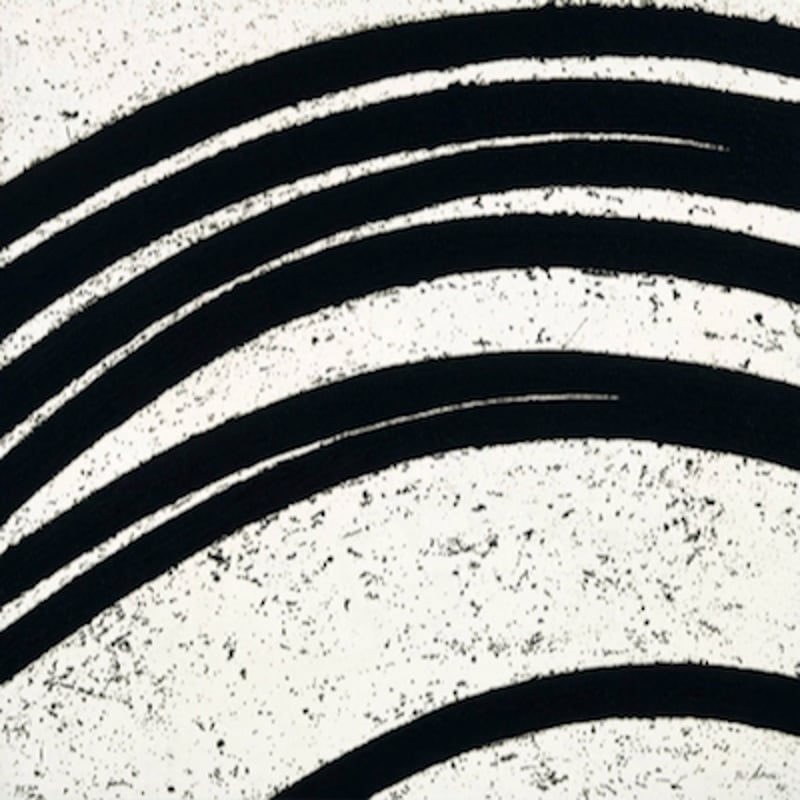
Postminimalism refers to a range of art styles that emerged in the 1960s, following the Minimalism movement. While Minimalism focused on simplicity and impersonality, Postminimalist artists retained some elements of Minimalism but also explored greater expressiveness, experimenting with new materials and techniques. This movement includes various forms of art such as conceptual art, body art, performance art, process art, and site-specific works. Postminimalism represents a shift toward more personal, tactile, and process-oriented approaches to art-making.

Provenance refers to the chronology of ownership, location, or custody of an artwork. Tracing an object's provenance helps establish its authenticity and historical context by documenting its ownership history, storage locations, and custody over time. This process often involves expert opinions, comparative analysis, and scientific testing to provide evidence of the artwork’s origin and history.
Can't find your Answer?
Thank you! Your question has been sent — we'll get back to you shortly.
