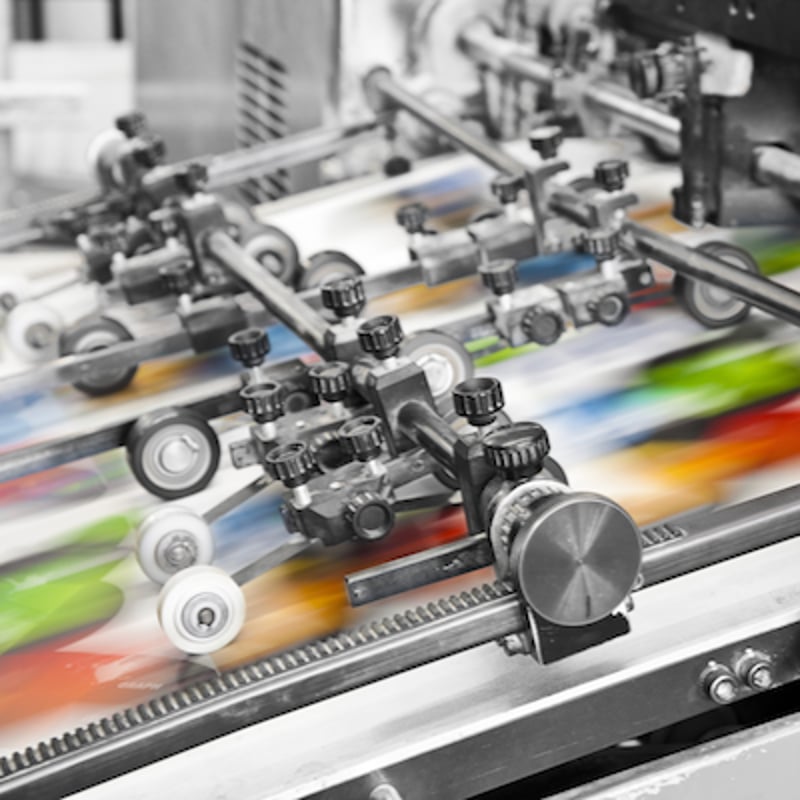
What is Offset printing?
- Show All
- Established
- Discoveries
- Show All
Artworks Related to Offset Print
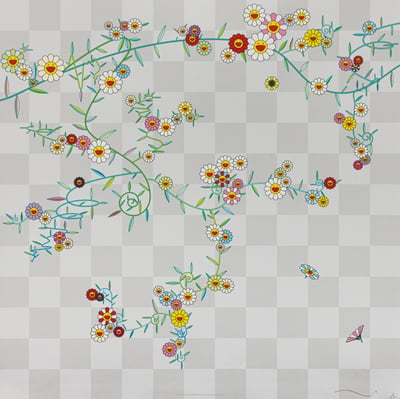
Takashi Murakami
CUBE 2, 2001
Limited Edition Print
Offset Print
GBP 1,950 - 2,500
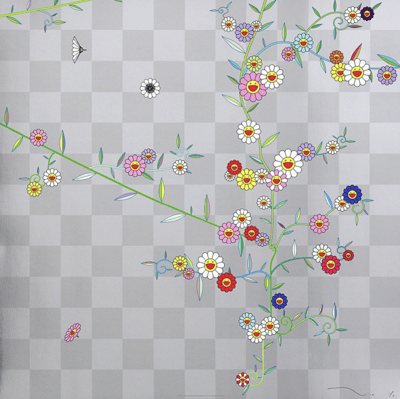
Takashi Murakami
Cosmos, 2000
Limited Edition Print
Offset Print
GBP 1,950 - 2,500
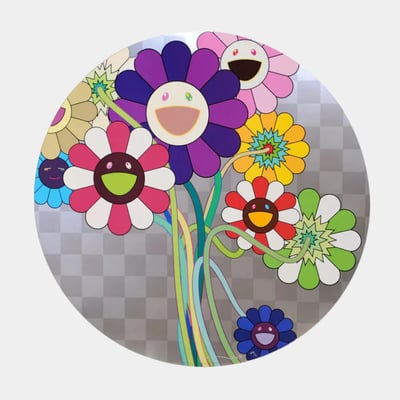
Takashi Murakami
Purple Flowers in a Bouquet, 2010
Limited Edition Print
Offset Print
GBP 1,950 - 2,500
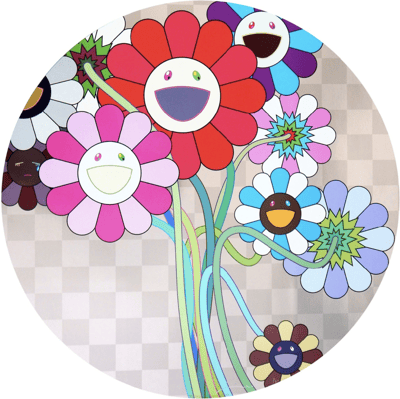
Takashi Murakami
Warhol/Silver, 2009
Limited Edition Print
Offset Print
GBP 2,340
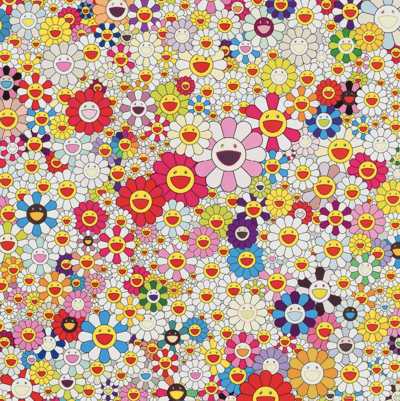
Takashi Murakami
Flowers in Heaven, 2010
Limited Edition Print
Offset Print
GBP 2,500 - 3,200
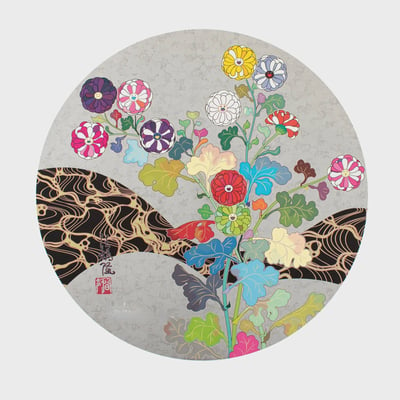
Takashi Murakami
Korin: The Land Beyond Death, Bathed in Light, 2022
Limited Edition Print
Offset Print
GBP 2,350
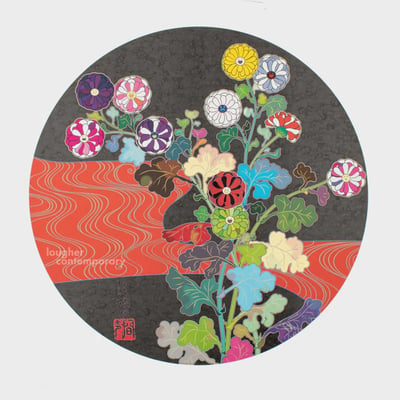
Takashi Murakami
Flowers Blooming in the Isle of the Dead, 2022
Limited Edition Print
Offset Print
GBP 1,950 - 2,500
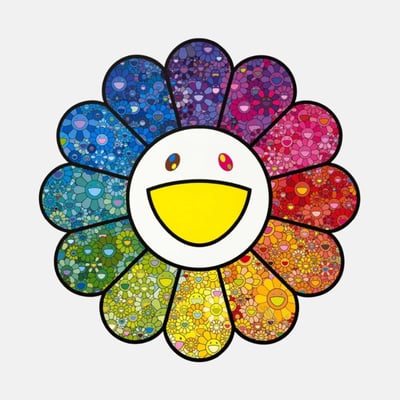
Takashi Murakami
Flower Sparkles!, 2024
Limited Edition Print
Offset Print
GBP 1,850
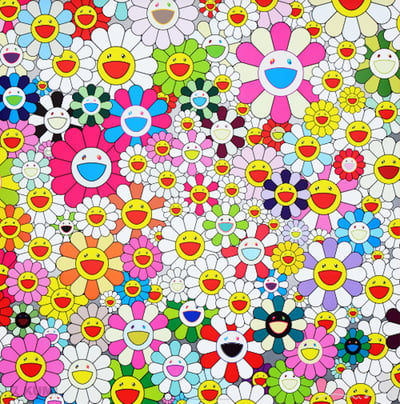
Takashi Murakami
Maiden in The Yellow Straw Hat, 2010
Limited Edition Print
Offset Print
GBP 2,750 - 3,500
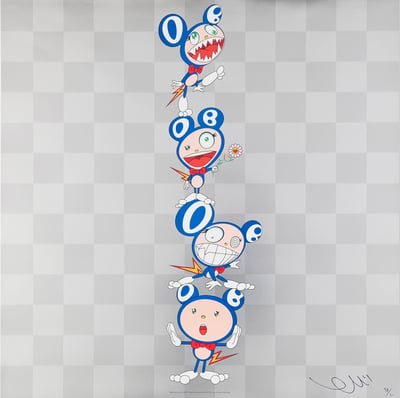
Takashi Murakami
DOB totem pole, 2000
Limited Edition Print
Offset Print
USD 1,400
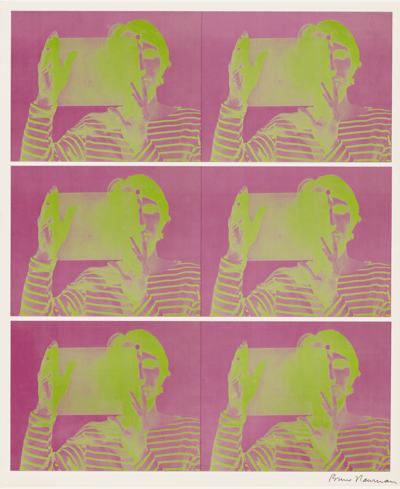
Bruce Nauman
Sequence, 1968
Limited Edition Print
Offset Print
EUR 2,700
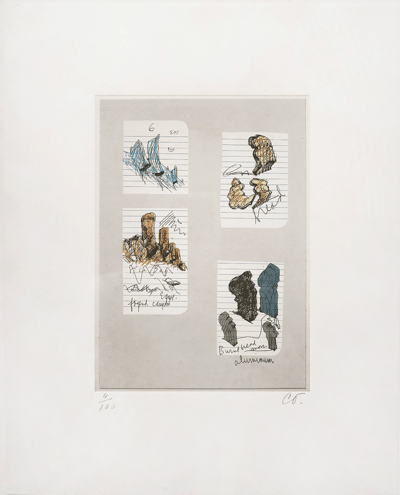
Claes Oldenburg
Notes in Hand, from the Notes in Hand Portfolio, 1972
Limited Edition Print
Offset Print
EUR 2,000
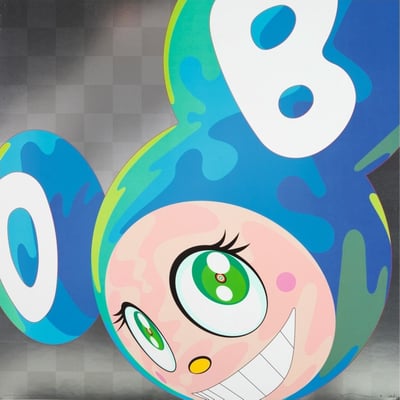
Takashi Murakami
Melting DOB (A), 2008
Limited Edition Print
Offset Print
EUR 3,000
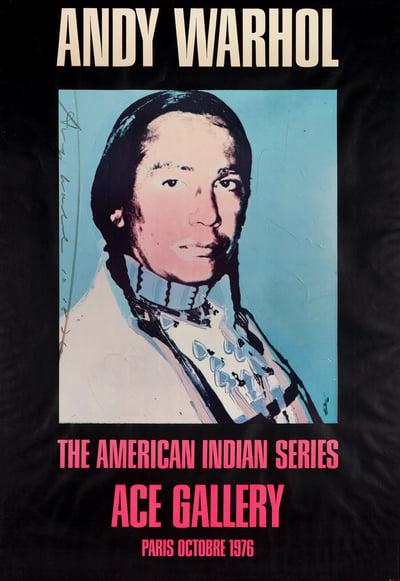
Andy Warhol
American Indian (Black), 1976
Limited Edition Print
Offset Print
USD 2,400
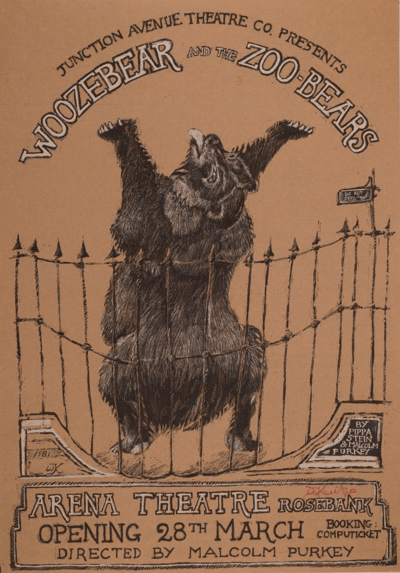
William Kentridge
Woozebear and the Zoo-Bears, 1981
Limited Edition Print
Offset Print
EUR 9,500
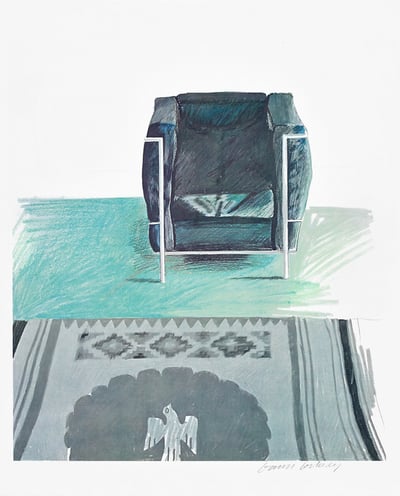
David Hockney
Corbusier Chair and Rug, 1969
Limited Edition Print
Offset Print
GBP 12,500 - 16,200
Related Articles
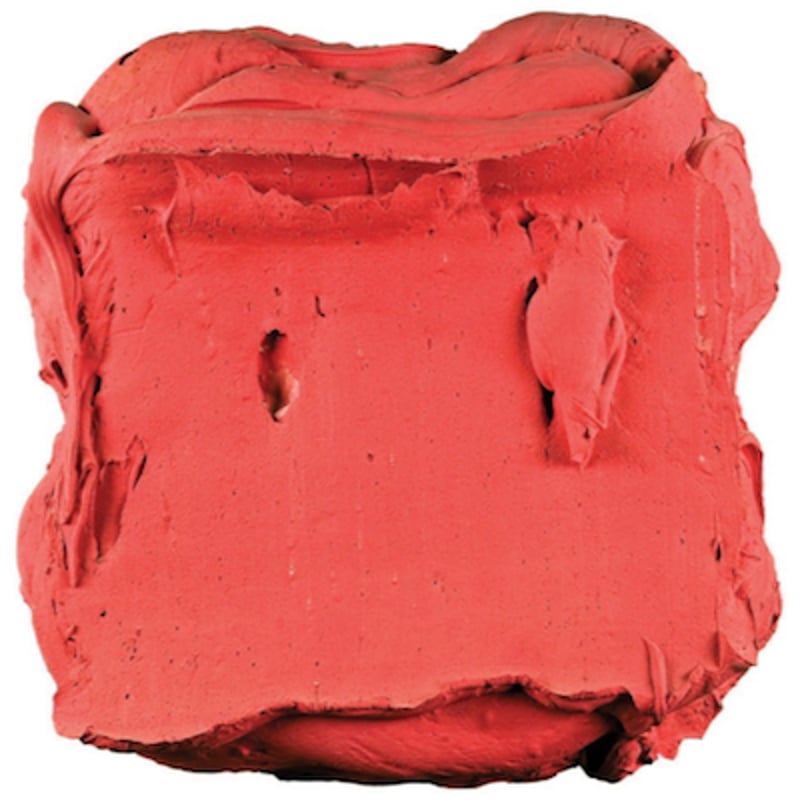
Matter painting is a technique that involves blending thick impasto paints with materials like cement, mud, sand, or shells. The term first emerged in the 1950s to describe the works of Belgian and Dutch painters who explored the physical properties of painting materials and the different ways paint could be manipulated. This approach emphasizes texture and the tactile qualities of the surface, creating a sculptural effect on the canvas.

Colour Field Painting is an abstract style characterized by large areas of a single color or simple, solid colors. The term was first used in the 1950s to describe the work of three American Abstract Expressionist painters—Barnett Newman, Mark Rothko, and Clyfford Still. Their work emphasized the emotional power of color and the creation of vast, meditative spaces through expansive color fields.
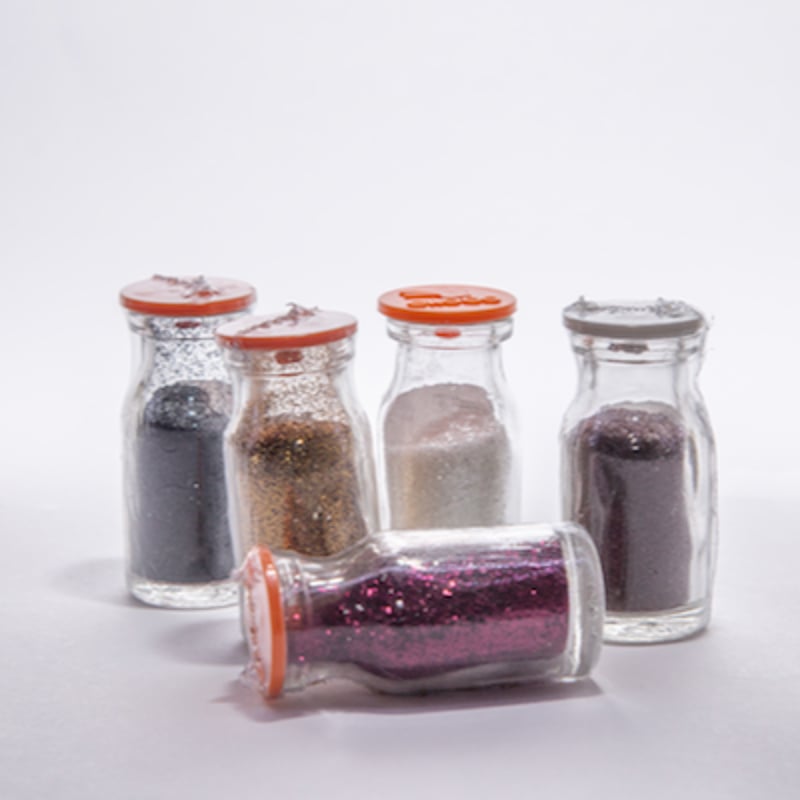
Carborundum is the trademark name for silicon carbide crystals, an abrasive material commonly used in sandpaper, cutting tools, and grinding wheels. Originally, artists used carborundum for grinding lithography stones. In collagraph printmaking, it is applied to plates to create texture and tone gradients, adding depth and contrast to the prints.
Can't find your Answer?
Thank you! Your question has been sent — we'll get back to you shortly.
