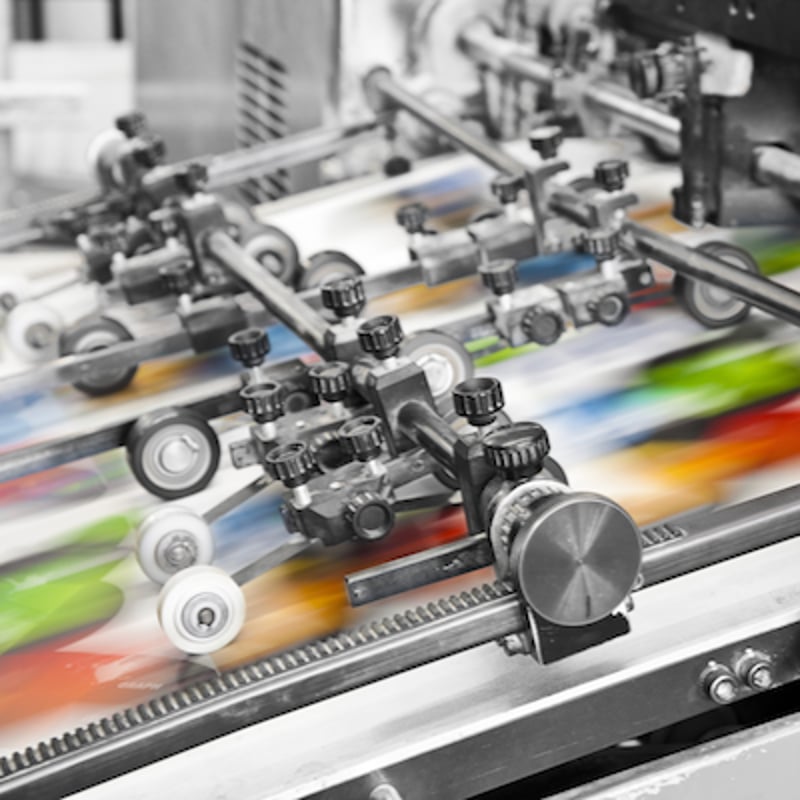
What is Offset printing?
Offset lithography is a printing technique where the inked image is first transferred (offset) from a plate to a rubber blanket and then to the printing surface. This method combines the lithographic process, which relies on the repulsion of water and oil, to keep non-printing areas ink-free by attracting a water-based film. Offset lithography was originally developed to reduce costs in reproducing artwork and is widely used for high-volume printing due to its efficiency and ability to produce sharp, consistent images.
Show All
- Show All
- Established
- Discoveries
Show All
- Show All
Artworks Related to Offset Print

Massimo Vitali
Landscapes with figures (13)
Limited Edition Print
Offset Print
USD 13,000
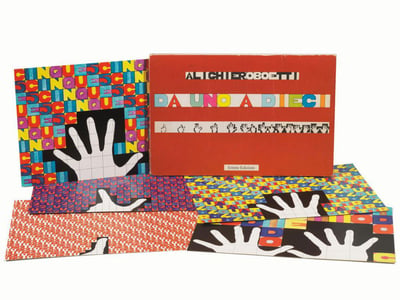
Alighiero Boetti
Da uno a dieci, 1980
Limited Edition Print
Offset Print
Currently Not Available
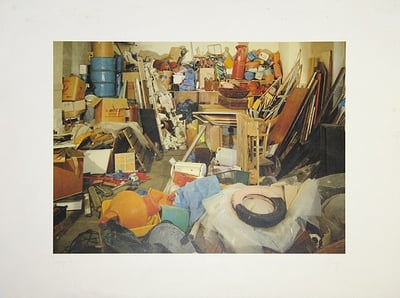
Tony Cragg
Landscape
Limited Edition Print
Offset Print
Currently Not Available

Rita McBride
BINGO, 2014
Limited Edition Print
Offset Print
EUR 7,000
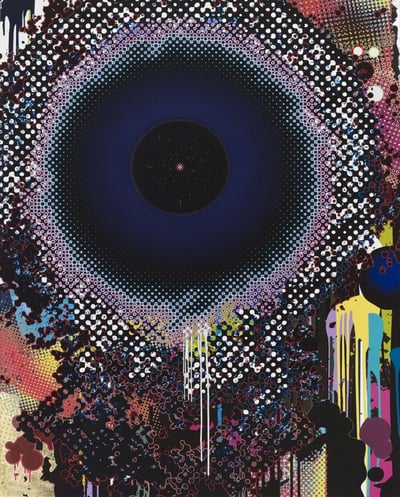
Takashi Murakami
Warp, 2009
Limited Edition Print
Offset Print
EUR 1,500
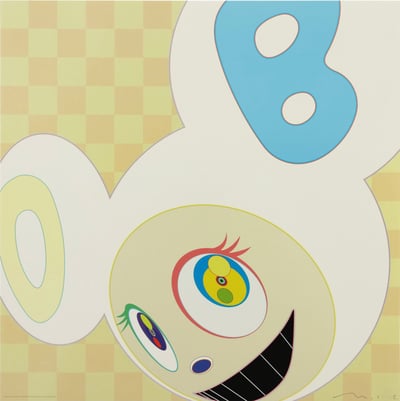
Takashi Murakami
White Reverse Dob, 2006
Limited Edition Print
Offset Print
EUR 2,000
Related Articles
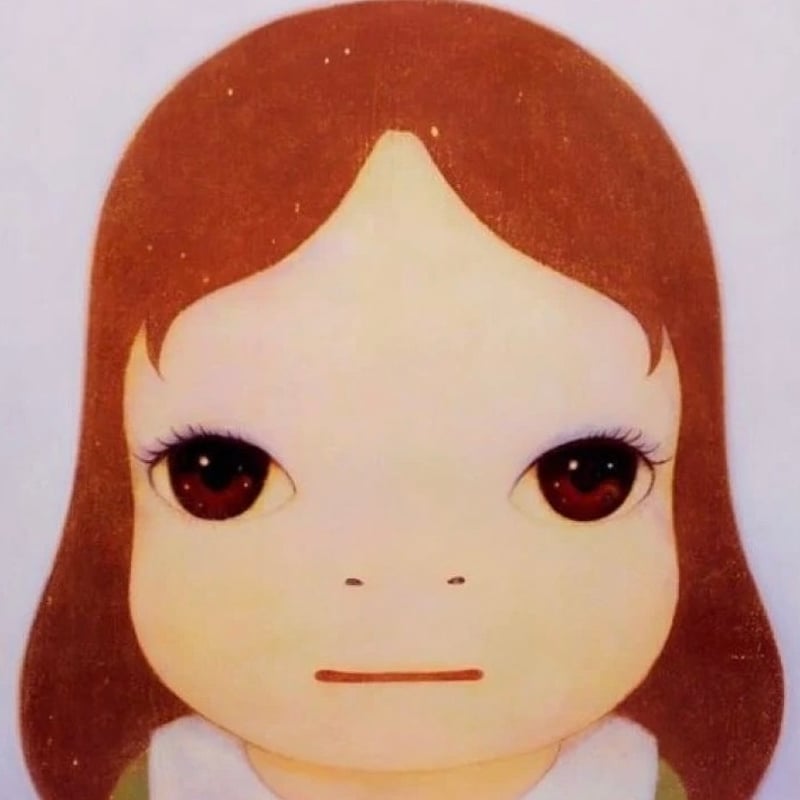



Art Informel is a French term referring to the gestural and improvisational techniques common in abstract painting during the 1940s and 50s. It encompasses various styles that dominated these decades, characterized by informal, spontaneous methods. Artists used this term to describe approaches that moved away from traditional structures and embraced more expressive, unstructured techniques.
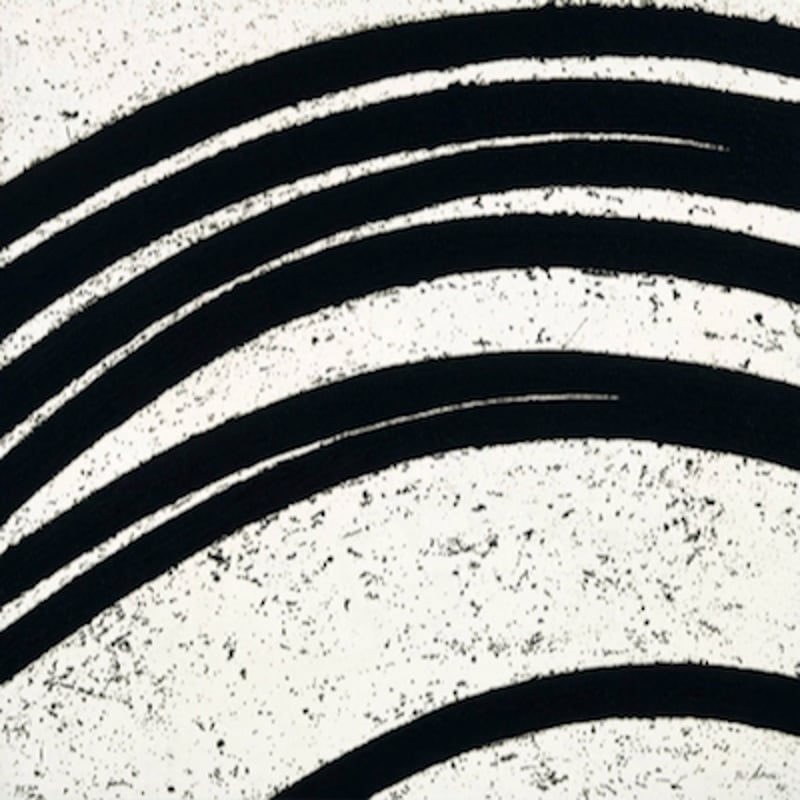
Postminimalism refers to a range of art styles that emerged in the 1960s, following the Minimalism movement. While Minimalism focused on simplicity and impersonality, Postminimalist artists retained some elements of Minimalism but also explored greater expressiveness, experimenting with new materials and techniques. This movement includes various forms of art such as conceptual art, body art, performance art, process art, and site-specific works. Postminimalism represents a shift toward more personal, tactile, and process-oriented approaches to art-making.

Mezzotint is a printmaking technique in which a copper or steel plate is roughened to produce a solid black print. The artist smooths specific areas of the plate to create a range of tones, from deep blacks to delicate grays and whites. By varying the degree of smoothing, the artist can achieve detailed gradations of light and shadow, resulting in prints with rich, velvety textures and subtle transitions between light and dark.
Can't find your Answer?
Thank you! Your question has been sent — we'll get back to you shortly.
