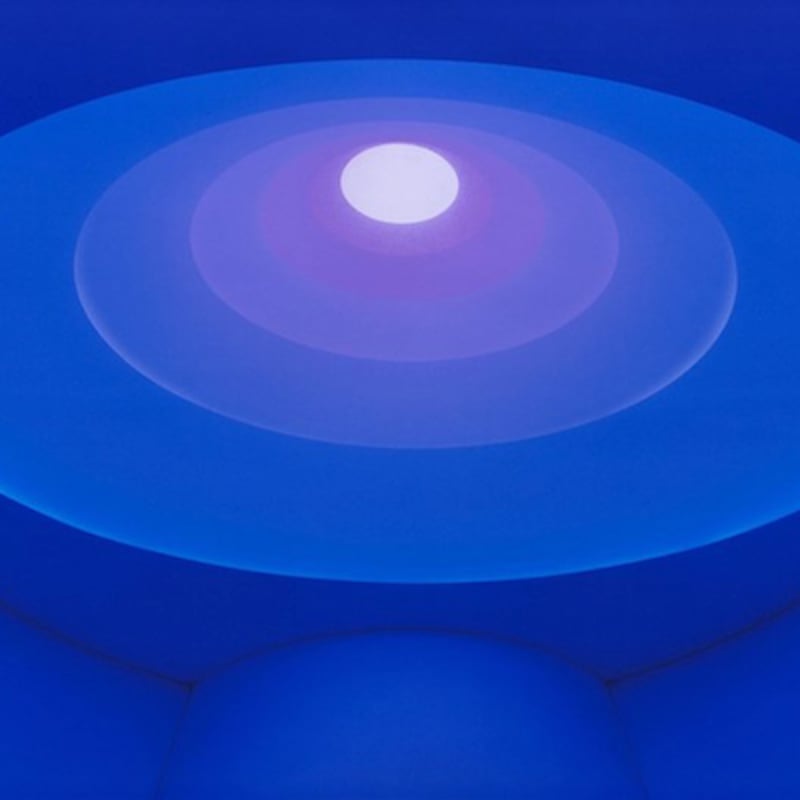
What is ‘light and space’?
- Show All
- Established
- Discoveries
- Show All
Artworks Related to Light and Space

Massimo Bartolini
Dust Chaser 2, 2014
Limited Edition Print
Etching
EUR 1,300

Massimo Bartolini
Dust Chaser 1, 2014
Limited Edition Print
Etching
EUR 1,300
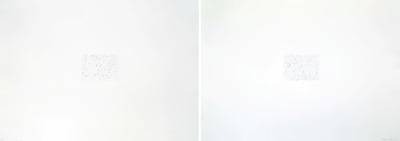
Massimo Bartolini
Dust Chaser, 2014
Limited Edition Print
Etching
EUR 1,800
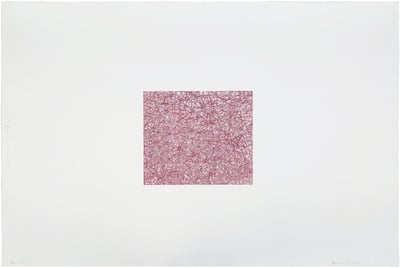
Massimo Bartolini
145 hours, 2014
Limited Edition Print
Etching
EUR 1,300
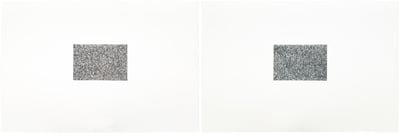
Massimo Bartolini
287 hours, 2014
Limited Edition Print
Etching
EUR 1,800
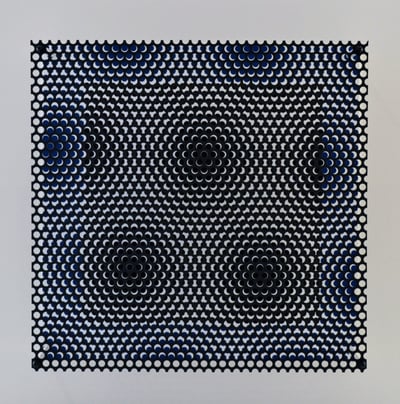
Antonio Asis
Vibration Carré Noir et Bleu, 2012
Sculpture / Object
Mixed Media
EUR 3,000
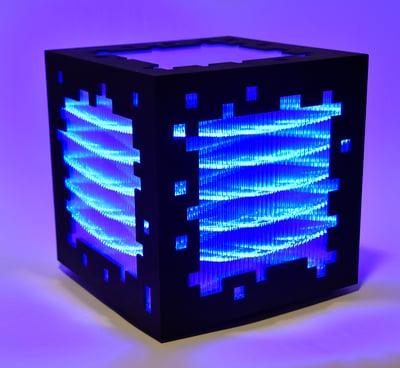
Miguel Chevalier
mini voxels light blue, 2015
Sculpture / Object
Mixed Media
EUR 4,500
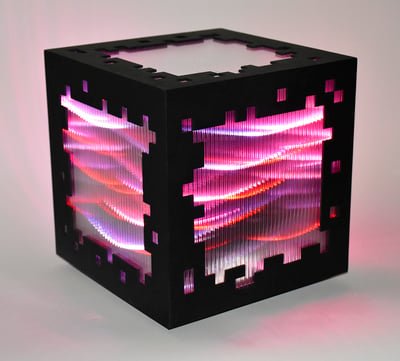
Miguel Chevalier
Mini voxels light red, 2015
Sculpture / Object
Mixed Media
EUR 4,500
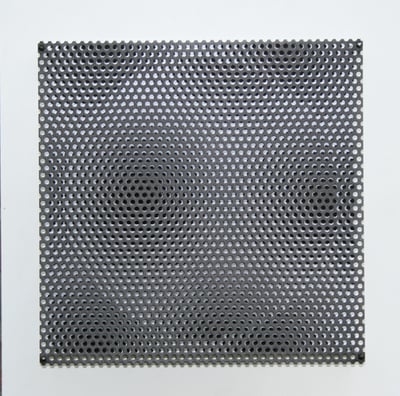
Antonio Asis
vibration grand cercle, 2010
Sculpture / Object
Mixed Media
EUR 3,000
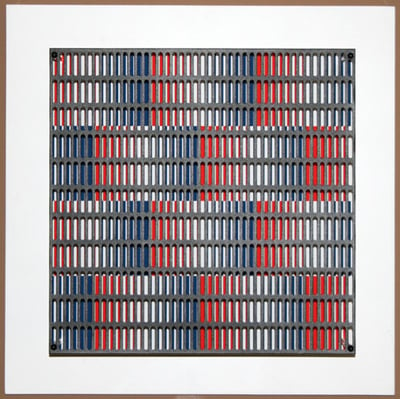
Antonio Asis
vibration bandes bleus et rouges, 2010
Sculpture / Object
Mixed Media
EUR 3,000
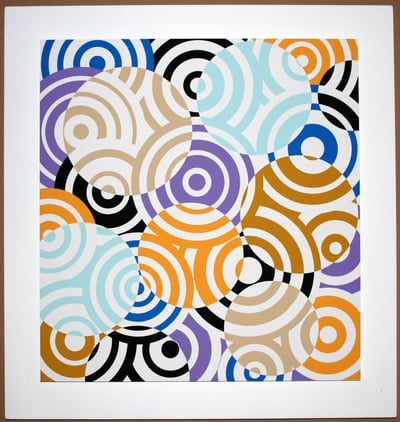
Antonio Asis
interferences cercles de couleurs, 2010
Limited Edition Print
Mixed Media
EUR 2,200
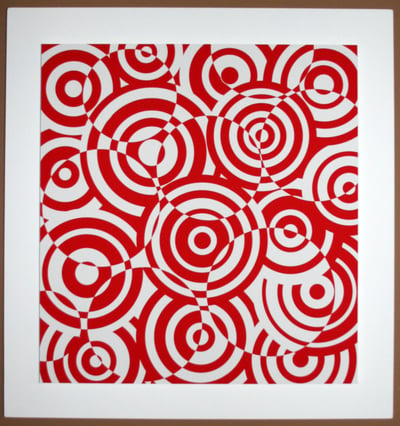
Antonio Asis
interferences cercles rouge et blanc, 2010
Limited Edition Print
Mixed Media
EUR 2,200
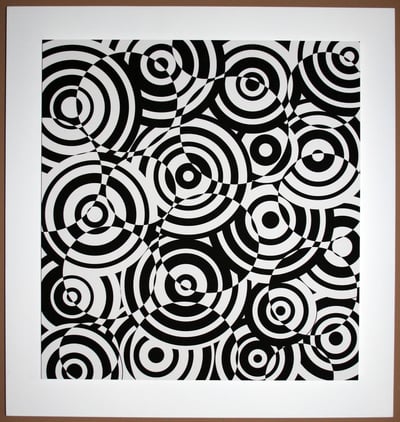
Antonio Asis
interferences cercles noir et blanc, 2010
Limited Edition Print
Mixed Media
EUR 2,200
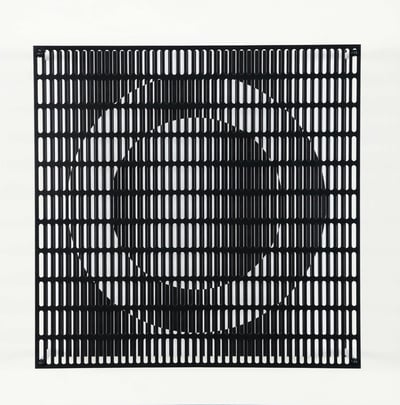
Antonio Asis
vibration cercles noir et blanc, 2010
Sculpture / Object
Mixed Media
EUR 3,000
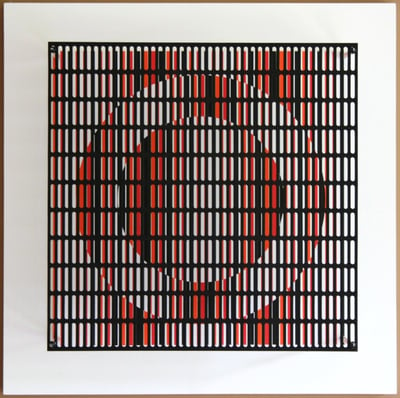
Antonio Asis
vibration cercles noir, orange et rouge, 2010
Sculpture / Object
Mixed Media
EUR 3,000
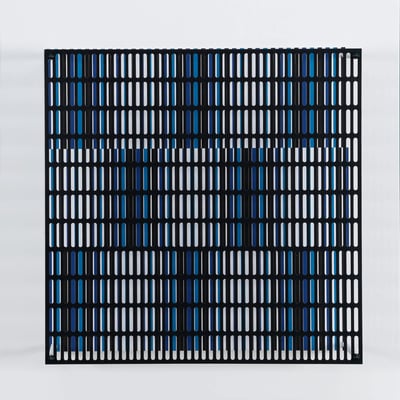
Antonio Asis
Vibration bandes noir, bleu et turquoise, 2010
Sculpture / Object
Mixed Media
EUR 3,000
Related Articles

Photography is the process of creating an image on light sensitive materials. The image is produced by using a camera, which has a lens that focuses on light either reflected or emitted from an object. These visible wavelengths are used to reproduce the image seen.

Serigraph is a printmaking process that uses silk screen techniques to create an image. The image is digitally separated into individual colors, each of which is assigned to a separate silk screen. These screens are then used to apply each color by hand, layer by layer, to replicate the original artwork, often based on an oil painting.

CoBrA stands for Copenhagen, Brussels, and Amsterdam; the group was formed with a desire to break away from the existing art movements of the time. Their critique of Western society led them to experiment and evolve into a significant international movement. CoBrA was founded on November 8, 1948, at the Notre Dame Café in Paris, where its manifesto was signed by Karel Appel, Joseph Noiret, Corneille, Christian Dotremont, Constant, and Asger Jorn. The group was united by a shared commitment to freedom in both form and color, and their work emphasized experimentation and spontaneity.
Can't find your Answer?
Thank you! Your question has been sent — we'll get back to you shortly.
