
What is Hard Edge Art?
- Show All
- Established
- Discoveries
- Show All
Artworks Related to Hard Edge art
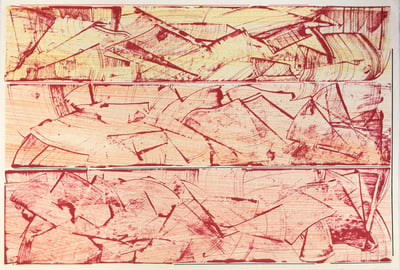
Kenneth Noland
Rey, 1990
Limited Edition Print
Lithograph
USD 1,500
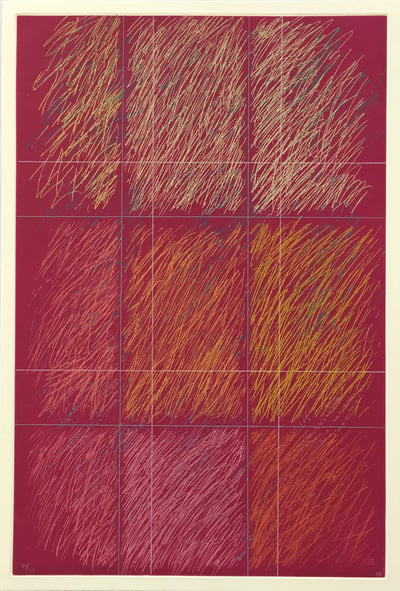
Kenneth Noland
Roy, 1990
Limited Edition Print
Etching and Aquatint
USD 1,500
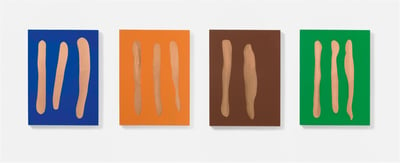
Gunther Forg
Mr. Blue, Mr. Orange, Mr. Brown, Mr. Green, 2002
Limited Edition Print
Mixed Media
EUR 18,500 - 23,000
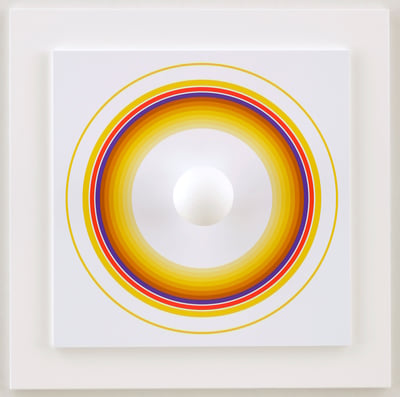
Antonio Asis
Asistype 20 - boule sur cercle, 2016
Sculpture / Object
Monotype
EUR 3,500
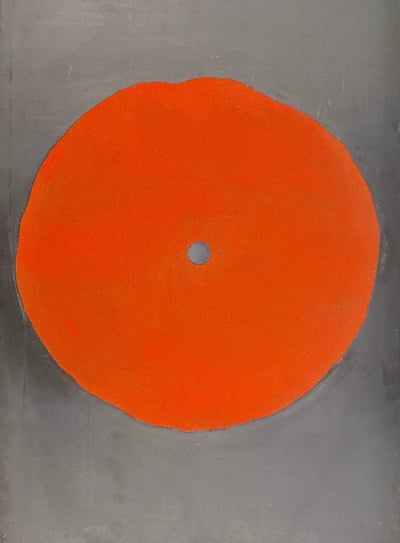
Donald Sultan
Sand Trumpet, 2008
Limited Edition Print
Mixed Media
USD 8,970
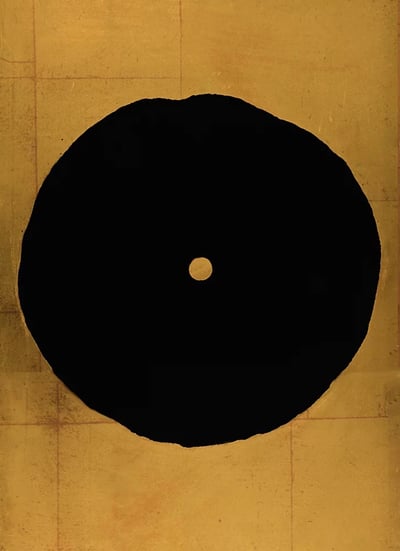
Donald Sultan
Black Trumpet, 2008
Limited Edition Print
Screen-print
EUR 8,500 - 10,000

Joseph Willaert
Interieur met mijn trouwfoto, 1982
Limited Edition Print
Silkscreen
Currently Not Available
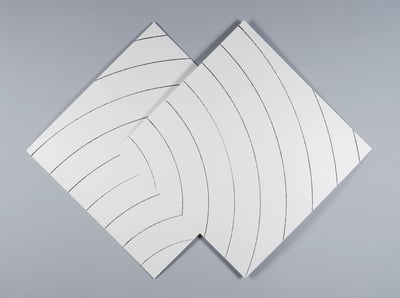
Francois Morellet
Ondes parasites 3, 2014
Limited Edition Print
Screen-print
EUR 2,150
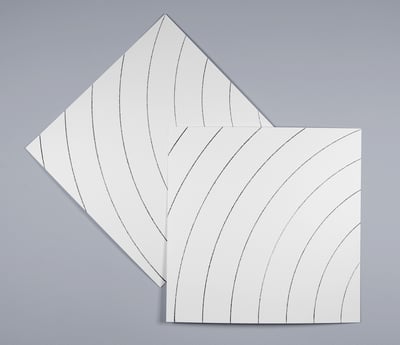
Francois Morellet
Ondes parasites 2, 2014
Limited Edition Print
Screen-print
EUR 2,150
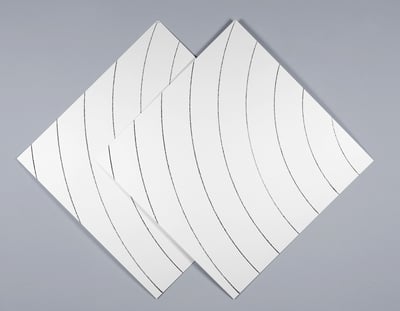
Francois Morellet
Ondes parasites 1, 2014
Limited Edition Print
Screen-print
EUR 2,150
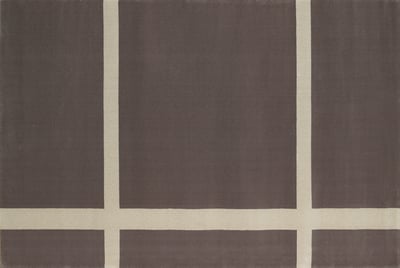
Gunther Forg
Teppich 3, 2006
Tapestry
Tapestry
EUR 7,500
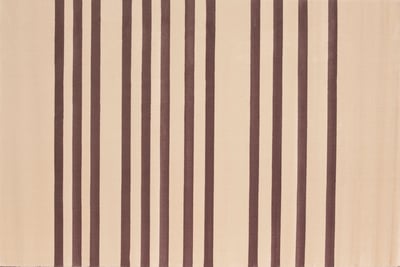
Gunther Forg
Teppich 2, 2006
Tapestry
Tapestry
Currently Not Available
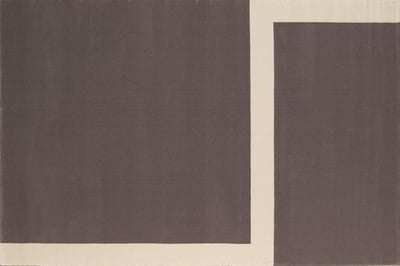
Gunther Forg
Teppich I, 2006
Tapestry
Tapestry
EUR 7,500
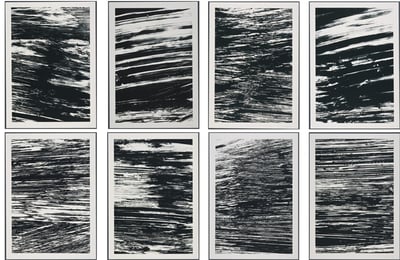
Ellsworth Kelly
States of the River (portfolio of 8), 2005
Limited Edition Print
Lithograph
USD 160,000 - 190,000
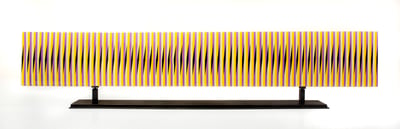
Carlos Cruz-Diez
Stèle horizontale 15, 2013
Sculpture / Object
Ceramic
EUR 12,000
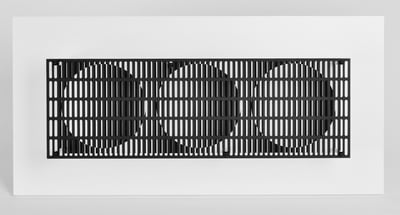
Antonio Asis
3 Cercles noir et blanc, 2014
Sculpture / Object
Mixed Media
EUR 3,000
Related Articles

Contemporary art from India dates from 1985 to the present, marking the post-liberalization era. During this period, artists have felt free to create independently of traditional Hindu or social conventions. They often incorporate distinctly Indian materials and objects in their work, reflecting a blend of modern ideas and cultural heritage.

Multimedia refers to an art technique that combines multiple forms of media, such as visual, audio, and digital elements, into a single composition. This is different from mixed media, which involves combining various traditional art materials within one artwork. Multimedia art often integrates technology, like video, sound, or interactive components, allowing artists to create dynamic and immersive experiences. Artists may develop new personal techniques by blending these diverse media, contributing to their unique artistic style.

Cement refers to a variety of mixtures, typically made from clay, limestone, water, sand, and gravel, which form concrete used in construction. The term to cement also means to join or unite materials. In art, cement can refer to the process of securely gluing or bonding elements together, often used in sculptural work or mixed media.
Can't find your Answer?
Thank you! Your question has been sent — we'll get back to you shortly.
