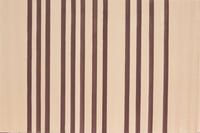
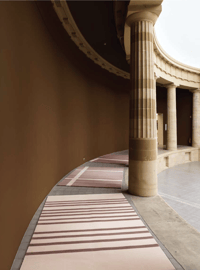
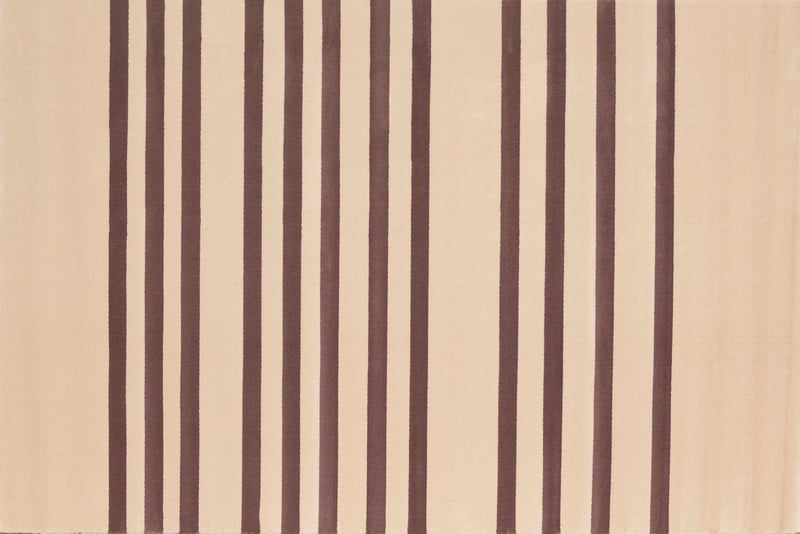
Teppich 2, 2006
Form
Medium
Size
- Inches
- Centimeters
Edition
Price
- Authenticity Guaranteed
- Insured Shipping
- Online Since 2005
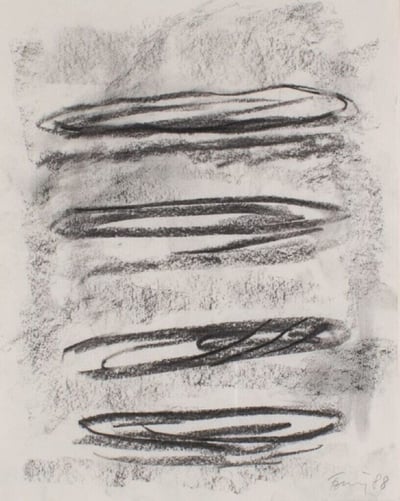
Gunther Forg
Untitled, 1988
Drawing / Watercolor
Charcoal
Inquire For Price
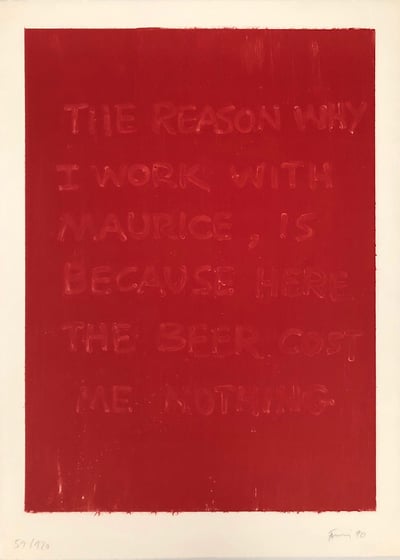
Gunther Forg
The Reason Why I Work With Maurice, is Because Here the Beer Cost Me Nothing, 1990
Limited Edition Print
Lithograph
USD 6,000
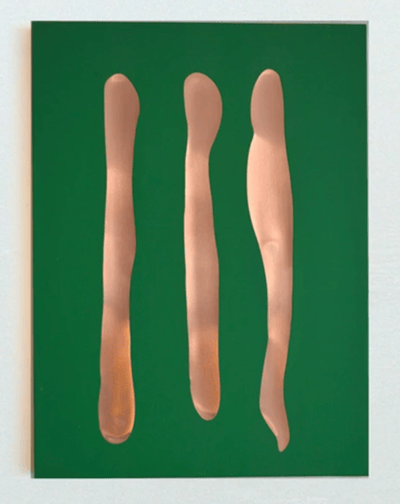
Gunther Forg
Mr Green, 2002
Limited Edition Print
Mixed Media
EUR 4,500 – 7,000
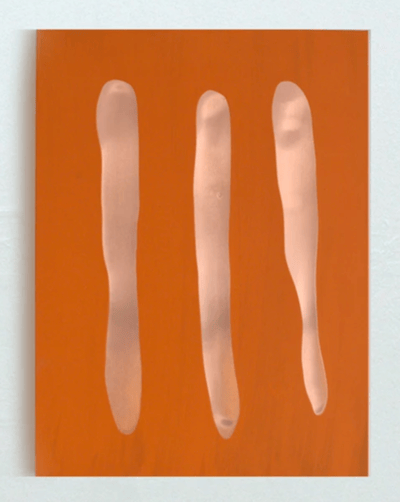
Gunther Forg
Mr Orange, 2002
Limited Edition Print
Mixed Media
EUR 4,500 – 7,000
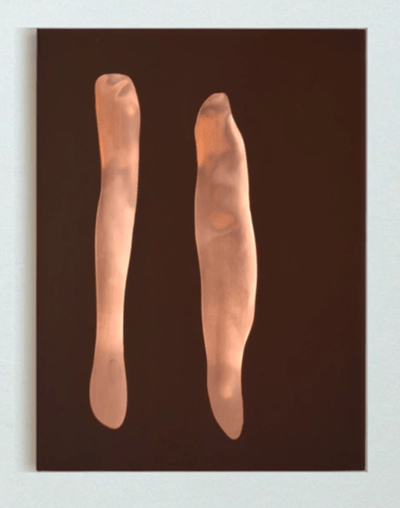
Gunther Forg
Mr Brown, 2002
Limited Edition Print
Mixed Media
EUR 4,500 – 7,000
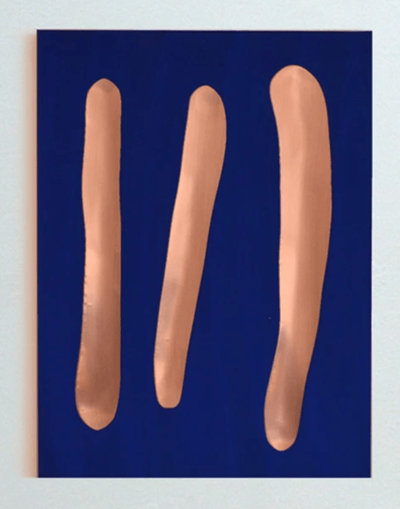
Gunther Forg
Mr Blue, 2002
Limited Edition Print
Mixed Media
EUR 4,500 – 7,000
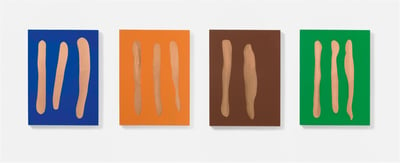
Gunther Forg
Mr. Blue, Mr. Orange, Mr. Brown, Mr. Green, 2002
Limited Edition Print
Mixed Media
EUR 18,500 – 23,000
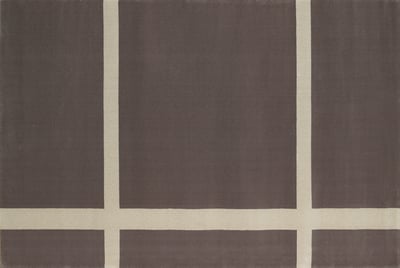
Gunther Forg
Teppich 3, 2006
Tapestry
Tapestry
EUR 7,500
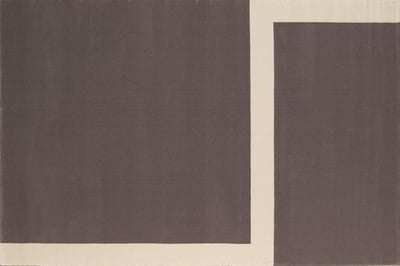
Gunther Forg
Teppich I, 2006
Tapestry
Tapestry
EUR 7,500
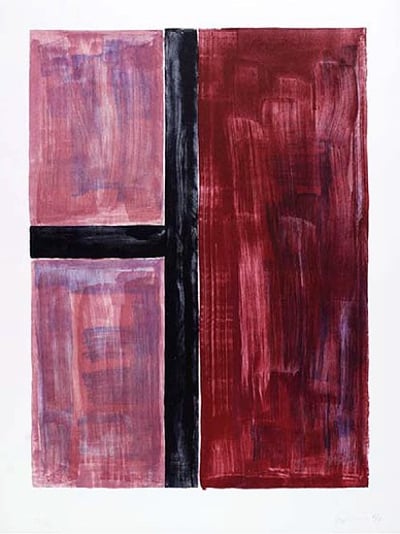
Gunther Forg
Ohne Titel (red squares), 2004
Limited Edition Print
Lithograph
EUR 1,600
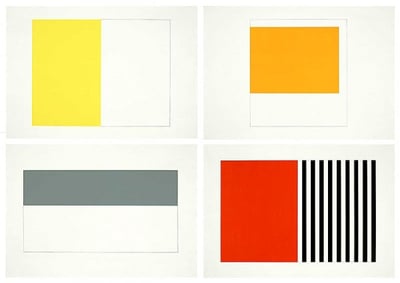
Gunther Forg
Wandmalereien Bern
Limited Edition Print
Silkscreen
Currently Not Available
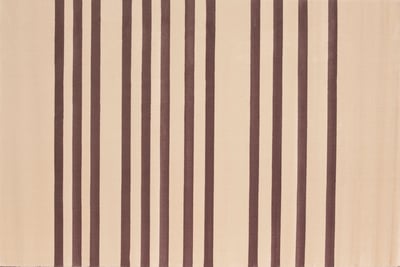
Gunther Forg
Teppich 2, 2006
Tapestry
Tapestry
Currently Not Available
Related Artists
Related Articles
Popular, Collecting - May 6, 2026
Edition Numbers and Print Value: What Really Matters
Edition size—not number—drives print value. Learn how scarcity, condition, provenance, and artist demand shape prices in modern printmaking.Read More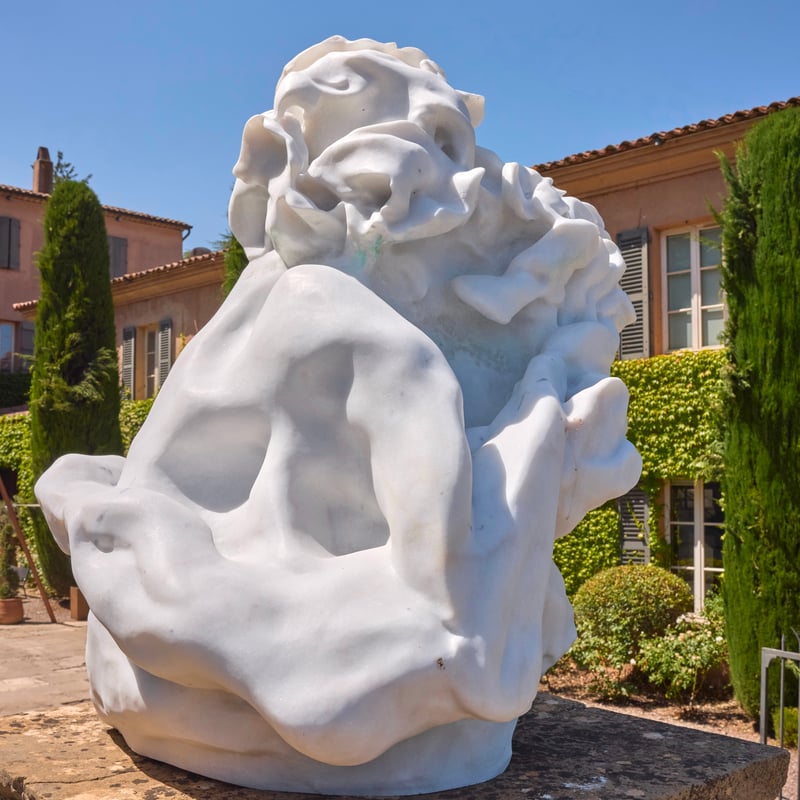
Popular, News, Artists, Collecting - August 12, 2026
In Minor Keys: Finding Intimacy and Identity at the 61st Venice Biennale — and in Your Collection
Explore how Koyo Kouoh’s 61st Venice Biennale vision, In Minor Keys, is shifting contemporary collecting toward quiet introspection, memory, and personal identity.Read More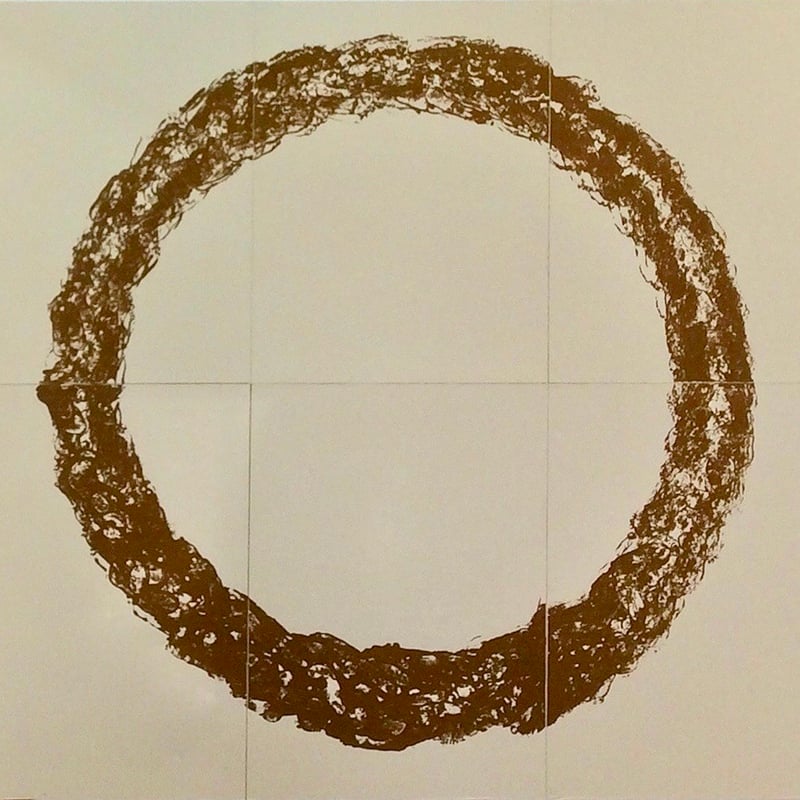
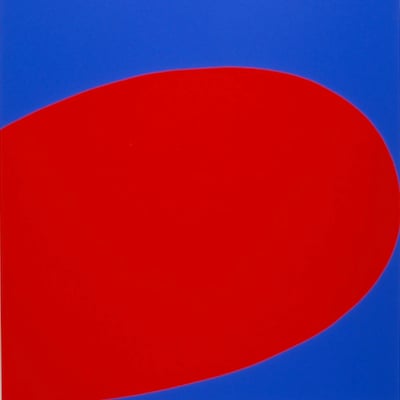
What is Colour Field Painting?
Colour Field Painting is an abstract style characterized by large areas of a single color or simple, solid colors. The term was first used in the 1950s to describe the work of three American Abstract Expressionist painters—Barnett Newman, Mark Rothko, and Clyfford Still. Their work emphasized the emotional power of color and the creation of vast, meditative spaces through expansive color fields.
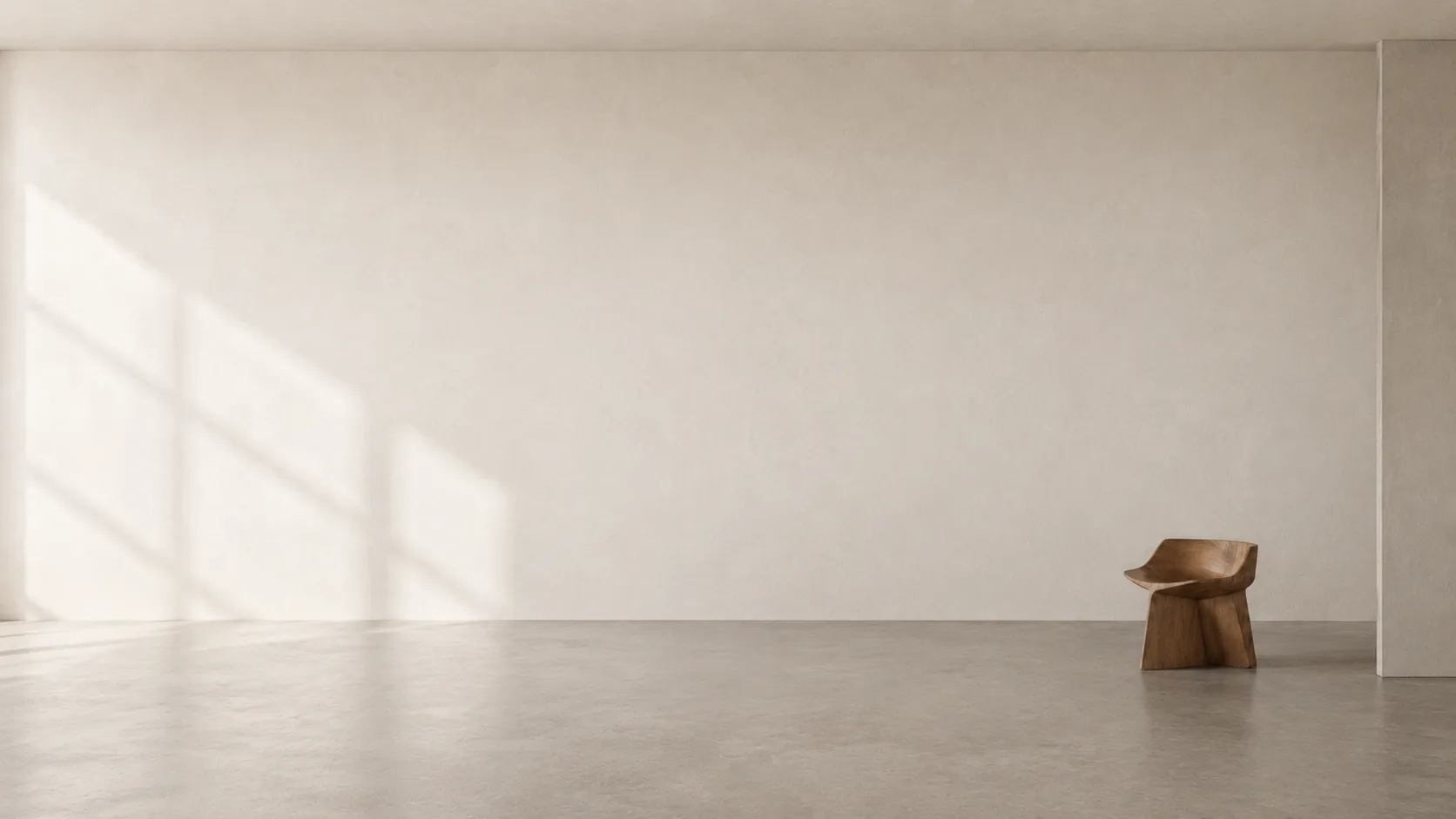
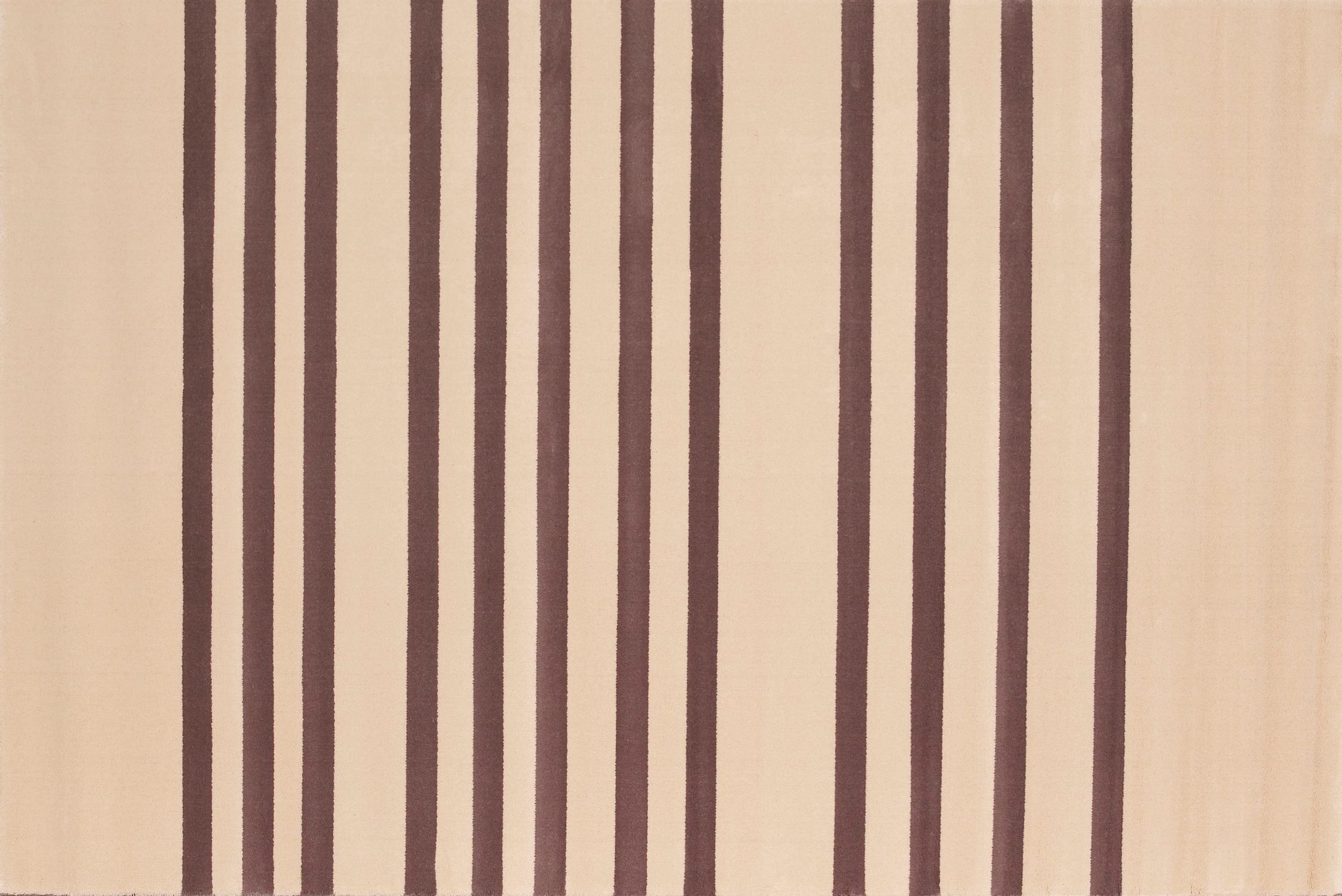
Gunther Forg
Teppich 2, 2006
200 x 300 cm


