
What is Hard Edge Art?
- Show All
- Established
- Discoveries
- Show All
Artworks Related to Hard Edge art
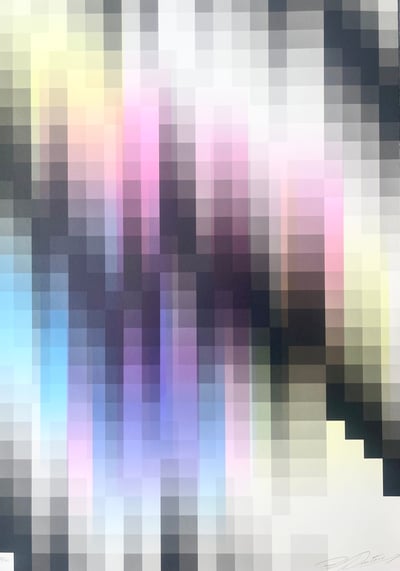
Felipe Pantone
Digital Glazing P, 2025
Limited Edition Print
Digital Print on paper
EUR 1,200
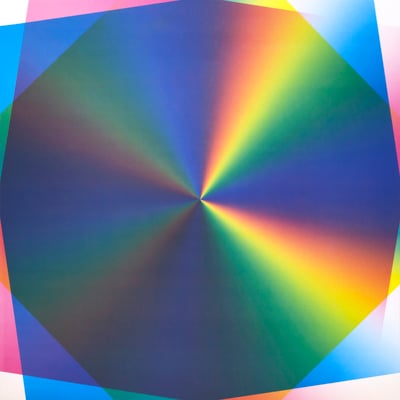
Felipe Pantone
Substractive Variability series 2 – print 5, 2022
Limited Edition Print
Lithograph
EUR 1,500
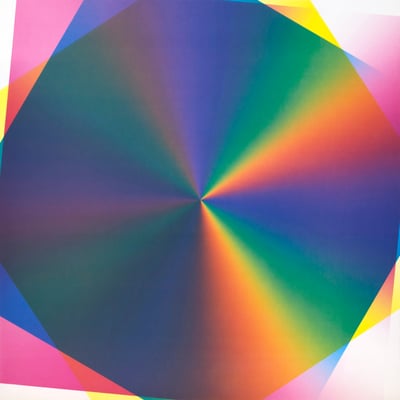
Felipe Pantone
Substractive Variability series 2 – print 4, 2022
Limited Edition Print
Lithograph
EUR 1,500
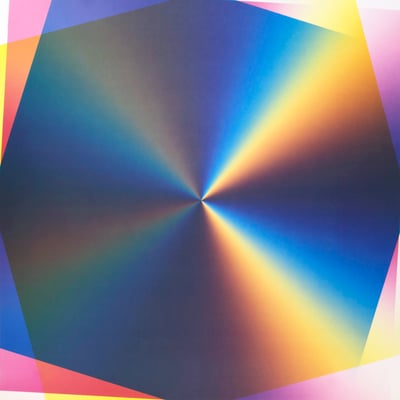
Felipe Pantone
Substractive Variability series 2 – print 3, 2022
Limited Edition Print
Lithograph
EUR 1,500
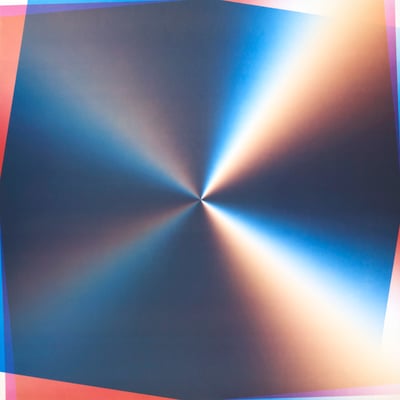
Felipe Pantone
Substractive Variability series 2 – print 2, 2022
Limited Edition Print
Lithograph
EUR 1,500
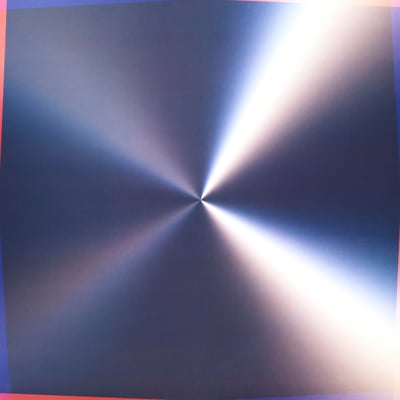
Felipe Pantone
Substractive Variability series 2 – print 1, 2022
Limited Edition Print
Lithograph
EUR 1,500
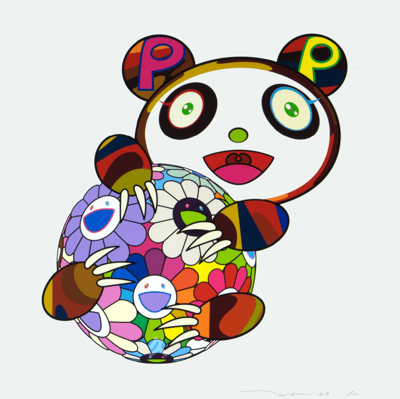
Takashi Murakami
A Panda Cub Hugging a Ball of Flowers, 2020
Limited Edition Print
Silkscreen
GBP 2,950
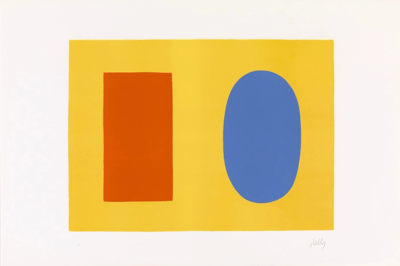
Ellsworth Kelly
Orange and Blue over Yellow, 1964-65
Limited Edition Print
Lithograph
USD 20,000 - 25,000
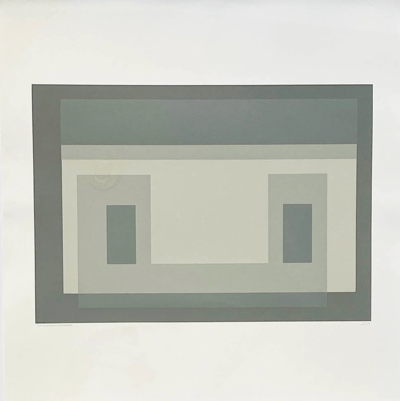
Josef Albers
Variants-III (from the Ten Variants Series), 1966
Limited Edition Print
Screen-print
Inquire For Price
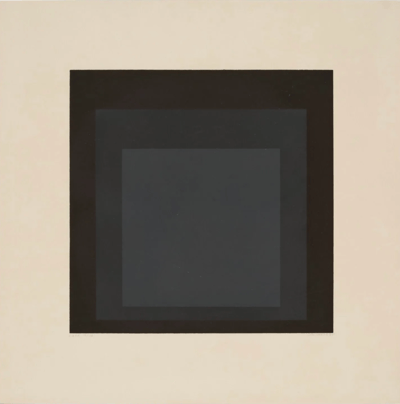
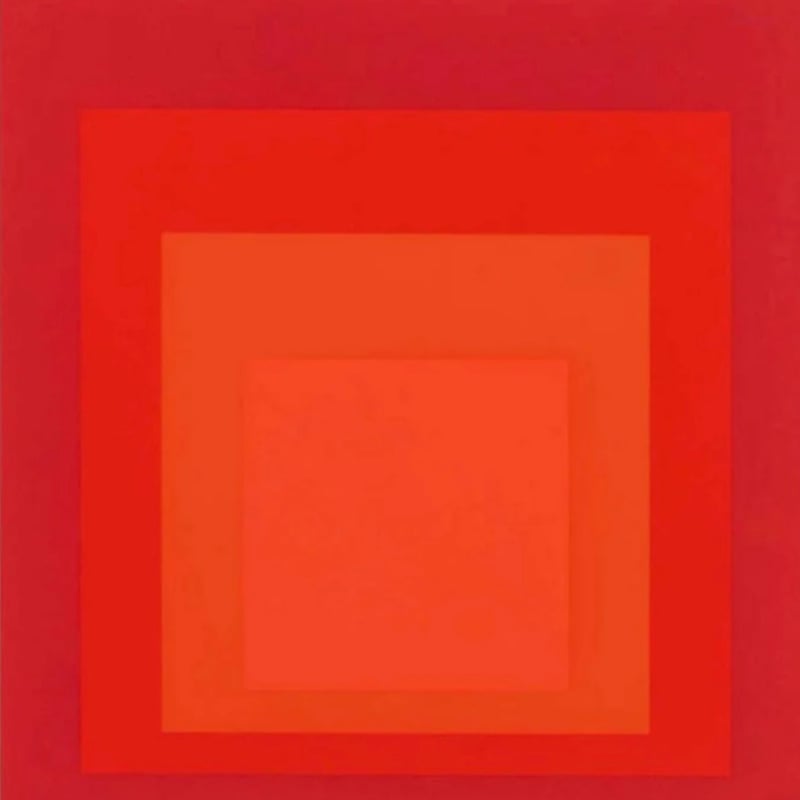
Josef Albers
Late, from Soft Edge-Hard Edge, 1965
Limited Edition Print
Screen-print
USD 10,000 - 15,000

Robert Indiana
AMOR, 1994
Limited Edition Print
Etching and Aquatint
USD 21,000
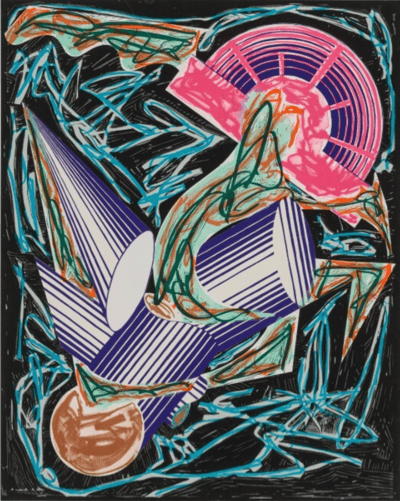
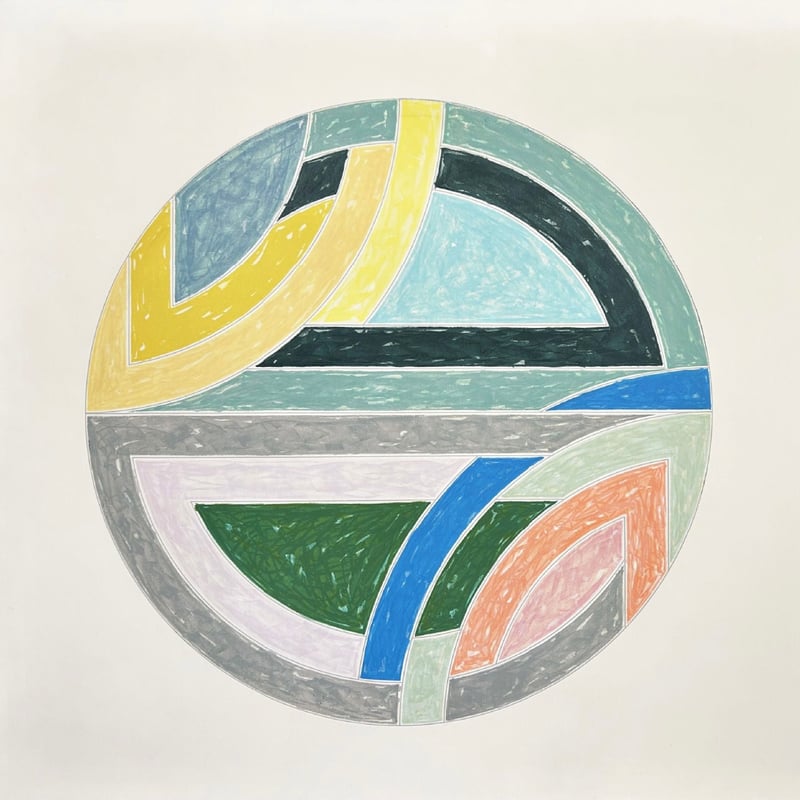
Frank Stella
Had Gadya: Front Cover, from Illustrations after El Lissitzky's Had Gadya, 1984
Limited Edition Print
Collage
USD 19,850
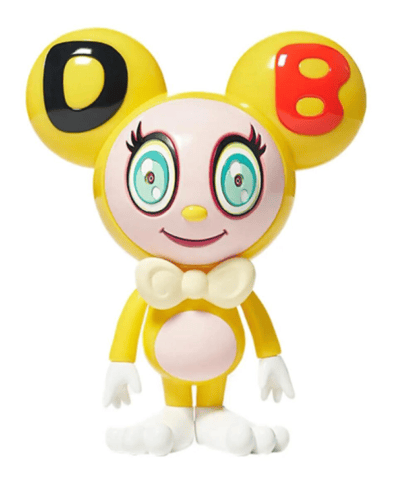
Takashi Murakami
Untitled - yellow, 2020
Sculpture / Object
Mixed Media
Inquire For Price
Takashi Murakami
Untitled - multi, 2020
Sculpture / Object
Mixed Media
Inquire For Price

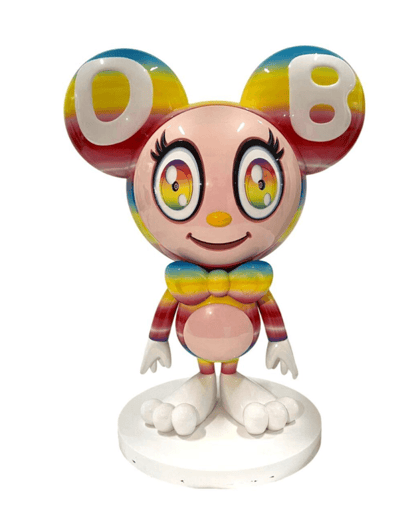
Takashi Murakami
Untitled (Mr DOB), 2020
Sculpture / Object
Mixed Media
Inquire For Price

Takashi Murakami
Untitled - magenta, 2020
Sculpture / Object
Mixed Media
Inquire For Price
Related Articles

Wood is one of the most ancient and versatile materials used in creating art. It has served as a base for paintings, brush handles, pens, and pencils, as well as for easels, wood engraving, woodcut, woodblock printing, and sculpting. Various types of wood, such as oak, maple, and pine, are commonly used in these artistic applications.

Pixel Art is a form of digital art created by placing individual pixels, similar to assembling a mosaic where each small piece contributes to a larger image. The style is often associated with nostalgia, as it draws on the techniques used in early video game graphics. Pixel art has seen a resurgence in popularity, both as a nod to retro aesthetics and as a distinct artistic style in modern digital art.

New Topographics is a term coined in 1975 by curator William Jenkins to describe a group of photographers whose work focused on formal black-and-white images of urban and industrial landscapes. Jenkins initially described their aesthetic as banal, but the photographers themselves argued that their compositions were as significant as those of natural landscapes, emphasizing the beauty in everyday, man-made environments.
Can't find your Answer?
Thank you! Your question has been sent — we'll get back to you shortly.
