
What is Hard Edge Art?
- Show All
- Established
- Discoveries
- Show All
Artworks Related to Hard Edge art

Donald Sultan
Mimosa with Green, Jan 25, 2023, 2023
Limited Edition Print
Archival Print
USD 4,200

Donald Sultan
Red and Yellow Poppies, 2023
Sculpture / Object
Mixed Media
USD 15,450

Donald Sultan
Blue and Yellow Poppies, 2023
Sculpture / Object
Mixed Media
USD 15,450
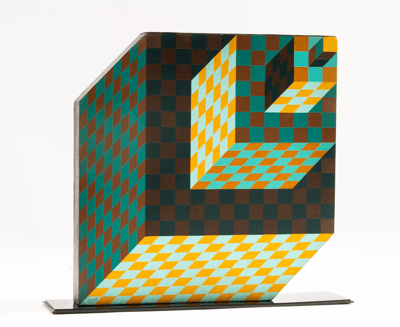
Victor Vasarely
Felhoe (Benavides 1876), 1989
Sculpture / Object
Mixed Media
Currently Not Available
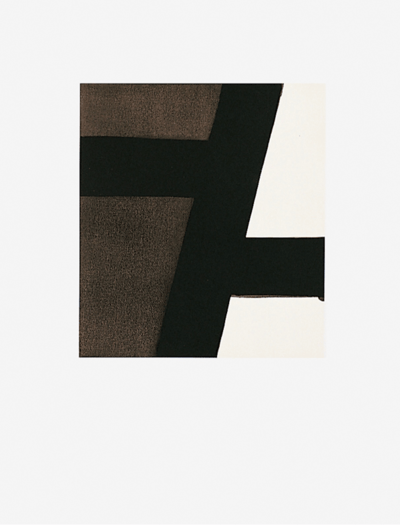
Pierre Soulages
Lithographie n° 21, 1969
Limited Edition Print
Lithograph
Inquire For Price

KAWS
Pinocchio, 2017
Sculpture / Object
Wood
Inquire For Price
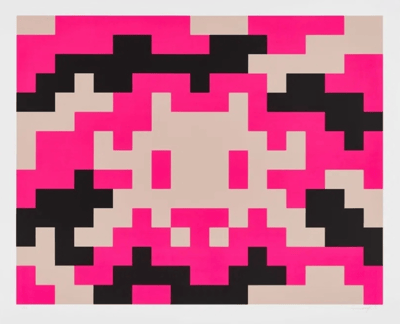
Invader
CAMO XXL-3C-M1, 2024
Limited Edition Print
Screen-print
GBP 16,000 - 20,000
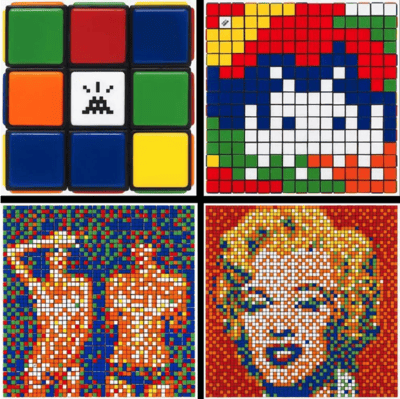
Invader
Rubikcubism (set of 4), 2023
Limited Edition Print
Giclée printing
GBP 18,000 - 23,000
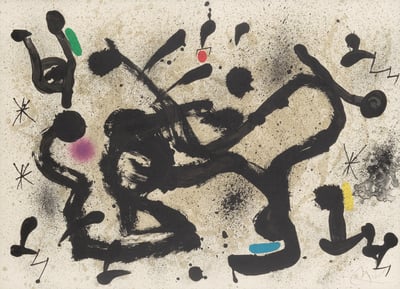
Joan Miró
One plate, Homenatge à Joan Prats, 1975
Limited Edition Print
Lithograph
USD 4,250
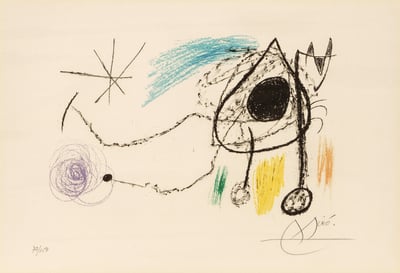
Joan Miró
Sobreteixims I Escultures, 1972
Limited Edition Print
Lithograph
Currently Not Available

Julian Opie
Woman taking off man's shirt, 2003
Limited Edition Print
Screen-print
USD 1,950
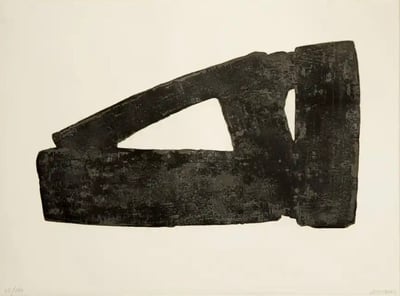
Pierre Soulages
Eau-forte XXXII, 1974
Limited Edition Print
Etching
EUR 29,800
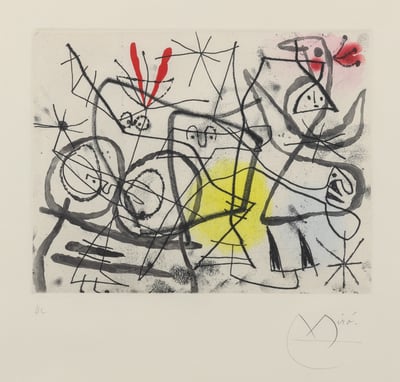
Joan Miró
Preparatifs d’Oiseaux, 1963
Limited Edition Print
Etching and Aquatint
USD 4,060

Frank Stella
Shards Variant IVa, 1982
Limited Edition Print
Mixed Media
Inquire For Price
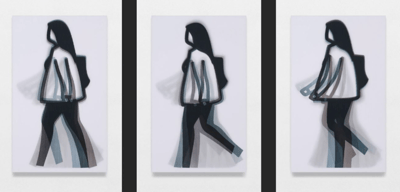
Julian Opie
Long Hair from Old Street Walkers, 2022
Sculpture / Object
Mixed Media
USD 20,000 - 25,000
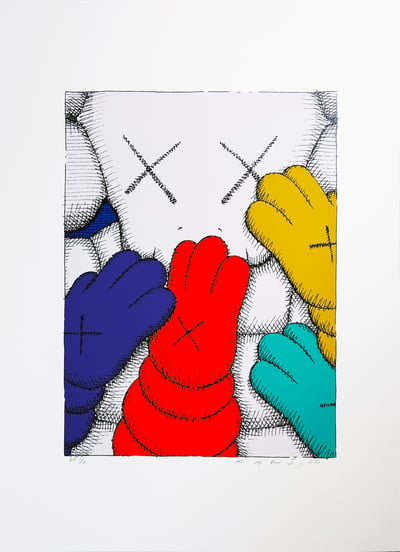
KAWS
Untitled II (Urge), 2020
Limited Edition Print
Silkscreen
Inquire For Price
Related Articles
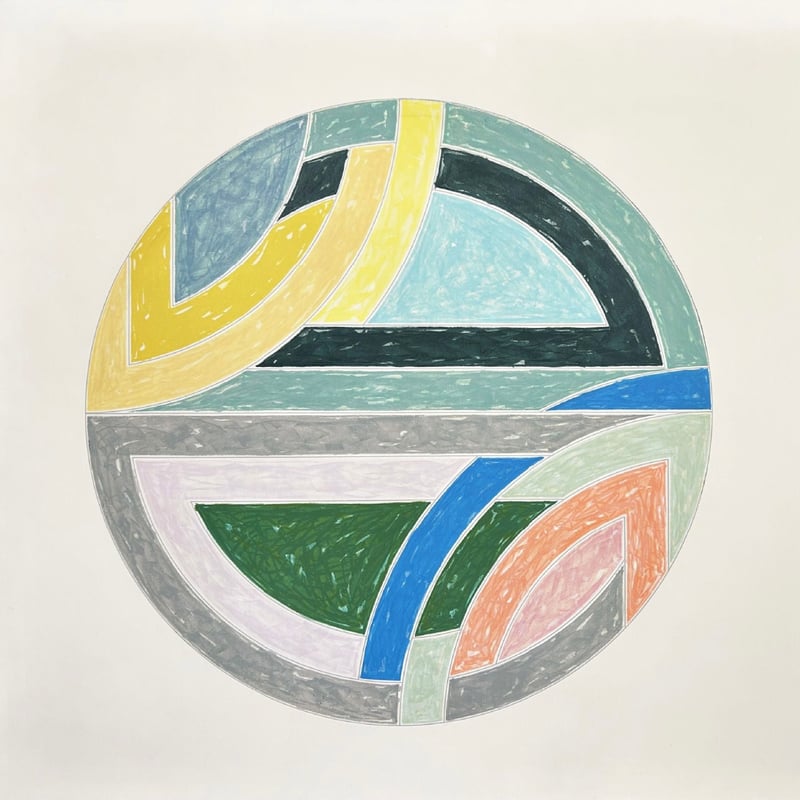
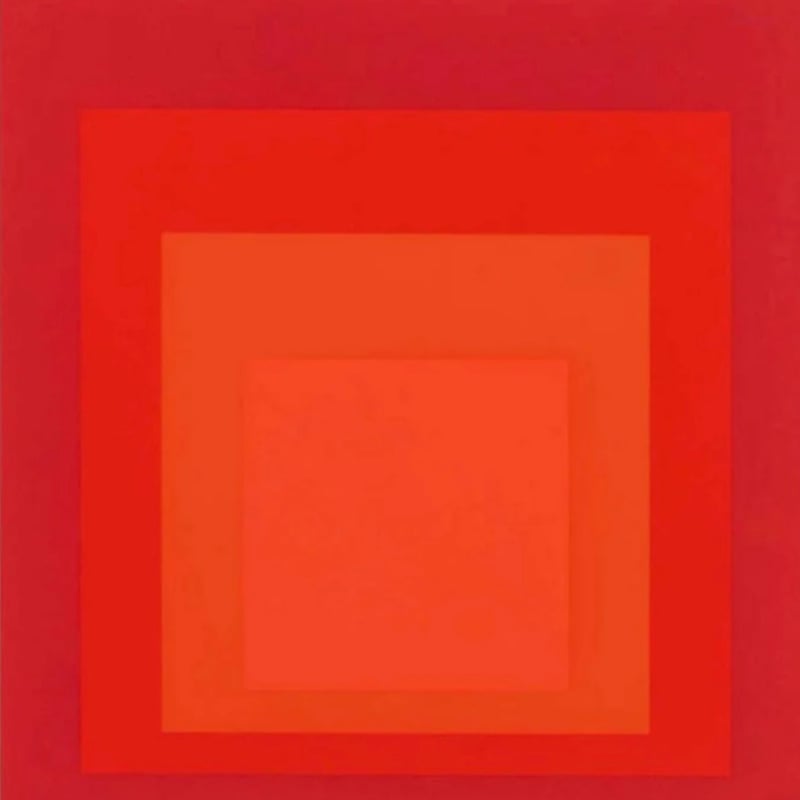

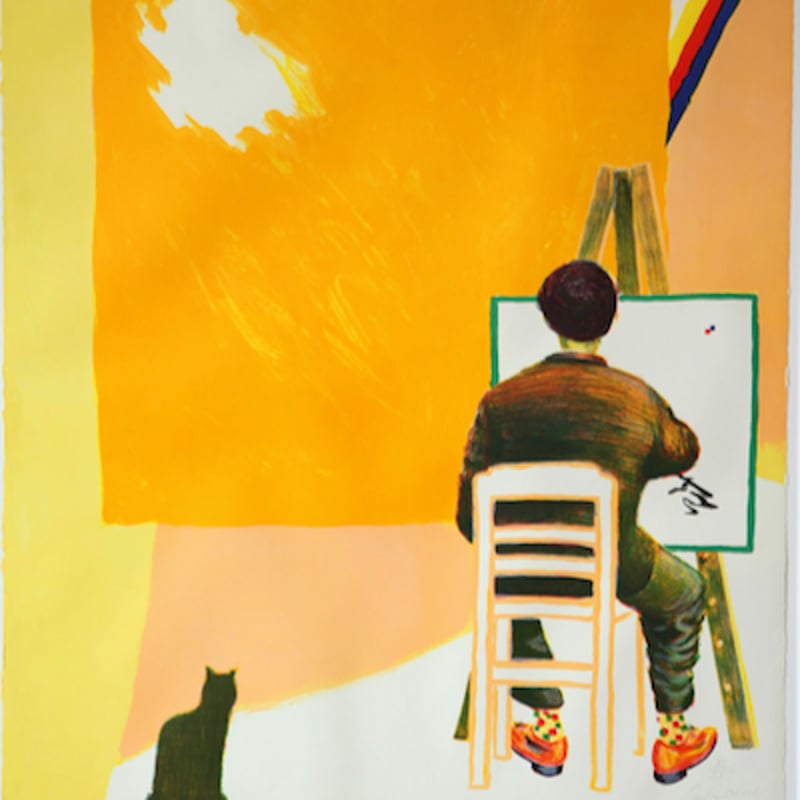
Neo-Figurative Art is a collective term that refers to the revival of figurative art in America and Europe during the 1960s, following a period dominated by abstraction. Michel Ragon, a French art critic, argued that this resurgence of figuration occurred during a critical time of social and political upheaval in both regions.

Postmodernism is an art movement that emerged as a reaction against authority and traditional boundaries, seeking to blur the lines between art and everyday life. It aimed to bridge the gap between the cultural elite and the general public by embracing eclectic mixtures of earlier conventions and styles. Postmodernist art often challenges established norms and celebrates diversity, irony, and pastiche, making it a movement that reflects the complexities of contemporary culture.
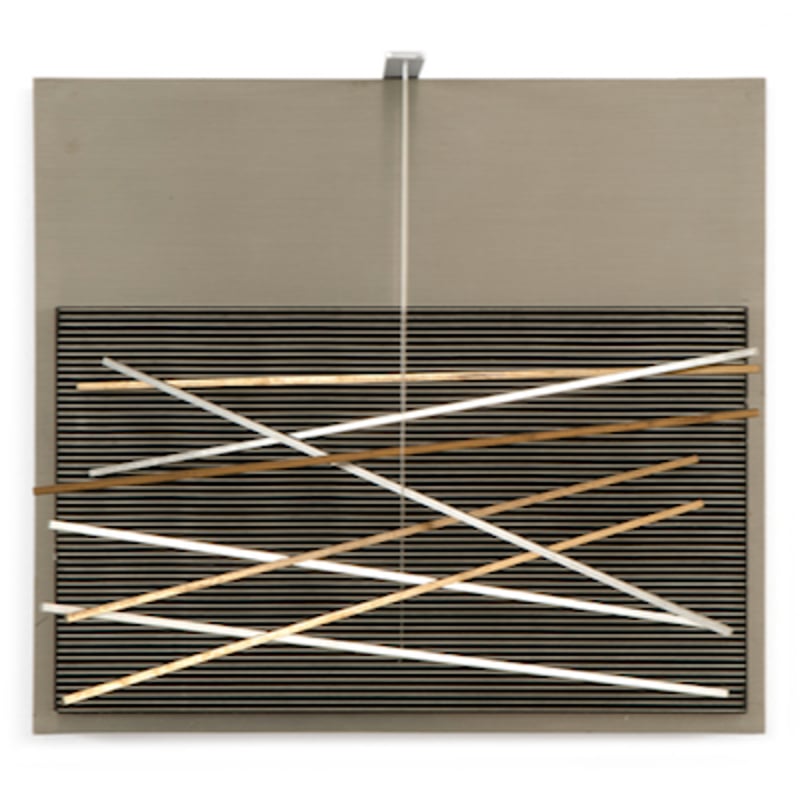
Kinetic art is an international movement that emerged in the 1920s and gained prominence in the 1960s, referring to art that involves both apparent and real motion. It encompasses any medium that includes movement, either relying on actual motion for its effect or being perceived as moving by the viewer. Early examples include canvas paintings designed to create optical illusions of movement. Today, kinetic art often refers to three-dimensional figures and sculptures, such as those operated by machines or those that move naturally. The movement covers a variety of styles and techniques that frequently overlap.
Can't find your Answer?
Thank you! Your question has been sent — we'll get back to you shortly.
