What is abstract expressionism?
- Show All
- Established
- Discoveries
- Show All
Artworks Related to Abstract expressionism
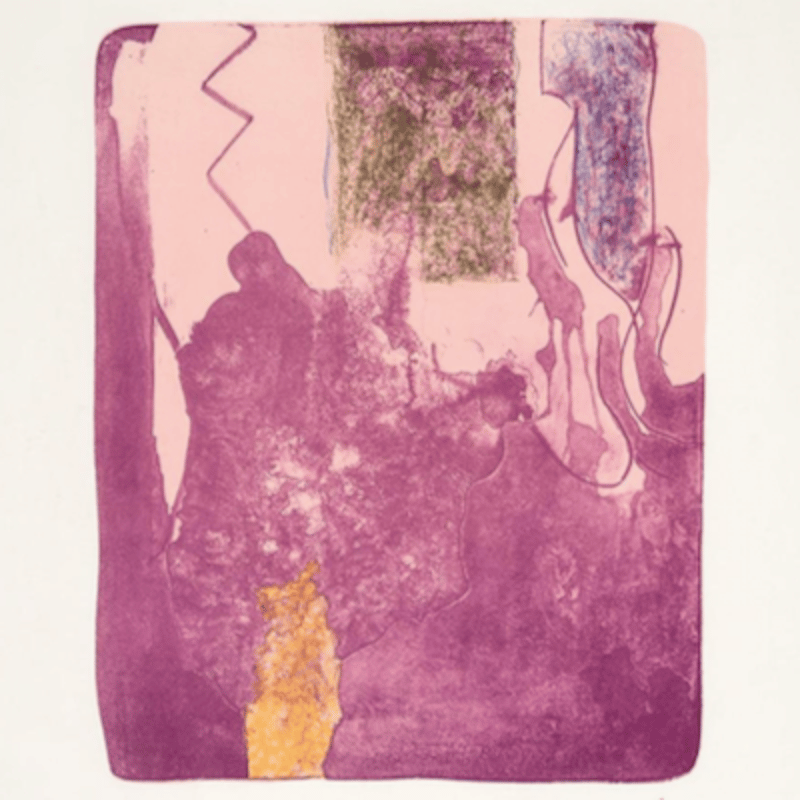
Helen Frankenthaler
Broome Street at Night, 1987
Limited Edition Print
Mixed Media
EUR 13,250
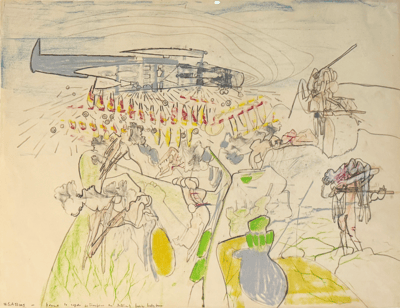
Roberto Matta
U.S. Assasins, 1962
Drawing / Watercolor
Crayon
Inquire For Price
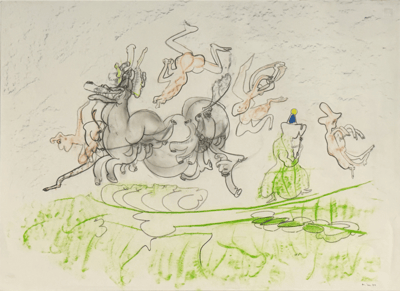
Roberto Matta
Le Cirque, 1969
Drawing / Watercolor
Crayon
Inquire For Price
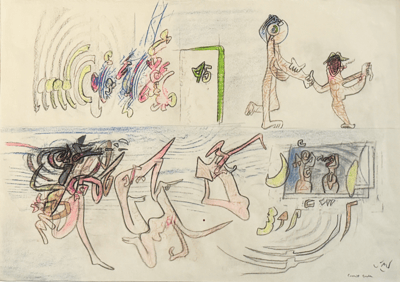
Roberto Matta
Covent Garden, 1977
Drawing / Watercolor
Crayon
Inquire For Price
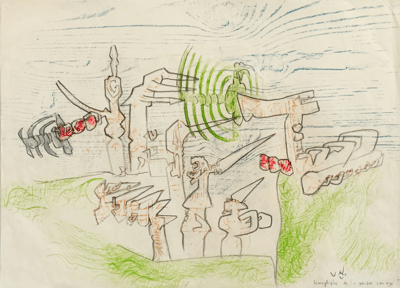
Roberto Matta
Hieroglyphe De La Pen See, 1975
Drawing / Watercolor
Crayon
Inquire For Price
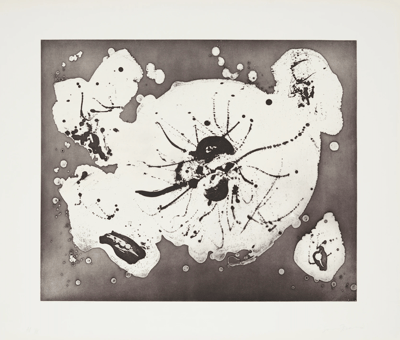
Sam Francis
Island Plate, 1973
Limited Edition Print
Etching and Aquatint
Inquire For Price
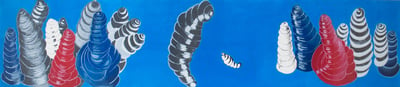
Louise Bourgeois
The Songs of the Blacks and the Blues, 1999
Limited Edition Print
Mixed Media
Inquire For Price
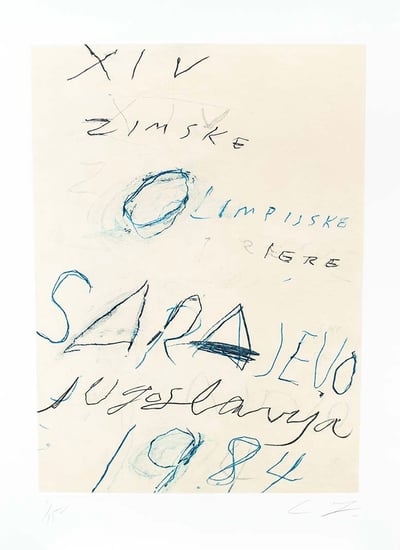
Cy Twombly
Sarajevo, 1984
Limited Edition Print
Mixed Media
Inquire For Price
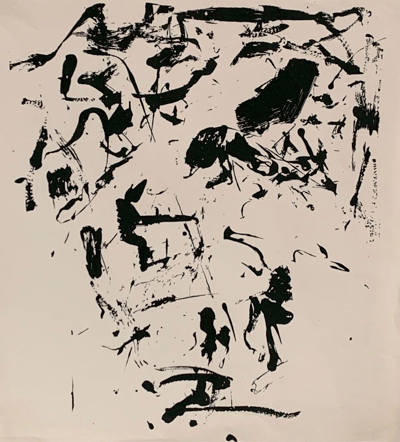
Joan Mitchell
Untitled (The Poems), ca. 1959
Limited Edition Print
Screen-print
USD 7,000
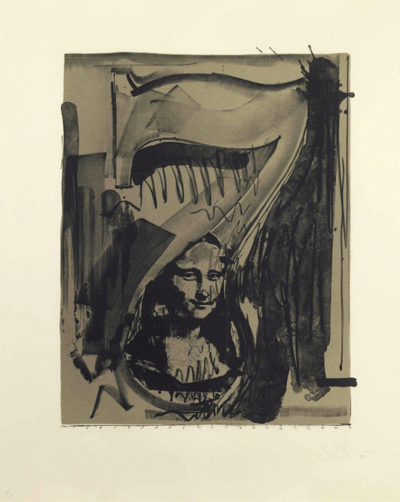
Jasper Johns
Figure 7, Black Numerals Series, 1968
Limited Edition Print
Lithograph
Inquire For Price
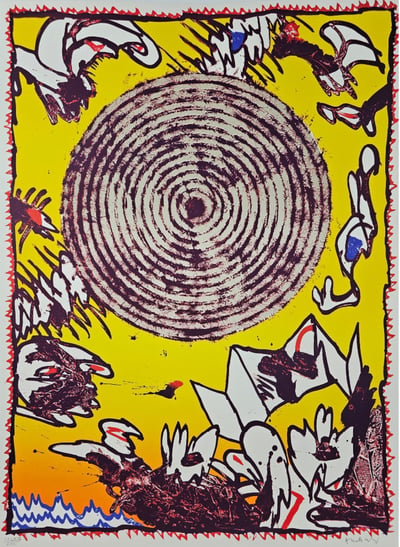
Pierre Alechinsky
Seoul, 1988
Limited Edition Print
Lithograph
Currently Not Available
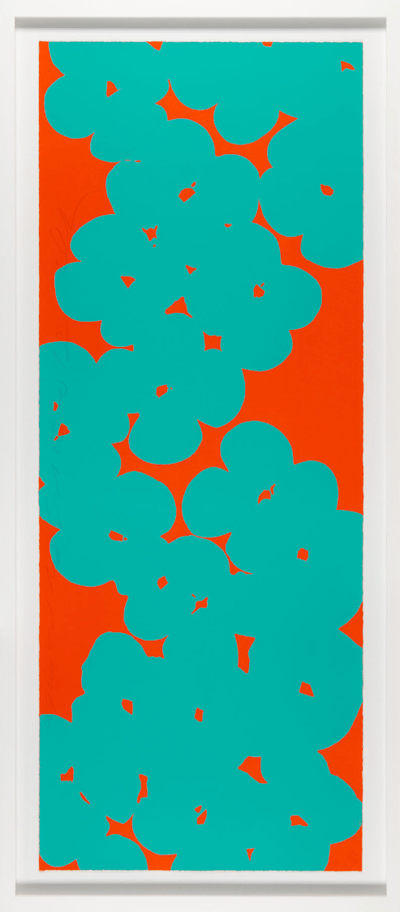
Donald Sultan
Wallflowers (Aqua and Orange), 2018
Limited Edition Print
Screen-print
USD 12,100
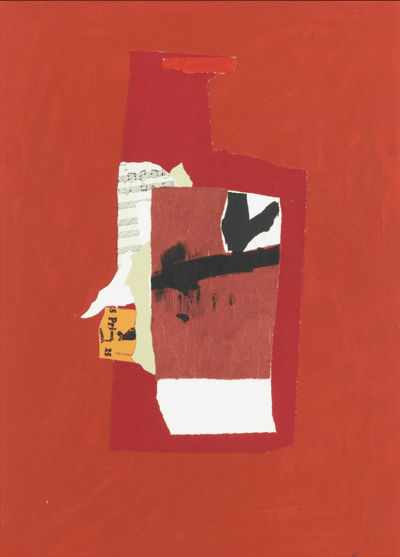
Robert Motherwell
Redness of Red, 1985
Limited Edition Print
Mixed Media
Inquire For Price
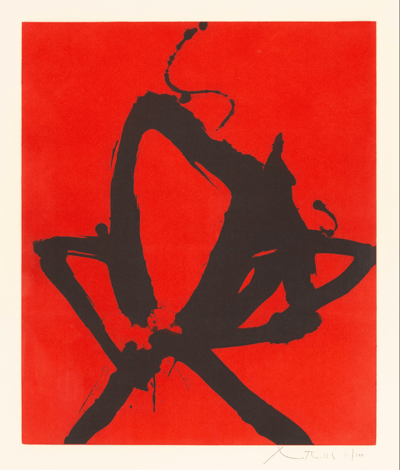
Robert Motherwell
Red Sea I, 1976
Limited Edition Print
Mixed Media
USD 20,000 - 22,000
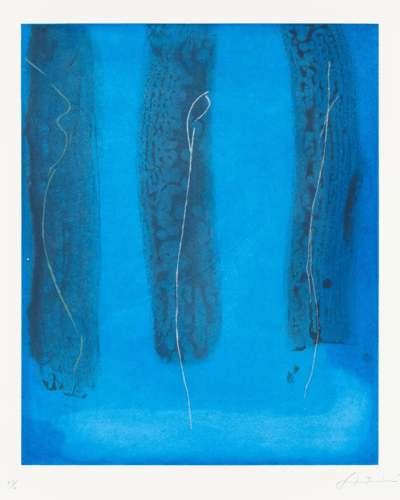
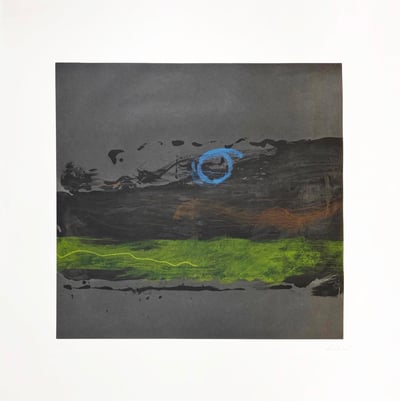
Helen Frankenthaler
Midnight, 1987
Limited Edition Print
Mixed Media
Inquire For Price
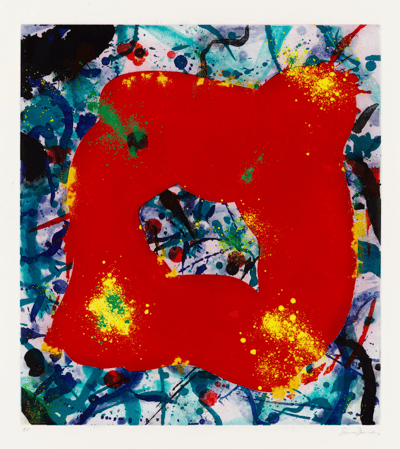
Sam Francis
Untitled (SFE-071), 1989
Limited Edition Print
Mixed Media
USD 10,500
Related Articles
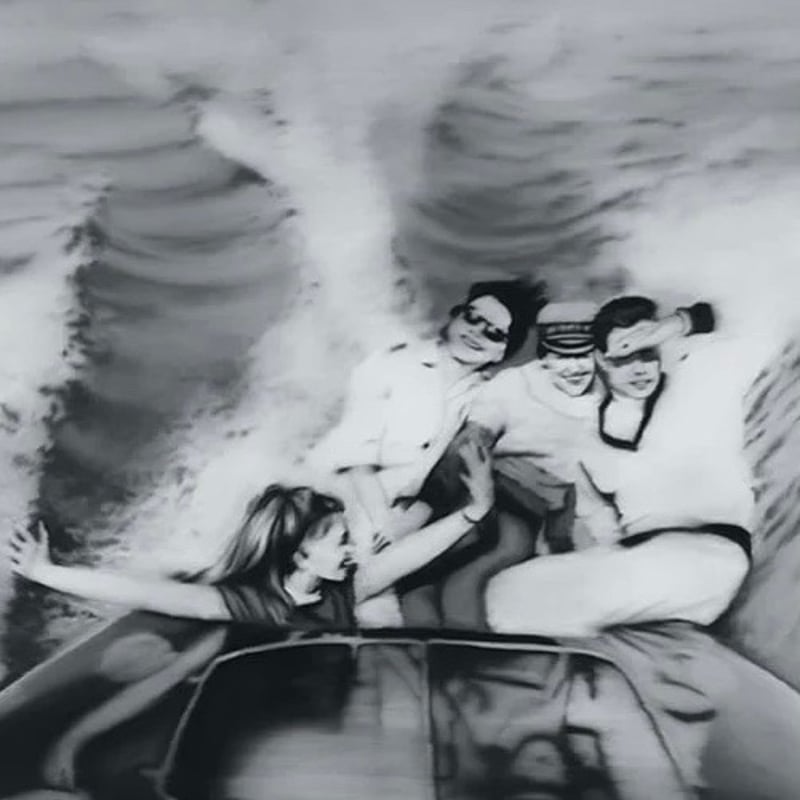
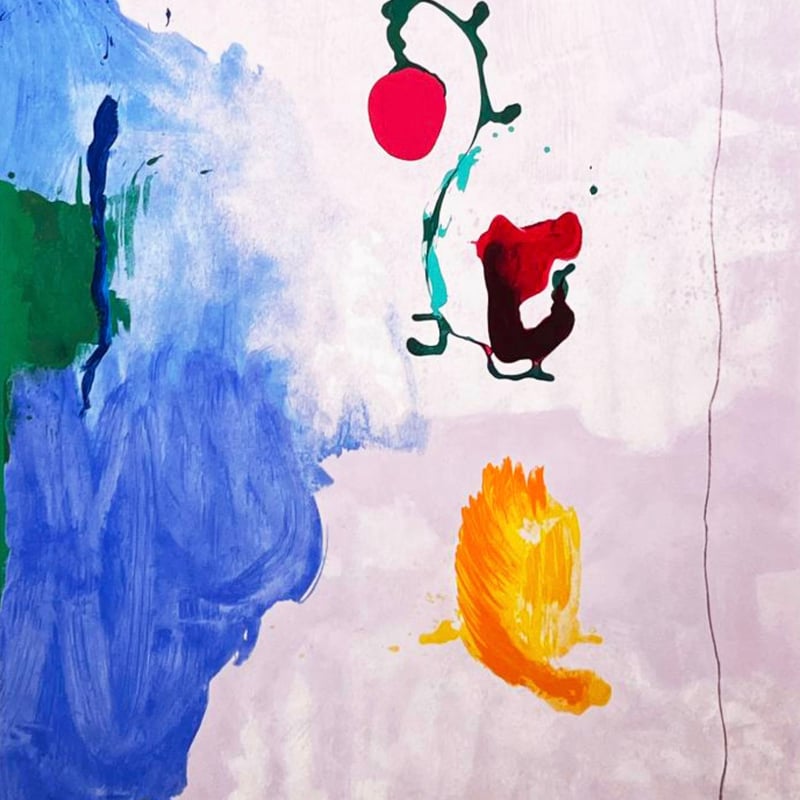
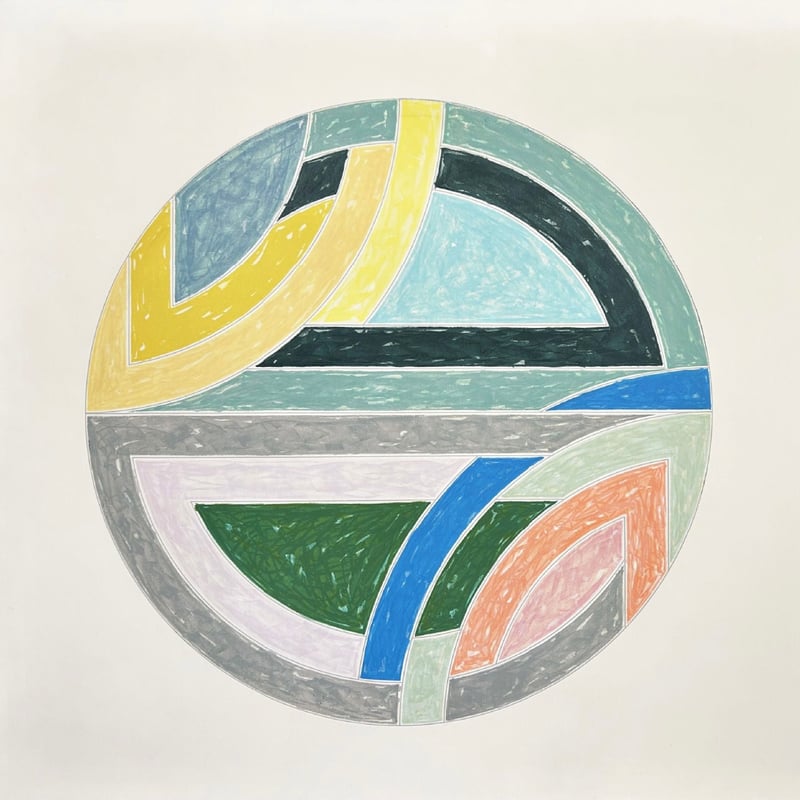

A curator is a professional responsible for managing and overseeing a collection of art pieces or artifacts. Employed by a gallery or museum, curators use their expertise to acquire, develop, display, and care for the collection. They also organize exhibitions and ensure that the collection is accessible to the public.
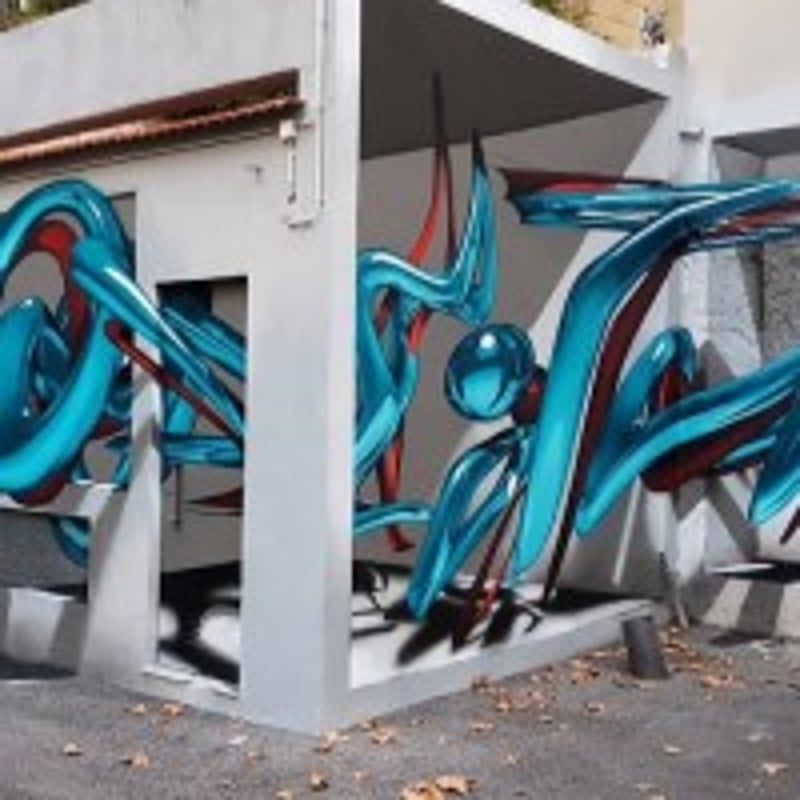
Hypermodernism is a cultural and artistic movement that emerged in the late 20th and early 21st centuries, characterized by an intense embrace of technology and a focus on speed, complexity, and the future. This movement often challenges traditional modernist values by emphasizing hyper-reality, where the boundaries between reality and virtuality blur. Hypermodernism is evident in architecture, design, and visual arts, where artists and creators use advanced digital tools and futuristic aesthetics to explore themes of globalization, identity, and the impact of technology on society.

Cubism is an art movement that aimed to depict multiple perspectives of objects or figures within a single picture. Artists Georges Braque and Pablo Picasso pioneered this style around 1907. The name Cubism emerged from their use of geometric shapes and outlines that often resembled cubes, breaking objects down into abstracted forms.
Can't find your Answer?
Thank you! Your question has been sent — we'll get back to you shortly.
