What is abstract expressionism?
- Show All
- Established
- Discoveries
- Show All
Artworks Related to Abstract expressionism

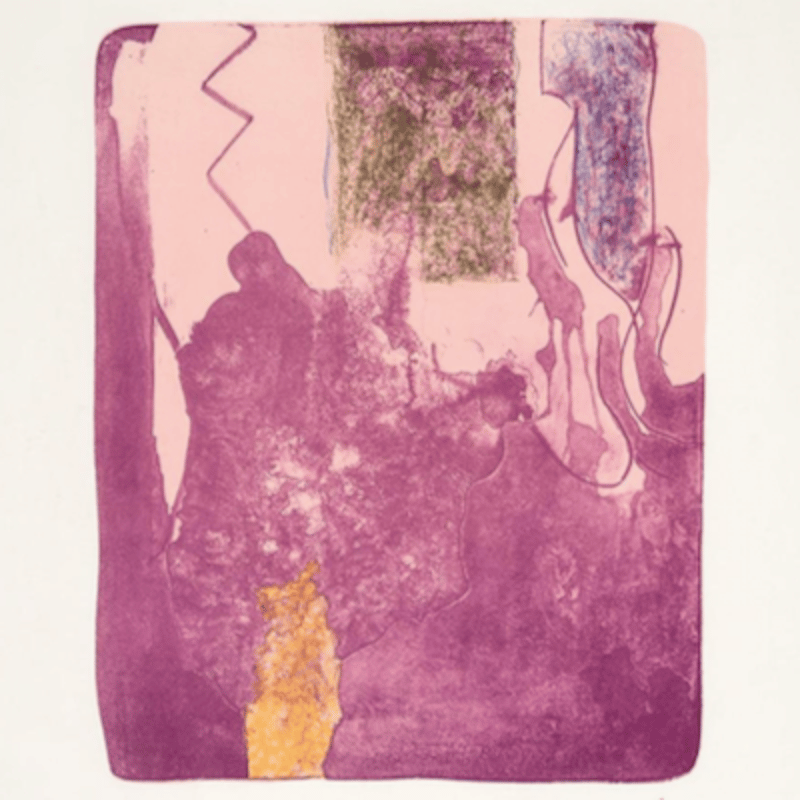
Miquel Barceló
Lanzarote 62, 2002
Limited Edition Print
Etching and Aquatint
EUR 8,950
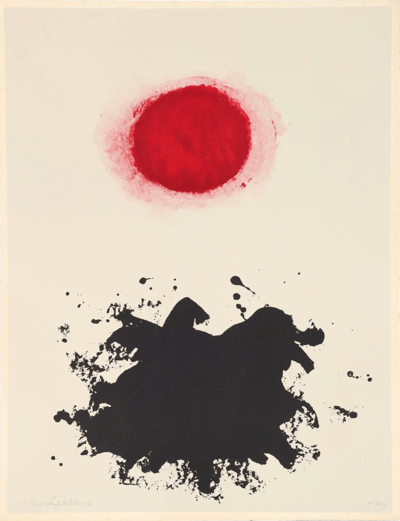
Adolph Gottlieb
Untitled (from the Flight portfolio), 1971
Limited Edition Print
Lithograph
USD 9,000
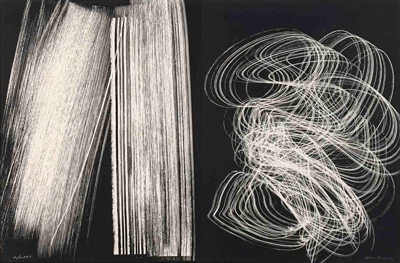
Hans Hartung
Farandole V, L-1970-5, 1970
Limited Edition Print
Lithograph
EUR 1,700
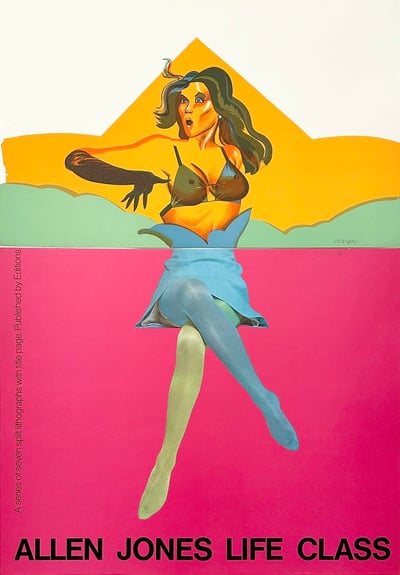
Allen Jones
Life Class, Title page, 1968
Limited Edition Print
Lithograph
EUR 2,300
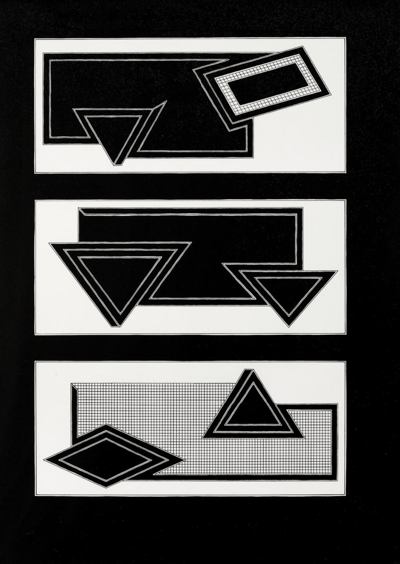
Frank Stella
Black Stack, 1970
Limited Edition Print
Lithograph
USD 3,750
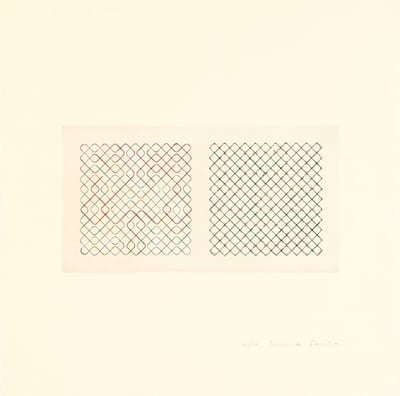
Bernard Frize
Suite à onze, 2009
Limited Edition Print
Drypoint
EUR 2,000
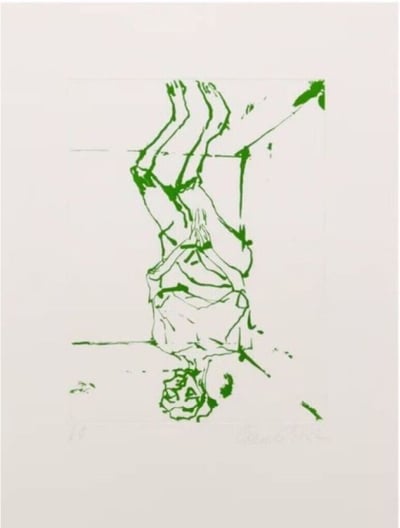
Georg Baselitz
Serpentine - green, 2022
Limited Edition Print
Etching and Aquatint
Inquire For Price
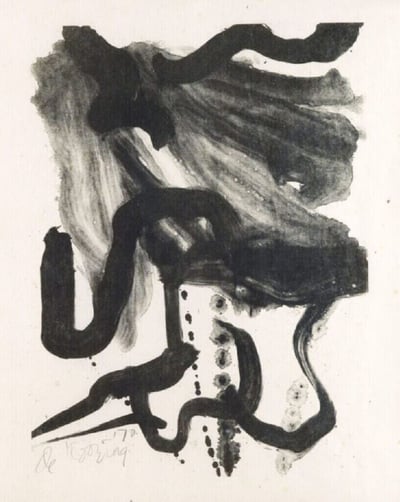
Willem de Kooning
Woman with long hair and corset, 1970
Limited Edition Print
Lithograph
Inquire For Price
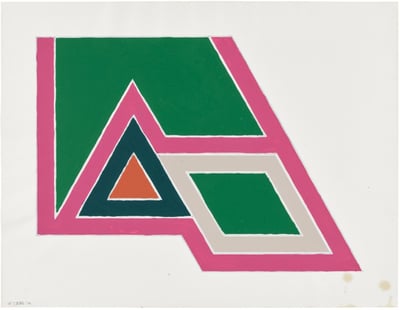
Frank Stella
Untitled (study for Sanbornville, from Eccentric Polygons), 1970
Drawing / Watercolor
Mixed Media
Inquire For Price
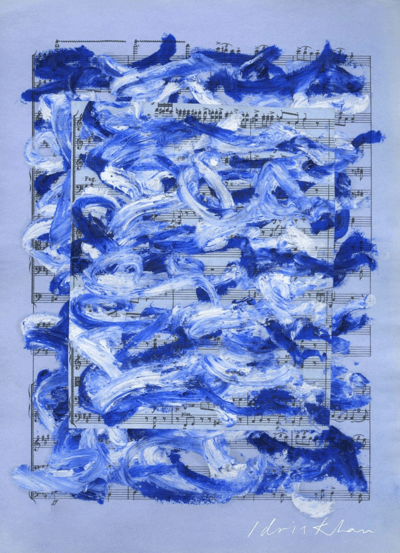
Idris Khan
Long Live Love, 2020
Limited Edition Print
Collage
GBP 2,500
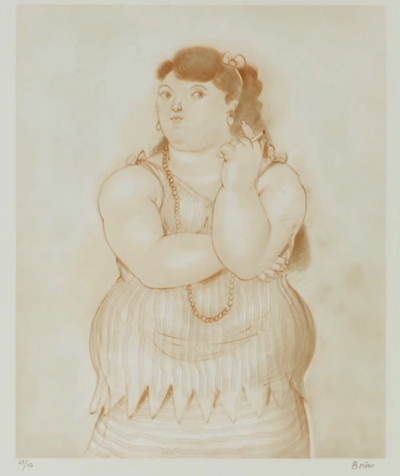
Fernando Botero
Dessins et Aquarelles (2), 1984
Limited Edition Print
Lithograph
Inquire For Price
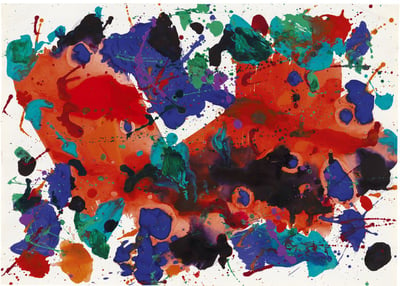
Sam Francis
Untitled (SF82-263), 1982
Painting
Acrylic on paper
Inquire For Price
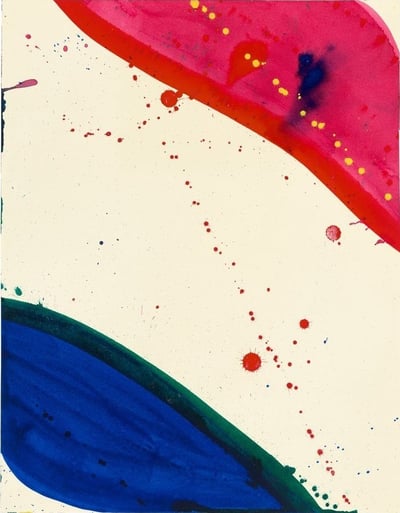
Sam Francis
Vert Francaise, 1963
Painting
Acrylic on paper
Inquire For Price
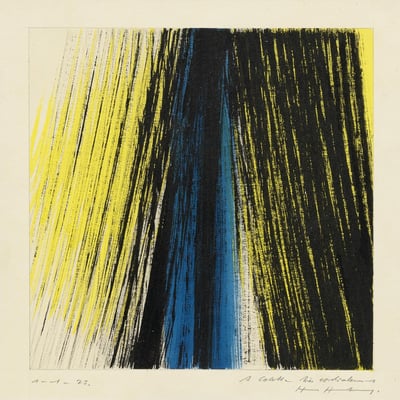
Hans Hartung
KP1972-3, 1972
Painting
Acrylic on paper
Inquire For Price
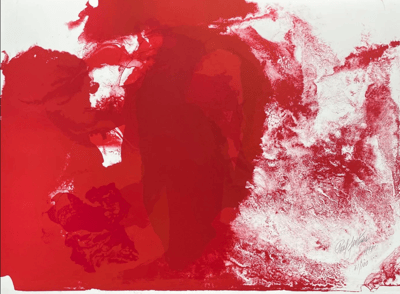
Paul Jenkins
Five Invocations III, 1997
Limited Edition Print
Lithograph
EUR 1,550
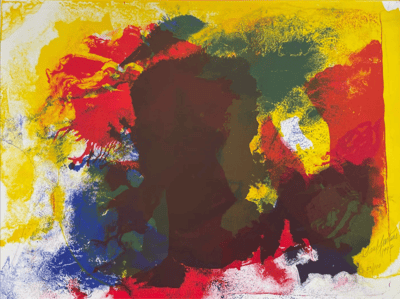
Paul Jenkins
Five Invocations II, 1997
Limited Edition Print
Lithograph
EUR 1,550
Related Articles
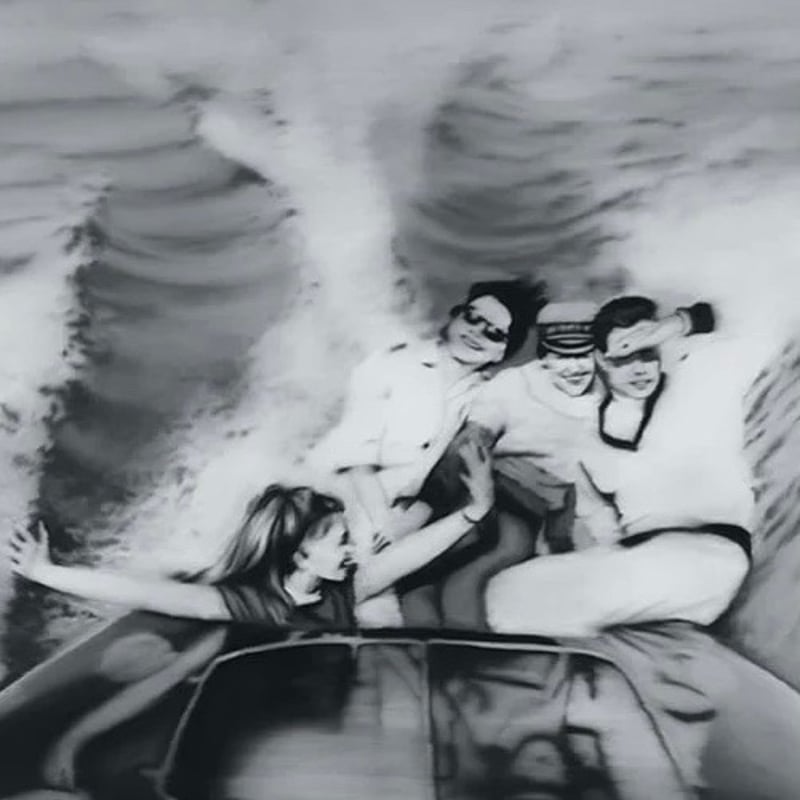
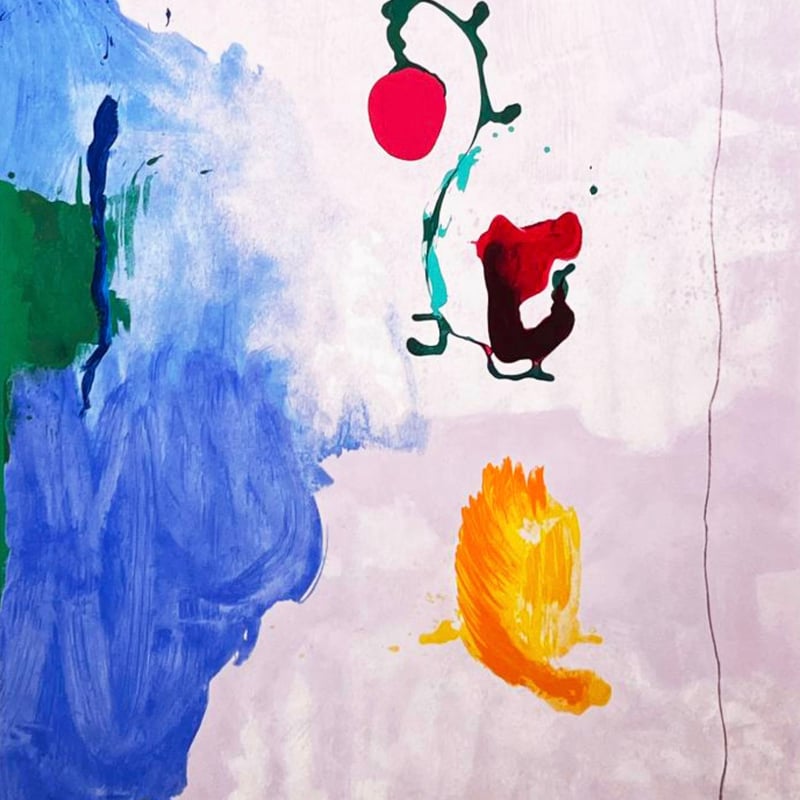
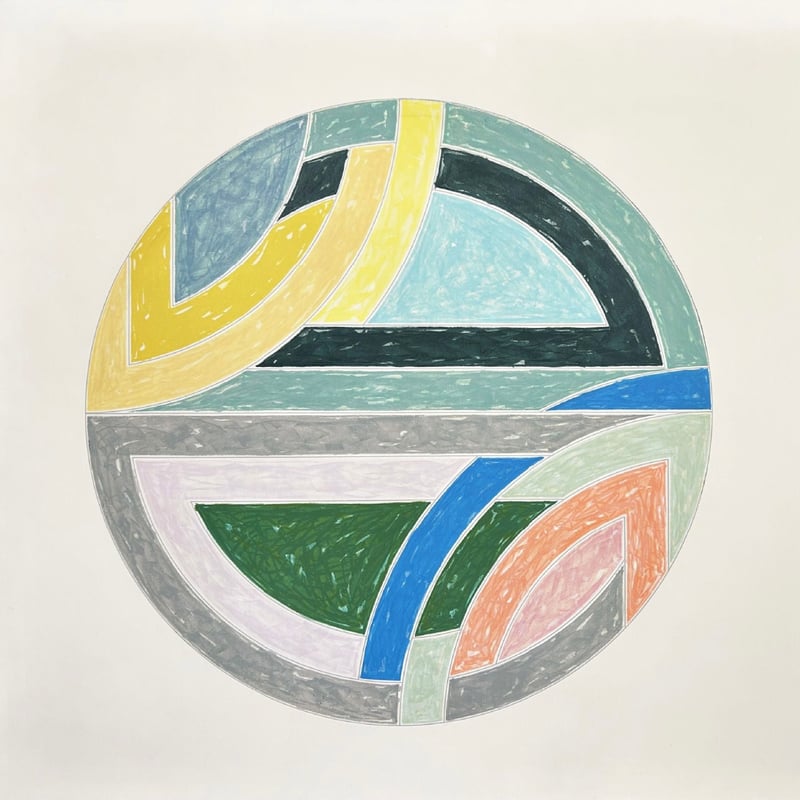

CoBrA stands for Copenhagen, Brussels, and Amsterdam; the group was formed with a desire to break away from the existing art movements of the time. Their critique of Western society led them to experiment and evolve into a significant international movement. CoBrA was founded on November 8, 1948, at the Notre Dame Café in Paris, where its manifesto was signed by Karel Appel, Joseph Noiret, Corneille, Christian Dotremont, Constant, and Asger Jorn. The group was united by a shared commitment to freedom in both form and color, and their work emphasized experimentation and spontaneity.

Appropriation in art involves using pre-existing images or objects with little or no modification. This technique has played a significant role across various art forms, including visual arts, music, performance, and literature. In visual arts, appropriation refers to the practice of adopting, sampling, recycling, or borrowing elements—or even entire forms—of existing visual culture, integrating them into new works to create meaning or critique.
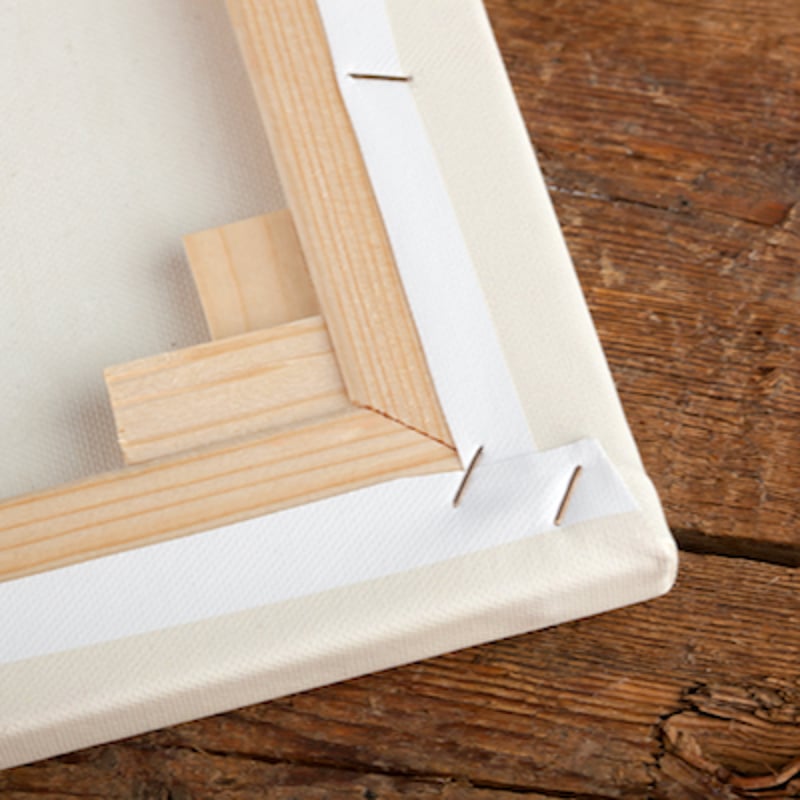
Recto and verso are terms used to describe the right and left pages of an open book, or the front and back of a sheet of paper. In both cases, recto refers to the right-hand page or the front of the paper, while verso refers to the left-hand page or the back of the paper. These terms are commonly used in bookbinding, printmaking, and art to distinguish between the two sides of a sheet.
Can't find your Answer?
Thank you! Your question has been sent — we'll get back to you shortly.
