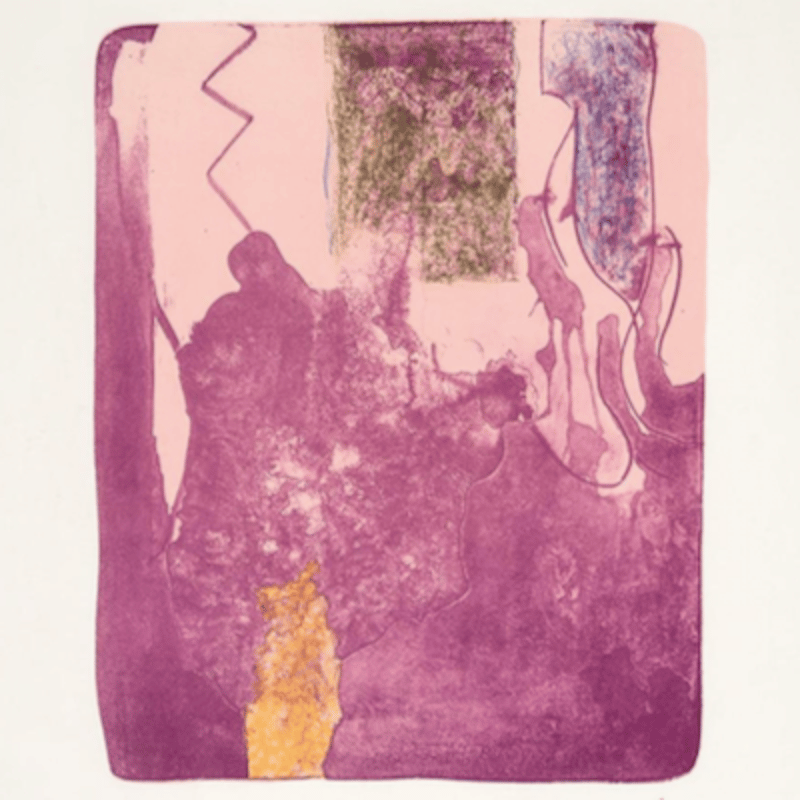
What is abstract expressionism?
- Show All
- Established
- Discoveries
- Show All
Artworks Related to Abstract expressionism
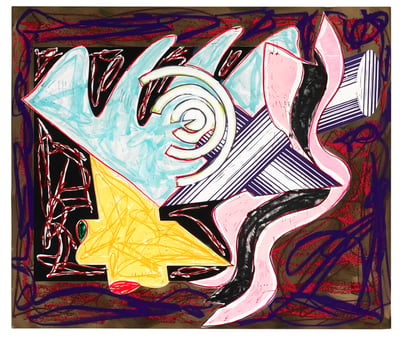
Frank Stella
A Hungry Cat Ate up the Goat, 1984
Limited Edition Print
Mixed Media
USD 24,900
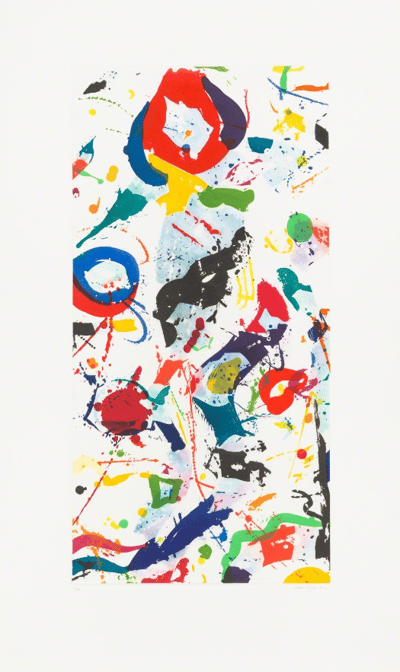
Sam Francis
SFE 079, 1992
Limited Edition Print
Etching
Currently Not Available
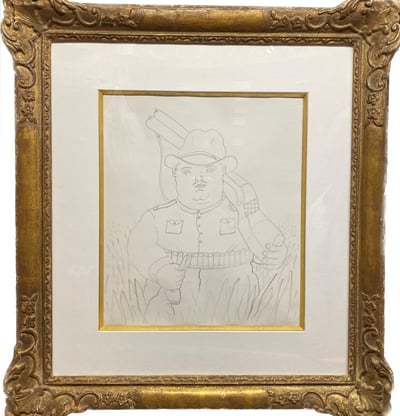
Fernando Botero
Hunter, 1980
Drawing / Watercolor
Pencil
USD 29,000 - 35,000
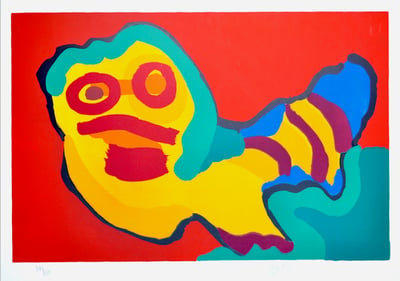
Karel Appel
Sunshine people, 1974
Limited Edition Print
Silkscreen
USD 1,700
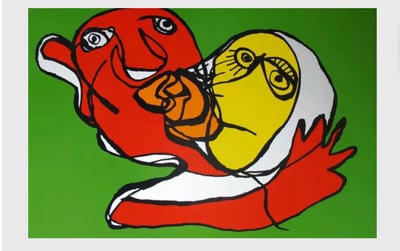
Karel Appel
Putting green kiss , 1978
Limited Edition Print
Silkscreen
USD 1,750
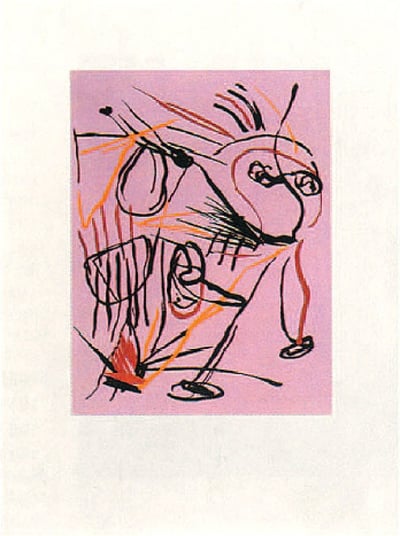
Karel Appel
Como el Viento, 1988
Limited Edition Print
Etching and Aquatint
EUR 1,700
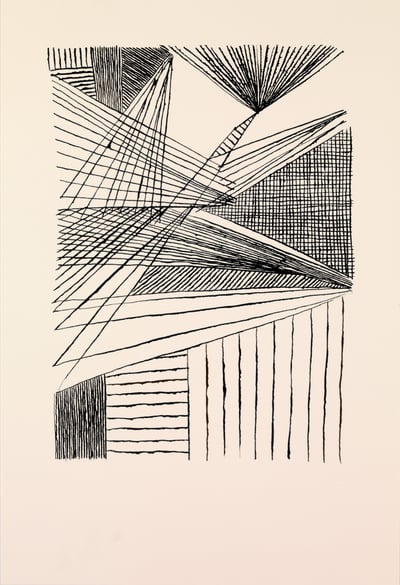
León Ferrari
Sin título 4, 2008
Limited Edition Print
Lithograph
EUR 1,000
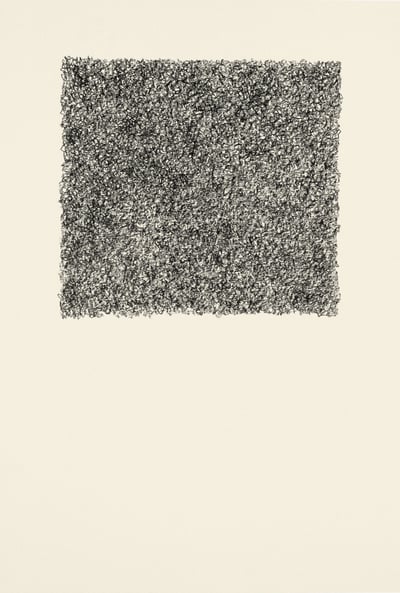
León Ferrari
Sin título 3, 2008
Limited Edition Print
Lithograph
EUR 1,000
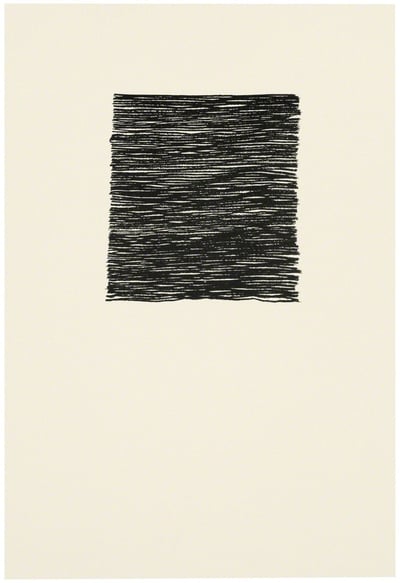
León Ferrari
Sin título 2, 2008
Limited Edition Print
Lithograph
EUR 1,000
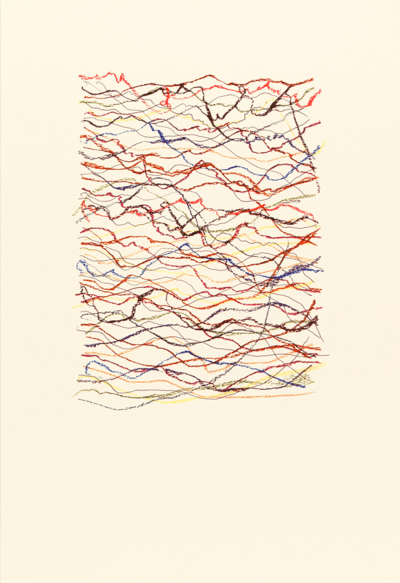
León Ferrari
Mod. 14, 2009
Limited Edition Print
Lithograph
EUR 1,000
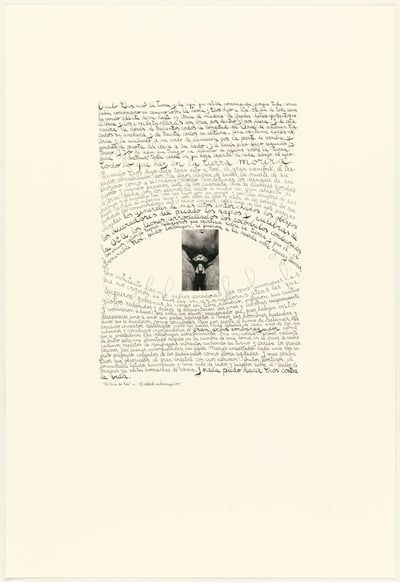
León Ferrari
Árbol embarazador, 2009
Limited Edition Print
Lithograph
EUR 1,000
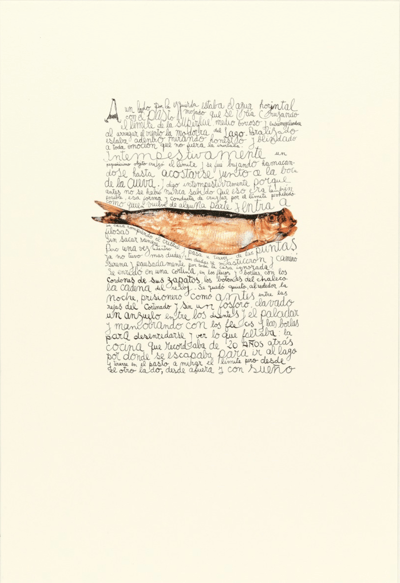
León Ferrari
A un lado por la izquierda, 2009
Limited Edition Print
Lithograph
EUR 1,000
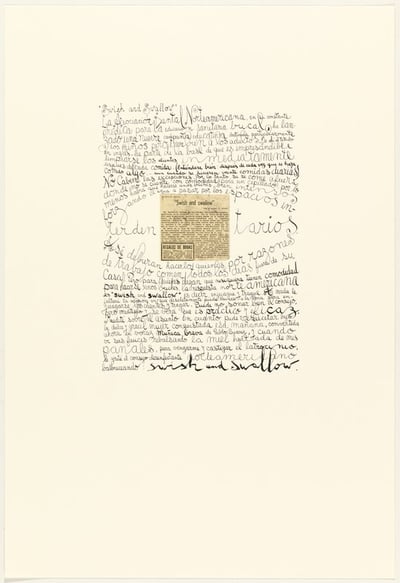
León Ferrari
Swish and swallow, 2009
Limited Edition Print
Lithograph
Currently Not Available
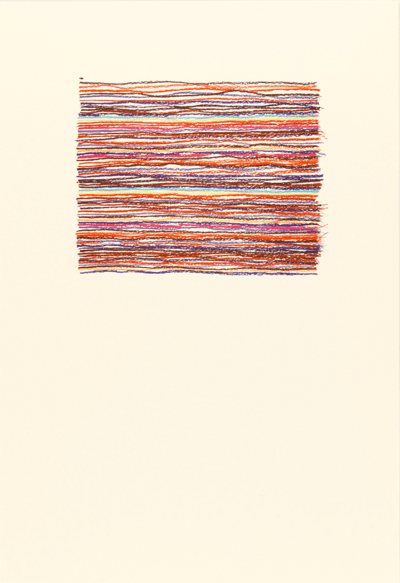
León Ferrari
Mod. 9, 2009
Limited Edition Print
Lithograph
EUR 1,000
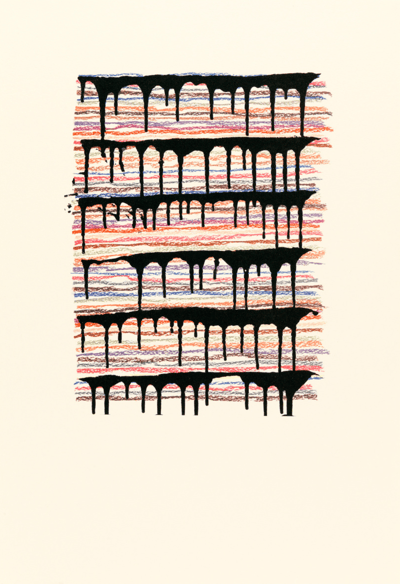
León Ferrari
Mod. 8, 2009
Limited Edition Print
Lithograph
EUR 1,000
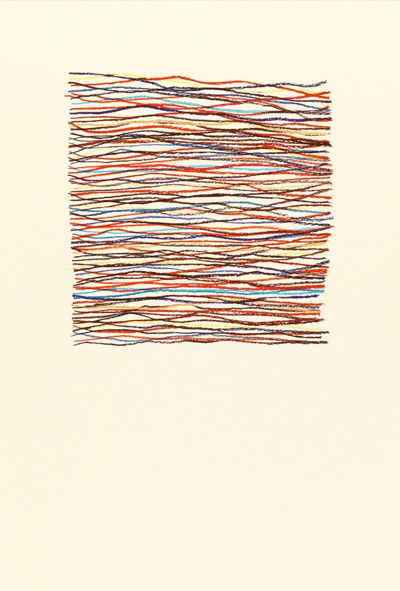
León Ferrari
Mod. 7, 2009
Limited Edition Print
Lithograph
Currently Not Available
Related Articles
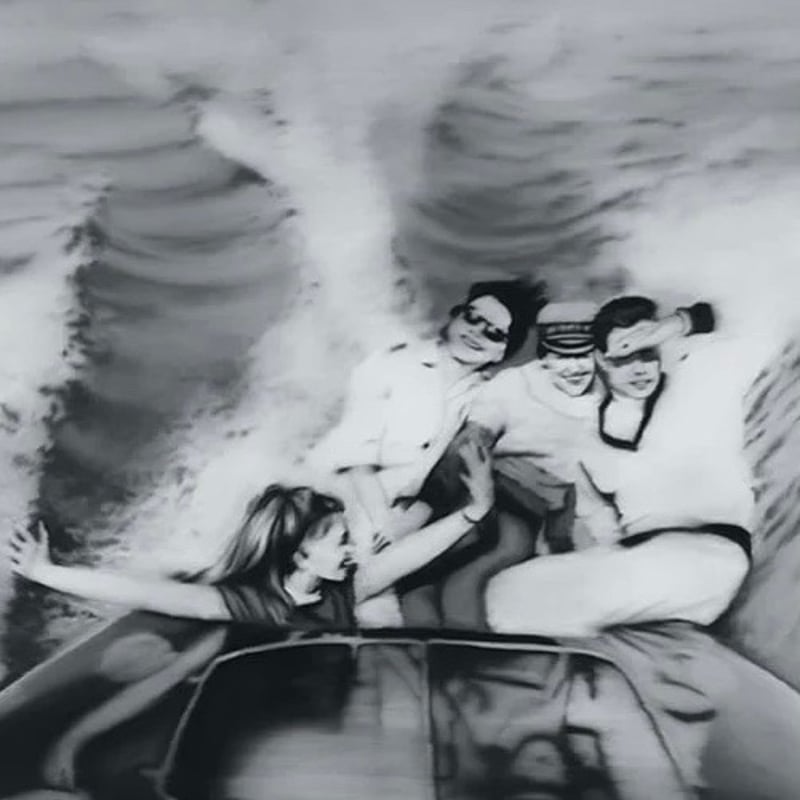
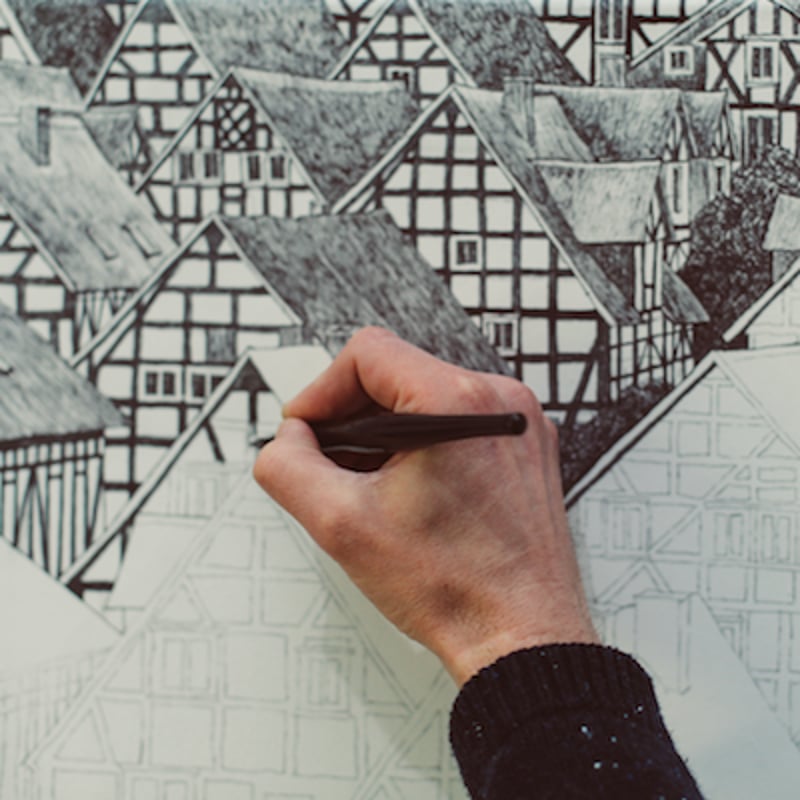
Monochromatic describes paintings, photographs, designs, or drawings that utilize one color or various shades of a single color. Monochromatic objects have a limited range of hues. While the term often refers to black and white or grayscale images, it can also apply to any artwork that contains tones of just one color.

Acrylic on canvas is a technique where acrylic paint is applied to a canvas surface using tools like brushes and palette knives. Acrylic paint is a synthetic medium made from liquid plastic, which can be thinned with water and dries quickly when exposed to air. This fast-drying quality makes it versatile for layering and various painting techniques.
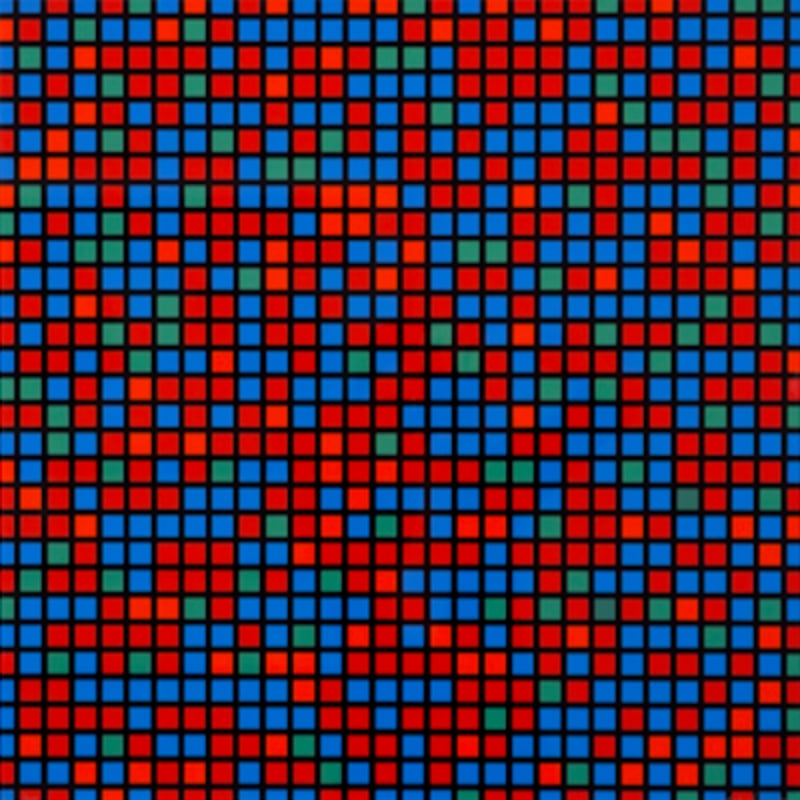
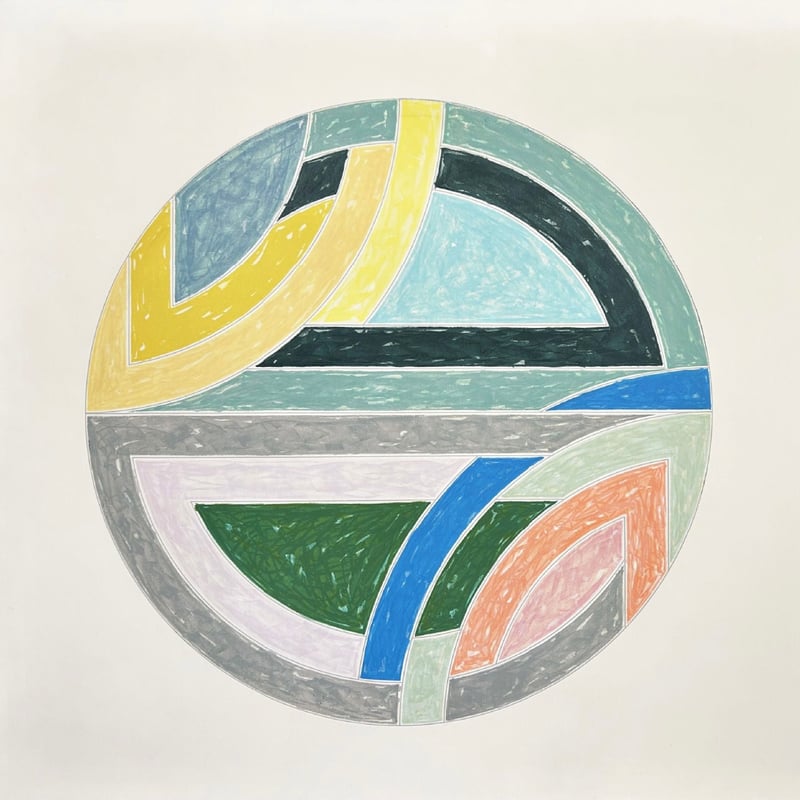
Geometric abstraction is a form of abstract art that uses geometric shapes arranged in a non-illusionistic space (though not always) and combined into non-representational (non-objective) compositions. Based on years of artistic research, some artists have proposed that geometric abstraction offers a solution to modern challenges by rejecting traditional illusionistic practices in favor of clarity and simplicity.
Can't find your Answer?
Thank you! Your question has been sent — we'll get back to you shortly.
