What is abstract expressionism?
- Show All
- Established
- Discoveries
- Show All
Artworks Related to Abstract expressionism
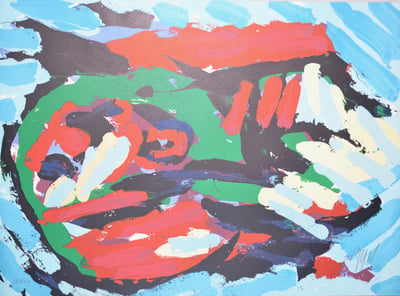
Karel Appel
Flying head over ocean, 1972
Limited Edition Print
Lithograph
USD 800
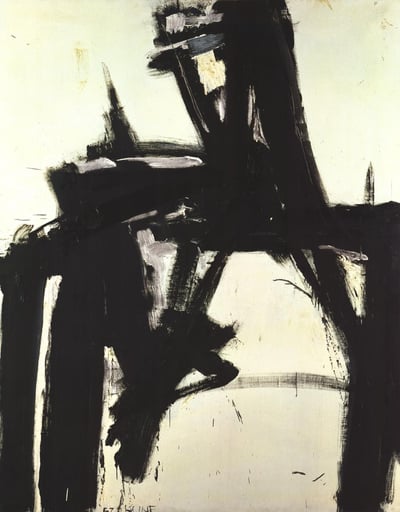
Franz Kline
Untitled, 1997
Limited Edition Print
Offset Print
Currently Not Available
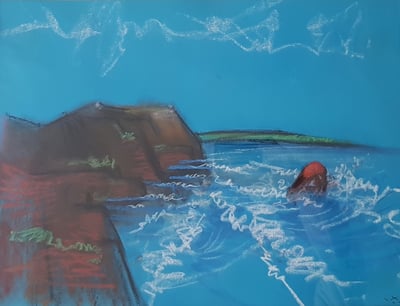
Roberto Matta
Homenaje aux Pyrenees, 1976
Drawing / Watercolor
Pastel
Make Your Offer
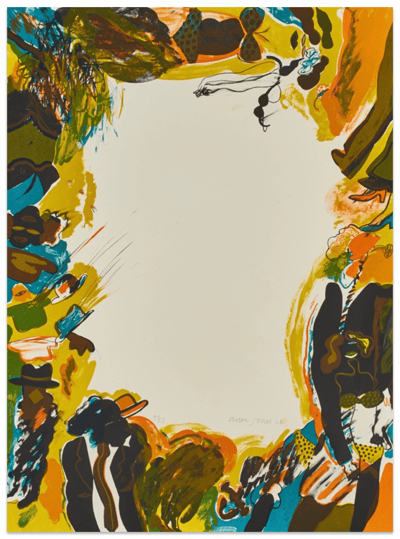
Allen Jones
Untitled from Concerning Marriages series, Plate H, 1964
Limited Edition Print
Lithograph
USD 2,400
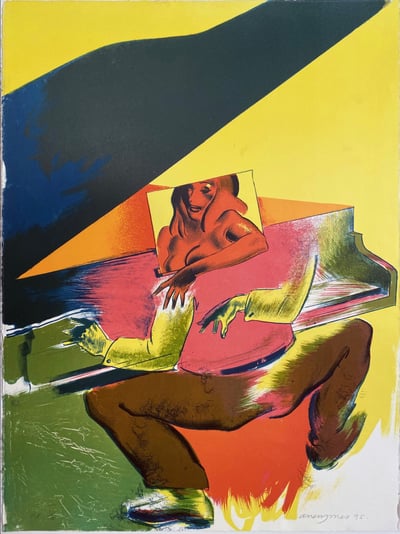
Allen Jones
Playtime, 1995
Limited Edition Print
Lithograph
USD 2,750
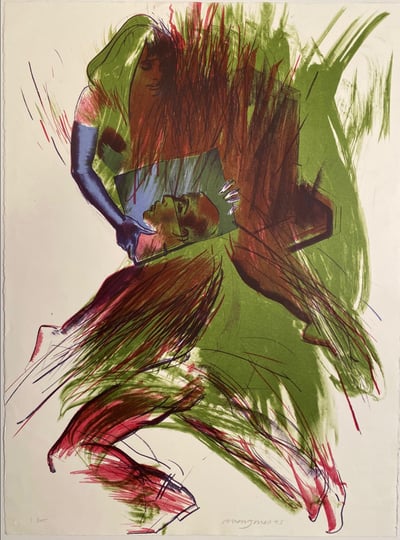
Allen Jones
No Strings, 1995
Limited Edition Print
Lithograph
USD 2,750
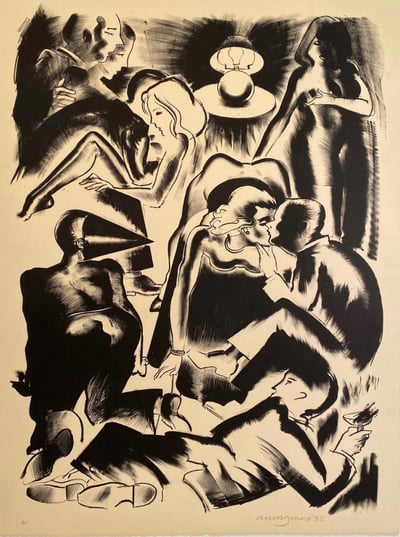
Allen Jones
High Society, 1985
Limited Edition Print
Lithograph
USD 2,250
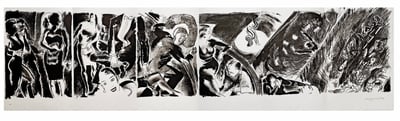
Allen Jones
Greasepaint, 1988
Limited Edition Print
Lithograph
USD 4,250
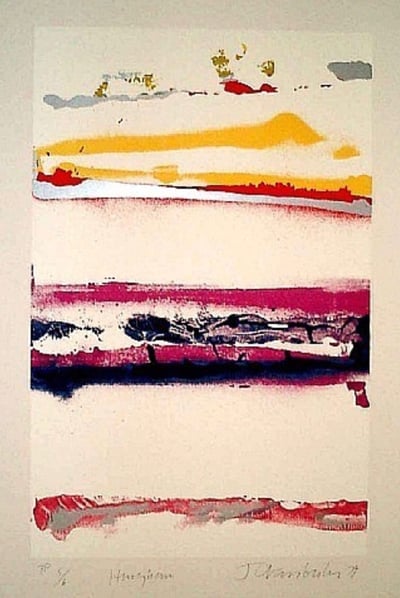
John Chamberlain
Hingham, 1979
Limited Edition Print
Lithograph
USD 5,500
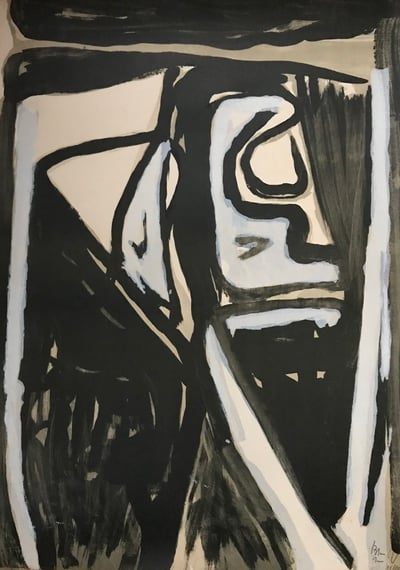
Bram Van Velde
Déchirure, 1977
Limited Edition Print
Lithograph
EUR 1,875
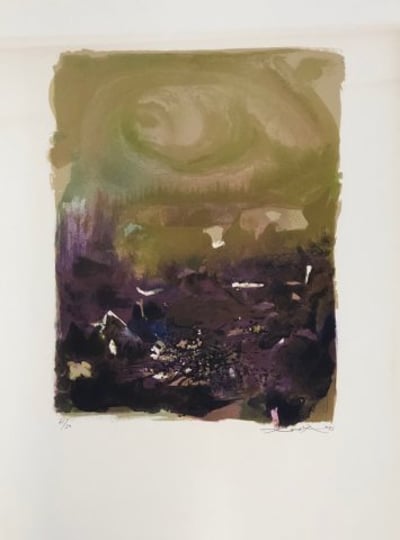
Zao Wou-Ki
Album internacional, 1973
Limited Edition Print
Lithograph
EUR 2,250

Fernando Botero
The Dancers, 1983
Limited Edition Print
Lithograph
Currently Not Available
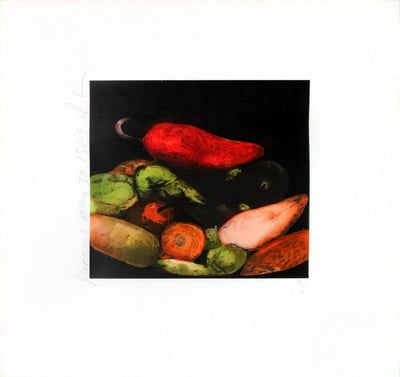
Donald Sultan
Peppers, 1989
Limited Edition Print
Serigraph
Inquire For Price
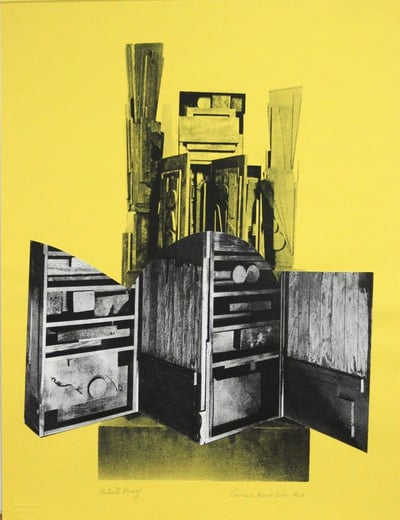
Louise Nevelson
Lullaby for Jumbo, 1966
Limited Edition Print
Serigraph
Currently Not Available
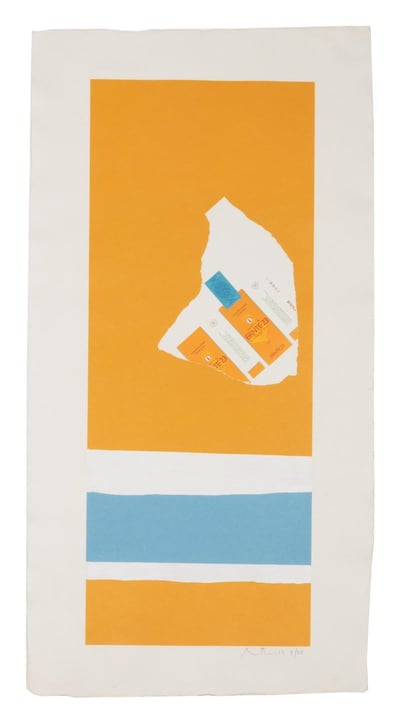
Robert Motherwell
Harvest with two white stripes, 1973
Limited Edition Print
Lithograph
Inquire For Price
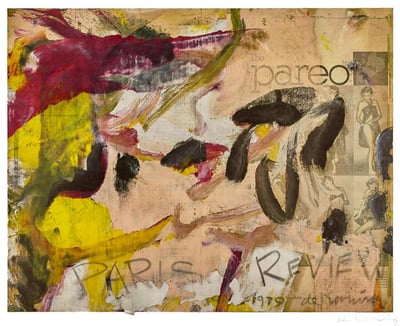
Willem de Kooning
Paris Review, 1979
Limited Edition Print
Lithograph
Currently Not Available
Related Articles
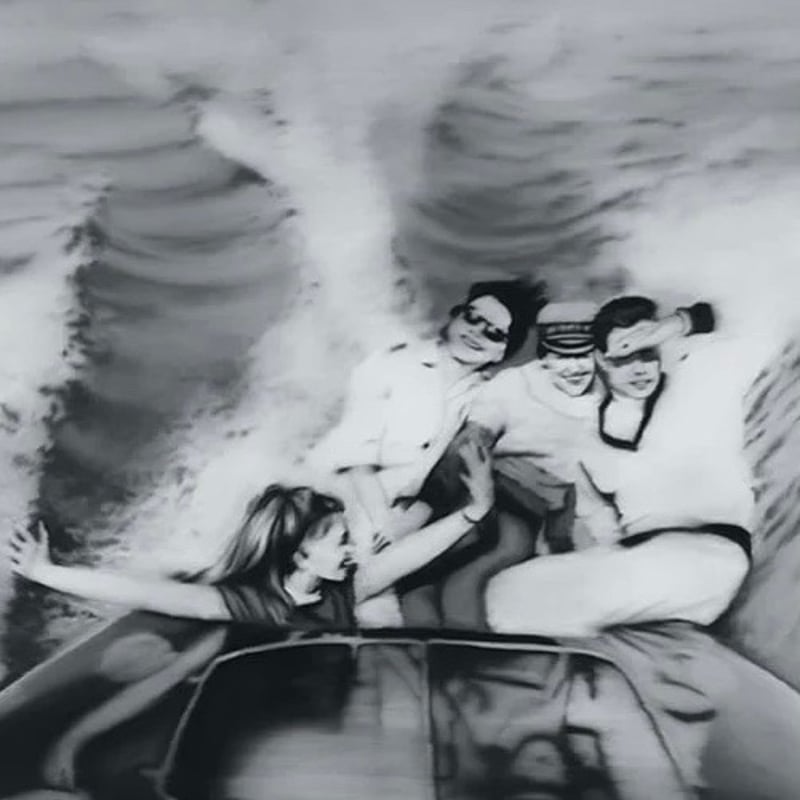
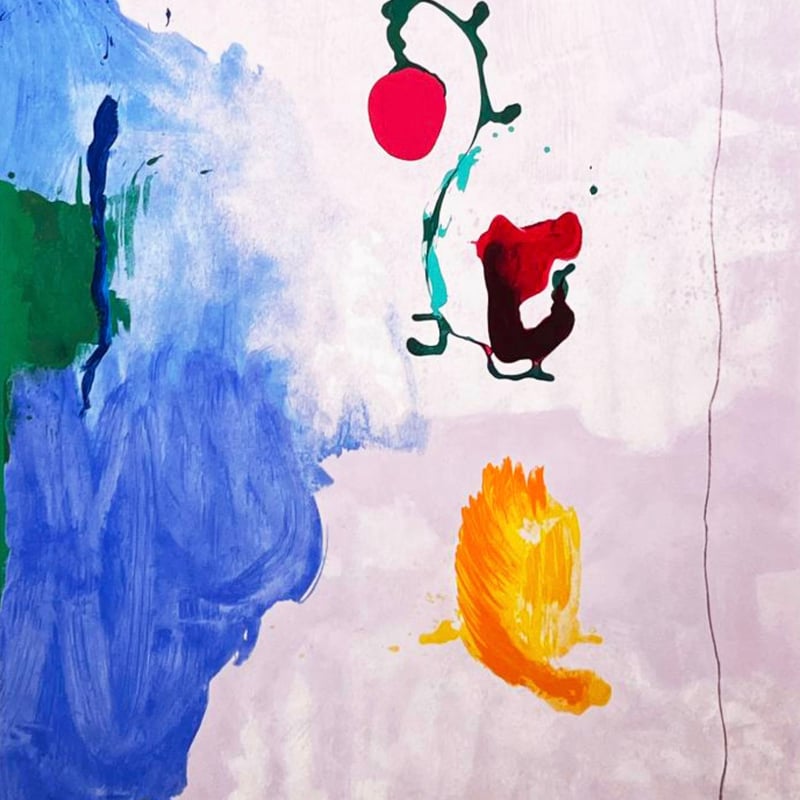
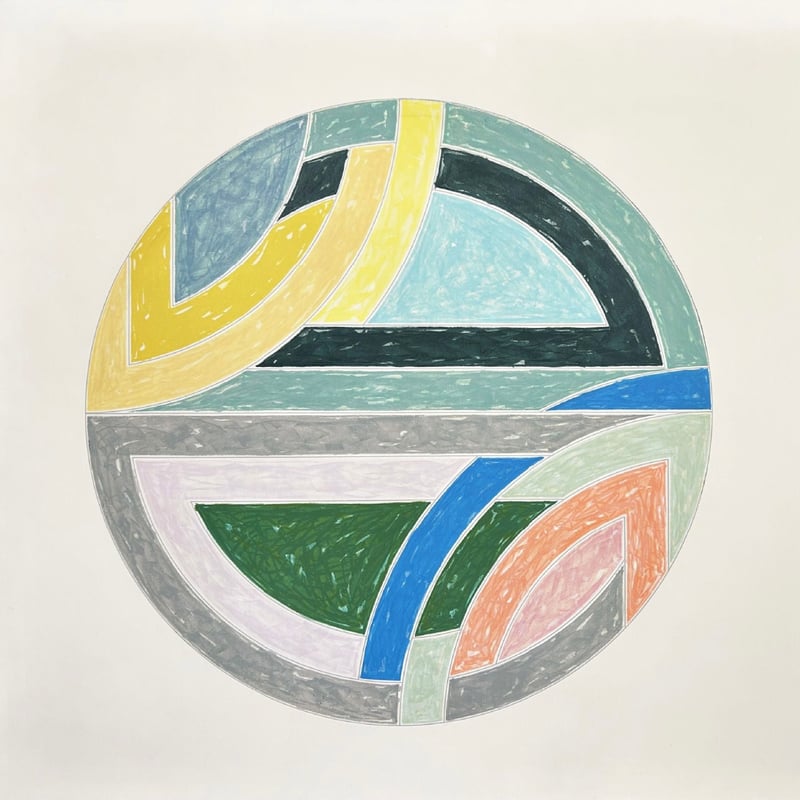

Appropriation in art involves using pre-existing images or objects with little or no modification. This technique has played a significant role across various art forms, including visual arts, music, performance, and literature. In visual arts, appropriation refers to the practice of adopting, sampling, recycling, or borrowing elements—or even entire forms—of existing visual culture, integrating them into new works to create meaning or critique.

Naïve art describes a style of artwork that is simple and unsophisticated, often created by artists without formal training in an academy or art school. The style is characterized by a lack of advanced techniques, giving it a childlike appearance. Naïve art often features bright colors, simple shapes, and a straightforward approach to subject matter, reflecting the artist's untrained perspective.

New Generation Sculpture was a movement started in the 1960s by a group of British artists. They experimented with unconventional forms, materials, and colors, creating sculptures that did not rely on traditional bases. Their work often featured plastic sheeting, fiberglass, and other industrial materials, which were fastened together and brightly painted.
Can't find your Answer?
Thank you! Your question has been sent — we'll get back to you shortly.
