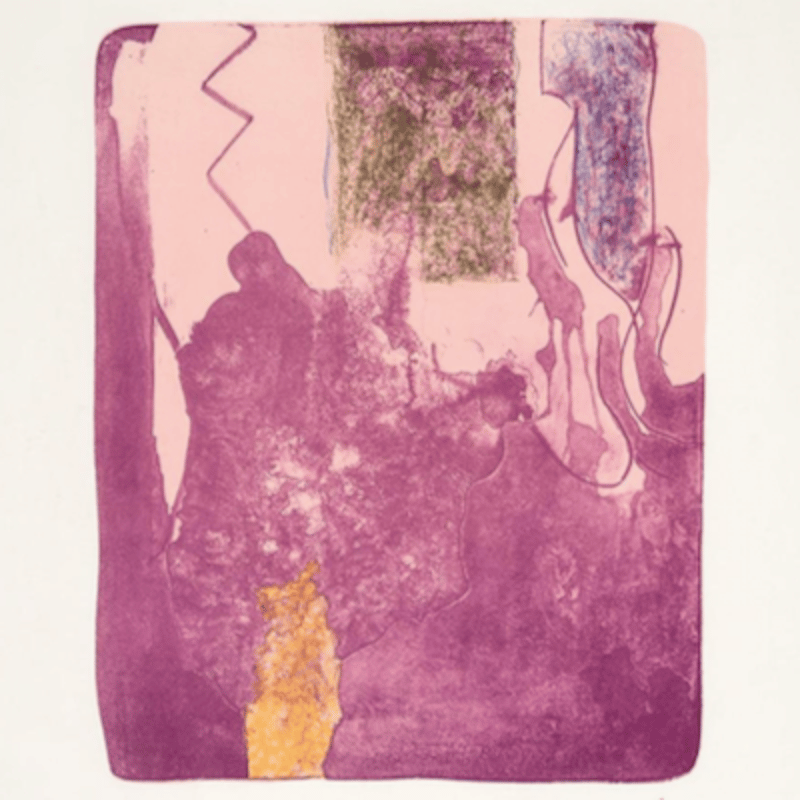
What is abstract expressionism?
- Show All
- Established
- Discoveries
- Show All
Artworks Related to Abstract expressionism
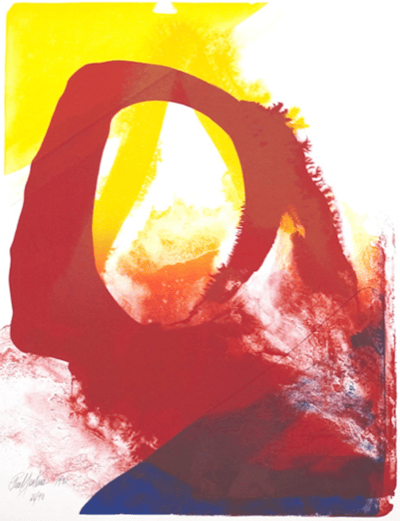
Paul Jenkins
Aspects d’Amadeus et les Autres, 1992
Limited Edition Print
Lithograph
USD 1,350
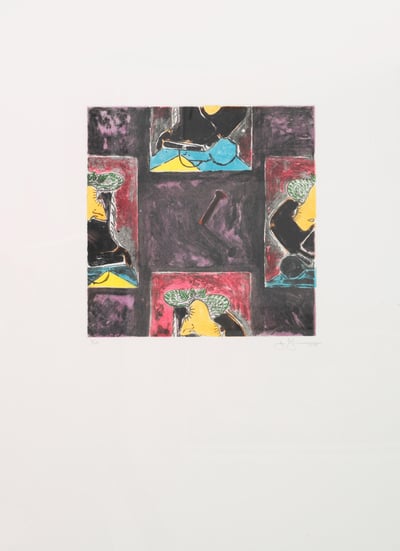
Jasper Johns
Untitled (Faces on purple), 1988
Limited Edition Print
Carborundum
USD 21,000 - 30,000
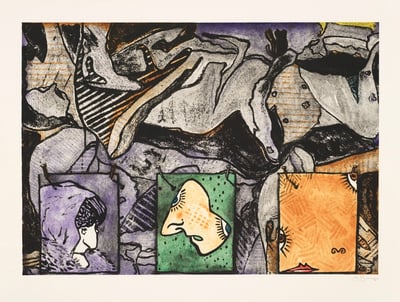
Jasper Johns
Untitled - Faces (ULAE 243), 1988
Limited Edition Print
Carborundum
USD 41,000 - 45,000
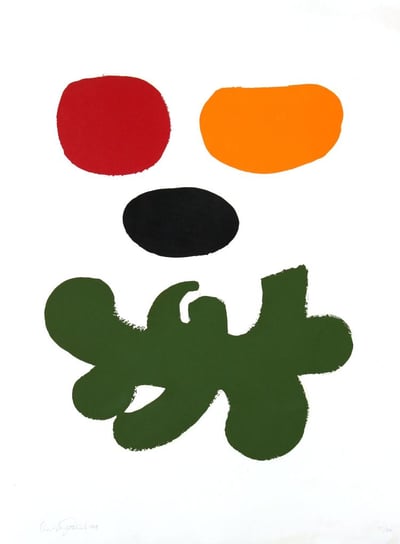
Adolph Gottlieb
Levitation, 1969
Limited Edition Print
Serigraph
Currently Not Available
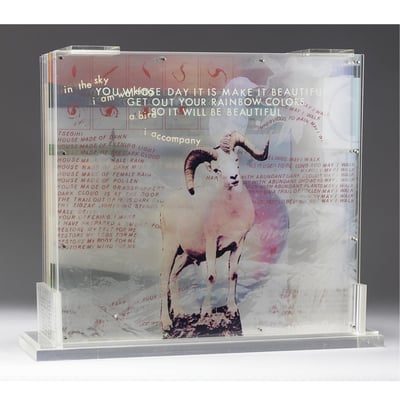
Robert Rauschenberg
Opal Gospel, 1971
Sculpture / Object
Screen-print
USD 13,000 - 15,000
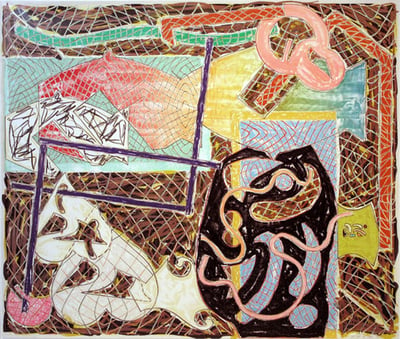
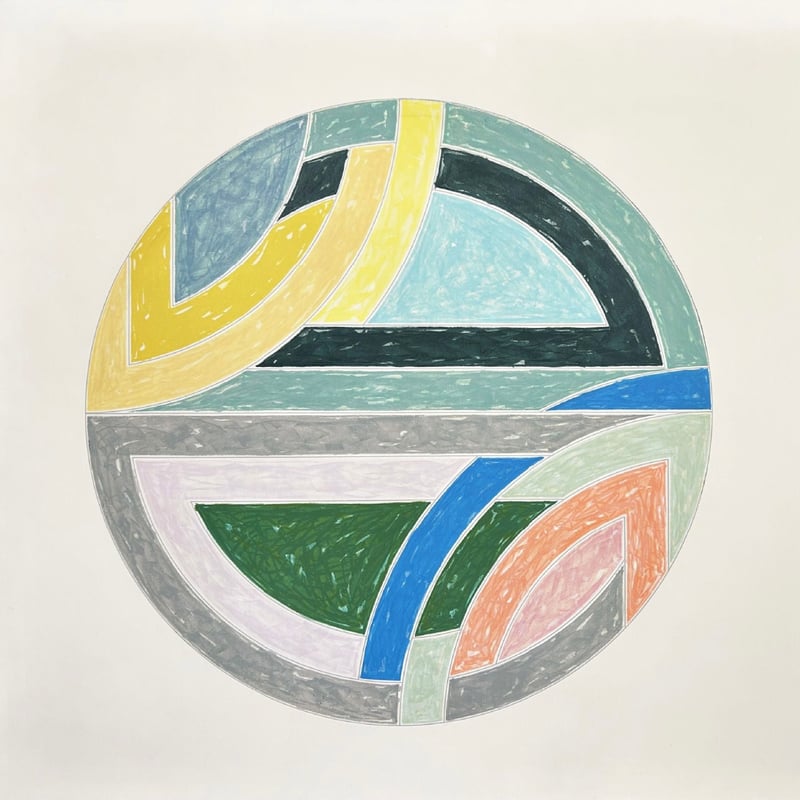
Frank Stella
Shards II, 1982
Limited Edition Print
Lithograph
USD 19,500
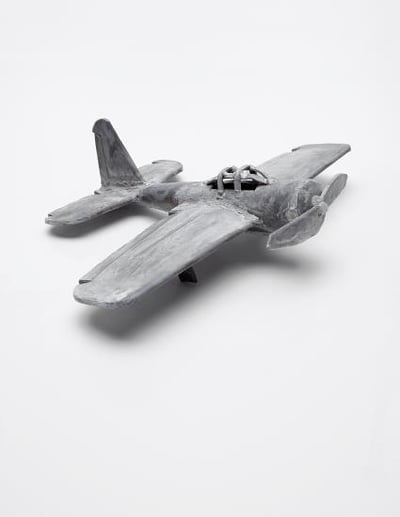
Anselm Kiefer
Die Argonauten, 2014
Sculpture / Object
Mixed Media
Currently Not Available
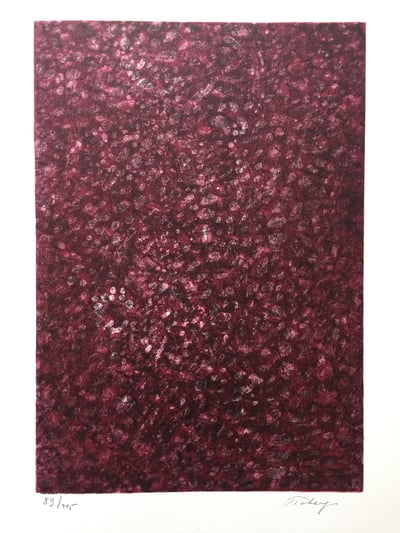
Mark Tobey
Jean Cassau
Limited Edition Print
Lithograph
Currently Not Available

Allen Jones
Catwalk II, 1999
Limited Edition Print
Etching
EUR 2,500

Allen Jones
Catwalk IV, 1999
Limited Edition Print
Etching
EUR 2,500
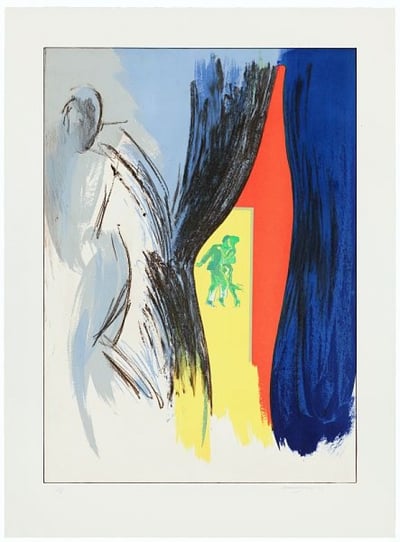
Allen Jones
Dance, 1999
Limited Edition Print
Lithograph
EUR 2,000
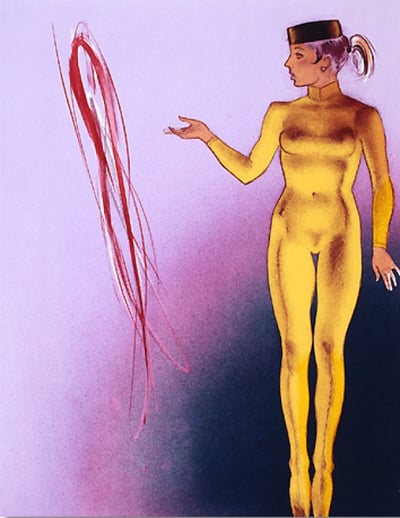
Allen Jones
Intro
Limited Edition Print
Lithograph
Currently Not Available
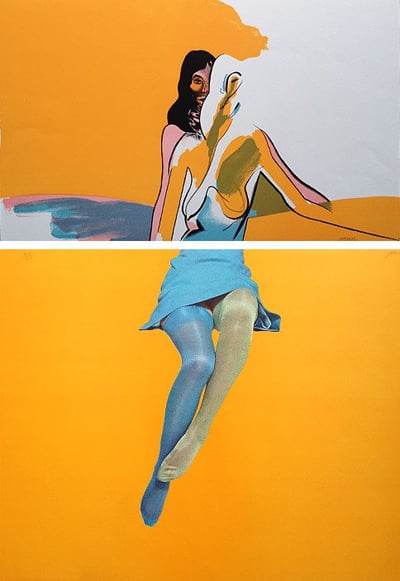
Allen Jones
Life Class VI, 1968
Limited Edition Print
Lithograph
Currently Not Available
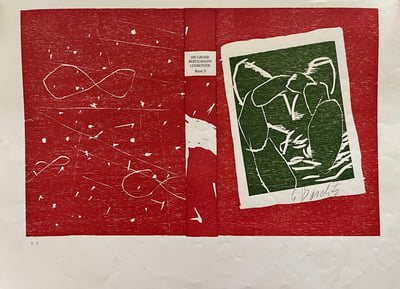
Georg Baselitz
Die Grosse..., 1992
Limited Edition Print
Serigraph
EUR 1,550

Joan Mitchell
Tree I, 1990
Limited Edition Print
Lithograph
Currently Not Available
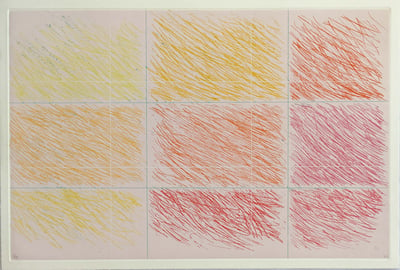
Kenneth Noland
Marron, 1990
Limited Edition Print
Etching and Aquatint
USD 1,500
Related Articles

Queer Aesthetics refers to an art movement that emerged in the 1980s, focusing on themes of homosexuality, lesbianism, and broader issues of identity and gender. This movement gained momentum in the context of the AIDS crisis and the feminist movement, challenging traditional representations of sexuality and gender. Queer Aesthetics often explores the fluidity of gender and identity, as seen in the works of artists like Nan Goldin, who is known for her photography of individuals with ambiguous or non-conforming gender presentations.

Woodcut is a printing technique where an image is carved into the surface of a woodblock using gouges, with the remaining flat surface holding the ink for printing. The areas cut away by the artist do not carry ink, while the uncut areas do, producing the desired print. The carving follows the wood's grain, unlike wood engraving, where the block is cut across the end-grain. Ink is applied to the surface with a roller, ensuring only the flat, uncarved areas receive ink, leaving the recessed, non-printing areas clean.
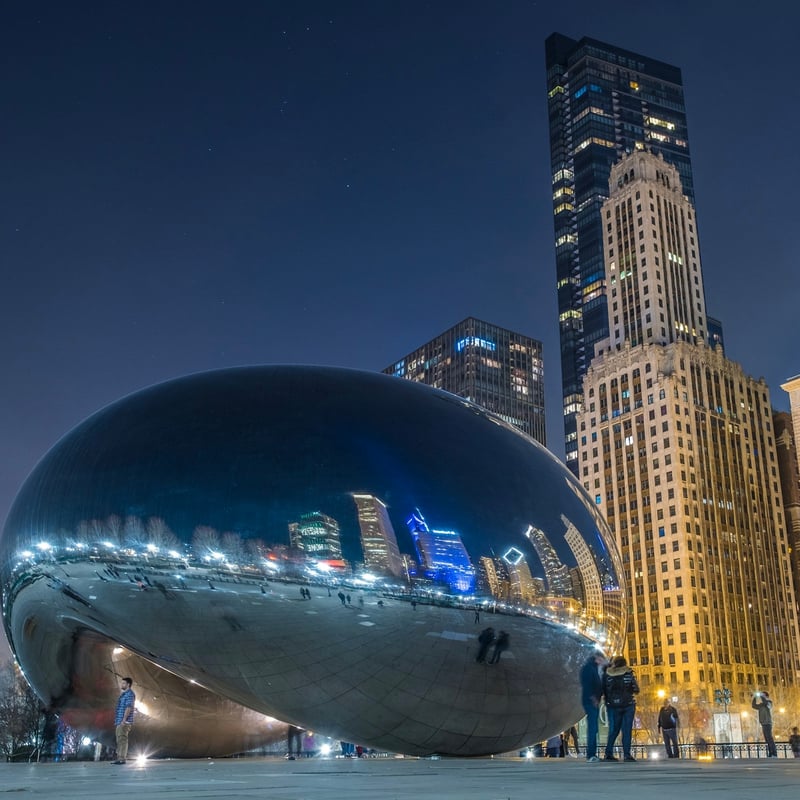
New British Sculpture is the name referring to the work produced by a group of sculptors, installation artists, and other creators who exhibited together in London during the 1980s. This group included artists like Richard Deacon, Richard Wentworth, and Tony Cragg. Tim Woods helped define this movement by identifying four major themes: the blending of kitsch and pop culture, the use of UK urban waste in a bricolage style, the assignment of new meanings to everyday objects, and a playful approach using wit and humor.
Can't find your Answer?
Thank you! Your question has been sent — we'll get back to you shortly.
